
The Junior Reserve Officers’ Training Corps (JROTC) is a multifaceted program that extends far beyond its often-perceived military association. While rooted in military principles and values, JROTC’s core mission is to instill in young people the values of citizenship, personal responsibility, character, leadership, and self-discipline. It aims to develop well-rounded individuals prepared to succeed in any path they choose, whether that be military service, higher education, or the civilian workforce. Understanding what JROTC does requires an exploration of its programs, its impact on participants, and its broader societal contributions, all of which contribute to a distinct and influential “brand” of personal development.
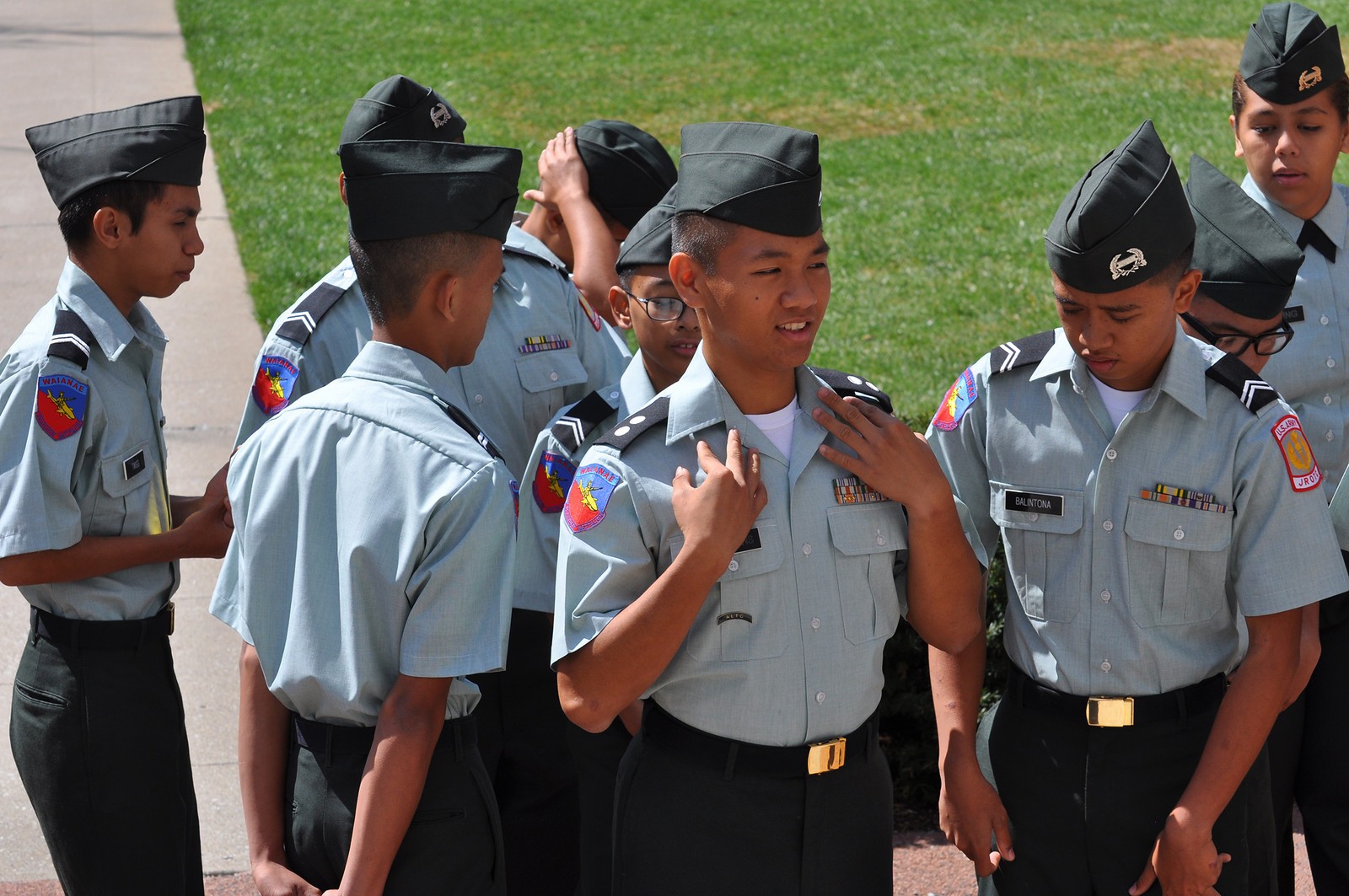
Building Blocks of Character: Core Principles and Curriculum
At its heart, JROTC is about character development. The program is meticulously designed to foster a set of foundational principles that are transferable to any aspect of life. This isn’t about rote memorization or simply following orders; it’s about internalizing values and learning to apply them effectively. The curriculum is structured to provide a comprehensive approach to personal growth, focusing on both theoretical understanding and practical application.
Leadership Development: From Follower to Leader
A central pillar of the JROTC experience is leadership development. Participants are not just taught about leadership; they are actively encouraged to practice it. This begins with understanding different leadership styles, the responsibilities of a leader, and the importance of followership. Cadets progress through various leadership roles within their units, from squad leader to company commander, learning to motivate others, delegate tasks, resolve conflicts, and make sound decisions under pressure.
- Hierarchical Structure and Responsibility: JROTC programs are typically organized into a hierarchical structure that mirrors military formations. This provides cadets with a tangible understanding of chain of command, accountability, and the importance of fulfilling their assigned roles. Lower-level cadets learn to follow instructions effectively, while those in higher positions learn the weight of responsibility that comes with leading others.
- Mentorship and Guidance: Senior cadets and instructors (often retired military personnel) serve as mentors, guiding younger cadets through their developmental journey. This mentorship is crucial for fostering a supportive learning environment where questions are encouraged, mistakes are seen as learning opportunities, and constructive feedback is consistently provided.
- Decision-Making and Problem-Solving: Through various drills, exercises, and simulated scenarios, cadets are challenged to think critically and make decisions. This could range from planning a unit event to navigating a hypothetical tactical situation. The emphasis is on developing a logical and effective approach to problem-solving, considering potential outcomes and consequences.
Citizenship and Service: Fostering Civic Responsibility
JROTC instills a strong sense of civic responsibility and promotes active participation in society. The program emphasizes the rights and responsibilities of citizens, encouraging cadets to become informed, engaged, and contributing members of their communities. This aspect of JROTC builds a “brand” of engaged citizenship, equipping young people with the tools and mindset to make a positive difference.
- Understanding Civic Duty: Cadets learn about the structure and function of local, state, and federal government. They are taught about the importance of voting, community service, and upholding the laws of the land. This foundational knowledge empowers them to understand their role within the larger societal framework.
- Community Service Projects: A significant component of many JROTC programs involves participation in community service projects. These can range from cleaning up local parks and assisting at food banks to organizing charitable drives and participating in flag-raising ceremonies at public events. These activities not only benefit the community but also instill a sense of empathy and a commitment to helping others.
- Respect for Symbols and Traditions: JROTC places a strong emphasis on respecting national symbols, such as the flag, and understanding important historical events and traditions. This fosters a sense of patriotism and national pride, encouraging cadets to appreciate the sacrifices made by others and to contribute to the nation’s future.
Beyond the Classroom: Experiential Learning and Skill Development
JROTC’s impact extends well beyond traditional classroom learning. The program offers a variety of hands-on experiences and extracurricular activities that reinforce its core principles and equip cadets with practical, transferable skills. These experiences contribute significantly to the “brand” of a well-prepared individual.
Physical Fitness and Discipline: Cultivating a Healthy and Resilient Mindset

Physical fitness is an integral part of the JROTC experience, mirroring the demands placed on military personnel. This focus on physical well-being is directly linked to the development of mental discipline and resilience, crucial components of a strong personal brand.
- Physical Training Regimens: Cadets participate in regular physical training (PT) sessions, which can include running, calisthenics, obstacle courses, and team-based physical challenges. These activities build stamina, strength, and coordination, while also fostering teamwork and perseverance.
- Healthy Lifestyle Promotion: JROTC instructors often educate cadets on the importance of nutrition, proper sleep, and avoiding harmful substances. This holistic approach to health and well-being aims to cultivate lifelong healthy habits.
- Stress Management and Resilience: The challenges encountered during physical training, coupled with the demands of leadership roles, help cadets develop coping mechanisms for stress and build resilience in the face of adversity. Learning to push through physical discomfort and mental fatigue translates to a greater capacity to handle life’s challenges.
Drill and Ceremony: Precision, Teamwork, and Esprit de Corps
Drill and ceremony are fundamental to JROTC, teaching cadets precision, coordination, and the importance of synchronized effort. This seemingly simple practice has profound implications for developing a disciplined and cohesive “brand” of individuals.
- Precision and Attention to Detail: Performing drill movements requires absolute precision and attention to detail. Cadets learn to execute commands flawlessly, understanding that even minor deviations can disrupt the overall performance. This cultivates a mindset of thoroughness and accuracy that is valuable in any endeavor.
- Teamwork and Synchronization: Drill and ceremony are inherently team-oriented. Cadets must move in unison, anticipating each other’s actions and working together to achieve a common goal. This fosters a deep sense of teamwork, cooperation, and mutual reliance.
- Esprit de Corps and Unit Pride: Successful execution of drill and ceremony builds a strong sense of “esprit de corps,” a feeling of pride and camaraderie within the unit. Participating in competitions or performing at public events where their synchronized efforts are recognized can be a significant confidence booster and foster a lasting sense of belonging.
Preparing for the Future: Pathways to Success
The ultimate goal of JROTC is to prepare participants for their futures, equipping them with skills and a mindset that will serve them well regardless of their chosen path. The “brand” JROTC cultivates is one of preparedness, discipline, and leadership potential, highly valued in both military and civilian spheres.
College and Career Readiness: Academic Enrichment and Skill Acquisition
JROTC programs often integrate academic components and provide resources to help cadets pursue higher education or enter the workforce. This focus on future success reinforces the program’s practical value.
- Academic Achievement: Many JROTC programs emphasize the importance of academic excellence. Instructors may provide tutoring, study skills workshops, and encouragement to maintain good grades. Some programs offer academic scholarships or connections to institutions that value JROTC participation.
- Exploration of Career Paths: JROTC can expose cadets to a wide range of career possibilities, including those within the military services. They learn about different specializations, educational requirements, and the benefits of military service. Beyond the military, the skills acquired in JROTC – leadership, discipline, teamwork, and communication – are highly sought after in various civilian careers.
- Resume Building and Interview Skills: JROTC activities often provide opportunities for cadets to develop practical skills such as resume writing and interview techniques. Participating in leadership roles, managing projects, and presenting information can be valuable additions to a resume, showcasing tangible achievements and experiences.
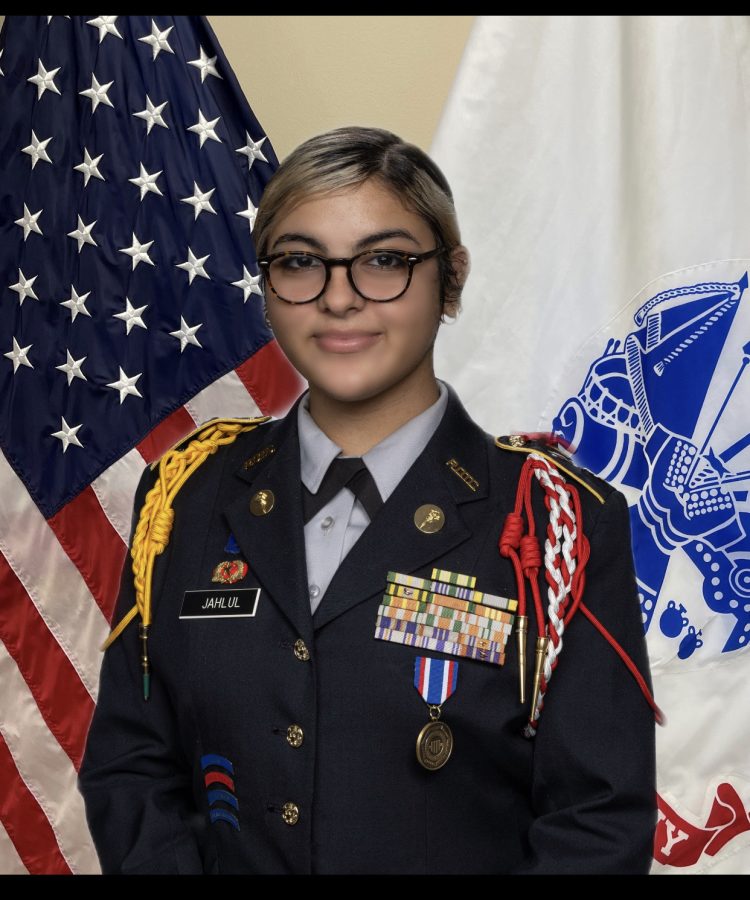
Personal Development: Self-Confidence, Integrity, and Lifelong Learning
Perhaps the most enduring impact of JROTC is the personal growth experienced by its participants. The program fosters a sense of self-worth, integrity, and a commitment to lifelong learning that shapes individuals long after they leave the program.
- Increased Self-Confidence and Self-Esteem: Successfully navigating the challenges of JROTC, achieving personal goals, and taking on leadership responsibilities significantly boost a cadet’s self-confidence. The positive reinforcement and structured environment contribute to a stronger sense of self-worth.
- Development of Integrity and Ethics: The emphasis on values, honor, and responsibility inherent in JROTC helps cadets develop a strong moral compass. They learn the importance of honesty, accountability, and ethical decision-making, which are foundational to building a respected personal brand.
- Adaptability and Continuous Improvement: JROTC instills a mindset of continuous improvement and adaptability. Cadets learn to embrace challenges, learn from feedback, and strive for excellence in all that they do. This willingness to learn and grow is a critical asset in an ever-changing world, ensuring their personal “brand” remains relevant and valuable.