
In the contemporary landscape of global commerce, a brand is far more than a trademark or a collection of products; it is a repository of values, emotions, and cultural signifiers. When we ask, “What does jade represent?” in the context of brand strategy, we are not merely discussing a metamorphic rock. We are exploring a potent symbol of longevity, ethical integrity, and curated luxury. For brand architects and marketing strategists, jade serves as a masterclass in semiotics—the study of signs and symbols—offering a blueprint for how a brand can communicate prestige and stability without uttering a single word.

The Semiotics of Jade: Why Brands Leverage Gemstone Symbolism
Semiotics is the backbone of successful brand identity. Companies strive to associate their names with objects that carry pre-existing cultural weight. Jade, often referred to as the “Stone of Heaven,” carries a weight of five millennia of history, particularly in Eastern cultures. When a brand integrates the concept of jade into its identity, it is making a deliberate claim about its own endurance and “soul.”
Transcending the Material: Jade as a Signifier of Longevity
In the world of brand strategy, “longevity” is the ultimate currency. A brand that feels ephemeral or “trendy” often struggles to command a premium price point or maintain long-term customer loyalty. Jade represents the antithesis of the disposable culture. Because jade is renowned for its toughness—historically used for both delicate ornaments and resilient tools—it communicates a brand promise of durability.
When a luxury brand adopts “Jade” as a naming convention or a thematic core, it signals to the consumer that the brand’s value will not depreciate. This is particularly effective for heritage brands or companies positioned in the high-end lifestyle sector. By aligning with the properties of jade, these brands suggest that their products are “heirloom-quality,” meant to be passed down through generations rather than discarded at the end of a season.
The Intersection of Tradition and Modernity
One of the most complex challenges in branding is appearing “timeless” while remaining “relevant.” Jade represents a unique bridge between these two states. It is ancient, yet its minimalist aesthetic—especially in its translucent, polished form—fits perfectly within modern, clean design trends.
Strategic branding utilizes jade to ground a modern identity in traditional wisdom. For a tech-forward skincare brand or a modern architectural firm, referencing the “Jade standard” allows them to project an image of being “future-proofed” by the lessons of the past. It suggests a brand that is wise, calm, and deliberate—qualities that are highly sought after in an increasingly chaotic digital marketplace.
Jade as a Color Palette: Psychological Impact on Consumer Perception
The visual identity of a brand is its first point of contact with the consumer. The specific hue of “Jade Green” is a psychological powerhouse in marketing. It sits at a unique intersection of the color wheel, combining the growth-oriented energy of green with the cooling, prestigious undertones of blue and grey.
Growth, Renewal, and Sustainability
In the current “Green Economy,” the color of a brand’s identity carries significant weight regarding its perceived environmental stance. However, while bright greens are often associated with “entry-level” eco-friendly products, Jade Green represents a more sophisticated version of sustainability.
Jade represents a “mature” growth. In branding, this color is frequently used by companies that want to distance themselves from “greenwashing” and instead project a sense of established, responsible environmental stewardship. It suggests a brand that isn’t just following a trend but is fundamentally rooted in the health of the planet. For wellness and “Clean Beauty” brands, Jade Green acts as a visual shorthand for purity, detoxification, and organic vitality.
Luxury and Exclusivity in Visual Identity
Color psychology dictates that darker, more saturated tones of jade are perceived as more “expensive” than lighter mint greens. This is because jade has been a staple of imperial courts for centuries. When a corporate identity utilizes deep jade tones in its logo or packaging, it triggers an unconscious association with exclusivity and high-ranking status.
Unlike gold or silver, which can sometimes appear gaudy or over-commercialized, Jade Green offers a “quiet luxury.” It appeals to the discerning consumer who values “if you know, you know” branding over loud, logo-heavy designs. This makes it an ideal choice for private equity firms, boutique hospitality groups, and high-end artisanal brands that want to communicate wealth through understated elegance.
Cultural Resonance and Global Market Positioning
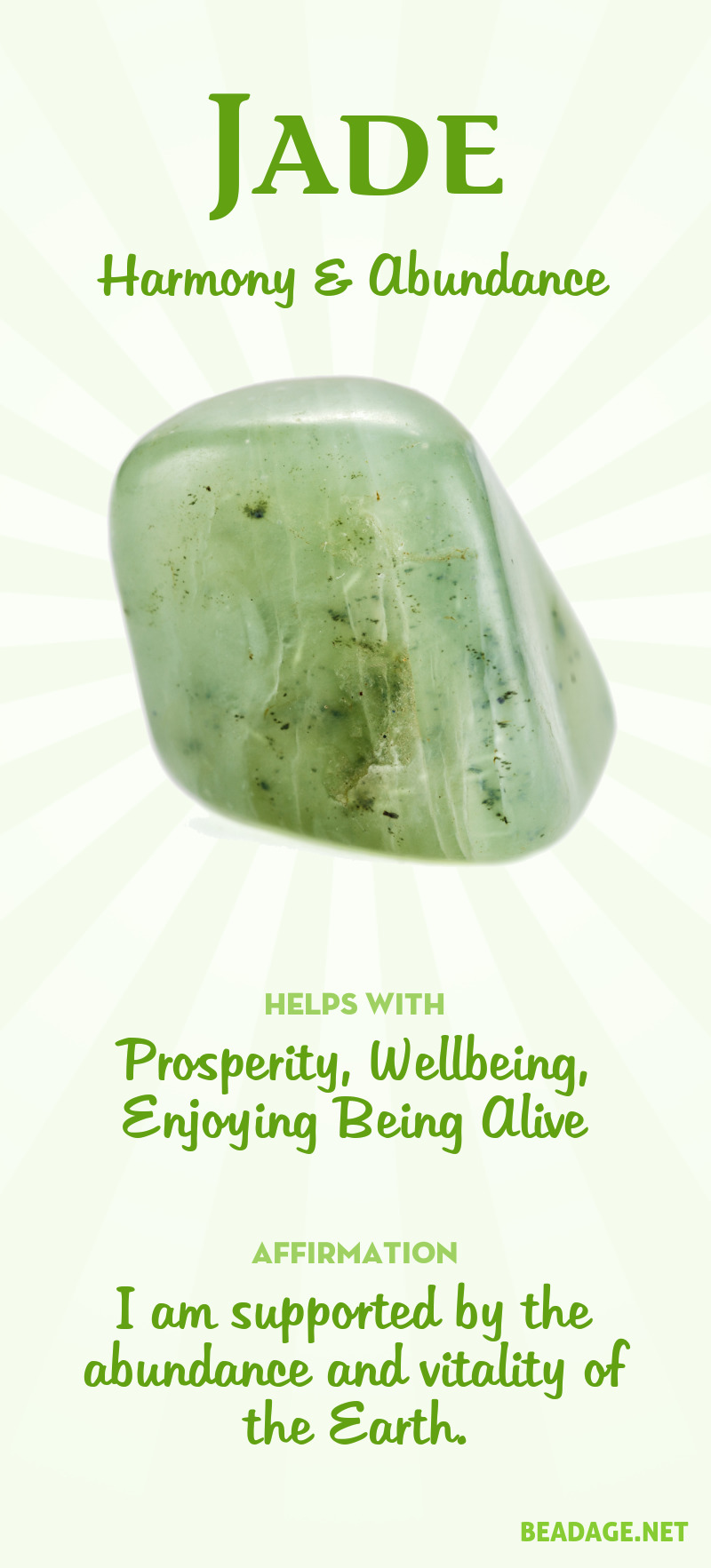
As brands expand globally, understanding the regional significance of symbols is crucial. In the East, particularly in China, jade is more precious than gold. For Western brands looking to enter the Asian market, or for Eastern brands going global, the representation of jade is a vital strategic tool.
Capturing the Eastern Market: The “Stone of Heaven”
In Chinese culture, jade represents the five virtues of humanity: courage, modesty, justice, wisdom, and benevolence. A brand that can authentically weave these “Jade Virtues” into its corporate social responsibility (CSR) or mission statement gains instant cultural capital in Asia.
However, this must be handled with strategic nuance. Brands that simply “slap” a jade color on their packaging may be seen as pandering. True brand integration involves adopting the philosophy of jade—prioritizing the “inner glow” of the brand’s integrity over mere outward appearance. When a global brand like Cartier or Hermès creates jade-inspired collections, they are not just selling a product; they are paying homage to a cultural pillar, thereby building a bridge of respect with their most affluent consumer bases.
Ethical Sourcing and the Conscious Brand Image
In the modern era, a brand is defined as much by its supply chain as its marketing. Because jade mining is a complex and often sensitive industry, how a brand “represents” jade also involves how it manages its ethical footprint.
A “Jade-standard” brand in the 21st century must be synonymous with transparency. Brands that use jade as a motif are increasingly expected to lead the way in ethical sourcing and fair-trade practices. By doing so, they turn a potential liability into a brand asset. “Jade” then comes to represent not just beauty, but a “clean conscience”—a powerful differentiator in a market where consumers are increasingly voting with their wallets for more ethical corporate behavior.
Case Studies: Integrating “Jade” into Brand Narrative
To understand how these concepts manifest in the real world, we can look at how various sectors utilize the representation of jade to carve out a unique market niche.
Luxury Jewelry and the Heritage Story
In the jewelry sector, jade represents a shift away from the “commodity” feel of diamonds. Brands like Gump’s or specialized high-jewelry houses use jade to tell a story of “singular pieces.” Because no two pieces of jade are exactly alike, the stone represents “individualism.”
Branding strategists in this space leverage this to appeal to the “Ultra-High-Net-Worth” (UHNW) individual who desires a brand that recognizes their unique identity. The narrative here is: “You are as unique as the stone.” This creates a deep, emotional connection between the brand and the buyer, moving the transaction from a simple purchase to an acquisition of a personal totem.
Lifestyle and Wellness Branding
In the wellness industry, the “Jade Roller” became a viral sensation, but its success was rooted in branding, not just utility. The tool represents ancient wisdom and “self-care” as a ritual rather than a chore. Brands that succeeded in this space didn’t just sell a skincare tool; they sold the serenity that jade represents.
By positioning jade as a “cooling” and “balancing” element, these brands tapped into the consumer’s desire for emotional regulation in a high-stress world. The “Jade” brand narrative in wellness is about finding your center—an incredibly lucrative positioning in the $4 trillion global wellness economy.
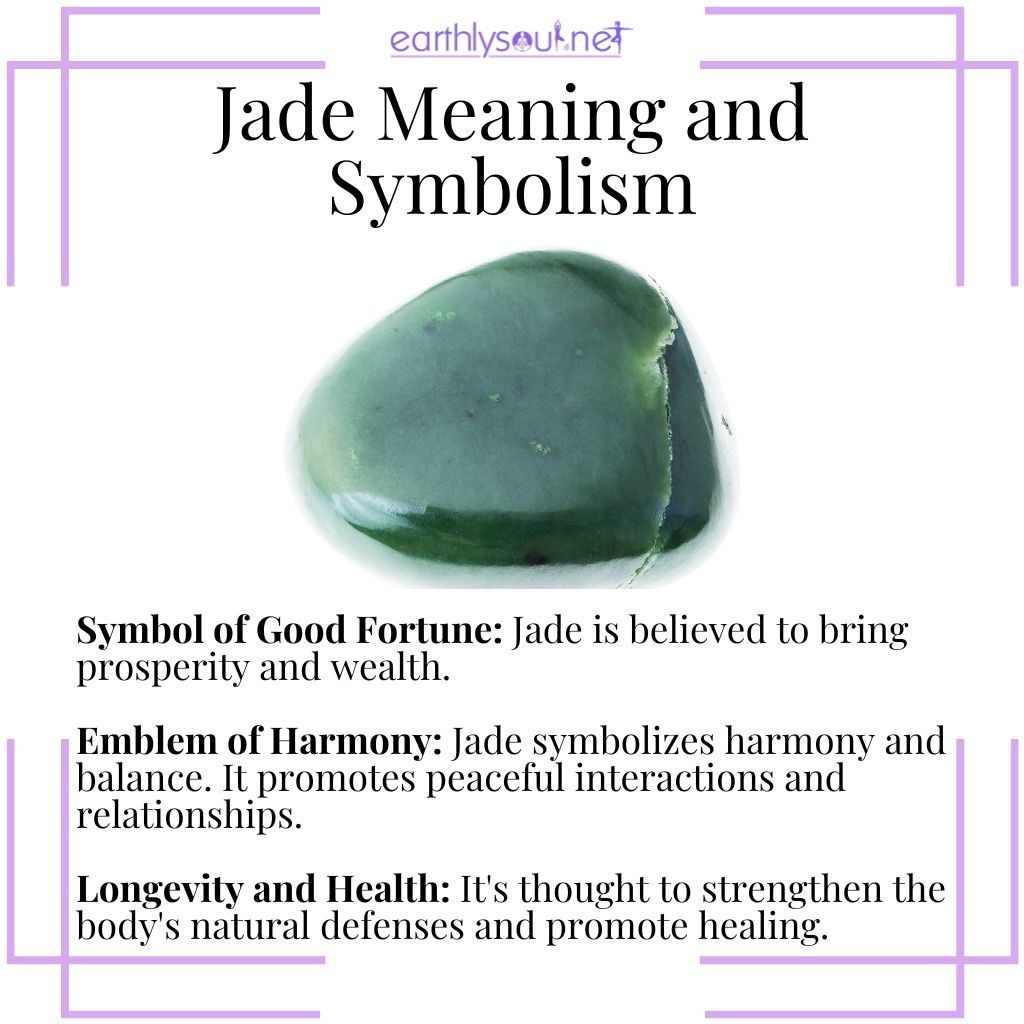
Future-Proofing Your Brand with the Values of Jade
As we look toward the future of brand strategy, the lessons of “what jade represents” become increasingly relevant. We are moving into an era of “Value-Based Branding,” where consumers align with brands that reflect their own moral and aesthetic standards.
Jade represents a holistic approach to branding. It is not just a color, a stone, or a historical artifact; it is a philosophy of excellence, resilience, and balance. For a brand to truly embody what jade represents, it must:
- Prioritize Substance over Surface: Ensure the product quality matches the “polished” marketing.
- Embrace Timelessness: Avoid chasing every fleeting trend, focusing instead on a core identity that can age gracefully.
- Cultivate Cultural Intelligence: Understand the deep-rooted meanings behind symbols before integrating them into a global strategy.
In conclusion, “Jade” in the branding world represents the ultimate goal of corporate identity: to become a “precious” entity in the mind of the consumer. By understanding and utilizing the multi-layered symbolism of jade—from its psychological color impact to its deep cultural virtues—brand strategists can build identities that are not only profitable but also permanent, echoing the “Stone of Heaven’s” five thousand years of relevance.
aViewFromTheCave is a participant in the Amazon Services LLC Associates Program, an affiliate advertising program designed to provide a means for sites to earn advertising fees by advertising and linking to Amazon.com. Amazon, the Amazon logo, AmazonSupply, and the AmazonSupply logo are trademarks of Amazon.com, Inc. or its affiliates. As an Amazon Associate we earn affiliate commissions from qualifying purchases.