
The name “Jade” evokes images of serene landscapes, ancient cultures, and enduring value. While its most common association is with the precious gemstone, the name’s origins and meanings stretch far beyond its physical manifestation. For individuals who bear the name, or those considering it for a child or even a brand, understanding its multifaceted significance can add layers of appreciation and connection. This exploration delves into the linguistic roots, historical context, and cultural resonance of the name Jade, offering an insightful perspective for those interested in its profound implications.
The Linguistic Tapestry: Origins and Etymology of “Jade”
The name Jade, at its core, is deeply intertwined with the mineral that shares its name. Its journey through language reflects a fascinating evolution and cross-cultural exchange, ultimately solidifying its place as a name of both beauty and historical weight.
From “Piedra de Ijada” to “Jade”: A Spanish Revelation
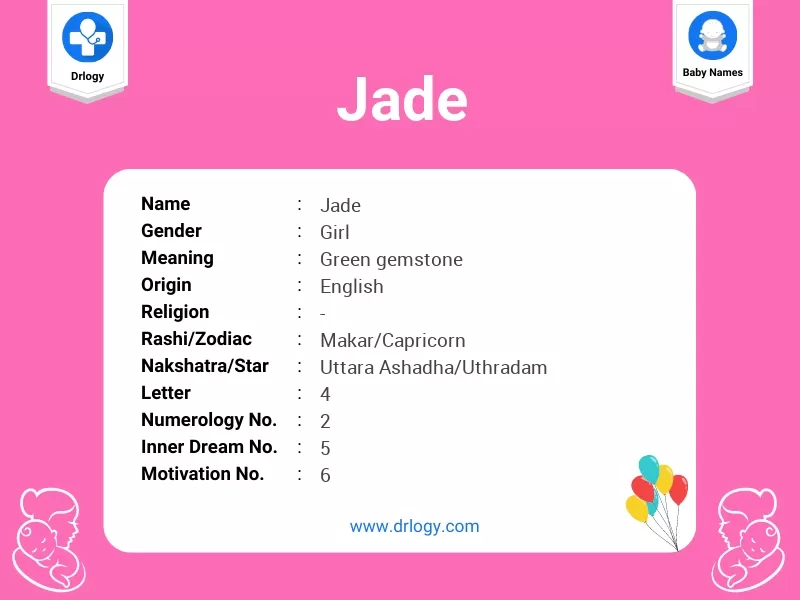
The most widely accepted etymological origin of the name “Jade” traces back to the Spanish phrase “piedra de ijada.” Literally translating to “stone of the side” or “stone of the loins,” this term highlights the historical belief in the gemstone’s medicinal properties, particularly its supposed ability to alleviate pain in the lower back and flank. When the Spanish conquistadors encountered the precious green stone in Mesoamerica, they were struck by its perceived healing powers, leading to this descriptive moniker.
Over time, as the name traversed linguistic boundaries, “piedra de ijada” was shortened and Anglicized. The direct translation into French as “pierre des reins” (stone of the kidneys) further illustrates the emphasis on its therapeutic qualities. Ultimately, the simplified form “jade” emerged in English and other European languages, retaining the essence of the original Spanish phrase but shedding its descriptive elaboration. This linguistic streamlining made the name more accessible and pronounceable, paving the way for its adoption as a given name.
Beyond Spanish: Echoes in Other Languages and Cultures
While the Spanish connection is dominant, it’s worth noting that the appreciation for the gemstone known as jade predates the Spanish conquest by millennia. Cultures across Asia, particularly in China and Mesoamerica, held jade in extremely high regard, often associating it with spiritual significance, immortality, and noble qualities.
In Chinese, the character for jade is “玉” (yù). This character itself is ancient and has been associated with purity, virtue, beauty, and perfection for thousands of years. In Chinese philosophy, jade was considered a stone that embodied the five virtues: benevolence, righteousness, wisdom, courage, and integrity. This deep cultural embedding meant that the concept of “jade” as a symbol of excellence and preciousness was already firmly established long before its naming in Western languages.
Similarly, in ancient Mesoamerica, cultures like the Maya and Aztec revered jade, often referring to it with terms that also emphasized its preciousness and divine connection. These indigenous names, while distinct from the European linguistic lineage, underscore the universal admiration for the stone and its symbolic power. When the name “Jade” eventually gained traction as a given name in Western cultures, it inadvertently carried with it these millennia-old connotations of purity, virtue, and enduring value, albeit through a different linguistic pathway.
The Gemstone’s Legacy: Symbolism and Cultural Significance
The enduring appeal of the name Jade is inextricably linked to the rich symbolism and profound cultural significance attributed to the gemstone itself. Across diverse civilizations, jade has been revered not merely as a beautiful mineral but as a conduit for spiritual beliefs, social status, and moral ideals.
Jade in Eastern Traditions: Purity, Virtue, and Immortality
In East Asian cultures, particularly in China, jade holds an unparalleled position. It is often considered more precious than gold, not just for its aesthetic appeal but for its deep spiritual and philosophical associations.
- Purity and Perfection: Jade is intrinsically linked to concepts of purity, integrity, and flawlessness. Its smooth texture, translucent quality, and subtle variations in color were seen as mirroring the ideal human character. It was believed that wearing jade could cleanse the spirit and ward off evil influences.
- Virtue and Morality: Confucian philosophy heavily emphasized the virtues embodied by jade. The five virtues – benevolence, righteousness, wisdom, courage, and integrity – were all said to be reflected in the qualities of the stone. Scholars and officials often wore jade ornaments as a symbol of their moral uprightness and commitment to ethical conduct.
- Immortality and Longevity: In ancient China, jade was also associated with longevity and even immortality. It was believed that jade could preserve the body after death, preventing decay and facilitating a peaceful transition to the afterlife. Elaborate jade suits were sometimes crafted for the deceased, reflecting this profound belief.
- Social Status and Power: Due to its rarity and the craftsmanship involved in carving it, jade became a symbol of wealth, status, and power. Exquisite jade objects were commissioned by emperors, royalty, and high-ranking officials, further solidifying its association with nobility.
Jade in Mesoamerica: Divinity, Fertility, and Sacrifice
Pre-Columbian civilizations in Mesoamerica also held jade in immense esteem, often integrating it into their religious practices and social structures.
- Divine Connection: Jade was frequently associated with water, fertility, and the divine. Its green hue evoked images of lush vegetation and life-giving rain, making it a potent symbol for agricultural societies. It was often used in rituals to appease deities and ensure bountiful harvests.
- Sacrifice and Ritual: Jade artifacts, particularly masks and pectoral ornaments, were integral to religious ceremonies, including human sacrifice. The preciousness of jade underscored the value of the offerings made to the gods.
- Royal Regalia and Elite Adornment: Similar to China, jade was a prominent marker of elite status in Mesoamerican societies. Rulers and nobility adorned themselves with jade jewelry, masks, and other accoutrements, signifying their authority and divine mandate. The Maya, in particular, had a complex system of jade craftsmanship, producing highly stylized and intricate pieces.
The enduring legacy of jade as a symbol of purity, virtue, divinity, and enduring value provides a rich foundation for the name “Jade.” When individuals are named Jade, they are, in a way, inheriting a lineage of admiration for qualities that transcend mere material worth.
The Modern Resonance: Jade as a Personal Name
The transition of “Jade” from a descriptive term for a precious stone to a popular given name is a testament to its inherent beauty and the powerful symbolism it carries. The name’s appeal lies in its blend of natural elegance, historical depth, and a sense of understated strength, making it a choice that resonates with contemporary sensibilities.
A Name of Natural Beauty and Serenity
The most immediate association with the name Jade is its connection to the natural world. The gemstone’s characteristic green hues, ranging from pale, almost translucent shades to deep, vibrant emeralds, evoke images of lush forests, tranquil lakes, and the calming presence of nature. This inherent connection to the earth lends the name a sense of groundedness and organic beauty. For parents seeking a name that feels both classic and connected to the environment, Jade offers a compelling option. Its simplicity and gentle sound contribute to a perception of serenity and peace, qualities often sought after in personal identity.
Contemporary Popularity and Timeless Appeal
While its origins are ancient, the name Jade has experienced significant resurgence in popularity in recent decades. It has moved from being a relatively uncommon name to one that is recognized and appreciated across many cultures. This contemporary popularity doesn’t detract from its timeless appeal; rather, it signifies its enduring ability to connect with modern parents who are drawn to its sophisticated yet unpretentious nature.
The name’s brevity and melodic sound make it easy to pronounce and remember, contributing to its widespread adoption. It strikes a balance between being distinctive enough to stand out but familiar enough to be universally understood. This balance has allowed Jade to transcend fleeting trends, establishing itself as a name with lasting charm.
Enduring Qualities for Personal Branding and Identity
For individuals named Jade, the name often becomes a cornerstone of their personal identity and, by extension, their personal brand. The inherent symbolism of the gemstone – its perceived purity, resilience, and enduring value – can subtly influence how an individual is perceived and how they project themselves.
- Symbol of Strength and Resilience: Jade is known for its toughness and resistance to scratching. This can translate metaphorically to an individual who is perceived as strong, resilient, and capable of withstanding challenges.
- Association with Authenticity and Integrity: The deep-rooted cultural associations of jade with virtue and integrity can lead individuals named Jade to be perceived as authentic, honest, and possessing a strong moral compass.
- Understated Elegance: Jade is not a flashy or ostentatious gemstone. Its beauty is often subtle and refined, suggesting a personal brand that values understated elegance, quiet confidence, and genuine substance over superficiality.
In a world where personal branding is increasingly important, the name Jade offers a naturally compelling narrative. It carries with it inherent positive connotations that can serve as a powerful, albeit subconscious, element in how an individual is recognized and remembered. The name itself becomes a subtle yet effective brand asset, imbued with a history of beauty, virtue, and enduring worth.
In conclusion, the name Jade carries a rich tapestry of meaning, woven from linguistic origins, historical reverence for a precious gemstone, and its modern resonance as a personal identifier. From its Spanish roots signifying healing to its deep symbolic connections with purity, virtue, and divinity in Eastern and Mesoamerican cultures, Jade embodies enduring value and natural beauty. As a given name, it offers a sense of serenity and timeless appeal, contributing to a personal brand that can be perceived as strong, authentic, and elegantly understated. The name Jade is far more than a simple label; it is a testament to a legacy of admiration for qualities that are both beautiful and profoundly meaningful.
aViewFromTheCave is a participant in the Amazon Services LLC Associates Program, an affiliate advertising program designed to provide a means for sites to earn advertising fees by advertising and linking to Amazon.com. Amazon, the Amazon logo, AmazonSupply, and the AmazonSupply logo are trademarks of Amazon.com, Inc. or its affiliates. As an Amazon Associate we earn affiliate commissions from qualifying purchases.