
Securing a business loan is often the most significant hurdle an entrepreneur faces when attempting to scale an operation, manage cash flow, or pivot into new markets. While the concept of borrowing money is straightforward, the actual process of qualifying for a commercial loan is a complex orchestration of financial metrics, risk assessment, and strategic presentation. Lenders are not merely looking for a profitable idea; they are looking for evidence of stability, reliability, and a clear path to repayment. To navigate this landscape successfully, a business owner must understand the multifaceted requirements that financial institutions use to judge creditworthiness.
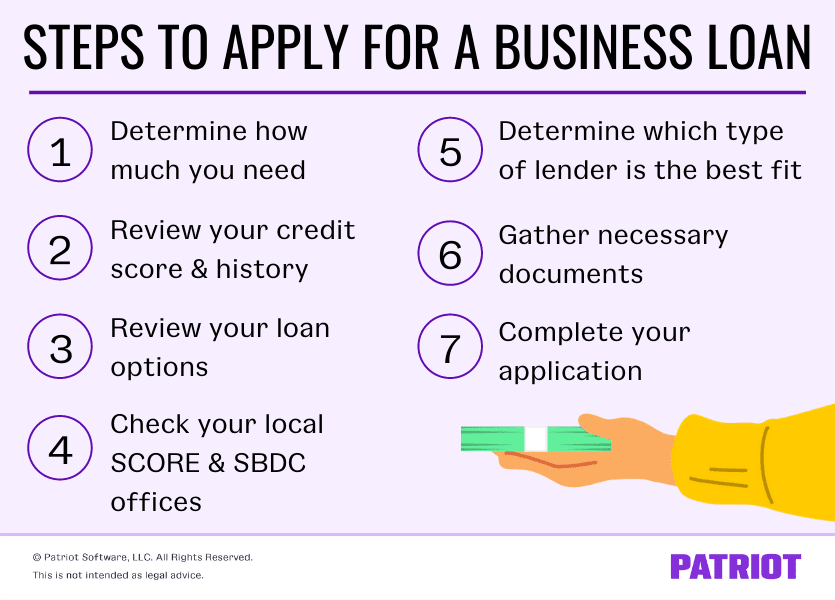
Establishing the Core Financial Foundations
The first stage of any loan application involves a deep dive into the fundamental health of the business and its owners. Lenders operate on the principle of risk mitigation, and they use specific data points to predict the likelihood of default.
The Weight of Credit Scores
In the world of small business lending, personal and business credit scores are often the first gatekeepers. For many small enterprises and startups, the owner’s personal credit score (FICO) is heavily weighted because the business’s credit history may not yet be robust enough to stand on its own. A score above 700 is generally considered the threshold for favorable terms at traditional banks, while alternative lenders might accept scores in the 600s at higher interest rates.
Simultaneously, established businesses must maintain their business credit scores (such as Dun & Bradstreet’s PAYDEX or the FICO SBSS). These scores reflect how the company handles its obligations with suppliers and previous creditors. Maintaining a clean record by paying invoices early and keeping credit utilization low is essential for unlocking larger pools of capital.
Revenue and Cash Flow Metrics
While profit is important, cash flow is the metric that lenders prioritize. A business can be profitable on paper but still fail to meet loan payments if its cash is tied up in accounts receivable or inventory. Lenders typically look for a Debt Service Coverage Ratio (DSCR) of 1.25 or higher. This means for every dollar of debt payment due, the business generates $1.25 in operating income.
Annual revenue requirements vary significantly by lender. Traditional commercial banks may require a minimum of $250,000 in annual revenue, whereas online lenders or micro-loan programs might work with businesses generating $50,000 to $100,000. Consistent, predictable revenue is always viewed more favorably than sporadic, seasonal spikes.
Length of Operational History
Time is a proxy for stability. Statistical data suggests that businesses which have survived the first two years of operation are significantly less likely to fail than brand-new ventures. Most traditional lenders require at least two years of operational history before they will consider a term loan or a line of credit. Startups are not entirely excluded from the lending market, but they often face more stringent requirements, such as higher collateral or the use of specific SBA (Small Business Administration) programs designed to bridge the gap for newer companies.
Comprehensive Documentation and the Power of a Business Plan
Once the core financial metrics are established, the process shifts to the verification phase. A business loan application is essentially a high-stakes legal and financial dossier. The quality and organization of your documentation can be just as influential as the numbers themselves.
Financial Statements and Tax Returns
Lenders will typically request at least two to three years of both personal and business tax returns. They use these documents to verify the income reported on the application and to look for red flags like unpaid tax liens or excessive business losses. Beyond tax returns, you will need updated Profit and Loss (P&L) statements, balance sheets, and cash flow projections. These documents should be prepared or reviewed by a professional accountant to ensure they adhere to standard accounting principles, as errors can lead to immediate rejection.
Articulating the Purpose of Capital
Vagueness is the enemy of a successful loan application. Asking for a loan “to grow the business” is insufficient. A lender wants to see a granular breakdown of how the funds will be deployed. If the capital is for equipment, provide quotes from vendors. If it is for working capital to cover a seasonal lull, provide historical data justifying the amount. The more specific you are about the “use of proceeds,” the more confident the lender feels that the money will generate the return necessary to pay back the debt.
Legal and Organizational Documents
You must prove that your business is a legally recognized entity in good standing. This includes articles of incorporation, business licenses, commercial leases, and any franchise agreements if applicable. Lenders also examine ownership structure—if the business has multiple partners, anyone with a stake of 20% or more is typically required to provide personal financial statements and signatures on the loan documents.
Assets, Collateral, and the Risk Mitigation Framework
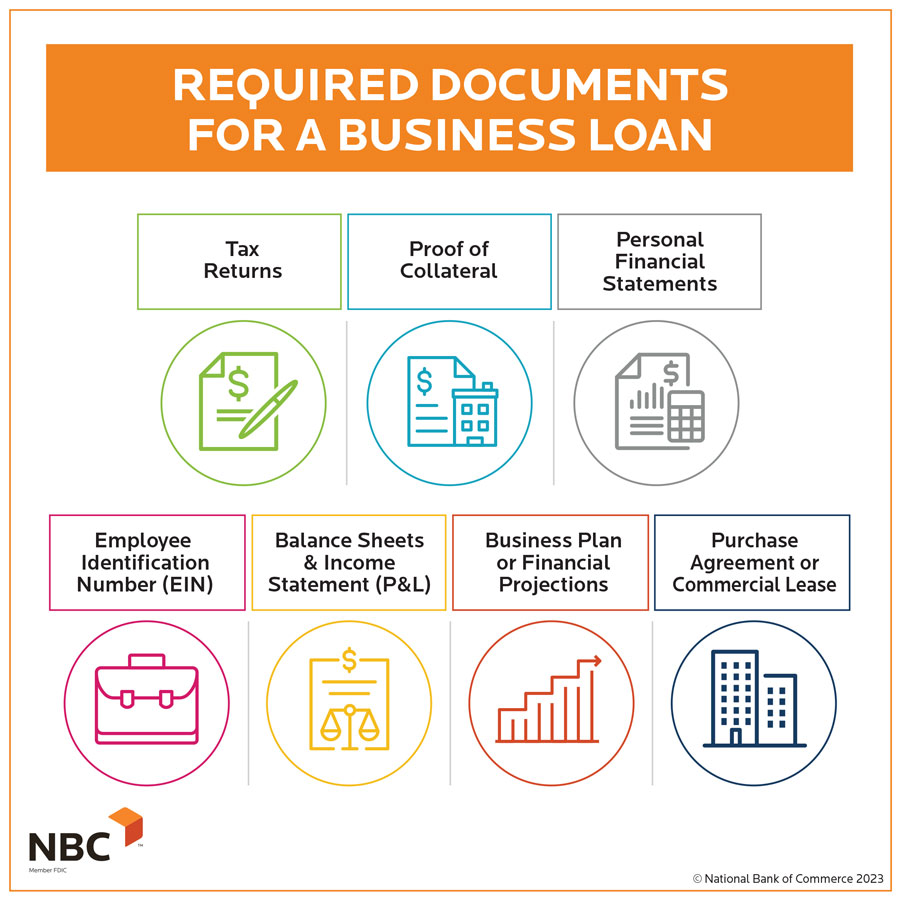
The concept of “skin in the game” is central to commercial lending. Lenders want to know what happens if the business’s primary cash flow isn’t enough to cover the loan.
Secured vs. Unsecured Financing
A secured loan is backed by an asset, such as real estate, equipment, or accounts receivable. If the borrower defaults, the lender has the legal right to seize the collateral to recoup their losses. Because of this security, these loans typically offer lower interest rates and longer repayment terms. Unsecured loans do not require specific collateral but often come with significantly higher interest rates and shorter terms, as the lender is taking on a higher degree of risk.
The Personal Guarantee
For small to mid-sized businesses, a personal guarantee is almost always a requirement. This is a legal agreement stating that the business owner will be personally responsible for the debt if the business fails to pay. This bridges the gap between the corporate entity and the individual, effectively putting the owner’s personal assets—like their home or savings—on the line. While daunting, it is a standard industry practice that demonstrates the owner’s commitment to the success of the venture.
Valuation of Business Assets
If you are using business assets as collateral, the lender will perform a rigorous valuation. Real estate will require an appraisal, and equipment will be valued based on its resale price rather than its purchase price. Accounts receivable are often “discounted”; a lender might only lend against 70% to 80% of the value of your outstanding invoices to account for the possibility that some customers may never pay.
Navigating the Diverse Landscape of Modern Lenders
Not all loans are created equal, and the “requirements” change based on the source of the capital. Choosing the right lender is a matter of matching your business’s profile with the lender’s risk appetite.
Traditional Commercial Banks
Traditional banks offer the most competitive interest rates and the most favorable terms. However, they also have the most stringent requirements. They prefer “A-paper” borrowers with high credit scores, substantial collateral, and years of profitability. The approval process can take several weeks or even months, making them a poor choice for urgent needs but the gold standard for long-term expansion.
SBA-Backed Loans
The Small Business Administration does not lend money directly to business owners. Instead, it guarantees a portion of a loan made by a private lender, reducing the risk for the bank. The SBA 7(a) and 504 programs are highly popular because they allow for lower down payments and longer repayment terms. The trade-off is a heavy amount of “red tape” and a very detailed application process that requires strict adherence to federal guidelines.
Fintech and Alternative Lending Platforms
The rise of financial technology has introduced a new class of lenders that prioritize speed and data over traditional collateral. These lenders often use algorithms to analyze a business’s bank transactions, social media presence, and online sales in real-time. While they can fund a loan in as little as 24 hours, the cost of capital is much higher. These are often used for short-term working capital or by businesses that do not meet the strict criteria of traditional banks.
Strategies to Maximize Approval Probability
Getting a loan is not a passive process; it is a strategic one. Proactive management of your financial profile months before you apply can significantly alter the outcome.
Managing Debt-to-Income Ratios
Before applying, look at your existing debt. If the business is already highly leveraged, a new lender will be hesitant to add more. Paying down existing lines of credit or consolidating high-interest debt can improve your debt-to-income ratio, making your business appear more resilient to economic fluctuations.
Building Professional Relationships
Banking is still a relationship business. A local credit union or community bank officer who understands your local market and your personal history as an entrepreneur may be more willing to look past a minor flaw in an application than a centralized underwriting department at a national bank. Regular communication with a dedicated business banker can provide you with insights into their specific lending criteria before you even submit an application.
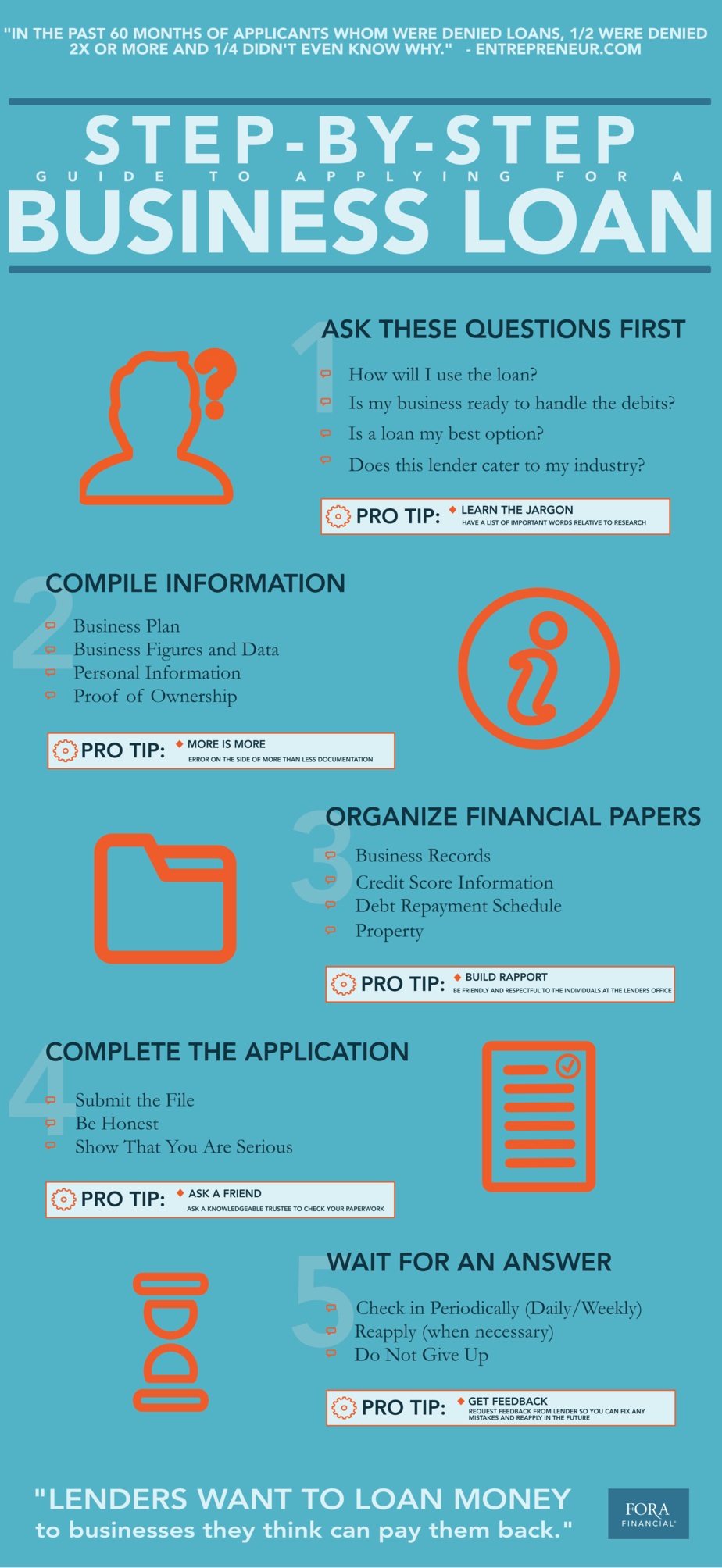
Monitoring the Underwriting Process
Once the application is submitted, stay engaged. Underwriters often have follow-up questions or require additional documentation. Delays in responding to these requests can signal a lack of organization or urgency. By providing clear, prompt, and honest answers, you reinforce the image of a professional, well-managed business that is a safe bet for a loan.
Ultimately, getting a business loan is about proving that your company is a machine capable of turning borrowed capital into greater value. By aligning your credit profile, documentation, and collateral with the expectations of the right lender, you transform the loan process from a hurdle into a strategic tool for long-term financial success.
aViewFromTheCave is a participant in the Amazon Services LLC Associates Program, an affiliate advertising program designed to provide a means for sites to earn advertising fees by advertising and linking to Amazon.com. Amazon, the Amazon logo, AmazonSupply, and the AmazonSupply logo are trademarks of Amazon.com, Inc. or its affiliates. As an Amazon Associate we earn affiliate commissions from qualifying purchases.