
When examining the historical narrative of religious texts, few figures hold as much significance across diverse theological frameworks as Jesus. While many associate him primarily with the New Testament, he occupies a central, revered position within the Quran. For those exploring the intersections of history, belief, and cultural identity, understanding the Quranic portrayal of Jesus—known as Isa—offers a compelling study in how branding a historical figure shifts across different sacred texts to serve unique spiritual and communal purposes.
The Quranic Portrayal of Isa: A Prophetic Identity
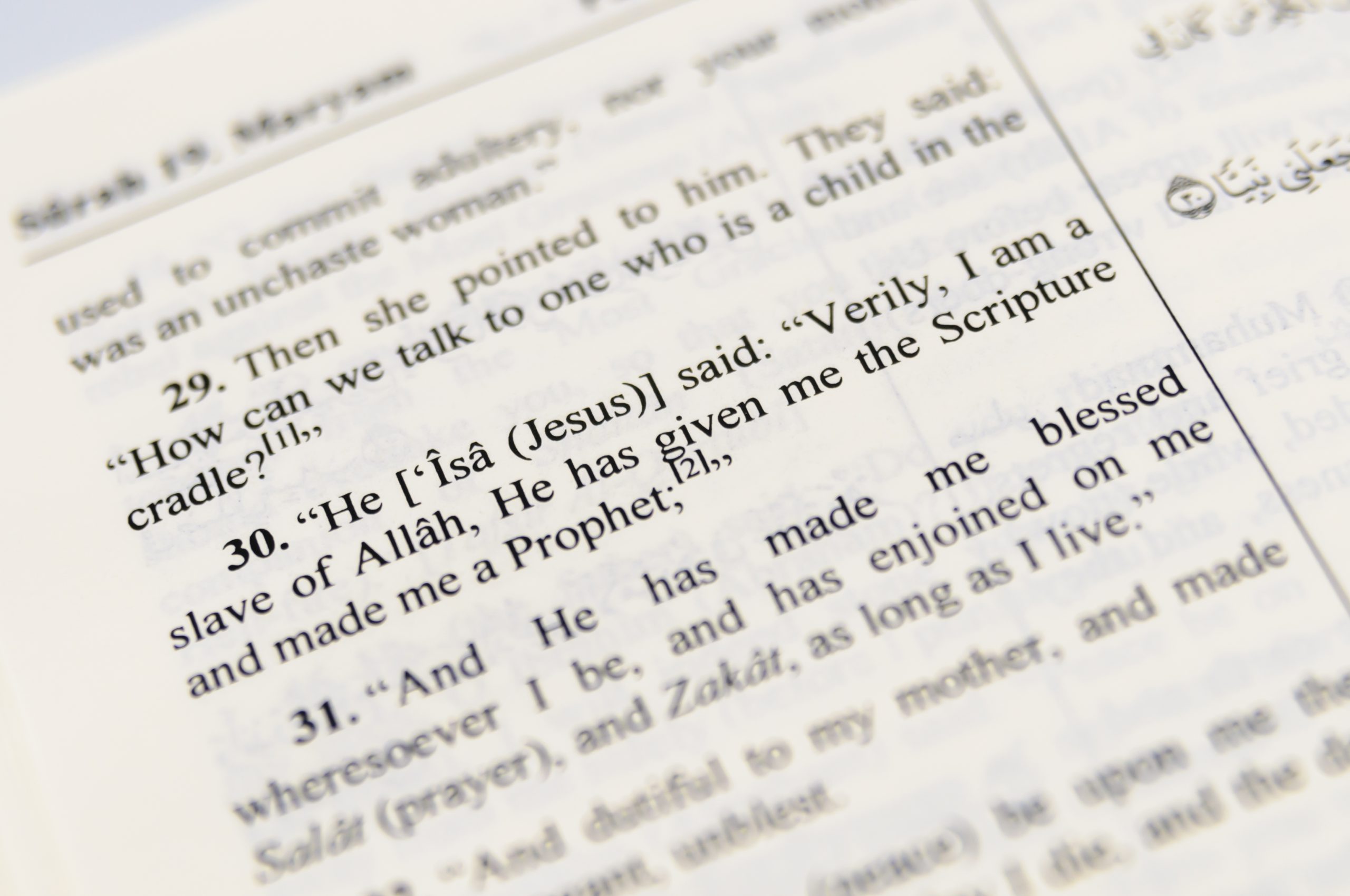
In the Quran, Jesus is not presented as a divine being or the Son of God, but rather as one of the most prominent prophets sent to humanity. The Quranic branding of his identity is deliberate: he is a messenger, a servant, and a sign of divine power. This distinction is crucial to understanding the theological architecture of Islam.
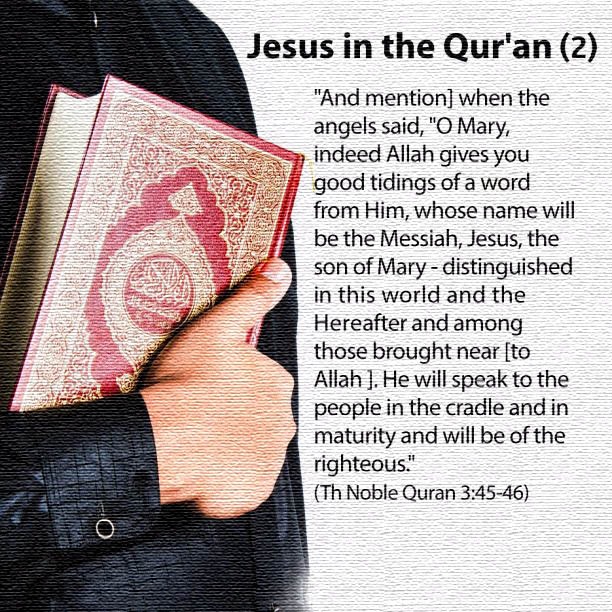
The Miracle of the Virgin Birth
The Quran confirms the virgin birth of Jesus, referring to it as a “sign” for the world. The account found in Surah Maryam details the experience of Mary (Maryam) and the miraculous nature of Jesus’s entrance into the world. By positioning Jesus as being born of a virgin without a father, the Quranic narrative emphasizes his unique status among the prophets. This miracle is framed not as a move toward divinity, but as a demonstration of God’s absolute power to create existence through the command “Be” (Kun).
The Message of Monotheism
The central theme of Jesus’s message in the Quran is Tawhid, or the uncompromising oneness of God. Jesus is depicted as an advocate for the strict monotheism that defines the Islamic faith. He is described as having been given the Injil (the Gospel) as a source of guidance and light. In this framework, Jesus is portrayed as a bridge between the previous prophetic tradition of the Israelites and the ultimate, final message brought by the Prophet Muhammad.
Comparison of Theological Positioning
Understanding how the Quran positions Jesus requires a look at the strategic branding of religious figures. While Christianity focuses on the soteriological role of Jesus—his death and resurrection as a means of salvation—the Quranic focus remains on his role as an exemplar of righteousness and submission to the divine will.
Refuting the Doctrine of Sonship
The Quran explicitly rejects the concept of Jesus being the Son of God. This is perhaps the most significant theological divergence between the two faiths. The Quran argues that God does not “beget,” and therefore, the notion of divine kinship is considered incompatible with the nature of the Creator. This perspective is not framed as a personal attack but as a corrective measure intended to maintain the purity of monotheism.

The Mystery of the Crucifixion
One of the most widely discussed aspects of the Quranic narrative regarding Jesus is the account of his departure from the earth. The Quranic text states that Jesus was not killed, nor was he crucified, but that it was made to appear so to those observing the event. This passage has spurred centuries of theological discourse. From the perspective of the text itself, this serves to protect the honor of the prophet, suggesting that God did not allow his messenger to suffer an ignoble end, but rather “raised him” to Himself.
Jesus in Islamic Eschatology
The role of Jesus extends beyond his earthly life in the Quranic and broader Islamic tradition. He is a pivotal figure in end-times theology, serving as a beacon of hope and a symbol of ultimate truth.
The Second Coming
While the Quranic verses regarding the return of Jesus are more implied than explicitly detailed, the Hadith literature—the recorded traditions of the Prophet Muhammad—fleshes out his role in the future. In this narrative, Jesus is expected to return to Earth, not as a new prophet, but as a follower of the final message. His return is associated with the defeat of injustice and the restoration of truth.
A Unifying Symbol
For followers of Islam, Jesus is a figure of unity. Because he is held in high esteem, he serves as a point of contact for interfaith dialogue. The Quran encourages Muslims to believe in all the prophets, and by honoring Jesus as a beloved servant of God, the faith bridges a historical gap between the Abrahamic traditions. This narrative positioning is essential to the identity of the Muslim community, as it asserts a continuity of divine guidance that flows from the earliest prophets to the final revelation.
Analyzing the Impact of Religious Narrative on Worldview
The way Jesus is presented in the Quran is not merely a collection of facts; it is a profound brand statement. It defines how a person relates to the concept of the “Prophet,” the “Messenger,” and the “Servant.”
The Power of Narrative Consistency
The Quran remains highly consistent in its branding of Jesus. Throughout various surahs, he is consistently linked to Mary, his mother, and his role as a miracle worker is always tied back to the power of God. By keeping this narrative consistent, the text builds a strong, recognizable, and authoritative identity for Jesus that separates it from other contemporary understandings of the figure.
Insights for Contemporary Engagement
For those who analyze this from a sociological or comparative religion standpoint, the Quranic depiction of Jesus offers a masterclass in narrative management. It takes a historical figure already established in a cultural consciousness and re-frames him within a new context to solidify the core tenets of a rising community.
In conclusion, what the Quran says about Jesus is a reflection of its commitment to monotheism, its reverence for the lineage of prophets, and its focus on the submission to God. Whether one approaches this from a perspective of personal faith or academic curiosity, the Quranic Jesus stands as a testament to the enduring power of narrative. He is the miracle-born messenger who stands as a reminder of God’s majesty and a herald of the final, unified truth. By understanding these Quranic themes, one gains deeper insight into the foundational structure of one of the world’s largest religious identities and the specific ways in which it tells the story of one of history’s most influential figures.
aViewFromTheCave is a participant in the Amazon Services LLC Associates Program, an affiliate advertising program designed to provide a means for sites to earn advertising fees by advertising and linking to Amazon.com. Amazon, the Amazon logo, AmazonSupply, and the AmazonSupply logo are trademarks of Amazon.com, Inc. or its affiliates. As an Amazon Associate we earn affiliate commissions from qualifying purchases.