
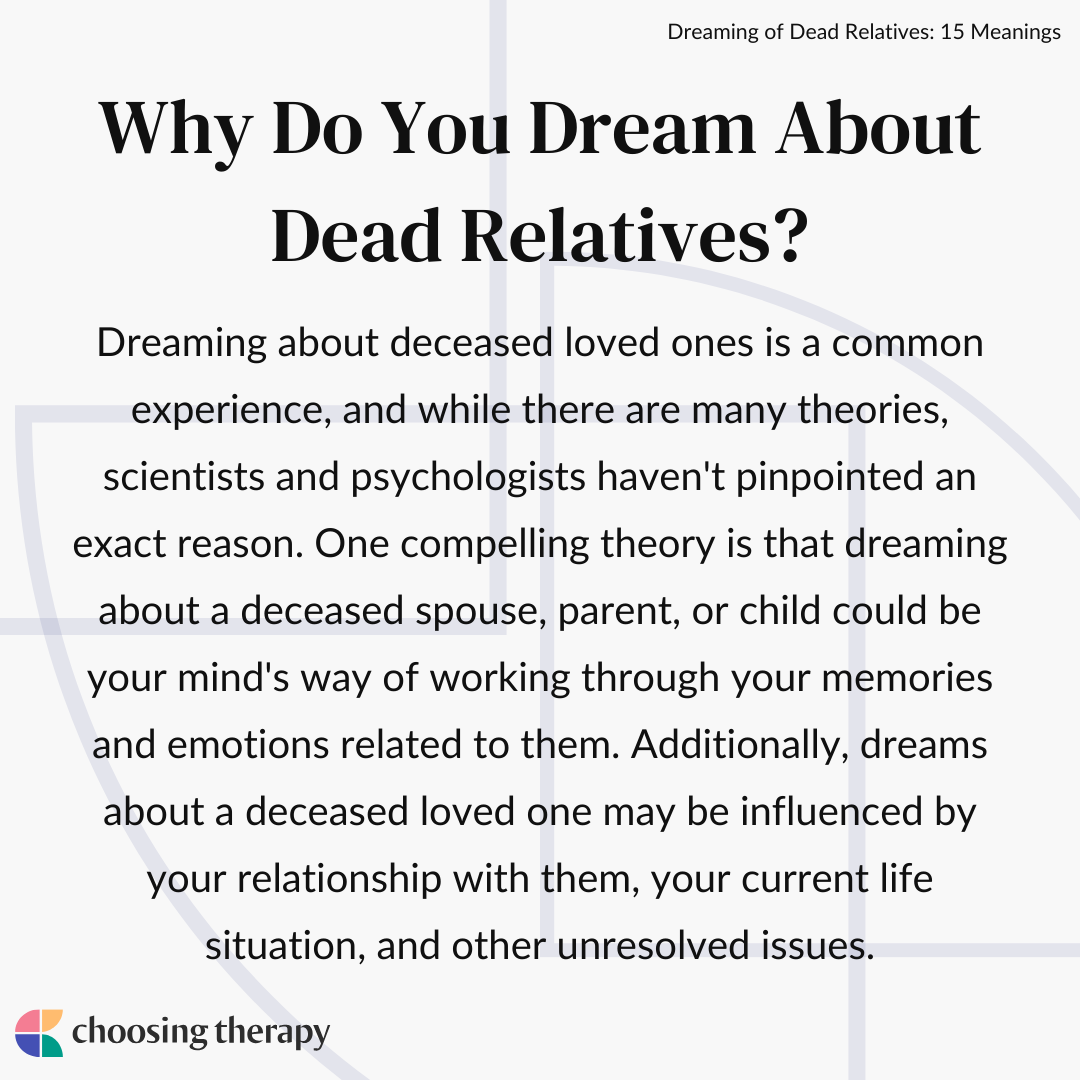
The phenomenon of dreaming about deceased individuals is one of the most poignant and unsettling experiences the human mind can undergo. While psychology and neuroscience offer biological explanations for these nocturnal encounters, they often lack the nuance required to address the lingering emotional resonance these dreams leave behind. To understand what it means when you dream about the dead, we must examine the intersection of memory processing, emotional regulation, and the subconscious mind’s attempt to reconcile the concept of permanence in a world defined by change.
The Cognitive Architecture of Grief and Memory
At a fundamental, physiological level, dreaming is the brain’s mechanism for memory consolidation. During REM (Rapid Eye Movement) sleep, the hippocampus, which handles short-term memory, interacts with the neocortex to organize and store the day’s experiences. However, when we dream about someone who has passed away, the brain is tapping into a more profound, long-term archive.
Neural Replay and Emotional Anchoring
When you dream about someone who is deceased, your brain is often performing an “emotional re-run.” If the person was a significant figure in your life, your brain has complex neural pathways dedicated to them. These pathways remain active long after their passing. Dreaming about them is often the brain’s way of ensuring that these social bonds—even if they are no longer physically actionable—remain intact within your cognitive map. It is a form of maintenance, keeping the “data” of that person accessible in your internal model of reality.
The Role of the Amygdala
The amygdala, the brain’s emotional control center, is highly active during REM sleep. When you dream of the dead, the amygdala often highlights the emotions associated with that person rather than the literal reality of their death. If you feel comforted, anxious, or unresolved in the dream, it is the amygdala processing residual emotional baggage. The dream is rarely a mystical visitation; rather, it is a psychological workspace where the mind attempts to resolve the friction between the reality of the loss and the persistence of the memory.
Psychological Perspectives on Subconscious Processing
Psychology suggests that dreams featuring the deceased are frequently symbolic rather than literal. They often serve as mirrors, reflecting the dreamer’s current state of mind, unresolved conflicts, or even aspects of the dreamer’s own personality that they feel they have “lost” or suppressed.
Projecting Attributes onto the Deceased
In Jungian analysis, the deceased individual in a dream often acts as an archetype. If you dream about a grandparent who was known for their wisdom, your subconscious might be summoning that specific “character” to help you solve a current problem in your waking life. You are not necessarily communicating with the ghost of that grandparent; you are accessing the internal representation of their qualities that you have cultivated within yourself.
The Search for Closure
Dreams about the dead often spike during periods of transition or stress. If you are starting a new job, moving to a new city, or experiencing a major life milestone, your mind may regress to memories of those who provided security or guidance in the past. This is a common defense mechanism. By projecting a deceased loved one into your dreamscape, your mind is attempting to regain a sense of equilibrium or validation during a time of personal instability. It is a manifestation of the desire for external support, even if that support exists only in the form of a memory.

Addressing Unresolved Conflict and Regret
A significant portion of dreams involving the dead center on “unfinished business.” These dreams can be distressing, often involving conversations that never happened, apologies that were never offered, or attempts to fix a fractured relationship.
The Mechanism of Emotional Catharsis
The mind often uses the dream state to simulate scenarios that did not occur in reality. If you regret not saying goodbye or if a relationship was severed by an argument, your brain may construct a “best-case scenario” dream. This is a form of self-soothing. By simulating a dialogue or an embrace, the brain allows you to experience a release of tension that might be physically impossible in the waking world. It is the psyche’s way of performing a sort of cognitive repair to prevent the bitterness of regret from becoming a chronic psychological burden.
Distinguishing Between Grief and Trauma
It is vital to distinguish between a dream that offers solace and one that causes recurrent distress. If dreams about the dead are accompanied by significant daytime impairment or trauma symptoms, they may indicate that the grieving process has become stagnant. In such cases, these dreams are not signs of progress but rather indicators that the psyche is stuck in a loop. Engaging in therapeutic practices, such as journaling or grief counseling, can help move the brain out of this repetitive, loop-like state, allowing the dream content to shift from trauma-based to memory-based.
Why Some Dreams Feel More “Real” Than Others
We have all experienced a dream so vivid that it lingers for days. Dreams about the dead often carry this heightened sense of reality because they are tethered to powerful, high-priority emotional data.
The Priming Effect
If you have been thinking about the person, looking at old photographs, or approaching an anniversary of their death, your brain is “primed” to manifest that person in your dreams. This is known in cognitive science as the “day-residue” effect. Your subconscious is simply reflecting the environmental and emotional stimuli you have fed it throughout the day. When the dream occurs, the intensity of the emotion makes it feel significant, leading us to assign supernatural or prophetic meaning to what is essentially a high-fidelity playback of our own internal focus.
The Integration of Self
Ultimately, dreaming about the dead is a part of the integration of loss into the fabric of the self. Initially, the mind treats the death as an anomaly that must be processed. Over time, as we integrate the loss, the nature of the dreams changes. They often transition from chaotic or desperate encounters to mundane or peaceful ones. This transition indicates that the mind has moved from “active processing” to “acceptance.” The person has moved from being a source of acute pain to a standard part of your internal identity.

Conclusion: Understanding the Language of the Mind
Dreaming about the dead is a universal human experience that serves as a bridge between our current lives and the formative experiences of our past. Whether it is your brain performing complex memory consolidation, your psyche working through unresolved emotional ties, or your subconscious utilizing an archetype to guide you through a difficult decision, these dreams are deeply rooted in the biological and psychological reality of who you are.
By viewing these experiences through the lens of cognitive science and psychological health, we can strip away the fear often associated with them. We can recognize these nocturnal visits for what they are: the mind’s resilient, tireless attempt to keep us whole. When you wake up from a dream about someone who has passed, rather than looking for a prophetic omen, look inward. Ask yourself what part of them, or what lesson they represent, is currently trying to assert itself in your life. You may find that the answers you seek aren’t hidden in a mysterious afterlife, but are waiting to be reclaimed from the depth of your own lived experiences.
aViewFromTheCave is a participant in the Amazon Services LLC Associates Program, an affiliate advertising program designed to provide a means for sites to earn advertising fees by advertising and linking to Amazon.com. Amazon, the Amazon logo, AmazonSupply, and the AmazonSupply logo are trademarks of Amazon.com, Inc. or its affiliates. As an Amazon Associate we earn affiliate commissions from qualifying purchases.