
The evolution of automotive technology has transformed the modern vehicle into a sophisticated ecosystem of sensors, software, and high-performance hardware. However, even the most advanced digital braking systems are still subject to the fundamental laws of thermodynamics and material science. One of the most prevalent technical issues facing high-performance hardware in the automotive sector is the phenomenon known as “glazed brakes.” While it sounds like a cosmetic descriptor, glazing is a specific physical and chemical degradation of the friction material that significantly compromises the technical efficiency of the braking system.
To understand glazed brakes from a technological perspective, one must look beyond the mechanical pedal press and into the material science of friction, the thermal limits of synthetic compounds, and the role of diagnostic software in identifying performance deviations. Glazing represents a failure state where the brake pads or rotors have been subjected to temperatures exceeding their engineered thermal threshold, leading to a structural transformation of the surface.
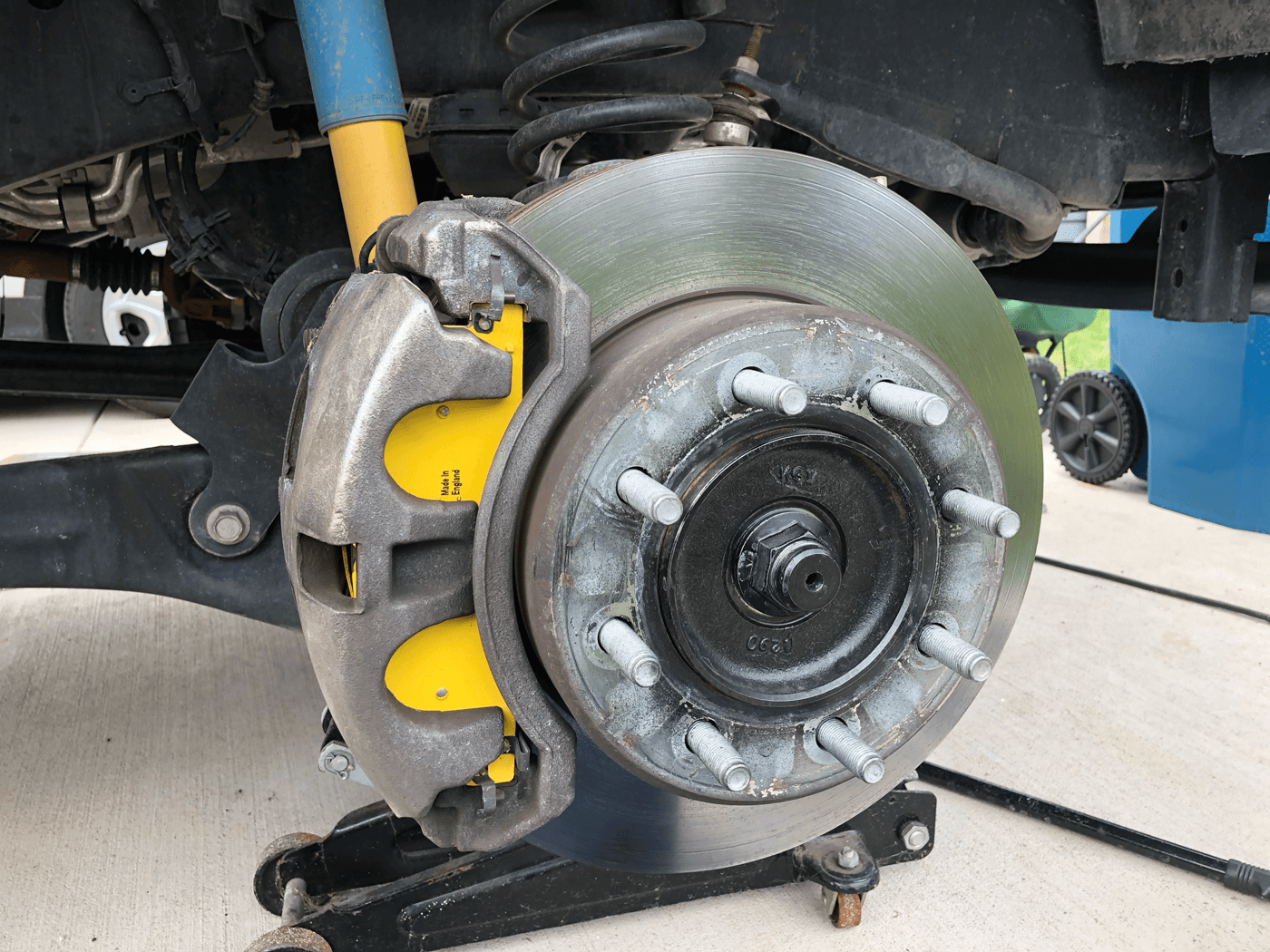
The Material Science of Friction: Why Glazing Occurs
At the core of every modern braking system is a set of friction pads designed with complex material compositions. Depending on the technology used—whether organic, semi-metallic, or ceramic—these pads contain a blend of binders, fillers, and lubricants held together by phenolic resins. Under standard operating conditions, these materials are designed to wear down gradually, providing a consistent coefficient of friction against the rotor.
The Chemical Transformation of Phenolic Resins
Glazing occurs when the heat generated by friction exceeds the dissipation capacity of the hardware. When kinetic energy is converted into thermal energy too rapidly—such as during prolonged high-speed deceleration or “riding” the brakes—the temperature at the contact interface spikes. This extreme heat causes the phenolic resins within the pad material to undergo a chemical process called outgassing. As the resins liquefy and rise to the surface, they eventually harden into a smooth, glass-like coating.
This crystallized layer is significantly harder and smoother than the intended friction material. In the world of engineering, this results in a dramatic reduction in the coefficient of friction. Instead of the “bite” required to convert motion into heat efficiently, the pad simply slides across the rotor surface. This is a technical failure of the material’s structural integrity, rendering the hardware incapable of meeting its performance specifications.
Thermal Transfer and Rotor Scorching
The technology of the brake rotor is also susceptible to glazing. High-carbon steel and cast-iron rotors are engineered to handle high heat, but they are not immune to the transfer of liquefied resins from the pads. When these resins bake onto the rotor surface, they create a mirror-like finish. This not only reduces stopping power but can also lead to uneven heat distribution, eventually causing the rotor to warp or develop “hot spots”—a condition where the metal’s molecular structure changes into cementite, a much harder and more brittle substance.
The Role of Software and Sensors in Detecting Glazed Systems
In the era of the Software-Defined Vehicle (SDV), mechanical issues like glazed brakes are no longer just detected by the driver’s “feel.” Modern vehicles utilize a suite of sensors and Electronic Control Units (ECUs) to monitor the health of the braking hardware. When a brake pad becomes glazed, its performance signature changes, and sophisticated algorithms can flag these anomalies before a total failure occurs.
Telematics and Braking Efficiency Metrics
Advanced telematics systems track the relationship between pedal pressure (input) and deceleration rates (output). If the Braking Control Module (BCM) detects that more hydraulic pressure is required to achieve a standard rate of deceleration, it may trigger a warning light on the digital dashboard. This is a form of predictive maintenance tech. Glazed pads are characterized by “brake fade,” a measurable loss of stopping power during high-heat cycles. Sensors monitor the fluid temperature and the duration of the braking event, utilizing data models to estimate the wear state and the likelihood of crystallization on the pad surface.
Integrated ABS and Stability Control Algorithms
The Anti-lock Braking System (ABS) and Electronic Stability Control (ESC) rely on the consistency of the friction material. When brakes are glazed, the lack of friction can cause the software to misinterpret wheel speed data. Because the glazed surface provides zero “bite,” the wheels may lock up more easily or trigger the ABS prematurely. High-end diagnostic tools can pull “freeze frame” data from the car’s computer, showing exactly how the system reacted during a high-heat event, allowing technicians to verify glazing through data rather than just visual inspection.
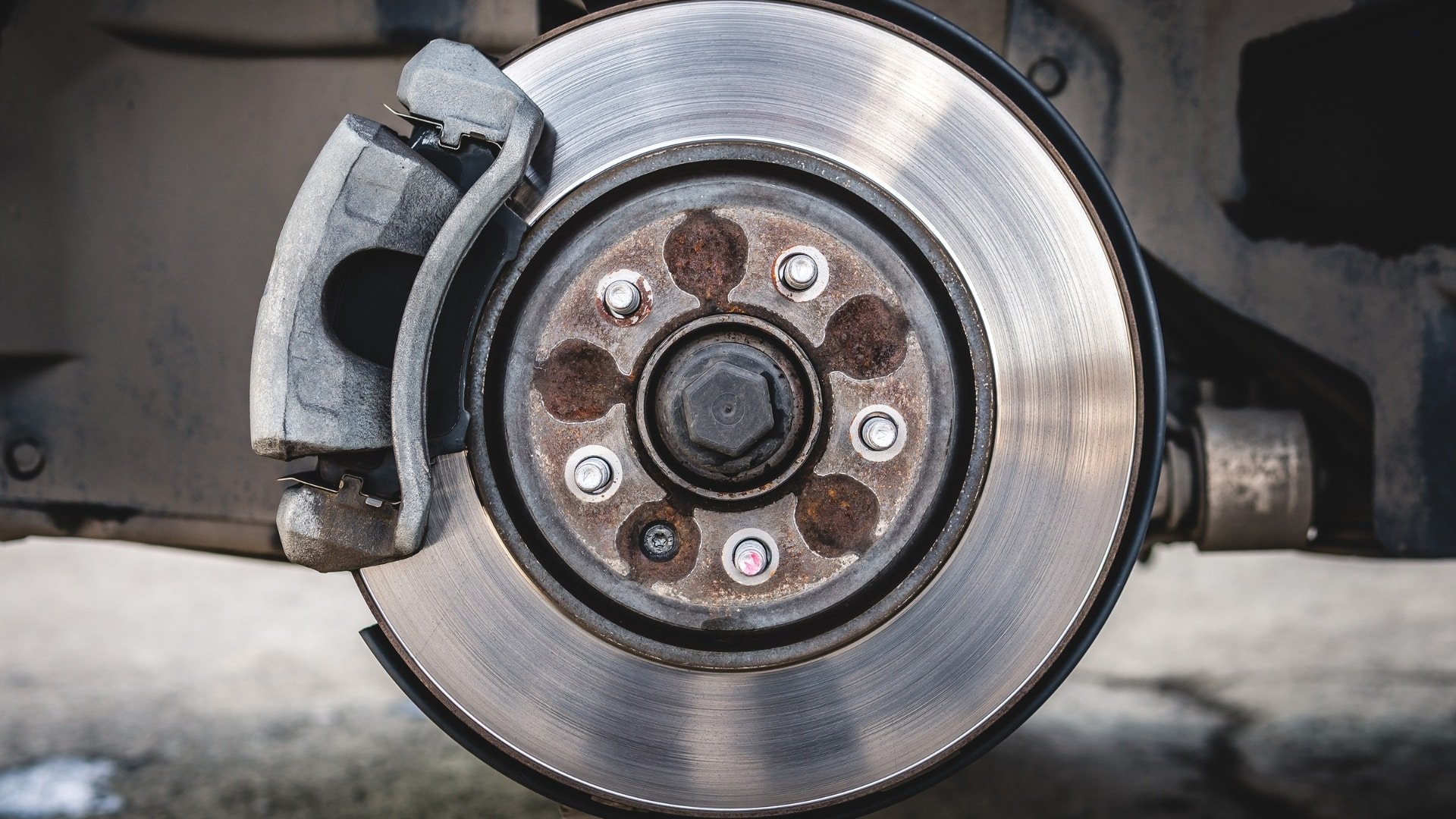
Hardware Engineering Solutions: Preventing Thermal Failure
To combat the technical limitations of traditional friction materials, engineers have developed several hardware-based solutions designed to manage heat more effectively. These advancements aim to prevent the thermal spikes that lead to glazing in the first place.
Ventilated and Cross-Drilled Rotor Tech
The primary defense against glazing is superior thermal management. Modern rotor technology often features internal vanes—essentially a centrifugal pump integrated into the disc—that pull cool air through the center of the rotor to dissipate heat. High-performance “gadgets” in the automotive world, such as cross-drilled or slotted rotors, serve a dual purpose: they provide a path for the escape of the outgassing resins and gases that cause glazing, and they continuously “shave” a tiny layer of the pad to ensure a fresh, high-friction surface is always exposed.
Ceramic and Carbon-Composite Materials
In the high-tech sector of automotive engineering, ceramic and carbon-fiber-reinforced silicon carbide (C/SiC) brakes are the gold standard. Unlike traditional semi-metallic pads, these materials have an incredibly high thermal threshold. They are engineered to operate at temperatures that would instantly glaze a standard organic pad. The technology behind these composites involves a complex manufacturing process where carbon fibers are infiltrated with silicon at extreme temperatures, creating a hardware component that is virtually immune to the resin crystallization that plagues lower-end systems.
Diagnostic Tools and Digital Tutorials: How Tech Identifies the Issue
For the modern enthusiast or technician, identifying glazed brakes involves a mix of physical inspection and digital diagnostics. If you suspect your hardware has failed in this manner, there are several technological avenues to confirm the diagnosis.
Using OBD-II Scanners for Performance Analysis
A professional-grade OBD-II scanner can access the real-time data streams of a vehicle’s braking system. By monitoring the “Brake Pressure Sensor” data alongside “Longitudinal Acceleration” sensors, a user can identify if the hardware is underperforming. If the pressure is at maximum but the G-force of the stop is lower than factory specifications, it is a clear indicator of a friction surface failure, likely caused by glazing.
Mobile Apps and Maintenance Software
There are now several apps and software platforms designed for fleet management and personal vehicle tracking that utilize the phone’s internal accelerometer. These digital tools can perform a “Braking Efficiency Test.” By mounting the phone in the car and performing a controlled stop, the software calculates the stopping distance and compares it against a database of healthy vehicles. A significant deviation often points toward glazed pads, providing a tech-forward way to diagnose a mechanical problem.
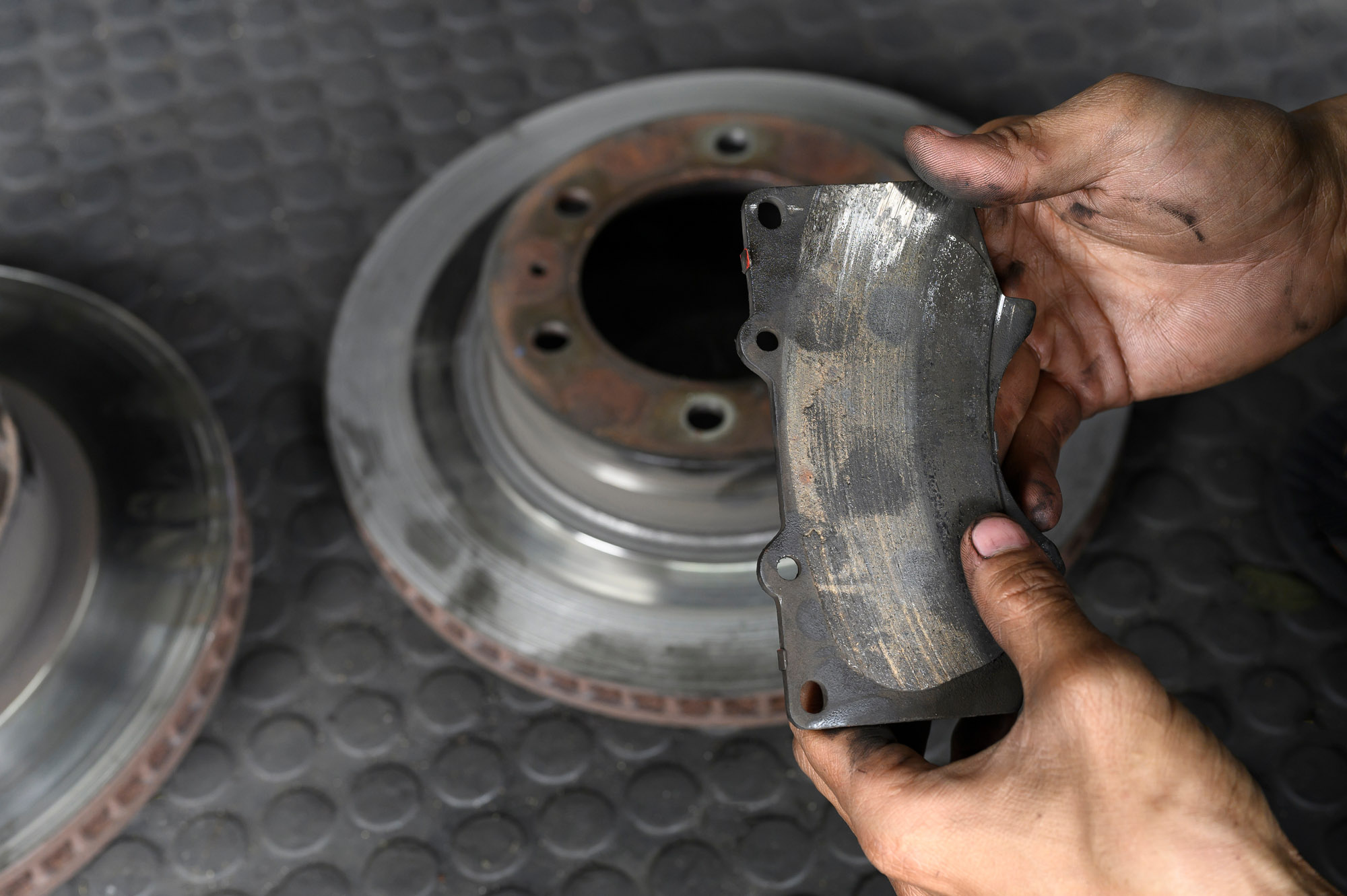
The Future of Braking: Regenerative Tech and Frictionless Systems
As we move toward a future dominated by Electric Vehicles (EVs), the concept of glazed brakes is being further mitigated by regenerative braking technology. In an EV, the electric motor acts as a generator during deceleration, converting kinetic energy back into electrical energy stored in the battery. This “one-pedal driving” tech significantly reduces the reliance on mechanical friction brakes.
By using the motor to slow the vehicle, the mechanical pads and rotors remain cool and are used only for emergency stops or complete halts. This tech-driven approach almost entirely eliminates the risk of glazing because the mechanical hardware is rarely subjected to the extreme thermal cycles that cause resin breakdown. However, this creates a new tech challenge: “under-use corrosion.” Engineers are now developing software-controlled cleaning cycles where the car will occasionally apply the friction brakes lightly to scrub the rotors, ensuring the hardware remains in peak condition without ever reaching the temperatures required for glazing.
In conclusion, “glazed brakes” is a term that describes the intersection of material science failure and thermal mismanagement. Whether through the development of carbon-ceramic hardware, the implementation of predictive diagnostic software, or the shift toward regenerative motor technology, the tech world is constantly innovating to ensure that the critical interface between the pad and the rotor remains effective, safe, and reliable. Understanding the technology behind this phenomenon is essential for anyone looking to maintain high-performance hardware in an increasingly digital automotive landscape.
aViewFromTheCave is a participant in the Amazon Services LLC Associates Program, an affiliate advertising program designed to provide a means for sites to earn advertising fees by advertising and linking to Amazon.com. Amazon, the Amazon logo, AmazonSupply, and the AmazonSupply logo are trademarks of Amazon.com, Inc. or its affiliates. As an Amazon Associate we earn affiliate commissions from qualifying purchases.