
In the modern mobile ecosystem, a smartphone is more than just a communication tool; it is a high-value piece of hardware integrated into global cellular networks. Because these devices are portable, expensive, and easily resold, a sophisticated security infrastructure exists to protect consumers and service providers. Central to this security infrastructure is the concept of “blacklisting.” When a phone is blacklisted, it is essentially barred from accessing cellular services across most, if not all, major network providers. Understanding the mechanics of this process, why it happens, and how to verify a device’s status is essential for anyone participating in the secondary smartphone market or managing their own digital security.
Understanding the Mechanics of the IMEI Blacklist
To understand blacklisting, one must first understand the International Mobile Equipment Identity, or IMEI. Every mobile device—whether it is an iPhone, a Samsung Galaxy, or a Google Pixel—is assigned a unique 15-digit serial number during manufacturing. This number acts as a digital fingerprint for the hardware itself, independent of the SIM card or the user’s account. While a SIM card identifies the subscriber, the IMEI identifies the physical handset.
The Role of the GSMA Central Registry
The “blacklist” is not a single document held by one company. Instead, it is a shared global database managed largely by the GSMA (Global System for Mobile Communications Association). This database, often referred to as the IMEI Database or the Central Equipment Identity Register (CEIR), allows mobile network operators (MNOs) to share information about devices that should not be allowed to connect to their towers.
When a carrier adds an IMEI to this list, the information is broadcast to other participating carriers. If a device attempts to ping a cell tower to initiate a call or data session, the network checks the device’s IMEI against the blacklist. If a match is found, the network rejects the connection request. This system was designed to deter theft; if a stolen phone cannot be used on any network, its street value plummets.
National vs. International Blacklisting
While the GSMA registry is global, the effectiveness of a blacklist can vary by region. In many countries, there is a unified national database. For example, in the United States, major carriers like Verizon, AT&T, and T-Mobile share blacklisting data. If a phone is reported stolen on one, it will eventually be blocked on the others. However, historically, some devices blacklisted in one country could still function if taken to a different continent where the carriers did not synchronize their databases in real-time. This gap is closing as more international regulators and carriers opt into the GSMA’s centralized system to combat the global trade of stolen electronics.
Common Reasons for a Device Being Blacklisted
A phone does not end up on a blacklist by accident. It requires a specific report from an authorized party—usually the owner of the device or the service provider—to trigger the status change. There are three primary scenarios that lead to a device being flagged.
Reported Lost or Stolen
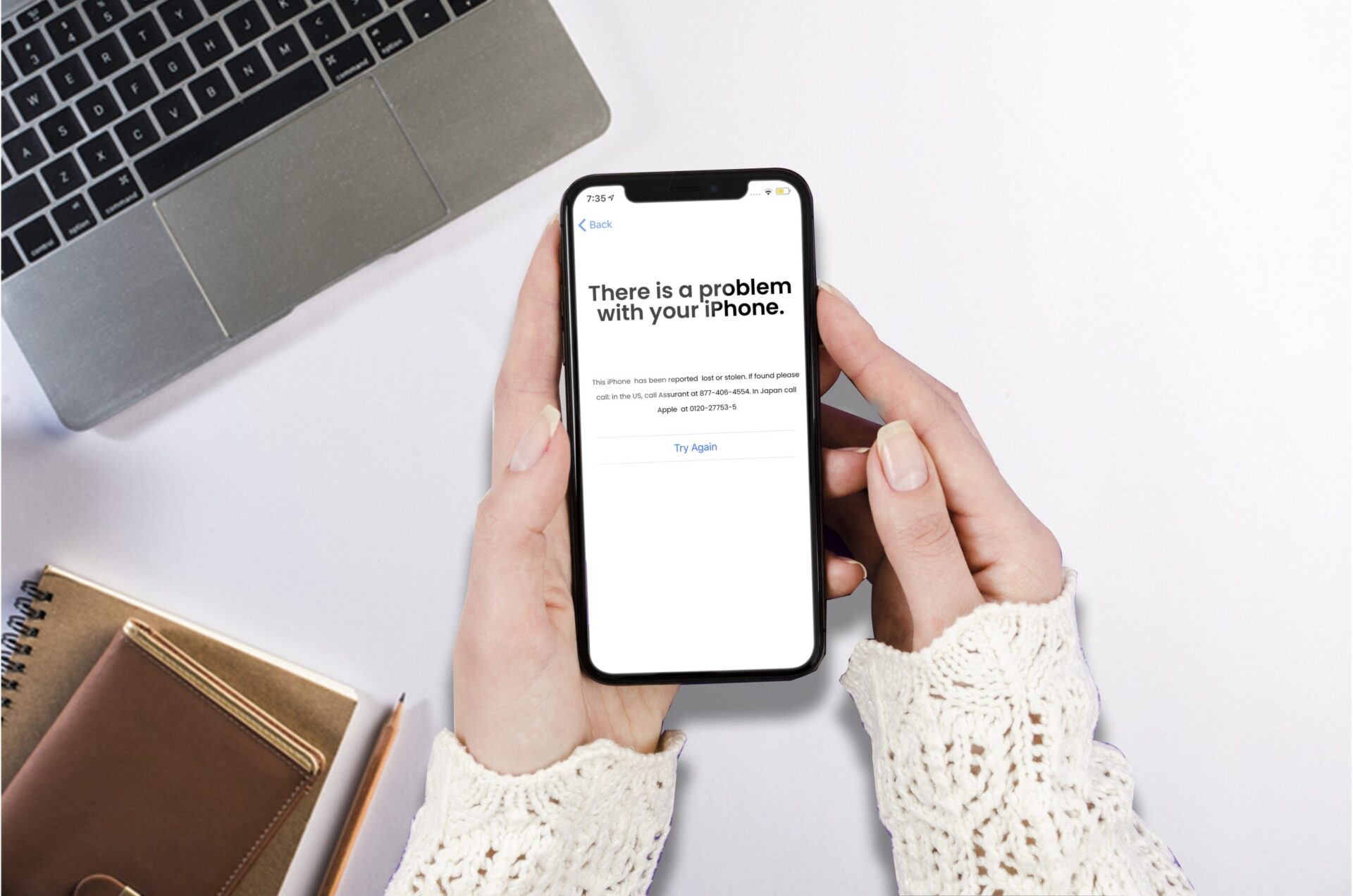
The most frequent reason for blacklisting is theft. When a user loses their phone or has it stolen, their first call is typically to their service provider. Once the owner provides proof of identity and confirms the loss, the carrier flags the IMEI as “stolen.” This immediately renders the device useless for traditional cellular functions. This mechanism is a cornerstone of digital security, as it prevents unauthorized individuals from benefiting from the physical theft of hardware.
Unpaid Contracts and Financial Delinquency
In the current smartphone market, many consumers do not pay the full retail price of a device upfront. Instead, they enter into Equipment Instalment Plans (EIP) or lease agreements. The phone remains the “collateral” for that loan. If a user stops making payments on their monthly bill or terminates their contract without paying off the remaining balance of the device, the carrier may blacklist the phone. In the industry, this is sometimes referred to as a “bad EID” or a “financial blacklist.” While the phone might not be “stolen” in the traditional sense, the carrier uses the blacklist to prevent the user (or anyone they sell the phone to) from using the hardware until the debt is settled.
Insurance Fraud and Scams
A more complex reason for blacklisting involves insurance fraud. In this scenario, a person might sell their functional phone to an unsuspecting buyer on a secondary marketplace. A few days later, the original seller files a “lost or stolen” claim with their insurance provider to receive a replacement device. Once the insurance claim is processed, the original phone’s IMEI is blacklisted. This leaves the buyer with a non-functional device and the seller with both the cash from the sale and a new replacement phone.
How to Check if a Phone is Blacklisted
For consumers purchasing used devices from third-party marketplaces, verifying the blacklist status is the single most important step in the transaction. Because a blacklisted phone looks identical to a clean one and may even power on and connect to Wi-Fi normally, the status is not immediately apparent.
Using Built-in Device Settings
To check the status, you must first obtain the IMEI. On most smartphones, this can be done by dialing *#06# on the keypad; the number will automatically pop up on the screen. Alternatively, on an iPhone, it can be found under Settings > General > About. On Android devices, it is typically located under Settings > About Phone > Status (though the exact path may vary by manufacturer).
Online IMEI Checkers and Professional Databases
Once the IMEI is in hand, you can use various online tools to check its status. Many carriers provide a free “Bring Your Own Device” (BYOD) check tool on their websites. By entering the IMEI into these portals, the system will tell you if the device is compatible and eligible to be activated. If it is blacklisted, the system will usually return an error stating the device cannot be activated.
There are also independent services like Swappa’s IMEI Check or the CTIA’s “Stolen Phone Checker.” These tools pull data from the GSMA database to provide a “Clean” or “Blacklisted” report. It is important to note that there can be a delay between a phone being reported stolen and the database updating, so a “clean” result is not a 100% guarantee if the transaction feels suspicious.
The Impact of Blacklisting on Device Functionality
A blacklisted status significantly alters how a device interacts with the world. It is a common misconception that a blacklisted phone is completely “bricked” and won’t turn on. In reality, the restrictions are specific to cellular communication.
Connectivity and Network Restrictions
The primary impact is the loss of cellular capabilities. A blacklisted phone cannot make or receive phone calls, send or receive SMS messages, or use cellular data (4G/5G). When a SIM card is inserted, the phone may show “No Service” or “Searching,” or it may even show signal bars but fail to initiate any data transfer. However, Wi-Fi functionality remains completely intact. A user can still connect to home networks, use apps that rely on internet connectivity, and use VoIP services like WhatsApp or iMessage (via Wi-Fi).
Resale Value and Legality
From a market perspective, a blacklisted phone loses approximately 75% to 90% of its value. Most reputable trade-in programs, such as those run by Apple, Best Buy, or major carriers, will not accept a blacklisted device. Selling a blacklisted device without disclosing its status is considered a fraudulent practice and, in many jurisdictions, selling a device reported as stolen is a criminal offense. These devices are often relegated to being sold “for parts,” where the screen, battery, and internal components are harvested to repair other units.
Can a Blacklisted Phone be Fixed or Unlocked?
The question of whether a blacklist can be “removed” is a frequent query in tech forums. The answer depends entirely on the reason for the blacklist and the persistence of the individual holding the device.
Legitimate Removal of a Blacklist
Only the entity that placed the device on the blacklist can remove it. If a phone was blacklisted due to a reported loss and the original owner subsequently finds it, they can contact their carrier, provide proof of ownership, and request that the IMEI be whitelisted. Similarly, if a device was blacklisted for unpaid bills, the carrier will usually remove the restriction once the outstanding balance is paid in full. This is a straightforward process but requires the cooperation of the original account holder.
The Risks of Third-Party “Unblocking” Services
The internet is rife with services claiming they can “clean” a blacklisted IMEI for a fee. Consumers should approach these with extreme caution. Many of these services are scams designed to steal money from desperate buyers. Others use “IMEI repair” or “IMEI masking” techniques that involve changing the device’s hardware ID to a different, clean number. This practice is illegal in many countries, including the United States and the United Kingdom, as it interferes with law enforcement’s ability to track stolen property. Furthermore, these “hacks” are often patched by software updates, leaving the device blacklisted once again.
Protecting Yourself as a Buyer
To avoid the complications of a blacklisted phone, buyers should always perform a physical inspection and an IMEI check before handing over money. When buying online, platforms that offer buyer protection and require IMEI verification (like Swappa) are significantly safer than anonymous marketplaces. If a deal seems too good to be true—such as a current-generation flagship phone being sold for half its market price—the device is likely either blacklisted or destined to be blacklisted shortly after the sale via an insurance scam. In the world of mobile technology, the IMEI is the ultimate arbiter of a device’s legitimacy and utility.
aViewFromTheCave is a participant in the Amazon Services LLC Associates Program, an affiliate advertising program designed to provide a means for sites to earn advertising fees by advertising and linking to Amazon.com. Amazon, the Amazon logo, AmazonSupply, and the AmazonSupply logo are trademarks of Amazon.com, Inc. or its affiliates. As an Amazon Associate we earn affiliate commissions from qualifying purchases.