
In our hyper-connected world, sending and receiving messages is as commonplace as breathing. From urgent work communications to heartfelt personal exchanges, the ability to instantly transmit our thoughts and ideas across distances is a cornerstone of modern life. Yet, amidst this seamless flow of information, a frustrating anomaly can occur: a message that simply isn’t delivered. This seemingly minor hiccup can send ripples of concern, confusion, and even panic, especially when the stakes are high. Understanding why a message might fail to reach its intended recipient is not just about troubleshooting a technical glitch; it’s about grasping the intricate mechanisms of digital communication, the potential pitfalls that can arise, and the broader implications for our personal and professional lives.
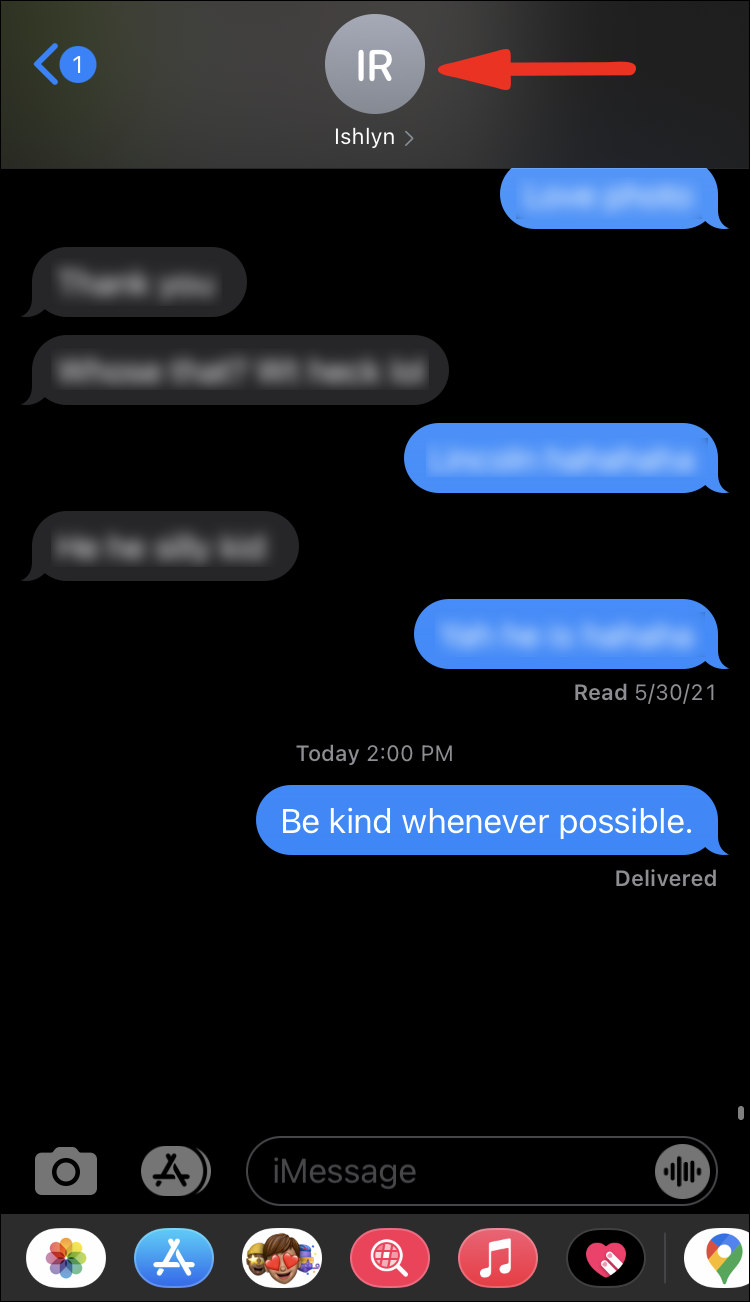
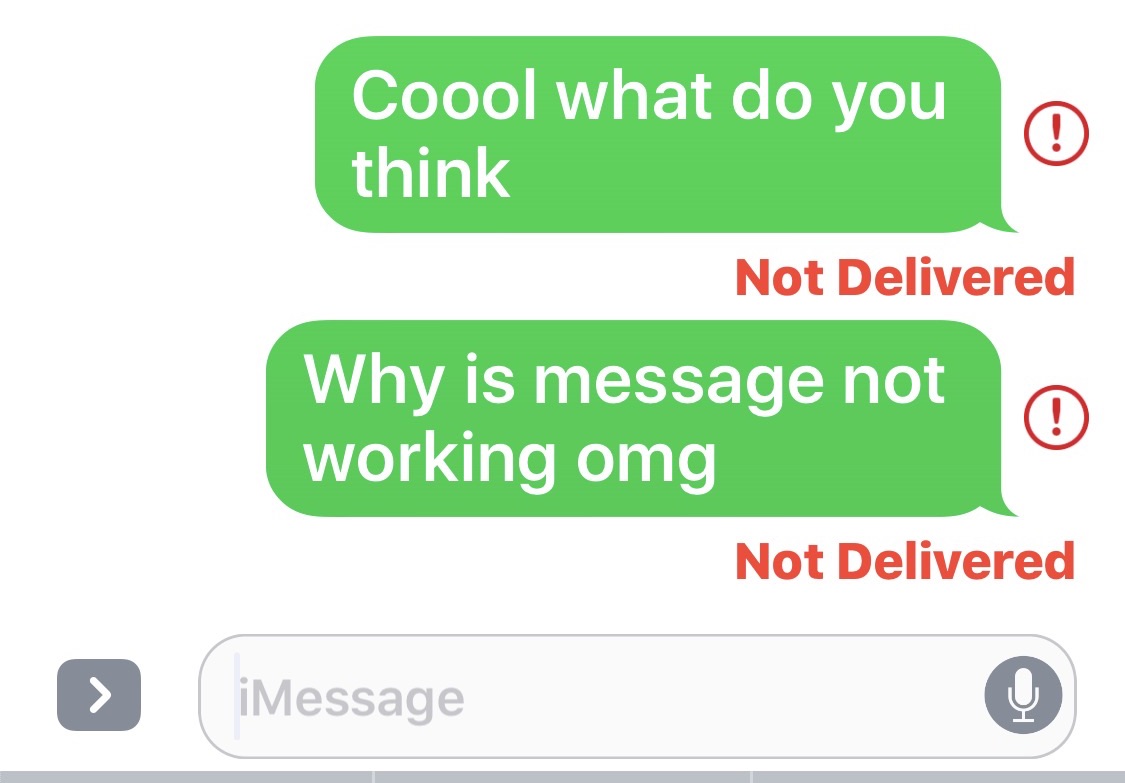
When we talk about a “delivered” message, we’re usually referring to a successful transmission from the sender’s device, through various networks and servers, to the recipient’s device, and ideally, appearing in their inbox, chat window, or notification feed. A “not delivered” status signifies a breakdown somewhere along this complex chain. The meaning behind this failure can range from a simple, easily rectifiable error to a more significant issue that might require deeper investigation. It’s a prompt to pause and consider the underlying technology, the security protocols, and even the human elements that contribute to our digital conversations.
Understanding the Technical Underpinnings of Message Delivery
The journey of a message from sender to receiver is a marvel of modern engineering, relying on a robust infrastructure of hardware, software, and protocols. When this journey is interrupted, it’s often due to a breakdown in one or more of these critical components. Examining these technical aspects provides a foundational understanding of why delivery failures occur.
Network Connectivity: The Invisible Highway
At its most fundamental level, message delivery is dependent on network connectivity. Both the sender and the recipient need a stable and functional internet connection for the message to travel. This can involve various types of networks, including Wi-Fi, cellular data, and wired Ethernet.
- Sender’s End: If the sender is experiencing a weak or intermittent internet signal, their device might struggle to upload the message to the outgoing server. This can manifest as a message appearing to be sent but never actually leaving the device, or it might show a “sending failed” or “not delivered” error almost immediately. The issue could stem from a router problem, an issue with their Internet Service Provider (ISP), or even a temporary outage in their local area.
- Recipient’s End: Conversely, if the recipient’s device is offline, has a poor connection, or their device is in airplane mode, the message may reach the server but will be held in a queue until the recipient comes back online. In some messaging applications, this can lead to a “pending” status for an extended period, which can be misinterpreted as “not delivered” if the user doesn’t wait long enough or isn’t aware of the pending status. The problem could also be with the recipient’s network, such as an issue with their Wi-Fi or cellular provider.
Server-Side Issues: The Gatekeepers of Information
Messaging services, whether they are email providers, instant messaging apps, or social media platforms, rely on servers to manage the flow of messages. These servers act as central hubs, receiving messages from senders and routing them to recipients.
- Overload and Maintenance: Servers can experience periods of high traffic, leading to slowdowns or even temporary unresponsiveness. This can cause messages to be delayed or, in rare cases, lost. Similarly, scheduled maintenance or unexpected outages on the server-side can disrupt message delivery for all users of that service. For instance, a widespread outage with a popular email provider can leave thousands of users unable to send or receive emails, with messages either stuck in their outbox or bouncing back with an error.
- Configuration Errors: Sometimes, misconfigurations on the server-side, especially in corporate or enterprise environments, can lead to incorrect routing or blocking of messages. This might happen after system updates or changes to security policies.
Application-Specific Glitches: The Software’s Moods
The applications we use to send messages – be it a smartphone messaging app, an email client, or a web-based platform – are complex pieces of software. Like any software, they can encounter bugs or glitches that affect their functionality.
- App Updates and Compatibility: An outdated version of a messaging app might not be compatible with the latest server-side changes, leading to delivery issues. Similarly, if the server has updated its protocols and the app hasn’t caught up, communication can break down.
- Cache and Data Corruption: Sometimes, issues with an app’s local cache or corrupted data can interfere with its ability to send or receive messages correctly. Clearing the app’s cache or reinstalling it can often resolve these problems.
Beyond the Technical: Security and Account-Related Challenges
While technical glitches are a common culprit, the reasons a message isn’t delivered can extend into the realms of digital security and account management. These factors often involve deliberate actions or configurations designed to protect users or manage access.
Security Measures and Spam Filters: The Digital Bouncers
To protect users from malicious content and unwanted messages, messaging systems employ sophisticated security measures, including spam filters, malware scanners, and blocklists. These systems, while essential, can sometimes be overly zealous and mistakenly flag legitimate messages.
- Spam and Junk Folders: A message might be “delivered” to the recipient’s server but then automatically filtered into their spam or junk folder, effectively making it “not received” by the user. This is particularly common with emails. The sender might receive a bounce-back notification, or the recipient might simply never see the message.
- Firewall and Antivirus Interference: On both the sender’s and recipient’s devices, personal firewalls and antivirus software can sometimes block outgoing or incoming messages if they are perceived as a threat. This is more likely to happen with less common or unconventional communication methods, but it can occur with standard email and messaging as well.
- Recipient’s Blocklist: The recipient may have proactively blocked the sender’s contact information or email address. In this scenario, the message is sent by the sender but is prevented from reaching the recipient’s inbox by the messaging service based on the recipient’s explicit instruction. This is a deliberate act by the recipient and means the message is not delivered to their active communication channels.
Account Status and Permissions: Locked Doors and Expired Passes
The status of a user’s account and the permissions associated with it play a crucial role in message delivery. Issues here can prevent messages from being sent or received altogether.
- Full Mailbox or Storage Limits: For email services, if a recipient’s inbox is full or they have exceeded their storage limit, new incoming messages will typically bounce back to the sender with a notification indicating that the mailbox is full. This means the message was not successfully delivered.
- Suspended or Deactivated Accounts: If a sender’s account is suspended or deactivated due to violations of terms of service or payment issues, they may be unable to send any new messages. Similarly, if a recipient’s account is deactivated, messages sent to them will not be delivered.
- Permissions and Access Control (Corporate Environments): In organizations, administrators can set up strict rules about who can send messages to whom, and which types of content are allowed. If a sender lacks the necessary permissions, or if the message content violates company policy, it might be blocked, leading to a “not delivered” status. This is a critical aspect of corporate digital security and brand reputation management.
The Broader Implications: Impact on Communication, Brand, and Personal Finance
The failure of a message to be delivered, while often a technical or security-related issue, can have significant ripple effects that extend beyond the immediate communication breakdown. These impacts can touch upon our professional lives, the integrity of our brands, and even our financial well-being.
Impact on Personal and Professional Communication: Lost Opportunities and Damaged Relationships
In the fast-paced world of business and personal relationships, timely communication is paramount. A “not delivered” message can disrupt workflows, cause missed opportunities, and erode trust.
- Missed Deadlines and Opportunities: For professionals, failing to deliver a crucial proposal, a time-sensitive update, or an important client communication can lead to missed deadlines, lost business, and damaged professional standing. The perception of unreliability can be detrimental to career progression.
- Strained Relationships: In personal life, a message that doesn’t arrive could be a missed invitation, an unacknowledged concern, or a delayed expression of affection. This can lead to misunderstandings, feelings of being ignored, and a strain on relationships. The sender might assume the recipient is intentionally ignoring them, leading to unnecessary conflict.
Brand Reputation and Digital Security: The Silent Erosion of Trust
For businesses and individuals who rely on their online presence and communication channels, message delivery failures can silently erode brand reputation and highlight potential digital security vulnerabilities.
- Customer Service Failures: If a customer sends a support request that is never delivered, or if a critical update about a service outage fails to reach users, it reflects poorly on the company’s customer service and reliability. This can lead to negative reviews, social media complaints, and a loss of customer trust.
- Inconsistent Brand Messaging: When marketing campaigns rely on timely email blasts or social media notifications, undelivered messages mean that the intended brand message isn’t reaching its audience. This can lead to inconsistent brand exposure and a diluted marketing impact. Furthermore, if a company’s systems are prone to delivery failures, it can suggest a lack of technical competence, potentially impacting perceived digital security.
- Data Breach Concerns: While not a direct cause, a persistent pattern of message delivery issues could, in some complex scenarios, raise questions about the robustness of a company’s IT infrastructure. This could inadvertently lead to concerns about how other sensitive data is being handled.
Financial Implications: Direct and Indirect Costs
The failure of messages can also have direct and indirect financial consequences, impacting both individuals and businesses.
- Lost Revenue: For businesses, undelivered sales pitches, invoices, or critical order confirmations can directly translate into lost revenue and missed sales opportunities.
- Cost of Redundant Communication: To mitigate the risk of undelivered messages, individuals and businesses often resort to sending messages through multiple channels. This can be time-consuming and inefficient, incurring indirect costs in terms of labor and resources. For example, following up a critical email with a phone call adds to the communication overhead.
- Financial Transaction Failures: In online banking and e-commerce, the successful delivery of transaction confirmations, payment requests, and account alerts is crucial. A failure in these messages can lead to financial disputes, delayed payments, and potential fraud if notifications are not received.
In conclusion, the seemingly simple event of a message not being delivered is a complex phenomenon with a multitude of potential causes. From the fundamental principles of network connectivity to the intricate workings of server infrastructure, the intricacies of software applications, and the ever-present considerations of digital security and account management, each element plays a vital role. Recognizing these factors is not merely a technical exercise; it’s an essential part of navigating our interconnected digital lives, safeguarding our personal and professional relationships, protecting our brands, and ensuring the smooth functioning of our financial interactions. When a message fails to arrive, it’s a signal to investigate, understand, and ultimately, to ensure our digital conversations flow as intended.
aViewFromTheCave is a participant in the Amazon Services LLC Associates Program, an affiliate advertising program designed to provide a means for sites to earn advertising fees by advertising and linking to Amazon.com. Amazon, the Amazon logo, AmazonSupply, and the AmazonSupply logo are trademarks of Amazon.com, Inc. or its affiliates. As an Amazon Associate we earn affiliate commissions from qualifying purchases.