
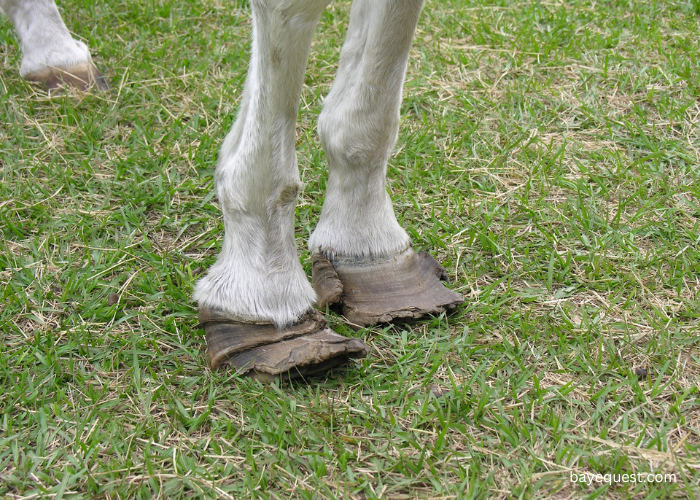
When an equine professional, or indeed any horse owner, speaks of a horse “foundering,” they are referring to a debilitating and often agonizing condition known as laminitis. This medical term describes the inflammation of the laminae – the delicate, interdigitating tissues within the hoof that connect the coffin bone (P3) to the hoof wall. When these laminae become inflamed, they can weaken, separate, and in severe cases, allow the coffin bone to rotate or sink within the hoof capsule, causing immense pain, lameness, and potentially permanent damage. Founder is not merely a common ailment; it is a complex challenge that ripples through the entire equine world, affecting horse welfare, owner finances, and the very operational strategies of equestrian businesses. In the 21st century, understanding founder requires looking beyond the veterinary textbook and into the interconnected domains of technology, brand management, and astute financial planning, transforming how we prevent, treat, and live with this pervasive condition.
The Medical Reality of Founder: A Crippling Challenge
At its core, founder is a medical emergency that demands immediate attention. It can affect any horse, pony, or donkey, regardless of age or breed, although certain types are predisposed. The implications for the animal’s quality of life and future utility are profound, making early detection and comprehensive management paramount.
Understanding the Equine Hoof and Laminitis
The equine hoof is an intricate marvel of biomechanical engineering, designed to support immense weight and withstand significant forces. The laminae, both dermal (living tissue) and epidermal (inner hoof wall), interlock like Velcro, creating a strong suspension system for the coffin bone within the protective hoof capsule. When this delicate balance is disrupted, inflammation sets in, leading to laminitis.
The causes of founder are multifaceted. Perhaps the most commonly understood trigger is dietary, specifically an overload of non-structural carbohydrates (sugars and starches) found in lush pastures or grain-heavy diets. This can lead to digestive upset, releasing toxins that enter the bloodstream and trigger inflammatory responses in the hooves. Other metabolic conditions, such as Equine Metabolic Syndrome (EMS) and Pituitary Pars Intermedia Dysfunction (PPID, also known as Cushing’s disease), significantly increase a horse’s susceptibility due to insulin dysregulation. Mechanical founder can result from excessive concussion, such as prolonged work on hard surfaces, or from supporting limb laminitis, where a horse shifts weight to a sound limb for extended periods due to injury on the opposite side. Stress, severe systemic illness (like colic or retained placenta), and even certain medications can also be culprits.
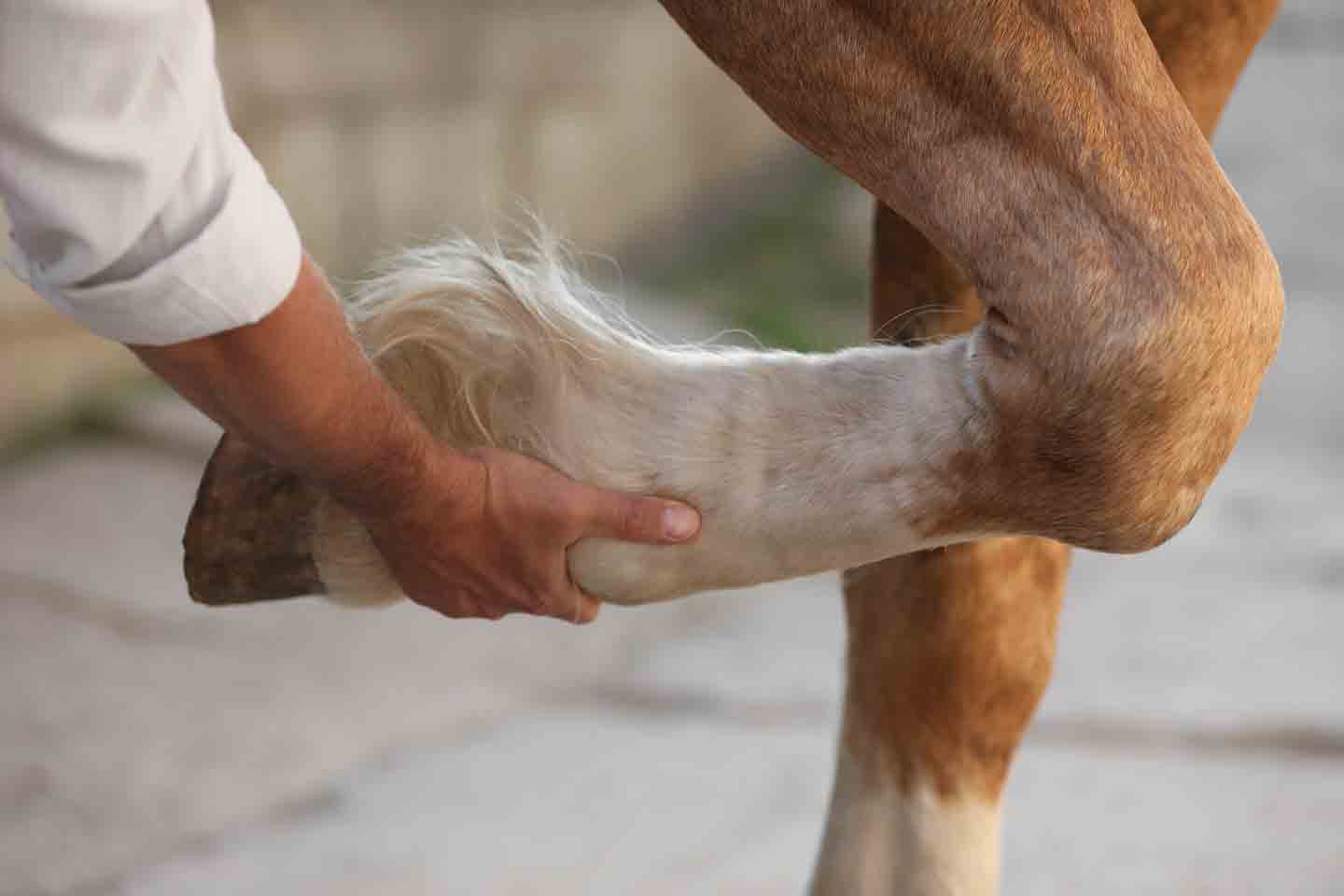
Symptoms of founder can range from subtle to excruciating. A horse with acute laminitis may exhibit a characteristic “sawhorse” stance, rocking back on its heels to alleviate pressure on the painful toes. Reluctance to move, shifting weight, lameness (often worse on hard surfaces or when turning), increased digital pulses (felt at the back of the pastern), and warm hooves are all tell-tale signs. Diagnosis typically involves a thorough physical exam, hoof testers to pinpoint sensitive areas, and crucially, X-rays to assess the degree of coffin bone rotation or sinking within the hoof capsule. These images are vital for guiding treatment and predicting prognosis.
Traditional Approaches to Management
Historically, managing founder has relied on a combination of pain relief, stall rest, and meticulous hoof care. Anti-inflammatory medications are administered to alleviate pain and reduce swelling. Strict dietary management, often involving soaked hay to reduce sugar content and a low-starch feed, is implemented to address metabolic triggers. Specific therapeutic farriery, such as applying special shoes, pads, or trimming techniques, aims to redistribute weight, reduce pressure on the sensitive laminae, and support the coffin bone. The collaboration between veterinarian and farrier is non-negotiable, with regular communication and shared decision-making being key to achieving the best possible outcome. While these traditional methods remain foundational, the complexities of founder—and the escalating costs and emotional toll it inflicts—have driven a search for more advanced, data-driven, and preventative strategies, often found at the intersection of equine care and modern technology.
Tech Solutions Revolutionizing Founder Prevention and Treatment
The digital age has brought unprecedented advancements to nearly every industry, and equine health is no exception. Technology is increasingly playing a transformative role in how we understand, prevent, diagnose, and treat founder, offering new tools that promise earlier detection, more targeted interventions, and ultimately, better outcomes for horses.
Smart Monitoring & Early Detection
The greatest challenge with founder is often its insidious onset. By the time visible lameness appears, significant damage may have already occurred. This is where smart monitoring technologies step in. Wearable sensors, akin to fitness trackers for humans, are emerging that can be attached to a horse’s leg or integrated into blankets. These devices can track vital signs like heart rate variability, activity levels, and even subtly altered gait patterns that might indicate discomfort long before overt lameness. Researchers are also exploring sensors that can detect minute increases in hoof temperature or changes in weight distribution across the hooves, which could be critical early warning signs of laminar inflammation.
AI-powered diagnostics are also gaining traction. Algorithms can analyze thermal images of hooves to identify hot spots indicative of inflammation or process X-ray images with greater speed and accuracy, highlighting subtle changes in coffin bone alignment that might be missed by the human eye. Automated feeding systems, linked to individual horse profiles, can precisely control feed intake and deliver specific dietary supplements, minimizing the risk of carbohydrate overload—a common founder trigger. Furthermore, the rise of telemedicine allows horse owners to send videos, photos, and sensor data to veterinarians for remote consultation, enabling quicker assessment and intervention, especially in remote areas or during off-hours. Digital health records, securely stored in cloud-based platforms, allow for comprehensive tracking of diet, exercise, farrier visits, and veterinary treatments, creating a holistic view of a horse’s health trajectory and potential risk factors.
Advanced Diagnostics & Therapeutic Innovations
Once founder is suspected, technology continues to elevate diagnostic precision and therapeutic effectiveness. High-tech imaging modalities such as Magnetic Resonance Imaging (MRI) and Computed Tomography (CT) scans offer unparalleled detail of the internal hoof structures, allowing veterinarians to precisely visualize the extent of laminar damage, soft tissue injuries, and subtle bone changes far beyond what traditional X-rays can achieve. This detailed anatomical understanding is crucial for formulating the most effective treatment plan.
Therapeutic farriery, a cornerstone of founder management, is also undergoing a technological revolution. Computer-AAided Design (CAD) and Computer-Aided Manufacturing (CAM) systems are being used to design and 3D-print custom shoes that precisely fit a horse’s unique hoof geometry and pathology. These bespoke shoes can be engineered to redistribute pressure away from painful areas, provide optimal sole support, and encourage correct biomechanics during healing, offering a level of customization unimaginable with traditional forging methods. Beyond shoes, advanced therapies such as therapeutic laser, extracorporeal shockwave therapy (ESWT), and cryotherapy (controlled cooling of the hooves) are being employed to reduce inflammation, promote healing, and manage pain, often guided by data collected from the aforementioned monitoring systems. Genetic research, too, is leveraging advanced bioinformatics to identify genetic markers that predispose horses to metabolic conditions like EMS and PPID, paving the way for targeted breeding strategies and early preventative interventions.
The Digital Stable: Productivity and Security in Equine Management
Beyond direct medical applications, technology is enhancing the overall productivity and security of equine management, indirectly impacting the incidence and handling of founder. Integrated equine management software platforms allow stables, breeding operations, and private owners to track everything from feed schedules and medication dosages to farrier appointments and vaccination histories. This level of organization reduces human error, ensures consistency in care, and allows for rapid identification of potential issues. For instance, an integrated system can flag if a horse is due for a specific trim or if its diet needs adjustment based on recent pasture changes.
Digital security and data privacy are also critical considerations. As more sensitive health information, genetic data, and financial records are stored digitally, robust cybersecurity measures become essential to protect owners’ and businesses’ information. Ensuring secure access, encrypted storage, and compliance with data protection regulations is vital for maintaining trust and operational integrity in the increasingly digital equine world. By streamlining operations and providing better data insights, technology helps equine businesses run more efficiently, freeing up resources and attention to focus on critical issues like preventative founder care and rapid response when it does occur.
Branding and Reputation in the Face of Equine Health Challenges
In the competitive world of equestrian sports, breeding, and equine services, a strong brand is paramount. How an individual or an organization manages significant health challenges like founder can profoundly impact its reputation, client trust, and long-term viability. Founder, in particular, carries a weighty stigma due to its severity and often protracted recovery, making transparent and responsible management a critical branding exercise.
Building Trust: Transparency and Welfare in Equine Businesses
For any equine business—be it a breeding farm, a training stable, a sales agency, or even a private individual with a high-profile horse—an incidence of founder is not just a medical problem, but a potential reputation crisis. Clients and potential buyers are increasingly sophisticated, demanding transparency and a demonstrable commitment to animal welfare. When a horse founders, how the business communicates the diagnosis, the treatment plan, and the prognosis directly shapes public perception. Businesses that openly discuss health challenges, provide detailed care records, and clearly outline their preventative strategies build trust and demonstrate ethical practice. Conversely, attempts to conceal or downplay such conditions can quickly erode a brand’s credibility, leading to negative word-of-mouth and significant reputational damage in a tight-knit community.
Brand messaging for equine businesses must therefore emphasize a proactive approach to health. Showcasing state-of-the-art facilities, partnerships with top veterinarians and farriers, and adherence to best practices in nutrition and exercise can differentiate a brand. When founder occurs, a brand focused on welfare will highlight its comprehensive care plan, the use of advanced technologies for treatment, and a commitment to the horse’s long-term comfort, even if it means retiring the animal from its intended purpose. This dedication to the horse, above pure commercial interest, reinforces a positive brand image and attracts clients who share similar values.
Marketing Innovation in Equine Health Products and Services
The very challenge of founder has spurred innovation, creating an ecosystem of specialized products and services that require strategic branding and marketing. Feed companies develop low-starch, high-fiber feeds specifically formulated for laminitic horses. Supplement manufacturers create products aimed at supporting hoof health or metabolic function. Farriers and veterinarians specialize in laminitis management, developing personal brands as experts in this complex field.
The branding of these products and services must clearly articulate their unique selling propositions. For a specialized feed, the brand might highlight scientific research, clinical trials, or testimonials demonstrating its effectiveness in preventing or managing founder. For a therapeutic farriery service, the brand might emphasize the farrier’s advanced training, use of innovative materials (like 3D-printed shoes), and successful case studies. Personal branding for equine health experts involves showcasing expertise through published articles, speaking engagements, online educational content, and a strong professional network. Effective marketing in this niche space often leverages digital platforms, social media, and targeted content creation to reach horse owners and professionals actively seeking solutions for founder. Highlighting technological integration, such as data-driven diet recommendations or advanced imaging capabilities, can further enhance the appeal of these specialized brands.
The Broader Industry Impact: From Performance to Pet
Founder’s impact extends beyond individual businesses to the branding of the entire equestrian industry. High-profile cases of founder in competition horses, particularly those where welfare concerns are raised, can tarnish the image of equestrian sports as a whole. Organizations governing these sports are increasingly under pressure to demonstrate their commitment to horse welfare, leading to rules changes regarding horse care, veterinary oversight, and track surfaces. Their brand, and the brand of the sport itself, relies on maintaining public trust that horses are treated ethically.
On the other hand, the profound emotional connection between humans and horses means that managing founder also impacts the branding of support systems for horse owners. Online communities, specialized equine hospitals, and even pet insurance providers develop brands that resonate with owners seeking solace, information, and financial protection for their beloved animals. These brands emphasize empathy, expert care, and community support, recognizing the deep personal investment owners have in their horses’ well-being. Ultimately, how the industry collectively addresses founder—through innovation, transparency, and a strong welfare focus—is critical for its enduring brand appeal and societal acceptance.
The Financial Imperative: Costs, Investments, and Economic Impact
Beyond the physical suffering of the horse and the reputational risks to businesses, founder presents a formidable financial challenge. The economic implications are vast, ranging from direct veterinary and farrier costs to substantial indirect losses in productivity and market value. For horse owners and equine businesses alike, understanding and planning for the financial impact of founder is not just prudent, but essential for sustainability.
The Hidden Costs of Founder
The immediate and obvious costs of founder begin with emergency veterinary calls, diagnostics (including multiple X-rays and blood tests), and intensive medical treatment. This often involves daily medication, pain management, and potentially hospitalization in severe cases. Specialized therapeutic farriery, which may include custom-made shoes, pads, and frequent trims, can be significantly more expensive than routine hoof care and is often required for many months, if not indefinitely. Physiotherapy, acupuncture, laser treatments, and other advanced therapies further add to the accumulating expenses. These direct costs can quickly run into thousands, or even tens of thousands, of dollars.
However, the “hidden” or indirect costs are often far more devastating. For a competition horse, founder can mean the end of a career, resulting in a complete loss of investment in training, showing, and potential prize money or sale value. A breeding stallion or mare that founders may become infertile or too uncomfortable to breed, wiping out future breeding revenue. A working ranch horse or lesson horse may no longer be able to perform its duties, requiring replacement or early retirement. These losses of use represent a significant financial blow to equine businesses and individuals. Moreover, the chronic nature of founder in many cases means ongoing management, medication, and specialized care, creating a continuous drain on resources. In the most severe and untreatable instances, the humane decision of euthanasia carries its own emotional and financial weight, representing a complete loss of the animal as an asset.
Strategic Financial Planning and Investment
Given these substantial financial risks, strategic financial planning is indispensable for any horse owner or equine business. Equine insurance plays a critical role, offering mortality coverage and increasingly, major medical policies that can cover a significant portion of veterinary and farrier bills associated with conditions like founder. Understanding policy limitations, deductibles, and what conditions are covered (or excluded, especially if a horse has pre-existing conditions) is paramount. Investing in comprehensive insurance is often a non-negotiable aspect of responsible horse ownership.
Perhaps the most compelling financial argument is for preventative care as an investment rather than an expense. Regular veterinary check-ups, consistent and appropriate farrier care, a meticulously balanced diet, and managed exercise regimens are initial investments that dramatically reduce the risk of founder. The cost of preventing founder, through good pasture management, regular metabolic testing, and high-quality feed, pales in comparison to the reactive costs of treating an acute case. Businesses should budget for contingency funds to manage unexpected health crises, ensuring they have the liquidity to provide immediate and comprehensive care without compromising their overall financial stability. Furthermore, the digital realm offers new avenues for financial resilience; specialized online consulting for founder management, developing and selling niche products, or creating educational content about preventative care can generate online income and side hustles for those with expertise, diversifying revenue streams in the equine sector.
Valuing Equine Assets in a Health-Conscious Market
The financial impact of founder also fundamentally alters a horse’s market valuation. A horse with a history of founder, even if seemingly recovered, will almost invariably command a lower price than a sound horse of comparable quality. The perceived risk of recurrence, coupled with the potential for ongoing management costs, significantly depreciates the asset. Buyers in today’s health-conscious market are increasingly scrutinizing veterinary records, requiring pre-purchase exams that include extensive radiographs of the hooves, and often seeking out horses with known histories of meticulous preventative care.
For equine businesses dealing with sales or breeding, maintaining detailed, transparent health records and investing in technologies that promote hoof health (such as smart feeders or specialized farriery) can enhance the perceived value and marketability of their animals. The changing landscape of horse ownership emphasizes not just pedigree or performance, but also durability, longevity, and a documented history of sound health and ethical care. In this environment, a horse’s health history, particularly concerning conditions like founder, becomes a direct determinant of its economic worth and an essential consideration for financial forecasting and asset management within the equine industry.
Conclusion
The question “what does it mean when a horse founders” reveals a multi-layered challenge that extends far beyond the confines of veterinary medicine. It speaks to the intricate interplay of biological vulnerability, technological advancement, reputational management, and financial prudence. Founder is a devastating condition for the horse, causing immense pain and often leading to chronic lameness. Yet, in the modern equine landscape, its implications reverberate through technological innovations aimed at early detection and advanced treatment, through the careful cultivation of brand and reputation by individuals and businesses, and into the fundamental financial health of horse owners and the broader equine industry.
As we move forward, a holistic, interdisciplinary approach is paramount. Leveraging cutting-edge technology for precise monitoring, diagnosis, and custom therapeutic solutions offers unprecedented hope for prevention and recovery. Simultaneously, transparent communication and an unwavering commitment to animal welfare are crucial for building trust and upholding the brand integrity of the entire equestrian world. Finally, understanding the profound financial impact of founder—from direct medical costs to the depreciation of a valuable asset—underscores the necessity of strategic investment in preventative care, robust insurance, and diversified financial planning. Only by integrating these perspectives can we truly mitigate the impact of founder, safeguard the well-being of our horses, and ensure the sustained vitality of the equine community in the 21st century.
aViewFromTheCave is a participant in the Amazon Services LLC Associates Program, an affiliate advertising program designed to provide a means for sites to earn advertising fees by advertising and linking to Amazon.com. Amazon, the Amazon logo, AmazonSupply, and the AmazonSupply logo are trademarks of Amazon.com, Inc. or its affiliates. As an Amazon Associate we earn affiliate commissions from qualifying purchases.