
The phrase “under contract” is a ubiquitous yet often vaguely understood term in the business and financial world. It signifies a legally binding agreement, a commitment that shapes transactions, projects, and the very flow of capital. While its core meaning is straightforward – a formal, enforceable pact – the implications and nuances of being “under contract” are far-reaching, impacting everything from personal finances to large-scale corporate operations. Understanding this state is crucial for anyone involved in commerce, ensuring clarity, mitigating risk, and capitalizing on opportunities. This article will delve into the multifaceted meaning of “under contract,” exploring its significance within the realm of Money, specifically focusing on business finance, financial tools, and the implications for financial decision-making.
The Foundation of Agreement: Defining “Under Contract” in Financial Contexts
At its heart, being “under contract” means that parties have entered into a formal agreement that is legally enforceable. In a financial context, this agreement typically involves the exchange of goods, services, or capital, with specific terms, conditions, and timelines outlined. It represents a point where intentions crystallize into obligations.
Elements of a Binding Financial Contract
For a financial agreement to be considered “under contract,” several key elements must be present:
- Offer and Acceptance: One party must make a clear offer, and the other party must unequivocally accept it. This signifies mutual assent. For example, a company might offer to purchase a specific amount of raw material from a supplier at a set price, and the supplier accepts this offer.
- Consideration: This is the exchange of value between the parties. It’s what each party gives up or promises to give up in return for the other party’s promise. In a financial contract, consideration is often money, but it can also be goods, services, or even forbearance (refraining from doing something). For instance, a client pays an invoice (consideration) in exchange for a completed service (consideration).
- Legality: The purpose of the contract must be legal and not against public policy. A contract to conduct illegal activities, for example, would not be enforceable.
- Capacity: The parties entering into the contract must have the legal capacity to do so. This typically means they are of legal age and sound mind. A minor or someone deemed mentally incapacitated generally cannot enter into binding contracts.
- Mutual Assent (Meeting of the Minds): Both parties must understand and agree to the essential terms of the contract. This is often demonstrated through signatures, but can also be established through conduct.
When these elements are present, the agreement moves from a handshake or informal discussion to a legally binding contract. This transition has profound financial implications, establishing clear expectations and recourse if those expectations are not met.
The Transition from Negotiation to Obligation
The process of a business or individual becoming “under contract” is often the culmination of negotiation. Negotiations are the precursor to a contract, where parties discuss terms, prices, deliverables, and timelines. Once an agreement is reached on all material aspects, the contract is drafted and executed. This execution signifies the shift from the possibility of a deal to the certainty of a binding obligation. For example, a startup securing seed funding is “under contract” with its investors once the investment agreement is signed. This means the terms of the funding, equity dilution, board representation, and future reporting obligations are now legally defined and enforceable.
Types of Contracts Shaping Financial Landscapes
The term “under contract” encompasses a wide array of agreements, each with specific financial ramifications. Understanding these different types is crucial for navigating various financial scenarios.
Sales and Purchase Agreements
These are among the most common types of contracts. When a business is “under contract” for a sale or purchase, it signifies a commitment to buy or sell a specific good or service at an agreed-upon price and timeline.
- Procurement Contracts: A manufacturing company being “under contract” to purchase raw materials from a supplier ensures a steady supply chain and predictable costs for production. This allows for better financial forecasting and inventory management. Conversely, if a company sells its products and is “under contract” with a distributor, it guarantees a certain sales volume, impacting revenue projections and cash flow.
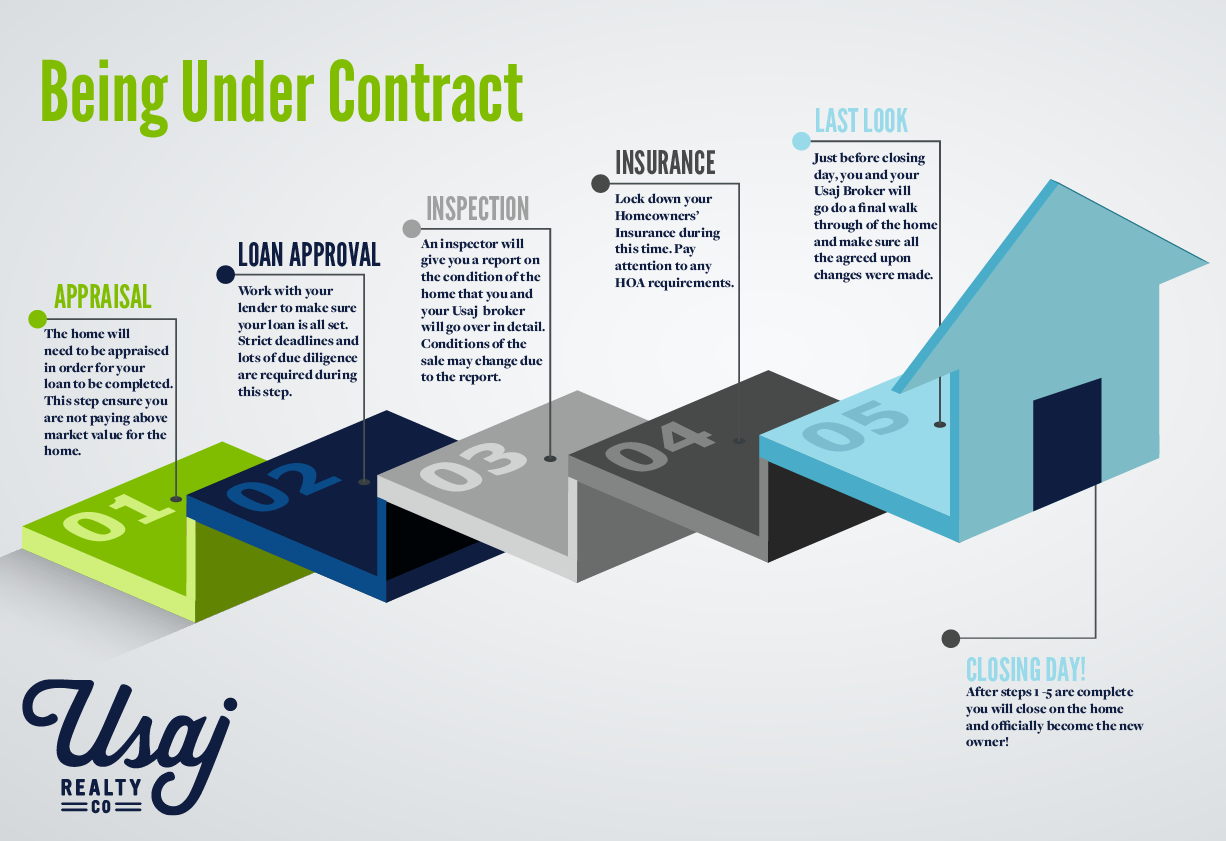
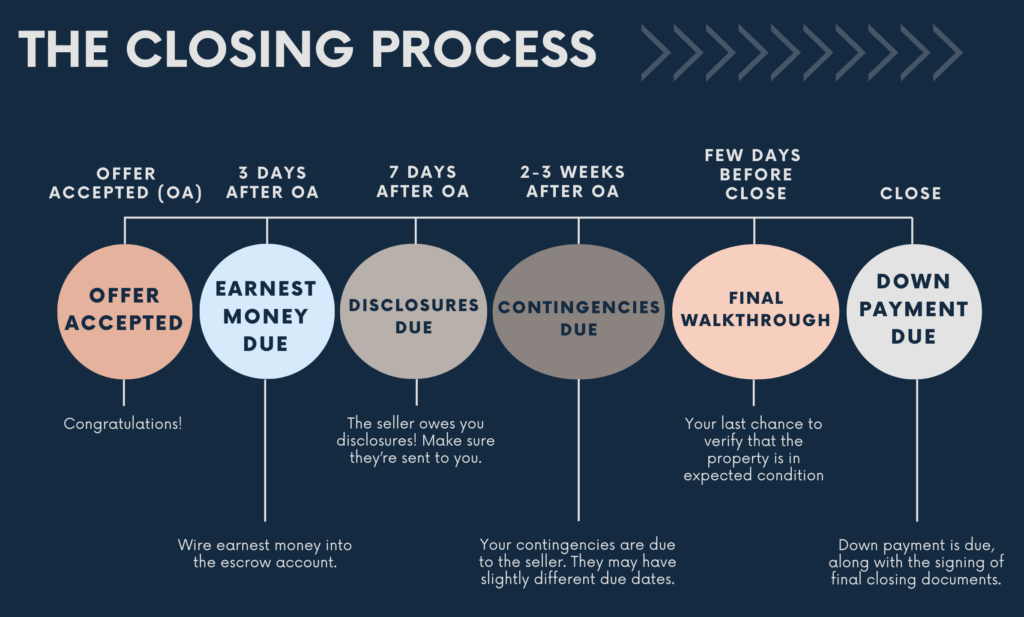
- Real Estate Contracts: For businesses and individuals, a real estate contract – whether for purchasing an office building, a factory, or a personal residence – is a significant financial commitment. Being “under contract” for a property means a deposit is typically made, and the buyer is obligated to complete the purchase unless specific contingencies are not met. This locks in a major asset or liability.
Service Agreements
These contracts outline the terms under which one party will provide a service to another, usually for a fee.
- Consulting and Professional Services: A company engaging a marketing agency or a law firm is “under contract” for their expertise. This involves a defined scope of work, payment terms, and deliverables. Financial forecasting needs to account for these service expenditures, and the business can expect to receive specific outcomes or advice in return for their investment.
- Maintenance and Support Contracts: Businesses often enter into service contracts for IT support, equipment maintenance, or software subscriptions. Being “under contract” for these services ensures operational continuity and predictable expenditure, preventing unexpected costs due to equipment failure or software issues. This falls under operational finance and risk management.
Employment and Independent Contractor Agreements
These contracts define the relationship between an employer and an employee or a client and an independent contractor.
- Salaried Employment: When an individual accepts a job offer, they are “under contract” as an employee. This contract outlines salary, benefits, working hours, and responsibilities. From the employer’s perspective, this represents a significant ongoing labor cost that needs to be factored into payroll and overall business expenses.
- Independent Contractor Agreements: Businesses hire freelancers or independent contractors for specific projects. These contracts define the project scope, payment milestones, and intellectual property rights. This offers flexibility but requires careful financial management to ensure project budgets are adhered to and payments are made according to agreed-upon terms.
Financial Implications of Being “Under Contract”

The status of being “under contract” carries significant financial weight, influencing cash flow, risk, and strategic decision-making. It’s not merely a legal formality but a driver of financial health.
Cash Flow Management and Financial Commitments
When a business or individual is “under contract,” it immediately impacts cash flow. Contracts create predictable outflows and, in some cases, inflows of money.
- Outbound Payments: Contracts for goods, services, rent, or loan repayments create scheduled financial obligations. Effective cash flow management requires accurately projecting these outflows and ensuring sufficient liquidity to meet them. Being “under contract” can also lead to the need for working capital to finance inventory or projects before payment is received.
- Inbound Payments: Conversely, being “under contract” to provide goods or services to a client guarantees revenue streams. The timing and reliability of these payments are critical for financial planning. Contracts might specify payment schedules (e.g., net 30, upfront payment) which directly influence when cash enters the business.
- Financial Forecasting Accuracy: The presence of defined contracts significantly enhances the accuracy of financial forecasts. Instead of relying on speculative projections, businesses can build their budgets and financial models based on concrete commitments, leading to more reliable performance indicators and a clearer picture of future financial health.
Risk Mitigation and Contingencies
Contracts are fundamental tools for risk management in finance. They provide legal recourse and define responsibilities should things go awry.
- Defining Liability: Contracts clearly delineate the responsibilities and liabilities of each party. If one party fails to fulfill their obligations, the contract provides the framework for seeking damages or enforcing performance. This protects against unforeseen losses. For example, a warranty clause in a sales contract protects the buyer financially from defects.
- Contingency Planning: Many contracts include contingency clauses that address potential unforeseen events (e.g., force majeure, changes in market conditions). These clauses can trigger renegotiations, suspensions, or even termination of the contract, providing a pre-defined mechanism for dealing with disruptions and their financial consequences.
- Dispute Resolution: Contracts often specify dispute resolution mechanisms, such as arbitration or mediation. This can prevent costly and time-consuming litigation, offering a more efficient way to resolve financial disagreements.
Investment and Growth Opportunities
Being “under contract” can also be a catalyst for investment and growth. It signals stability and commitment, making a business more attractive to lenders and investors.
- Securing Financing: A business with a portfolio of secured contracts for its products or services is in a stronger position to secure loans or attract equity investment. Lenders and investors view these contracts as a demonstration of market demand and revenue stability, reducing their perceived risk.
- Strategic Partnerships: Entering into significant contracts can forge strategic partnerships that lead to further opportunities. These collaborations might involve joint ventures, expanded market access, or shared resource development, all of which have long-term financial implications.
- Resource Allocation: The clarity provided by being “under contract” allows for more effective resource allocation. Businesses can invest in the necessary equipment, personnel, and materials with greater confidence, knowing that there is a defined demand for their output. This strategic investment is crucial for sustainable growth.
Managing Contracts for Financial Success
The mere existence of contracts is not enough; effective management is key to realizing their financial benefits and avoiding potential pitfalls.
Contract Lifecycle Management (CLM)
Contract Lifecycle Management (CLM) is a systematic approach to managing contracts from their inception to their expiration or renewal. This process is vital for businesses to track obligations, ensure compliance, and identify opportunities.
- Creation and Negotiation: This initial phase involves drafting, reviewing, and negotiating contract terms. Efficient CLM systems can streamline this process, ensuring all stakeholders are involved and that terms are clearly documented.
- Execution and Storage: Once a contract is signed, it needs to be securely stored and easily accessible. Digital CLM platforms offer robust solutions for managing contract repositories, version control, and access permissions.
- Performance Monitoring: This is arguably the most critical financial aspect of CLM. It involves tracking whether all parties are meeting their contractual obligations, such as delivery schedules, payment deadlines, and quality standards. Deviations from the contract can signal potential financial risks or opportunities for renegotiation.
- Amendments and Renewals: As business needs evolve, contracts may need to be amended. CLM systems help manage this process, ensuring that all amendments are properly documented and integrated into the overall agreement. Decisions about contract renewals or terminations are also critical financial junctures, requiring careful analysis of past performance and future needs.
Leveraging Financial Tools for Contract Oversight
Various financial tools and technologies can assist in managing contracts and their financial implications.
- Enterprise Resource Planning (ERP) Systems: ERP systems integrate various business functions, including finance, procurement, and sales. They can often incorporate CLM functionalities or integrate with dedicated CLM software, providing a holistic view of financial commitments arising from contracts.
- Accounting Software: Robust accounting software is essential for tracking payments, receivables, and payables related to contracts. It ensures that all financial transactions are accurately recorded, reconciled, and reported.
- Specialized CLM Software: Dedicated CLM software offers advanced features for contract drafting, e-signatures, workflow automation, risk analysis, and reporting. These tools can significantly enhance efficiency and reduce the likelihood of missed obligations or financial discrepancies.
- Data Analytics: Analyzing contract data can reveal valuable insights into profitability, supplier performance, and customer behavior. This data-driven approach can inform future contracting strategies and optimize financial outcomes. For instance, analyzing payment terms across multiple contracts might reveal opportunities to negotiate better cash flow by standardizing terms.
By implementing effective CLM strategies and leveraging appropriate financial tools, businesses can transform being “under contract” from a mere legal status into a powerful driver of financial stability, predictable growth, and strategic advantage.
Conclusion: The Financial Power of Being “Under Contract”
In the intricate world of finance and business, “under contract” signifies more than just a signed document; it represents a tangible commitment, a structured agreement that underpins economic activity. It is the transition from aspiration to obligation, a cornerstone for predictable financial operations, risk management, and future growth. For businesses and individuals alike, understanding the multifaceted implications of being “under contract” is paramount. It influences cash flow, dictates financial risk exposure, and lays the groundwork for strategic investment and expansion.
By meticulously defining the terms of engagement, ensuring legal enforceability, and actively managing the lifecycle of these agreements, entities can harness the financial power of being “under contract.” The effective use of contract management systems and financial tools transforms these legal pacts into drivers of operational efficiency, financial certainty, and ultimately, sustained success. In essence, to be “under contract” is to operate with a defined framework, enabling informed financial decision-making and paving the way for a more secure and prosperous future.
aViewFromTheCave is a participant in the Amazon Services LLC Associates Program, an affiliate advertising program designed to provide a means for sites to earn advertising fees by advertising and linking to Amazon.com. Amazon, the Amazon logo, AmazonSupply, and the AmazonSupply logo are trademarks of Amazon.com, Inc. or its affiliates. As an Amazon Associate we earn affiliate commissions from qualifying purchases.