
In the rapidly evolving landscape of social media architecture, TikTok has consistently positioned itself as a pioneer of high-velocity content distribution. While the platform was built on the foundations of short-form video, its features have undergone significant technical iterations to maximize user retention and engagement. One of the most pivotal additions to this ecosystem is the “Repost” feature. To understand what it means to repost on TikTok is to understand the mechanics of digital amplification, algorithmic signaling, and the technical shift from a “social graph” to an “interest graph.”
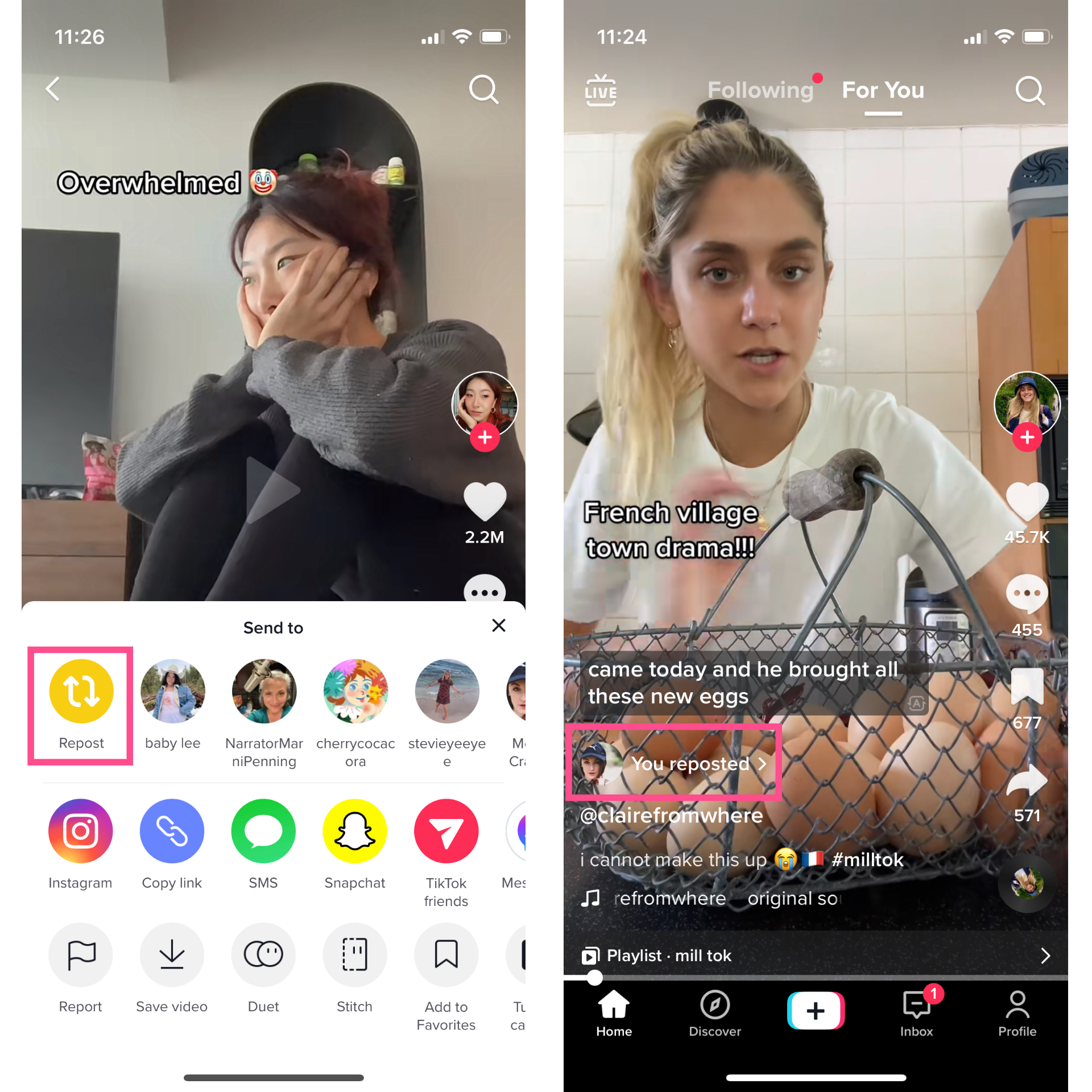
Unlike traditional sharing mechanisms found on older platforms, the TikTok Repost button serves a specific technical function within the app’s UI/UX. It is not merely a “share” button; it is a specialized tool designed to inject external content into a user’s immediate social circle while maintaining the integrity of the original creator’s metadata.
Understanding the Technical Mechanics of the TikTok Repost Feature
The Repost feature is TikTok’s native solution to the “re-sharing” dilemma that has historically plagued mobile-first video platforms. Previously, users had to rely on “Duets” or “Stitches”—features that required creating new video data—to share someone else’s content. The Repost button changed the technical workflow by allowing for frictionless redistribution.
The Evolution from Secondary Content Creation to Native Redistribution
Before the Repost feature was standardized, TikTok’s primary engagement loops were “Active.” A user had to record themselves reacting to a video (Duet) or clip a portion of it (Stitch). From a software engineering perspective, this generated new assets on TikTok’s servers. The Repost feature, however, is a “Passive” engagement tool. It creates a pointer in the database that links the original video to the feeds of the reposter’s followers without duplicating the underlying video file. This efficiency allows the platform to maintain high performance while facilitating massive content spread.
How the Repost Button Functions Within the TikTok UI
From a user interface (UI) standpoint, the Repost button is nested within the “Share” menu, represented by a distinctive yellow icon with white circulating arrows. When a user triggers this function, the video is not added to their own profile grid—a significant departure from Instagram’s “Grid” philosophy or Twitter’s “Retweet” timeline. Instead, the reposted video is pushed directly into the “For You” pages (FYP) of the user’s mutual followers. This technical distinction ensures that a user’s profile remains a curated space for their original content, while their “repost history” serves as a dynamic stream of curated interests.
The Shared Metadata and Creator Attribution
One of the most critical tech components of the Repost feature is the preservation of attribution. When a video is reposted, all engagement metrics—likes, comments, and views—accrue to the original creator. This is a deliberate design choice in TikTok’s software architecture to prevent “freebooting” or content theft. The reposter acts as a node in a distribution network, but the “owner” of the digital asset remains the original uploader, ensuring that the platform’s creator economy remains balanced.
The Algorithmic Impact: How Reposting Influences Content Distribution
TikTok’s recommendation engine is widely considered the most sophisticated in the consumer tech space. The Repost feature isn’t just a social gesture; it is a high-weight signal that feeds directly into the machine learning models that govern the For You Page.
Signal Strength: How the TikTok Engine Weighs Shared Content
In the hierarchy of algorithmic signals, a “Repost” carries significant weight. While a “Like” indicates a basic level of affinity and a “Comment” indicates engagement, a “Repost” signifies that a user believes the content is valuable enough to be associated with their own digital identity. To the TikTok algorithm, a repost is a strong indicator of “high-quality content,” often leading to an immediate boost in the video’s reach. This creates a compounding effect: as more users repost, the content is validated across multiple sub-networks, signaling the algorithm to push it to a broader, global audience.
The Transition from the Social Graph to the Interest Graph
Most social platforms are built on a “Social Graph”—you see content because you follow people. TikTok operates on an “Interest Graph”—you see content because you like specific topics. The Repost feature bridges these two concepts. It allows the algorithm to use your social connections (your friends) to refine your interest profile. If several of your mutual followers repost a specific technical tutorial or a gadget review, the algorithm notes the intersection of social trust and topical interest, optimizing your future feed based on those specific data points.

Impact on Viral Velocity
The technical “friction” of a platform determines how fast content goes viral. By reducing the steps required to share content to a single tap, TikTok has increased the “viral velocity” of its ecosystem. From a data science perspective, the Repost feature shortens the time-to-distribution, allowing a video to jump between niche communities (e.g., from “TechTok” to “FinanceTok”) with minimal user effort.
Privacy, Permissions, and the Digital Infrastructure of Shared Media
With the power of redistribution comes the need for robust user controls and privacy frameworks. TikTok has integrated several layers of software-level permissions to ensure that the Repost feature does not compromise user intent or digital security.
Managing Repost Settings and User Control
Not every user wants their content to be redistributed. Within the app’s “Privacy and Safety” settings, TikTok provides toggles that allow creators to enable or disable the ability for others to repost their content. This is managed via the backend by flagging the video’s metadata. If a creator turns off “Reposts,” the yellow icon is stripped from the Share menu for all viewers of that specific video. This granular control is essential for maintaining the platform’s integrity, especially for creators who produce sensitive or proprietary technical content.
Visibility and the “Reposter” Identity
When a video appears on your feed via a repost, TikTok’s UI displays a small label: “[User Name] Reposted.” This transparency is a key element of the digital security and social trust model. It allows users to understand why they are seeing a specific video, especially if it falls outside their usual interest patterns. This transparency also prevents the “invisible” manipulation of feeds, as every piece of shared content is clearly attributed to a source.
The Technical Preservation of Original Metadata
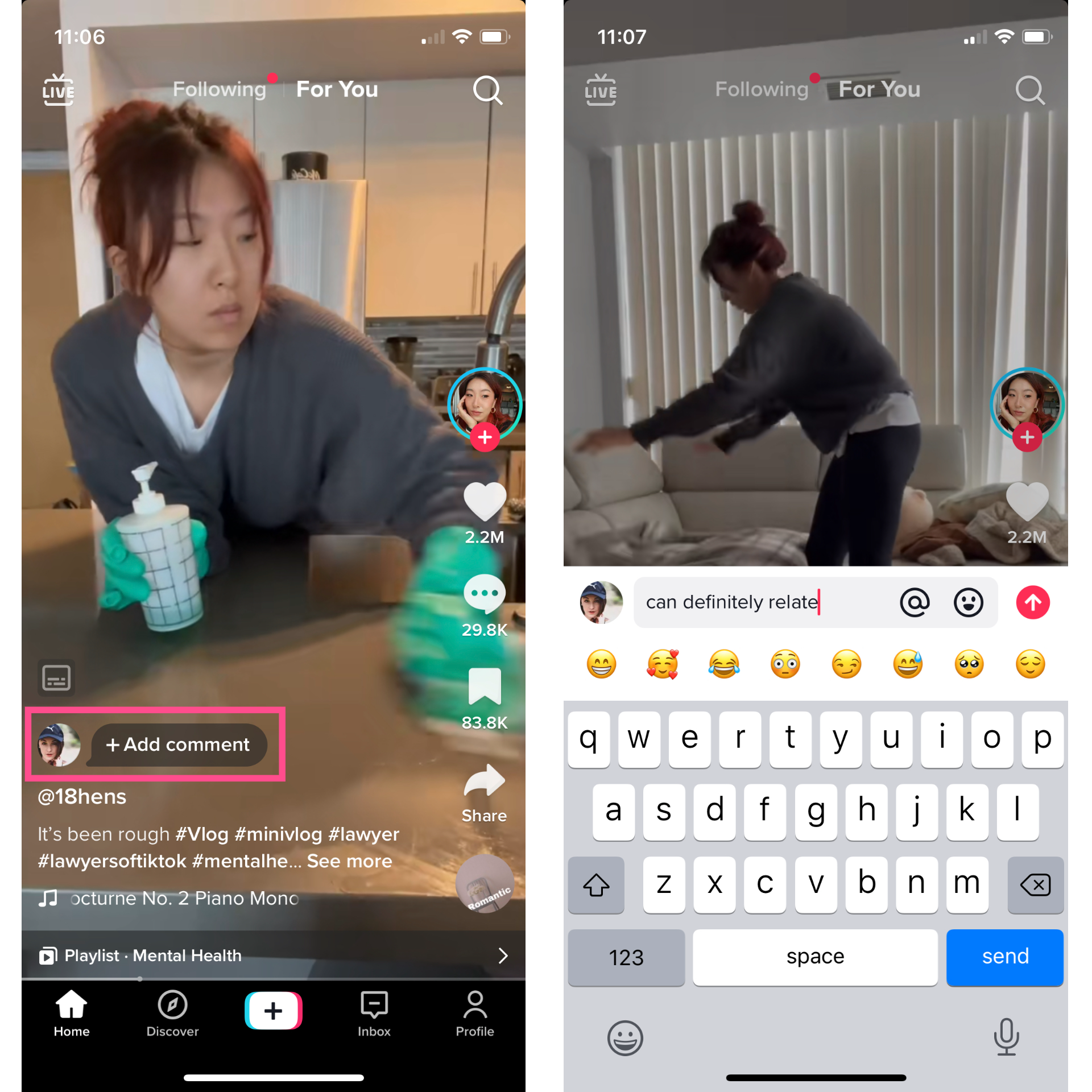
When a user reposts, they can often add a “repost comment.” This is a secondary layer of data that is ephemeral. Unlike a standard comment that lives on the video’s main page, a repost comment is often only visible to the followers of the reposter. This creates a “private-public” hybrid space, where the technical infrastructure supports both mass distribution and localized conversation.
Troubleshooting and Tech Optimization for the Repost Function
Despite its seamless appearance, the Repost feature is a complex piece of software that occasionally encounters technical hurdles. Understanding the “why” behind these issues is crucial for power users and tech enthusiasts.
Common Tech Issues: Why the Repost Button Disappears
Users often report that the Repost button vanishes. This is rarely a random bug and is usually the result of three specific technical conditions:
- A/B Testing: TikTok frequently runs server-side tests where specific features are toggled for different user groups to measure engagement.
- Regional Rollouts: Features are often deployed based on geographic server clusters. A user in one region may have access to the latest Repost UI while another does not.
- App Cache and Versioning: Since the Repost feature relies on real-time API calls to the Share menu, an outdated app version or a bloated local cache can prevent the icon from rendering correctly.
Mobile vs. Desktop: Feature Parity in Social Software
As of the current technical landscape, the Repost feature is optimized primarily for the mobile environment (iOS and Android). The desktop version of TikTok—while robust for viewing and uploading—often lacks the full suite of “Share” functionalities, including the native Repost button. This disparity highlights the platform’s mobile-first engineering philosophy, where engagement features are prioritized for the hardware (smartphones) that provides the most data sensors and highest user activity.
The Future of the Repost: AI and Predictive Sharing
Looking forward, the next technical iteration of the Repost feature will likely involve Artificial Intelligence (AI). We are already seeing the beginnings of “Suggested Reposts,” where the app’s on-device processing identifies videos it thinks your specific audience would enjoy. By analyzing the engagement patterns of your followers, the app can nudge you to repost content that acts as a “bridge,” further refining the efficiency of the platform’s content delivery network.
In summary, to repost on TikTok is to participate in a sophisticated technical dance of data distribution. It is a feature that maximizes the efficiency of the algorithm, protects creator attribution through clever metadata management, and gives users a powerful tool to shape the digital experiences of their peers. As TikTok continues to refine its software, the Repost button will remain a cornerstone of its viral architecture, turning every user into a potential node for global content amplification.
aViewFromTheCave is a participant in the Amazon Services LLC Associates Program, an affiliate advertising program designed to provide a means for sites to earn advertising fees by advertising and linking to Amazon.com. Amazon, the Amazon logo, AmazonSupply, and the AmazonSupply logo are trademarks of Amazon.com, Inc. or its affiliates. As an Amazon Associate we earn affiliate commissions from qualifying purchases.