
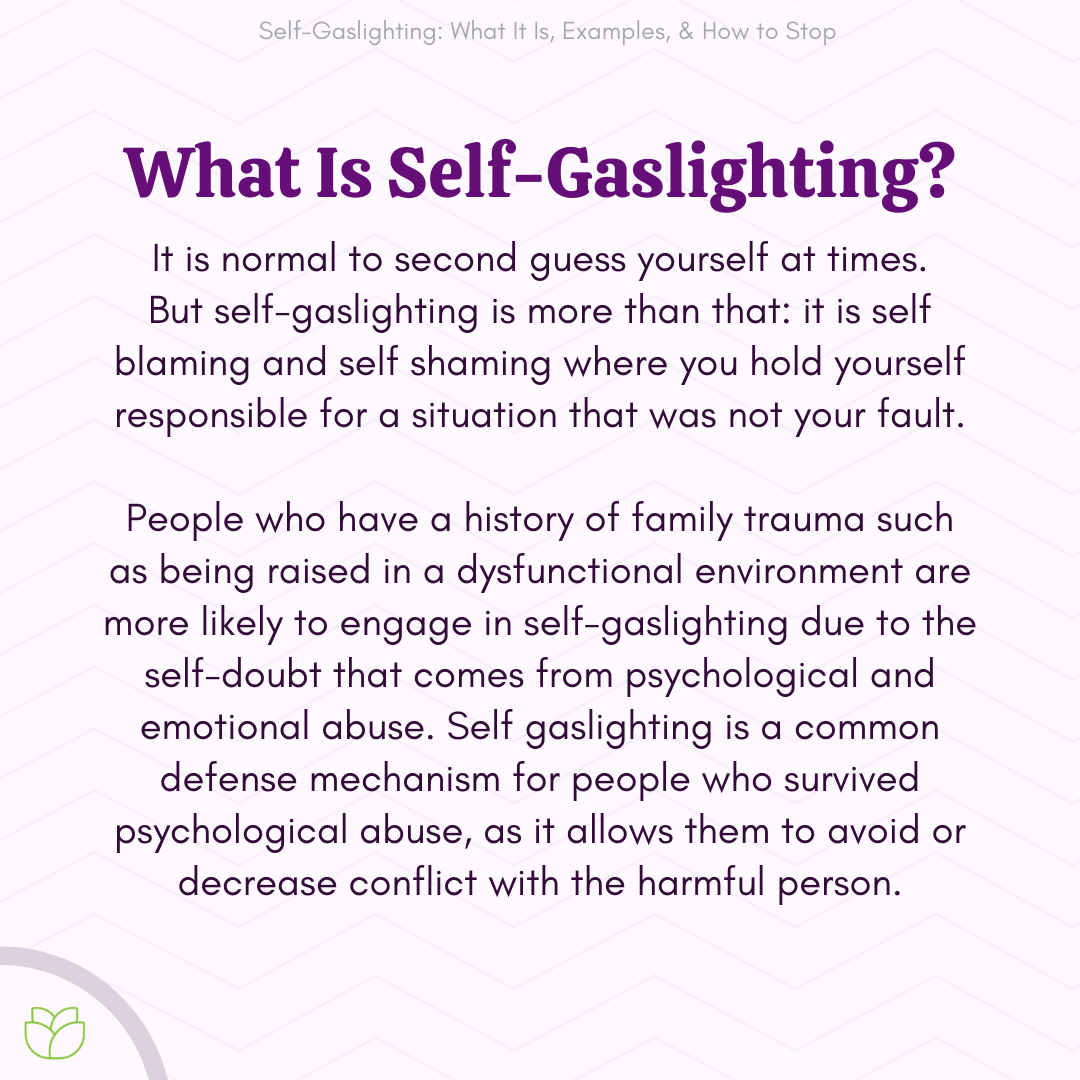
In the modern landscape of professional development and self-optimization, the language of psychology has migrated from the therapist’s office into the boardroom and the home office. Among the most potent of these terms is “gaslighting”—a form of psychological manipulation where a person is led to question their own reality. While typically discussed in the context of interpersonal abuse, a burgeoning issue in the current landscape of personal branding and professional growth is the phenomenon of self-gaslighting. In a world of curated digital identities and relentless pursuit of performance, self-gaslighting has become a quiet, systematic dismantling of one’s own professional truth.

The Architecture of Self-Gaslighting in Personal Branding
Personal branding is, by nature, a constructive act. It involves distilling one’s experiences, skills, and values into a cohesive narrative for the public sphere. However, the line between strategic curation and identity distortion is thin. When professionals begin to believe the hyper-polished version of themselves over their lived experience, they enter the realm of self-gaslighting.
The Discrepancy Between Narrative and Reality
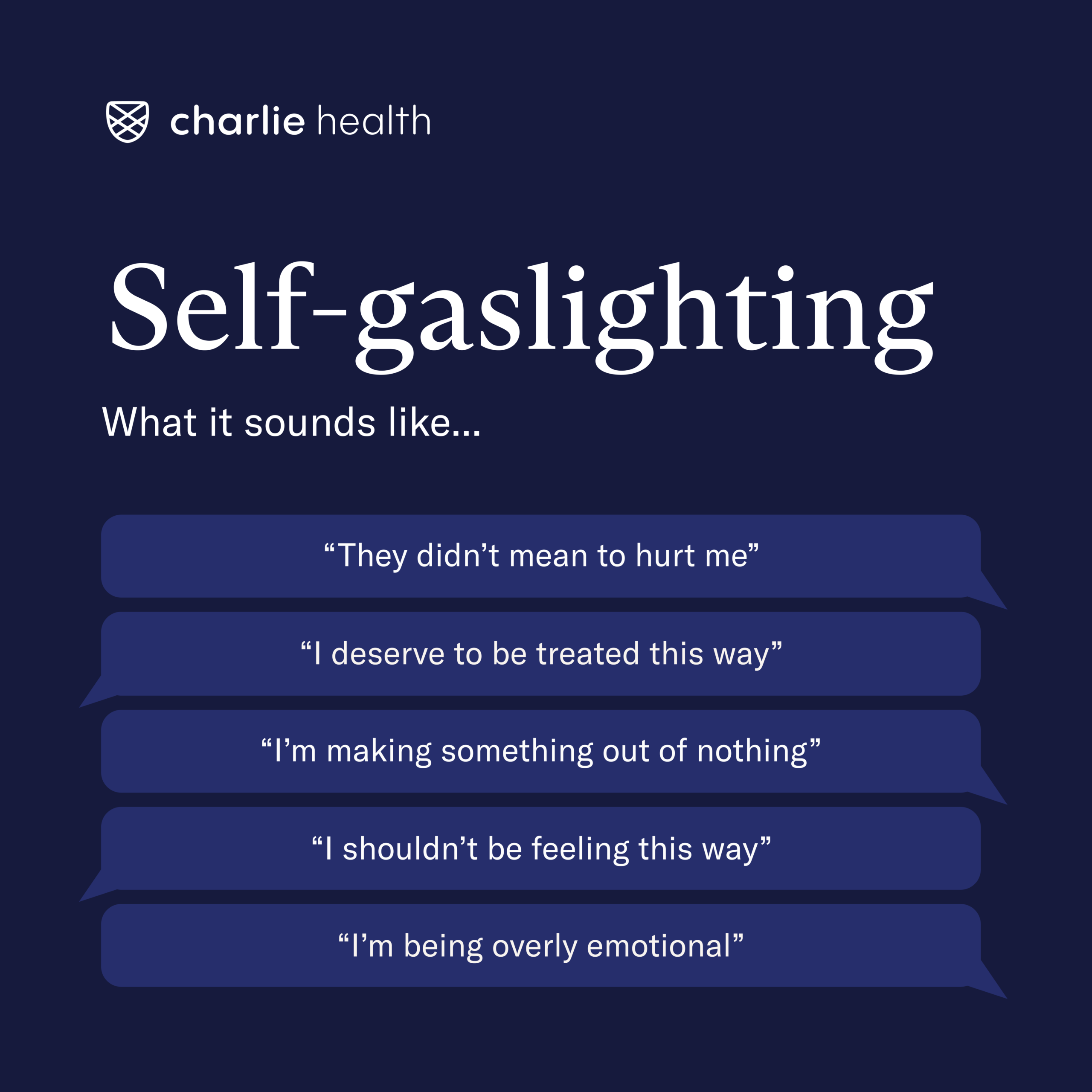
The most common trigger for self-gaslighting is the “Highlight Reel Effect.” When an individual constructs a personal brand that emphasizes constant growth, unshakeable confidence, and seamless productivity, they often find that their internal state does not align with this external projection. The gaslighting occurs when the individual suppresses their legitimate struggles—burnout, doubt, or failure—by telling themselves, “If I am as successful as my brand suggests, I shouldn’t be feeling this way.” By invalidating their own human experience in favor of their brand narrative, they teach themselves to mistrust their internal compass.
The Imposter Syndrome Feedback Loop
Self-gaslighting is the engine that keeps Imposter Syndrome running. When an individual achieves a milestone but attributes it to luck or deceit, they are effectively gaslighting themselves regarding their own competence. By repeatedly telling themselves that their achievements are unearned, they rewrite their professional history. Over time, the internal dialogue shifts from “I am capable” to “I am a fraud who has successfully deceived others,” even when objective evidence suggests otherwise.
Corporate Identity and the Erosion of Professional Intuition
Within corporate environments, the pressure to align with organizational culture can lead to a form of collective and individual self-gaslighting. When a company’s public identity or strategic mission is at odds with the reality of its daily operations, employees who “buy in” to the disconnect often begin to doubt their own observations.
Invalidating Intuition in the Face of Strategy
Professional intuition is a vital asset, honed by years of experience and pattern recognition. However, in environments that prioritize rigid KPIs and data-driven narratives, professionals are often pressured to ignore their “gut feelings.” When a leader notices a flaw in a project but suppresses that concern because “the data says everything is fine,” they are gaslighting their own expertise. They start to believe that their intuition is a sign of weakness or lack of focus, rather than a sophisticated analytical response to environmental cues.
The Gaslighting of Cultural Fit
“Cultural fit” is often used as a mechanism to enforce conformity. When a professional finds themselves feeling isolated or misaligned with a company’s values, they are frequently told—or they tell themselves—that they simply need to “adjust their mindset.” This is a classic form of self-gaslighting: convincing oneself that a toxic or unsustainable work environment is actually an opportunity for growth, and that feeling out of place is a personal character flaw rather than a legitimate reaction to a mismatch in values.
The Cost of Self-Deception on Strategic Decision-Making
When an individual systematically invalidates their own perceptions, the damage extends beyond psychological discomfort—it impacts the quality of their strategic decision-making. If you cannot trust your own assessment of a situation, you cannot formulate an effective strategy to navigate it.
Distorting the Data of Experience
Effective decision-making requires an honest assessment of past results. Self-gaslighting creates a “revisionist history” where failures are minimized and successes are decontextualized. By refusing to look at past professional hurdles with objective clarity, the individual denies themselves the data necessary for future growth. If a manager gaslights themselves into believing a failed project was actually a “learning opportunity” without acknowledging the specific, preventable errors that led to the collapse, they ensure that the same mistakes will be repeated.
The Paralysis of Over-Analysis
Self-gaslighting often manifests as chronic second-guessing. When an individual has spent years doubting their own reality, they lose the ability to trust their executive presence. This leads to a state of analysis paralysis. Instead of making a bold, intuitive decision and iterating as necessary, the self-gaslighter seeks external validation for every minor move, terrified that their own internal judgment is inherently flawed. This slows down workflows, stifles innovation, and prevents the individual from asserting the leadership required to move a project forward.
Strategies to Reclaim Your Professional Reality
Breaking the cycle of self-gaslighting requires a deliberate effort to reconnect with one’s own truth. It is an act of reclaiming autonomy over one’s narrative.
Radical Honesty and Documentation
The antidote to the fluidity of gaslighting is the rigidity of documentation. Professionals should keep a private log of their work—not a sanitized, LinkedIn-ready summary, but a raw record of what occurred, how they felt about it, and what the outcomes were. By reviewing these entries, one can create a consistent, reliable timeline that exists independently of the brand-focused narratives or corporate messaging they are subjected to daily. This provides a “source of truth” to fall back on when the internal voice starts to doubt reality.
Cultivating Discomfort as a Data Point
Rather than viewing discomfort as a sign that one is “doing it wrong” or “not fitting in,” one should reframe it as a data point. When you feel a sense of misalignment, instead of telling yourself that your feelings are invalid, ask: “What is this feeling telling me about my environment?” By treating emotional responses as legitimate inputs rather than distractions to be suppressed, you stop gaslighting yourself and start utilizing your full range of cognitive and emotional intelligence.
Seeking External Reality Checks
Because self-gaslighting is an internal echo chamber, it often requires an external perspective to disrupt. Building a trusted circle of mentors or peers who are not incentivized to maintain your personal brand or corporate agenda is essential. These individuals serve as a reality check, providing an objective viewpoint that mirrors your experiences back to you. When you hear a trusted peer validate an observation you were starting to doubt, the gaslighting cycle is broken.
Ultimately, the professional who refuses to gaslight themselves is a professional who acts with integrity. By honoring one’s own perceptions, acknowledging the reality of both success and failure, and maintaining a bridge between the private self and the public identity, one can cultivate a career that is not only successful but sustainable. The truth may not always be convenient for a brand strategy, but it is the only foundation upon which a long-term, high-impact career can be built. In an age of digital smoke and mirrors, the most disruptive thing you can do is to remain undeniably, authentically, and consistently real with yourself.
aViewFromTheCave is a participant in the Amazon Services LLC Associates Program, an affiliate advertising program designed to provide a means for sites to earn advertising fees by advertising and linking to Amazon.com. Amazon, the Amazon logo, AmazonSupply, and the AmazonSupply logo are trademarks of Amazon.com, Inc. or its affiliates. As an Amazon Associate we earn affiliate commissions from qualifying purchases.