
The phrase “to cam a car” might sound like cryptic gearhead slang to the uninitiated, but within the vibrant world of automotive performance, it describes one of the most fundamental and impactful modifications an internal combustion engine can undergo. At its core, “camming a car” refers to the act of replacing the engine’s stock camshaft with an aftermarket performance camshaft. This seemingly simple component swap holds the key to dramatically altering an engine’s power characteristics, responsiveness, and even its auditory signature. Far from being a mere mechanical upgrade, it’s a sophisticated act of engineering, tuning, and a deep dive into the intricate dance of valves, pistons, and combustion that defines an engine’s very soul.

In the realm of automotive technology, understanding the camshaft is paramount to grasping how an engine breathes and performs. This article will delve into the technical intricacies of the camshaft, explore the motivations and implications of upgrading it, examine the technological advancements in its design and implementation, detail the engineering process involved in a cam swap, and finally, cast an eye towards the future of this critical component in an evolving automotive landscape.
The Heart of Engine Performance: Understanding the Camshaft
To appreciate the significance of “camming a car,” one must first understand the fundamental role of the camshaft. Often referred to as the brain of the valvetrain, this precision-engineered shaft dictates the timing and duration of critical events within the engine’s combustion cycle.
Beyond the Basics: What a Camshaft Does
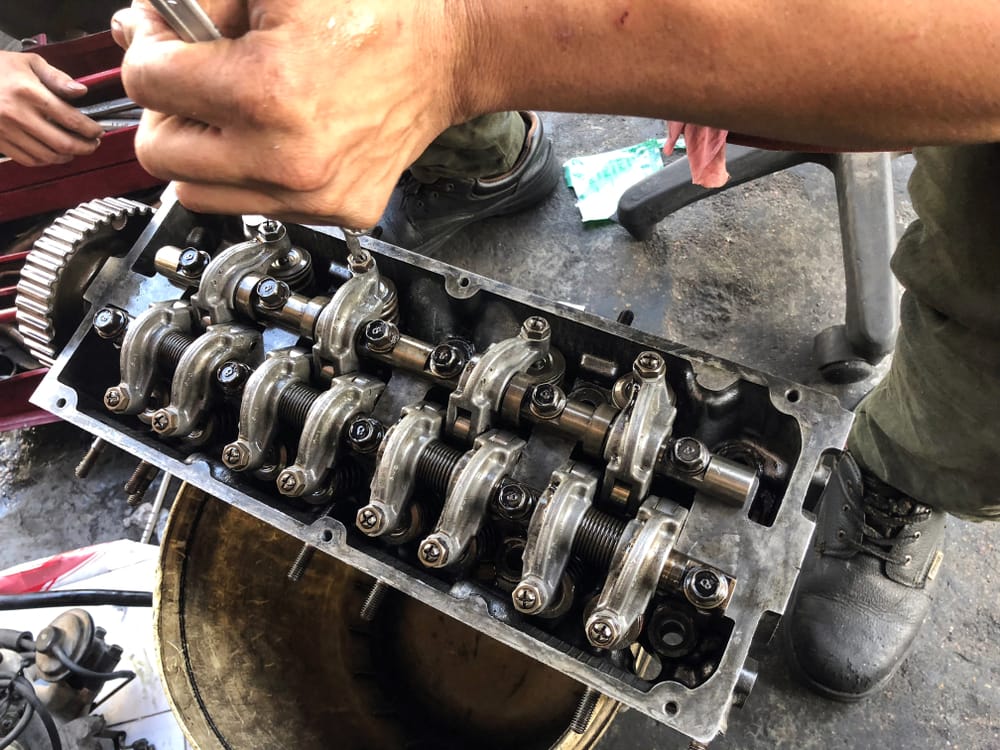
In a four-stroke internal combustion engine, air and fuel are introduced, compressed, ignited, and exhausted in a cyclical fashion. The camshaft’s primary function is to open and close the intake and exhaust valves at precisely the right moments to facilitate this cycle. It achieves this through a series of egg-shaped lobes machined along its length. As the camshaft rotates, driven by the crankshaft via a timing chain, belt, or gears, these lobes push against followers (lifters), which in turn actuate pushrods, rocker arms, and ultimately the valves themselves.
The precision of this operation is critical. The intake valves must open to admit the air-fuel mixture into the cylinders and close for compression. The exhaust valves then open to expel the burnt gases and close to prepare for the next intake stroke. Any alteration to the timing, lift, or duration of these valve events directly impacts how efficiently the engine breathes and, consequently, how much power it can produce. The synchronization between the camshaft and crankshaft is absolutely vital; a misalignment of even a single degree can lead to disastrous engine damage.
Key Camshaft Parameters: Lift, Duration, and Lobe Separation Angle (LSA)
The performance characteristics of any camshaft are defined by three primary technical parameters:
- Lift: This refers to how far the valve opens from its fully closed position. Higher lift allows more air and fuel to enter (or exhaust gases to exit) the cylinder during each cycle, improving volumetric efficiency, especially at higher engine speeds. However, excessive lift requires stronger valve springs and careful consideration of piston-to-valve clearance.
- Duration: This measures how long the valve remains open, typically expressed in degrees of crankshaft rotation. Longer duration cams allow the valves to stay open for extended periods, maximizing the amount of air and fuel that can flow in and out. This generally translates to more power at higher RPMs but can negatively affect low-end torque and idle quality.
- Lobe Separation Angle (LSA): This is the angle in degrees between the centerline of the intake lobe and the centerline of the exhaust lobe. LSA influences “valve overlap,” the period when both the intake and exhaust valves are open simultaneously. A tighter (smaller) LSA increases overlap, enhancing scavenging (where the exiting exhaust gases help pull in the fresh air-fuel mixture) for improved high-RPM power, but often at the expense of idle stability and low-RPM street manners. A wider LSA reduces overlap, improving idle and low-end torque, typically favored for street applications.
Understanding these parameters is crucial because “camming a car” is essentially about choosing a camshaft with a specific combination of lift, duration, and LSA tailored to a desired performance outcome.
Why “Cam a Car”? The Performance Imperative
The decision to “cam a car” is almost always driven by the desire for enhanced performance. It’s a pursuit of more horsepower, more torque, and a more exhilarating driving experience, pushing the boundaries of what a stock engine can deliver.
Unleashing Horsepower and Torque
The primary motivation behind a camshaft upgrade is to improve the engine’s ability to ingest air and fuel, and efficiently expel exhaust gases. By optimizing valve timing, lift, and duration, a performance camshaft can achieve several key objectives:
- Improving Volumetric Efficiency: A well-designed performance cam allows the engine to “breathe” better. Higher lift and longer duration facilitate a greater volume of air-fuel mixture entering the combustion chamber on the intake stroke, and more complete evacuation of exhaust gases on the exhaust stroke. This increased volumetric efficiency directly translates to more power output.
- Optimizing Combustion: By altering when and how the valves open and close, performance cams can influence cylinder pressure, mixture turbulence, and the overall combustion process, leading to more complete and powerful combustion events.
- Targeting Specific RPM Ranges: Different cam profiles are designed to optimize power delivery at different engine speeds. A “street cam” might focus on boosting mid-range torque for daily drivability, while a “race cam” will prioritize peak horsepower at very high RPMs, sacrificing low-end grunt and idle smoothness. Enthusiasts choose a cam profile that aligns with their driving style and the intended use of the vehicle.
The Trade-offs of Performance Camshafts
While the allure of increased power is strong, “camming a car” is not without its technical trade-offs, which are critical considerations for any enthusiast:
- Impact on Idle Quality: Performance camshafts, especially those with aggressive lift and duration figures and tight LSAs, often lead to a “lopey” or unstable idle. This characteristic sound, beloved by many performance enthusiasts, is a direct result of increased valve overlap causing some fresh air-fuel mixture to escape through the exhaust or exhaust gases to revert into the intake manifold at low RPMs. While iconic, it requires careful engine tuning.
- Fuel Economy Considerations: More aggressive cam profiles generally mean less efficient combustion at lower engine speeds and a reduced vacuum signal, often leading to a noticeable decrease in fuel economy. The engine effectively becomes less “polite” for everyday driving.
- Compatibility with Other Engine Components: A camshaft upgrade is rarely a standalone modification. Increased valve lift and spring pressure often necessitate upgraded valve springs to prevent valve float at high RPMs. Stronger pushrods might also be required, and in extreme cases, piston-to-valve clearance must be meticulously checked to ensure the valves don’t collide with the pistons. The entire valvetrain must be robust enough to handle the increased stresses.
- Emissions Implications: Aggressive camshafts can significantly alter exhaust gas composition due to increased overlap and less efficient low-speed combustion. This can make it challenging to meet stringent emissions standards, potentially rendering the vehicle non-compliant in certain regions.
The Technology Behind Camshaft Design and Materials
The camshaft, while seemingly a simple rotating shaft, is a marvel of material science and precision engineering. Its evolution reflects continuous advancements in manufacturing techniques and understanding of engine dynamics.
Modern Camshaft Manufacturing and Materials

Modern camshafts are produced with incredible precision to withstand the immense stresses within an engine. Two primary types dominate:
- Billet Cams: Machined from a solid block (billet) of high-strength steel, these cams offer superior strength and allow for extremely aggressive and customized profiles. They are often chosen for high-performance and racing applications where durability and specific design requirements are paramount.
- Cast Cams: Made from ductile iron, these are more common in OEM applications and less extreme aftermarket performance cams. While cost-effective, they are generally not as strong as billet steel cams.
- Material Science: Regardless of manufacturing method, camshafts undergo extensive heat treatment processes, such as nitriding or induction hardening, to create an extremely hard, wear-resistant surface on the lobes, which are subjected to constant friction.
Advanced Camshaft Technologies and Variable Valve Timing (VVT)
The traditional fixed-profile camshaft has seen significant evolution, particularly with the advent of variable valve timing (VVT) and variable valve lift (VVL) systems:
- Hydraulic Roller vs. Mechanical Roller vs. Flat Tappet: Early engines used flat tappet cams, which required break-in procedures and specific oil formulations to prevent premature wear. Modern performance engines predominantly use roller lifters, which ride on roller bearings, drastically reducing friction and allowing for more aggressive lobe profiles without excessive wear. Hydraulic roller lifters are common for street use due as they self-adjust for valve lash, while mechanical roller lifters offer greater precision at very high RPMs, often used in racing.
- Variable Valve Timing (VVT): Systems like Honda’s VTEC, BMW’s VANOS, and Toyota’s VVT-i represent a significant leap. Instead of a fixed camshaft profile, VVT allows the engine’s computer (ECU) to dynamically alter the timing of valve events based on engine speed, load, and other parameters. This effectively gives the engine the benefits of multiple cam profiles in one, optimizing power and fuel economy across the entire RPM range. Some VVT systems can even vary the lift and duration.
- Continuously Variable Valve Lift (CVVL): More advanced systems, such as BMW’s Valvetronic or Nissan’s VVEL, go a step further by offering continuously variable valve lift. This technology essentially replaces the throttle body with the intake valves themselves, controlling engine air intake by how much the valves open, leading to significant improvements in efficiency and responsiveness.
- Camless Engines: The ultimate evolution aims to eliminate the physical camshaft entirely. Technologies like Koenigsegg’s Freevalve system use electro-hydraulic or electro-magnetic actuators to control each valve independently. This offers unprecedented control over valve timing, lift, and duration, allowing for truly dynamic engine operation, optimized for every driving condition.
The Technical Process of Cam Swapping: A Glimpse into Automotive Engineering
Replacing a camshaft is a major undertaking, demanding precision, specialized tools, and a thorough understanding of engine mechanics. It’s a complex procedure that bridges mechanical disassembly with meticulous reassembly and sophisticated electronic tuning.
Pre-Installation Considerations and Necessary Upgrades
Before ever touching a wrench, extensive planning is required:
- Measuring Clearances: Critical clearances, such as piston-to-valve clearance and valve retainer-to-seal clearance, must be measured, especially with aggressive cam profiles. Inadequate clearance can lead to catastrophic engine failure.
- Upgrading Valvetrain Components: As mentioned, performance cams almost always necessitate stronger valve springs to prevent valve float at higher RPMs. Depending on the engine and cam, upgraded pushrods and lifters may also be required to handle increased stresses and ensure proper operation.
- Supporting Modifications: To truly capitalize on a cam swap, other engine modifications are often vital. Improved intake systems (cold air intakes, larger throttle bodies), enhanced exhaust systems (headers, cat-back exhausts), and upgrades to the fuel system (larger injectors, higher-flow fuel pump) are common companion upgrades that allow the engine to process the increased airflow the new cam provides.
The Installation Process: A Step-by-Step Overview (Conceptual)
The actual cam swap involves a significant degree of engine disassembly:
- Preparation: Disconnecting the battery, draining fluids, and removing all front-end accessories (belts, pulleys, alternator, power steering pump, AC compressor).
- Front of Engine Disassembly: Removing the harmonic balancer, timing cover, and potentially the water pump and oil pan, to gain access to the timing chain/belt and the camshaft retainer plate.
- Valvetrain Disassembly: Removing valve covers, rocker arms, pushrods, and lifters to free up the camshaft.
- Camshaft Removal and Insertion: This is often the most delicate step. The old camshaft is carefully slid out of the engine block, taking care not to damage the cam bearings. The new camshaft, meticulously lubricated, is then slowly and carefully inserted.
- Reassembly and Timing: The engine is reassembled in reverse order, with particular attention paid to properly aligning the timing chain/belt and gears to ensure correct camshaft-to-crankshaft timing.
- Final Touches: All accessories are reinstalled, fluids replenished, and the engine is prepared for initial start-up.
Post-Installation Tuning and Optimization
A camshaft swap is incomplete without proper electronic tuning:
- Engine Control Unit (ECU) Recalibration: The engine’s computer (ECU) must be reprogrammed to account for the new camshaft’s altered valve timing, duration, and overlap. This involves adjusting parameters like fuel delivery, ignition timing, and idle control. Without a proper tune, the engine will run poorly, if at all, and can suffer damage.
- Dyno Tuning: The vehicle is typically put on a dynamometer (dyno) to precisely measure power output and optimize the ECU tune. This allows tuners to fine-tune air/fuel ratios and ignition timing across the entire RPM range, extracting maximum safe power from the new cam.
- Break-in Procedures: Some camshafts, particularly those with flat tappet lifters (though less common now), require specific break-in procedures to ensure proper lobe and lifter seating and prevent premature wear. Even roller cams benefit from initial careful driving.
The Future of Camshaft Technology in the Automotive World
The internal combustion engine (ICE) is in a period of unprecedented transformation, and with it, the role of the camshaft is evolving.
Electrification and the Diminishing Role of Traditional Cams
The rise of electric vehicles (EVs) presents the most significant challenge to the traditional camshaft. As electric powertrains gain dominance, the need for internal combustion engine components, including camshafts, will naturally diminish. Hybrid powertrains will likely continue to utilize advanced cam technologies, but the ultimate direction of the industry points away from mechanical valve actuation.
Continuous Innovation in ICE Performance
Despite the shift towards electrification, innovation in ICE technology persists. For enthusiasts and in niche markets, the pursuit of ICE performance remains strong:
- Further Advancements in VVT and Camless Engines: Technologies like Koenigsegg’s Freevalve system, which completely eliminates the camshaft, represent the pinnacle of ICE valvetrain control. As these systems become more refined and potentially more cost-effective, they could revolutionize engine design, offering unparalleled flexibility in optimizing power, efficiency, and emissions.
- AI-Driven Design and Simulation: Artificial intelligence and advanced computational fluid dynamics (CFD) are increasingly being used to design and simulate optimal cam profiles with extreme precision, allowing engineers to virtually test thousands of variations to find the perfect balance of performance and efficiency for specific applications.
- New Materials and Manufacturing Processes: Research into lighter, stronger, and more wear-resistant materials for valvetrain components, alongside advanced manufacturing techniques like additive manufacturing (3D printing), continues to push the boundaries of what’s possible in camshaft design and production, ensuring that for as long as ICEs roar, the technology behind them will continue to advance.
In conclusion, “camming a car” is far more than a simple modification; it is a profound technical alteration that redefines an engine’s character. It embodies a deep understanding of thermodynamics, mechanical engineering, and electronic tuning, pushing the boundaries of automotive performance. While the future of the internal combustion engine is undeniably shifting, the legacy of the camshaft as a pivotal piece of automotive technology, and the exhilarating transformation it brings, will undoubtedly remain a significant chapter in the ongoing evolution of driving.
aViewFromTheCave is a participant in the Amazon Services LLC Associates Program, an affiliate advertising program designed to provide a means for sites to earn advertising fees by advertising and linking to Amazon.com. Amazon, the Amazon logo, AmazonSupply, and the AmazonSupply logo are trademarks of Amazon.com, Inc. or its affiliates. As an Amazon Associate we earn affiliate commissions from qualifying purchases.