
The concept of being “saved” lies at the very heart of the Christian faith. It is not merely a religious catchphrase or a theological abstraction; it is the cornerstone upon which the identity of a believer is built. To be saved, in the Christian context, is to be rescued from the consequences of sin and restored to a right relationship with God. However, moving from a superficial understanding of this term to a deep, transformative reality requires an exploration of what this salvation actually entails, how it functions in the life of an individual, and the implications it holds for a person’s existence in both the present and the future.

The Theological Foundation: Defining Salvation
At its core, the Christian doctrine of salvation—often referred to by the theological term “soteriology”—centers on the recognition of a fundamental problem: humanity is separated from God by sin. In Christian teaching, sin is not just the commission of bad acts; it is an inherent state of brokenness that alienates the individual from their Creator.
The Problem of Separation
To understand salvation, one must first accept the diagnosis. Christian doctrine posits that humanity has fallen short of the standard of holiness established by God. This separation is described as a spiritual death, a chasm that human effort, moral living, or religious observance cannot bridge on its own. It is a predicament that leaves the human soul longing for a restoration that seems inherently impossible to achieve through self-improvement.
The Mechanism of Grace
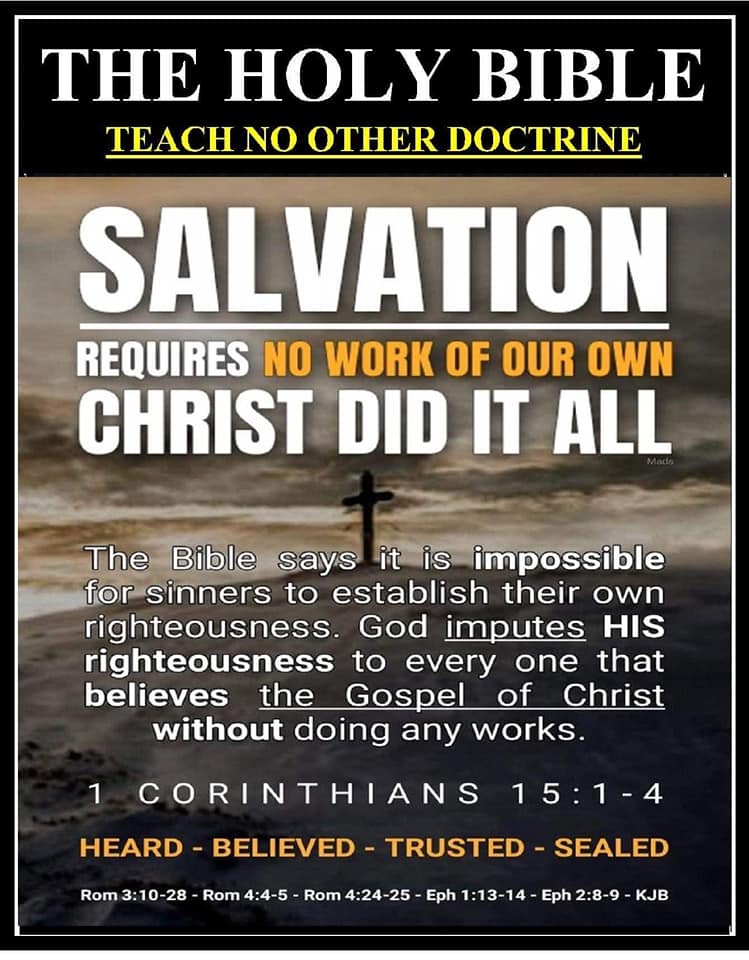
If humanity cannot bridge the gap, Christianity argues that God bridge it instead. Salvation is framed as an act of “grace”—a free, unmerited gift. Central to this is the role of Jesus Christ. According to orthodox Christian belief, Christ’s life, sacrificial death on the cross, and subsequent resurrection were the mechanisms by which this reconciliation was achieved. The theological assertion is that Jesus took the penalty for human sin upon Himself, satisfying the requirements of divine justice and opening the way for humanity to be reconciled to God. Therefore, being “saved” is not an accomplishment of the individual, but rather the reception of a work already completed by another.
The Process of Appropriation: Faith and Response
If salvation is a gift, how does it move from being a theological proposition to a personal reality? This is where the concepts of faith and repentance become essential. These are not works that earn salvation, but rather the mechanism through which the gift is received and acknowledged.
The Role of Faith
In Christianity, faith is more than intellectual assent. It is not enough to simply believe that God exists or that historical facts about Jesus are true. True saving faith, as defined in New Testament writings, is an active reliance, a wholehearted trust, and a total commitment of the individual to the person of Jesus Christ as Savior and Lord. It is the act of turning one’s reliance away from self-sufficiency and placing it entirely in the sufficiency of Christ.
Repentance as a Turning Point
Complementing faith is the concept of repentance. Often misunderstood as merely feeling guilty for past mistakes, biblical repentance is a fundamental change of mind and direction. It is a turning away from the path of sin and self-centeredness and a turning toward God. It represents a shift in orientation. One cannot truly accept the gift of salvation without simultaneously recognizing the need to change the direction in which their life is headed.
The Assurance of Salvation
Once a person has placed their faith in Christ, a fundamental change in their standing before God is said to occur. This is often referred to as “justification”—a legal declaration where the believer is deemed righteous in God’s sight, not because they are inherently perfect, but because they are credited with the righteousness of Christ. This status provides the believer with the assurance that their relationship with God is secure, not based on their fluctuating feelings or performance, but on the enduring promise and faithfulness of God.
Living the Saved Life: Transformation and Sanctification
Being saved is often portrayed in popular culture as the “finish line”—a transaction that ensures a desirable outcome in the afterlife. However, within historical and orthodox Christianity, salvation is not the end of the journey; it is the beginning. It initiates a process of transformation known as “sanctification,” wherein the believer is progressively conformed to the likeness of Christ.
The Internal Work of the Holy Spirit
Christianity teaches that the moment a person is saved, they receive the indwelling of the Holy Spirit. This is not merely a symbolic gesture; it is understood as a vital, transformative presence within the believer. The Holy Spirit acts as a counselor, guide, and catalyst for change. The life of a saved individual should, over time, manifest what the Bible describes as the “fruit of the Spirit”—qualities such as love, joy, peace, patience, kindness, goodness, faithfulness, gentleness, and self-control.
A Changed Trajectory
If the direction of one’s life does not change, it raises profound questions about the nature of the faith involved. While perfection is not expected and Christians continue to struggle with sin, the overarching trajectory of a saved life is one of movement toward holiness. It is an intentional, ongoing pursuit of living in accordance with the values of the Kingdom of God, rather than the values of the world. This brings the reality of salvation into the sphere of daily practical living, affecting how an individual manages relationships, handles money, uses their time, and interacts with society.
Community and Stewardship
Being saved is also inherently communal. It is not meant to be a private, isolated experience. The Christian tradition emphasizes the importance of the church—a community of believers who support, challenge, and hold one another accountable in their journey of transformation. Furthermore, salvation changes a person’s worldview regarding their purpose on earth. It shifts the focus from living for one’s own immediate gratification to living as a steward of God’s gifts, using one’s talents and resources to contribute positively to the lives of others and to further the message of hope that brought them salvation in the first place.
The Scope of Salvation: Present and Future
Finally, to understand what it means to be saved, one must look at the scope of this salvation, which Christians view as having both immediate present-tense implications and ultimate future-tense fulfillment.
Salvation for the Present
In the present, salvation provides peace with God, liberation from the mastery of sin, and a new identity. It offers a framework for understanding suffering, purpose, and morality. The believer is saved from the existential emptiness that often accompanies a life without a transcendent center. They are saved from the crushing weight of having to earn their own value through achievements. Instead, they find their worth in being known and loved by God.

The Hope of Future Glory
The Christian hope does not stop at the grave. A central pillar of the faith is the promise of final redemption—the restoration of all things and the resurrection of the body. For the Christian, being saved includes the confident expectation of a future existence free from the presence of sin, sickness, and death. It is the hope of dwelling in the presence of God eternally. This future promise gives context to present struggles, providing the resilience to endure hardships with the knowledge that the current reality is not the final chapter.
In conclusion, to be saved as a Christian is to experience a radical shift in one’s entire existence. It is a transition from alienation to reconciliation, from spiritual death to life, and from self-rule to God-rule. It is a reality that is received by faith, confirmed by the ongoing work of the Holy Spirit, and lived out through a life of love and obedience. It is not a static status, but a dynamic, ever-deepening relationship with the Creator that transforms the individual from the inside out, affecting how they live today and securing their hope for eternity.
aViewFromTheCave is a participant in the Amazon Services LLC Associates Program, an affiliate advertising program designed to provide a means for sites to earn advertising fees by advertising and linking to Amazon.com. Amazon, the Amazon logo, AmazonSupply, and the AmazonSupply logo are trademarks of Amazon.com, Inc. or its affiliates. As an Amazon Associate we earn affiliate commissions from qualifying purchases.