
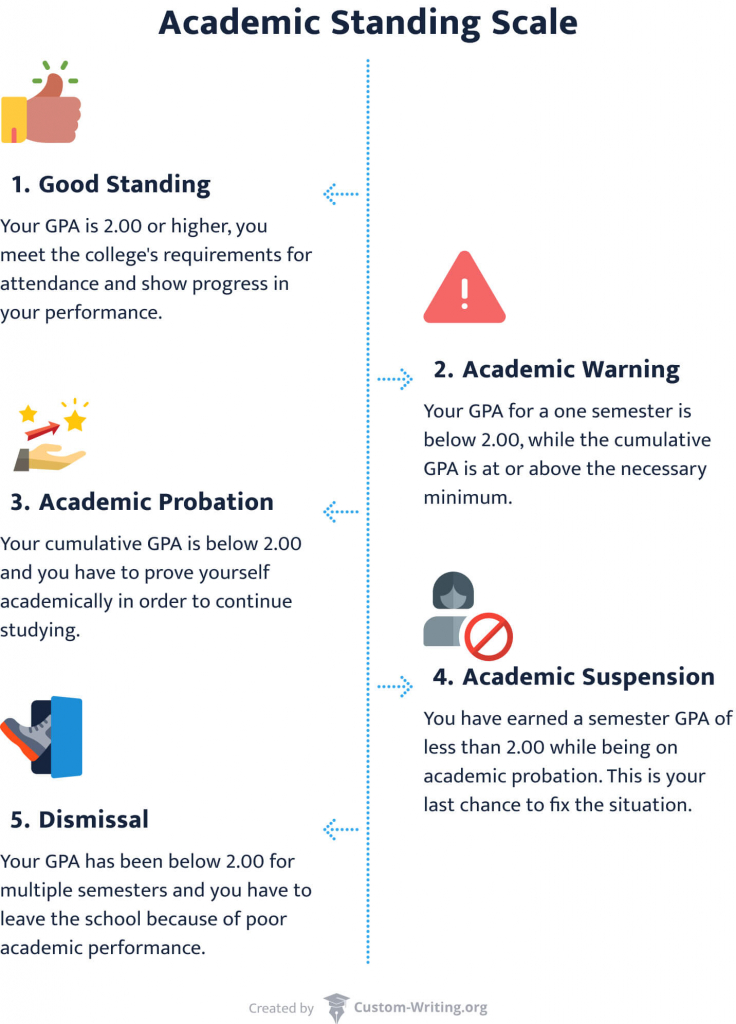
Academic probation is frequently discussed as a pedagogical warning or a disciplinary measure, but for the modern student and their family, it is fundamentally a financial crisis. In the landscape of higher education, where tuition costs have outpaced inflation for decades, a student’s academic standing is a direct indicator of the health of a major financial investment. Being placed on academic probation means that a student has fallen below the minimum cumulative Grade Point Average (GPA) required by their institution—usually a 2.0 on a 4.0 scale. While the immediate focus is often on study habits, the underlying reality is that academic probation triggers a cascade of fiscal consequences that can jeopardize a student’s long-term net worth, debt-to-income ratio, and professional marketability.
The Financial Cost of Academic Probation: Beyond the Tuition Bill
The most immediate and devastating impact of academic probation is its effect on financial aid eligibility. Most forms of financial assistance, including federal loans, Pell Grants, and institutional scholarships, are tied to a standard known as Satisfactory Academic Progress (SAP). Under federal law, institutions must monitor SAP to ensure that students are making measurable progress toward their degree.
The SAP Connection and Federal Funding
When a student is placed on academic probation, they are often one step away from losing their federal financial aid entirely. SAP requirements generally involve three components: a minimum GPA, a minimum completion rate (percentage of attempted credits earned), and a maximum timeframe for degree completion. Falling into probation usually signals a failure in the GPA or completion rate categories. If a student fails to improve their standing during the “warning” period, they lose access to subsidized and unsubsidized federal loans. For many, this effectively ends their higher education journey, leaving them with the debt of several semesters but no degree to facilitate the higher earnings required to pay it back.
Loss of Merit-Based Scholarships
While federal aid has some flexibility for appeals, merit-based scholarships are often far more rigid. Private donors and university endowments frequently stipulate that a student must maintain a specific GPA—often higher than a 2.0—to retain their funding. A single semester on academic probation can result in the immediate revocation of these funds. From a personal finance perspective, this creates a sudden, unplanned “funding gap” that must be filled with high-interest private loans or out-of-pocket payments, significantly increasing the total cost of the degree.
The Hidden Costs of Retaking Classes
Academic probation often necessitates retaking failed or low-grade courses to boost the cumulative GPA. From a business standpoint, this is a classic “sunk cost” scenario that requires new capital. If a student must spend an extra semester or year in school to repeat coursework, they are not just paying for additional credits; they are also incurring the costs of another year of housing, meal plans, and student fees. In many cases, an extra year of college can cost between $25,000 and $60,000 depending on the institution, representing a significant loss of capital that could have been used for retirement savings or home equity.
Protecting Your Investment: Risk Management for the Modern Student
Viewed through the lens of investment, a college degree is an asset intended to yield a high internal rate of return (IRR). Academic probation represents a period of “underperformance” of that asset. To protect the investment, students and parents must engage in rigorous risk management to ensure that the setback does not become a permanent financial failure.
Opportunity Cost of Delayed Graduation
One of the most overlooked financial aspects of academic probation is the opportunity cost of delayed entry into the workforce. If a student graduates one year late due to academic struggles, they are not just losing the money spent on tuition; they are losing their first year of professional salary. For a graduate entering a field like software engineering or finance, this could represent a $70,000 to $90,000 loss in gross income. When compounded over a 40-year career, that “lost year” of earnings and the subsequent delay in retirement contributions can result in a net wealth difference of hundreds of thousands of dollars.
Private Loan Eligibility and Credit Scores
For students who rely on private lending to bridge the gap between federal aid and the cost of attendance, academic probation can be a red flag for lenders. Private lenders often require a co-signer and may conduct periodic reviews of a student’s status. While a GPA might not directly impact a credit score, the inability to graduate on time or the loss of aid may lead to increased borrowing or missed payments on other obligations. Furthermore, some private loan products have “academic progress” clauses that could impact the disbursement of future tranches of capital.

Long-Term ROI and Professional Marketability
In the competitive corporate environment, a degree is often viewed as a credential of reliability and competence. While many employers prioritize experience, the first professional “gatekeeper” is often a digital screening process that looks at academic performance. Academic probation can create a “stigma” on a transcript that affects a student’s “brand value” in the labor market.
Impact on Graduate School and Professional Certifications
For students planning on careers in law, medicine, or high-level business management, academic probation can be a significant hurdle. Graduate school admissions committees often view a period of probation as a risk factor. If a student is barred from top-tier graduate programs due to a poor undergraduate record, their lifetime earning potential may be capped. This is a direct hit to the ROI of the undergraduate degree, as the “premium” associated with advanced specialized degrees is lost.
Entry-Level Earnings and the “GPA Floor”
Many Fortune 500 companies and prestigious consulting firms have a “GPA floor”—a minimum requirement (often 3.0 or 3.5) to even be considered for an interview. Being on academic probation makes it mathematically difficult to reach these floors by graduation. This forces the student to look for employment in lower-paying tiers of the market. From a financial planning perspective, this lower starting salary trajectory means less “disposable income” to put toward debt servicing, potentially leading to a longer period of “debt bondage.”
Strategizing a Financial Recovery Plan
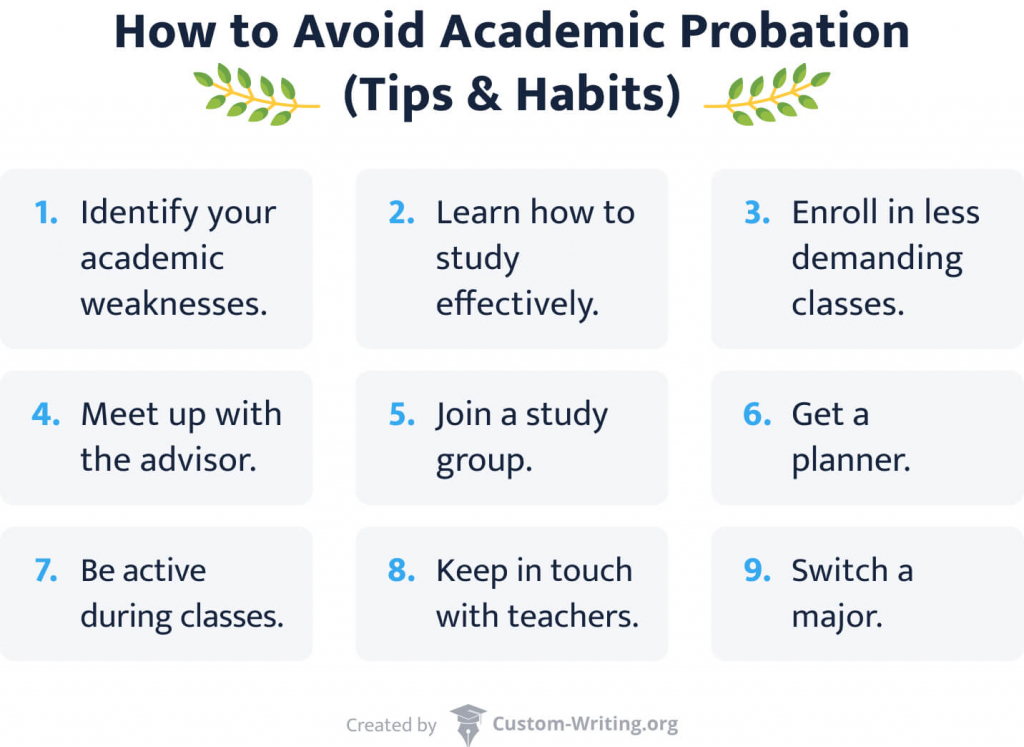
Once a student is placed on academic probation, they must treat their academic recovery as a financial turnaround project. This requires more than just better time management; it requires a strategic reallocation of resources to ensure that the financial path remains viable.
Navigating the Financial Aid Appeal Process
If a student loses their aid due to SAP failure, they often have the right to an appeal based on “extenuating circumstances” (such as a medical emergency or a death in the family). This appeal is essentially a business proposal to the university’s financial aid office. The student must demonstrate not only what went wrong but also a concrete plan for how they will improve. Successfully navigating this process is critical to preventing the total loss of the educational investment.
Budgeting for Supplemental Support
To exit probation, a student may need to invest in additional resources, such as private tutoring, educational coaching, or diagnostic testing for learning disabilities. While these are additional out-of-pocket expenses, they should be viewed as “corrective maintenance” on the degree asset. Spending $1,000 on a tutor to pass a difficult quantitative course is a sound financial decision if it prevents the loss of a $20,000 annual scholarship.
The Business of Education: Why Institutions Use Probation
It is important to understand that from the university’s perspective, academic probation is a risk-mitigation tool for their own brand and financial health. Universities are ranked based on their graduation rates and the “quality” of their alumni. A student who is struggling is a risk to the institution’s metrics. By placing a student on probation, the university is signaling that the current “business model” of that student’s education is failing and requires an intervention.
Conclusion: The Bottom Line on Academic Standing
Academic probation is far more than a “slap on the wrist” for poor grades; it is a financial warning light. It signals that the capital—both time and money—being invested into a degree is at risk of producing a zero or negative return. For the student-investor, the goal must be to stabilize the “asset” (the GPA), secure the “funding” (financial aid), and minimize the “carrying costs” (extra semesters).
By treating academic probation with the same seriousness as a business treats a quarterly loss, students can implement the necessary “pivots” to protect their future earning potential. In the modern economy, your transcript is your first financial statement. Ensuring it reflects growth and stability is the first step toward long-term financial independence and professional success. Academic probation is a high-stakes moment that requires a calculated, finance-focused response to ensure that the high cost of education eventually pays off in the form of a lucrative and stable career.
aViewFromTheCave is a participant in the Amazon Services LLC Associates Program, an affiliate advertising program designed to provide a means for sites to earn advertising fees by advertising and linking to Amazon.com. Amazon, the Amazon logo, AmazonSupply, and the AmazonSupply logo are trademarks of Amazon.com, Inc. or its affiliates. As an Amazon Associate we earn affiliate commissions from qualifying purchases.