
The term “codependency” often conjures images of overly enmeshed relationships, where one person’s needs are consistently sacrificed for another’s. While this core understanding remains, the modern landscape, heavily influenced by technology and intertwined with our personal and professional lives, adds new layers of complexity to what it means to be codependent. In a world where our digital presence is an extension of ourselves, and financial well-being is inextricably linked to our online activities and personal branding, understanding codependency takes on a nuanced and multifaceted meaning.
This exploration delves into the nature of codependency, examining its roots, its manifestations in various relationships, and importantly, how the pervasive influence of technology, brand identity, and financial considerations shape its expression and impact in our lives today.
Understanding the Core of Codependency: Beyond the Surface
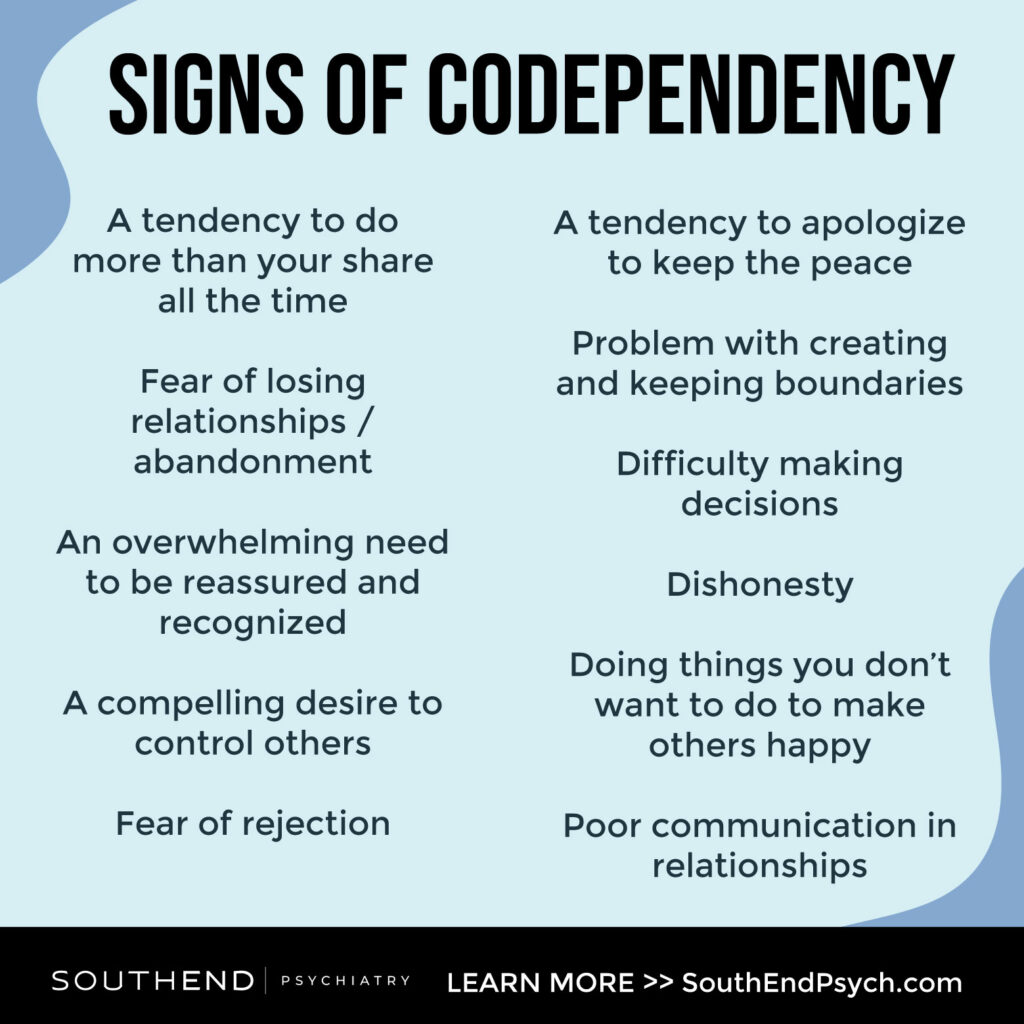
At its heart, codependency describes a pattern of behavior and thinking that revolves around an excessive reliance on another person for approval and identity. It’s not simply about being helpful or caring; it’s a dysfunctional relationship dynamic where one individual’s well-being is heavily contingent on meeting the needs and desires of another, often at the expense of their own.
Key Characteristics of Codependent Behavior
Several core characteristics define codependent behavior, which can manifest across romantic partnerships, family dynamics, friendships, and even professional relationships.
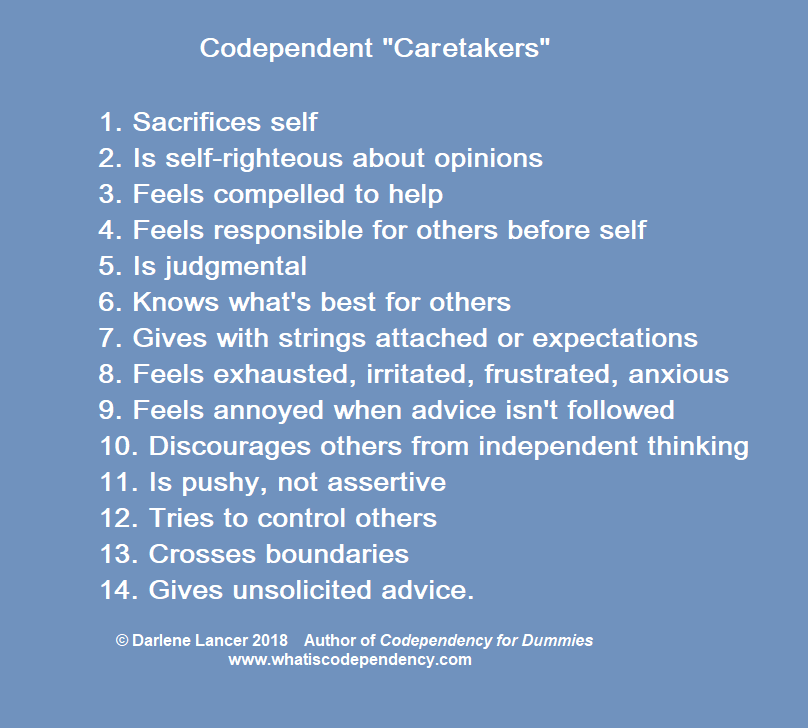
- Excessive Caretaking and People-Pleasing: Codependent individuals often feel an overwhelming need to care for others, anticipate their needs, and ensure their happiness. This can lead to neglecting their own needs, desires, and even physical or emotional health. The drive to please is often so strong that saying “no” becomes an almost impossible feat.
- Low Self-Esteem and Lack of Identity: A hallmark of codependency is a fragile sense of self-worth. Individuals often derive their sense of value from the approval and validation of others. Their identity can become so intertwined with the other person that they struggle to define who they are independently.
- Difficulty with Boundaries: Codependents often struggle to establish and maintain healthy boundaries. They may allow others to intrude on their personal space, time, or emotional well-being without asserting their limits. Conversely, they might also struggle to recognize or respect the boundaries of others.
- Fear of Rejection and Abandonment: The underlying fear of being unloved or abandoned is a powerful motivator in codependent behavior. This fear can drive the incessant need to please and maintain the relationship at all costs, even if it’s unhealthy.
- Control and Manipulation (Often Unconscious): While seemingly altruistic, codependents can engage in subtle forms of control or manipulation to ensure the other person remains dependent on them. This isn’t always malicious; it can stem from a desperate attempt to maintain the relationship dynamic they believe is essential for their own survival.
- Enabling Behavior: Codependents often enable the destructive behaviors of others by shielding them from the consequences of their actions. This can manifest as making excuses for addiction, financial irresponsibility, or unhealthy emotional patterns.
The Impact on Personal Well-being
The relentless focus on others at the expense of oneself can have profound negative impacts on a codependent individual’s mental, emotional, and even physical health. This can include:
- Anxiety and Depression: The constant stress of managing another person’s needs and the underlying fear of rejection can lead to chronic anxiety and depression.
- Burnout and Exhaustion: The emotional and physical toll of excessive caretaking can result in severe burnout and a feeling of perpetual exhaustion.
- Resentment: Despite their efforts to please, codependents often harbor deep-seated resentment towards those they feel they are constantly sacrificing for.
- Loss of Self: Over time, the erosion of personal identity can lead to a profound sense of emptiness and a feeling of being lost.
Codependency in the Digital Ecosystem: Tech’s Double-Edged Sword
The advent and ubiquitous nature of technology have introduced new dimensions to codependent dynamics, creating both challenges and opportunities for understanding and addressing these patterns. The digital realm can amplify existing codependent tendencies, making it harder to disconnect and establish healthy boundaries.
The Amplification of Enabling and Validation Seeking
Technology, particularly social media and communication platforms, provides fertile ground for codependent behaviors to flourish.
- Constant Availability and Responsiveness: Smartphones and constant connectivity create an expectation of immediate availability. Codependents might feel compelled to respond instantly to messages, calls, and notifications, even at the expense of their own time and well-being. This constant responsiveness can be a form of seeking validation: “If I’m always there, they’ll value me.”
- Digital Enabling: Online platforms can be used to facilitate enabling behaviors. For example, someone might send money through a digital payment app to enable a partner’s addiction or cover up their financial irresponsibility. Online communication can also be used to constantly check on a partner, seeking reassurance and monitoring their activities.
- Curated Online Personas: The pressure to present a perfect life online can be a significant source of codependency. Individuals might meticulously curate their social media feeds to reflect the desires or expectations of their partner, friend, or family member, sacrificing their authentic selves for external approval. This also applies to the reverse: seeking validation for their own curated online persona by constantly checking likes, comments, and engagement.
- Algorithmic Reinforcement: The very design of many tech platforms can inadvertently reinforce codependent tendencies. Algorithms that prioritize engagement can lead individuals to spend excessive time seeking external validation through likes and shares, blurring the lines between genuine connection and the need for approval.
- Digital Boundaries Erosion: The blurring of work and personal life, facilitated by technology, can make it harder to establish and maintain boundaries. A codependent individual might feel obligated to respond to work emails or messages from colleagues or supervisors outside of work hours, further sacrificing their personal time and energy.
Tech as a Tool for Connection (and Disconnection)
While technology can be a breeding ground for codependency, it can also offer pathways to healing and healthier relationships.

- Therapy and Support Networks: Online therapy platforms and virtual support groups provide accessible avenues for individuals struggling with codependency to seek professional help and connect with others who understand their experiences.
- Educational Resources: The vast amount of information available online about codependency can empower individuals to educate themselves, recognize their patterns, and find strategies for change.
- Digital Detox and Mindfulness Apps: Tools that promote digital detox, mindfulness, and time management can help codependents regain control over their technology use and establish healthier boundaries.
- Online Communities for Growth: Dedicated online forums and communities focused on personal growth and healthy relationships can offer support, advice, and encouragement for individuals working on breaking free from codependent patterns.
The Interplay of Brand and Codependency: Identity in the Digital Age
In today’s hyper-connected world, our personal and professional brands are often extensions of ourselves, carefully crafted and projected for others to see. This intertwines the concepts of brand building with the dynamics of codependency in significant ways.
The Brand as a Shield or a Crutch
For individuals prone to codependency, their brand can become a tool to either mask their insecurities or to further entrench their reliance on external validation.
- The “Perfect” Personal Brand: A codependent individual might obsess over their personal brand, meticulously curating their online presence, resume, and professional interactions to align with what they believe others expect or admire. This can be a way of seeking external validation for their worth, believing that a flawless brand will guarantee acceptance and approval. Their identity becomes tied to how well they “perform” their brand.
- Brand as a Mask for Insecurity: Conversely, a strong, polished brand can act as a shield, masking underlying feelings of inadequacy or the fear of being “found out.” The focus on external presentation can distract from addressing the core issues of low self-esteem and lack of personal identity.
- Corporate Identity and Codependent Dynamics: Within organizations, codependent dynamics can also influence corporate branding. Teams might prioritize pleasing stakeholders or market trends over their genuine brand vision, leading to inconsistent messaging and a diluted identity. Leaders who exhibit codependent traits might over-index on external validation for their company’s success, impacting strategic decisions.
- Marketing and the Fear of Missing Out (FOMO): Marketing campaigns often tap into our desire for belonging and approval, inadvertently playing into codependent tendencies. The constant bombardment of trends and aspirational lifestyles can fuel the fear of missing out, driving individuals to conform and seek validation through consumption or by aligning their personal brand with these trends.
Reclaiming Authenticity: Building a Brand from Within
Breaking free from codependency involves a shift from seeking external validation to cultivating an authentic sense of self, which then informs a genuine brand.
- Brand as an Expression of Self: A healthy approach to branding involves understanding and expressing one’s true values, strengths, and passions. When brand building stems from a place of self-knowledge and confidence, it becomes an authentic representation rather than a performance.
- Setting Brand Boundaries: Just as personal boundaries are crucial, so are brand boundaries. This means understanding what aspects of your professional or personal brand you are willing to share and what remains private, ensuring your brand serves your authentic self rather than dictating it.
- Focusing on Internal Validation: True brand strength comes from internal conviction and integrity, not solely from external metrics like likes, followers, or accolades. Shifting the focus to delivering value and living by one’s principles fosters a more resilient and authentic brand.
- Case Studies of Authentic Branding: Examining case studies of individuals or companies that have built strong brands based on authenticity, even in the face of criticism or non-conformity, can provide valuable inspiration for those seeking to integrate their brand with their true selves.
Money, Relationships, and the Codependent Trap: Financial Entanglements
Financial matters are often deeply intertwined with personal relationships, and for individuals struggling with codependency, money can become another arena for unhealthy dynamics. The topics of personal finance, investing, online income, side hustles, business finance, and financial tools all intersect with codependent patterns.
Financial Codependency: Enabling and Dependency
Codependency can manifest financially through enabling behaviors, a lack of personal financial responsibility, and an over-reliance on others for financial security.
- Enabling Financial Irresponsibility: Codependents might consistently bail out partners, family members, or friends who are financially irresponsible. This can involve paying off debts, covering living expenses, or making excuses for their financial shortcomings, thereby preventing them from learning from their mistakes.
- Sacrificing Personal Financial Goals: In pursuit of pleasing or supporting another, a codependent individual might neglect their own savings, investments, or retirement planning. Their financial well-being becomes secondary to meeting the immediate financial needs of others.
- Financial Control and Power Imbalances: In some codependent relationships, one partner may exert financial control over the other, limiting their access to funds or dictating spending. This can be a subtle form of manipulation designed to maintain dependency.
- Fear of Financial Independence: The fear of being alone or unsupported can lead to a reluctance to achieve financial independence, even when opportunities exist. The perceived security of being financially tied to another, even in an unhealthy way, can be a powerful deterrent.
- Online Income and Side Hustles as a Source of External Validation: While online income and side hustles can be empowering, for codependents, the pursuit of them can be driven by the need for external validation. Success in these ventures might be primarily focused on impressing others or proving their worth through financial achievement, rather than genuine interest or skill development.
Towards Financial Empowerment and Healthy Boundaries
Addressing financial codependency requires cultivating financial literacy, setting clear boundaries, and developing a healthy relationship with money.
- Personal Finance Education: Understanding personal finance principles, budgeting, saving, and investing is crucial for breaking free from financial codependency. This knowledge empowers individuals to take control of their own financial futures.
- Setting Financial Boundaries: Clearly defining financial responsibilities within relationships is essential. This can involve open communication about finances, setting limits on lending money, and establishing separate financial accounts if necessary.
- Prioritizing Personal Financial Goals: Codependents need to learn to prioritize their own financial goals, recognizing that their financial well-being is just as important as that of others. This includes consistent saving, investing for the future, and building an emergency fund.
- Leveraging Financial Tools for Independence: Utilizing financial tools like budgeting apps, investment platforms, and online banking can provide individuals with greater control and transparency over their finances, fostering a sense of empowerment and independence.
- Business Finance and Entrepreneurship with Healthy Foundations: For those venturing into business finance or entrepreneurship, it’s vital to build their ventures on solid principles of financial responsibility and personal well-being, rather than solely on the pursuit of external validation or the need to prove themselves to others.
In conclusion, understanding what it means to be codependent in the 21st century requires a broad perspective that encompasses the pervasive influence of technology, the intricate construction of personal and corporate brands, and the deeply interconnected nature of money and relationships. By recognizing how these forces shape codependent patterns, individuals can begin to dismantle unhealthy dynamics, cultivate healthier connections, and build lives grounded in authenticity, self-worth, and genuine well-being. The journey to overcoming codependency is one of self-discovery, boundary setting, and ultimately, reclaiming one’s own narrative in an increasingly complex world.
aViewFromTheCave is a participant in the Amazon Services LLC Associates Program, an affiliate advertising program designed to provide a means for sites to earn advertising fees by advertising and linking to Amazon.com. Amazon, the Amazon logo, AmazonSupply, and the AmazonSupply logo are trademarks of Amazon.com, Inc. or its affiliates. As an Amazon Associate we earn affiliate commissions from qualifying purchases.