
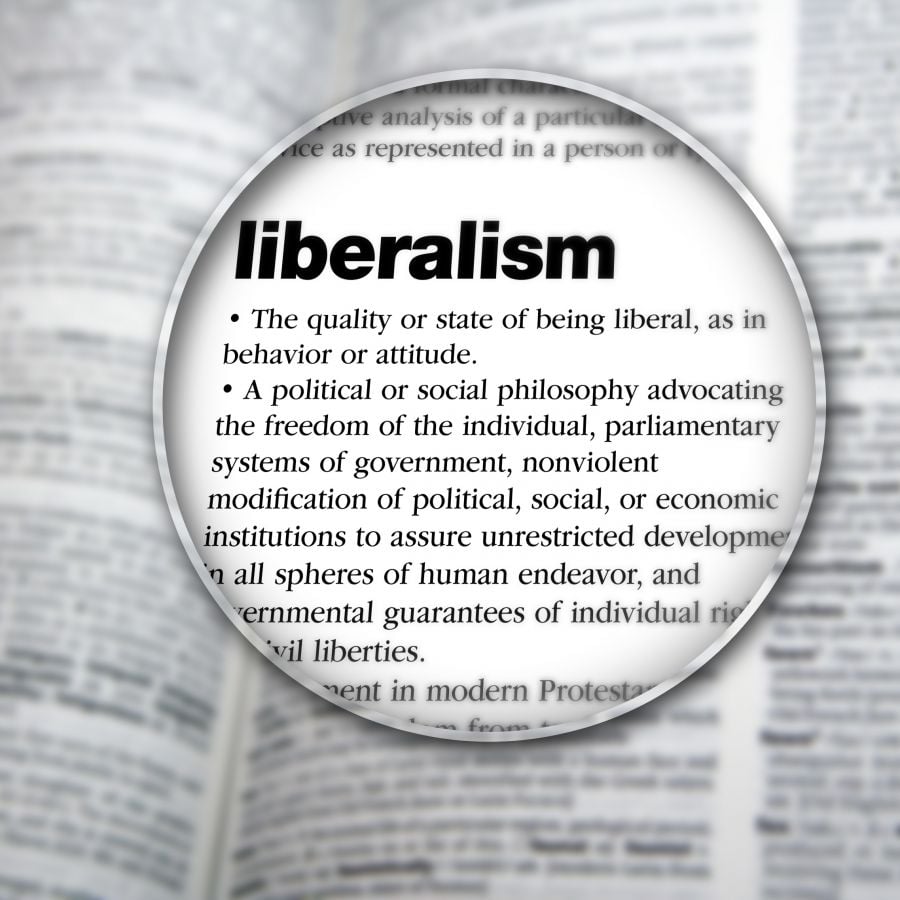
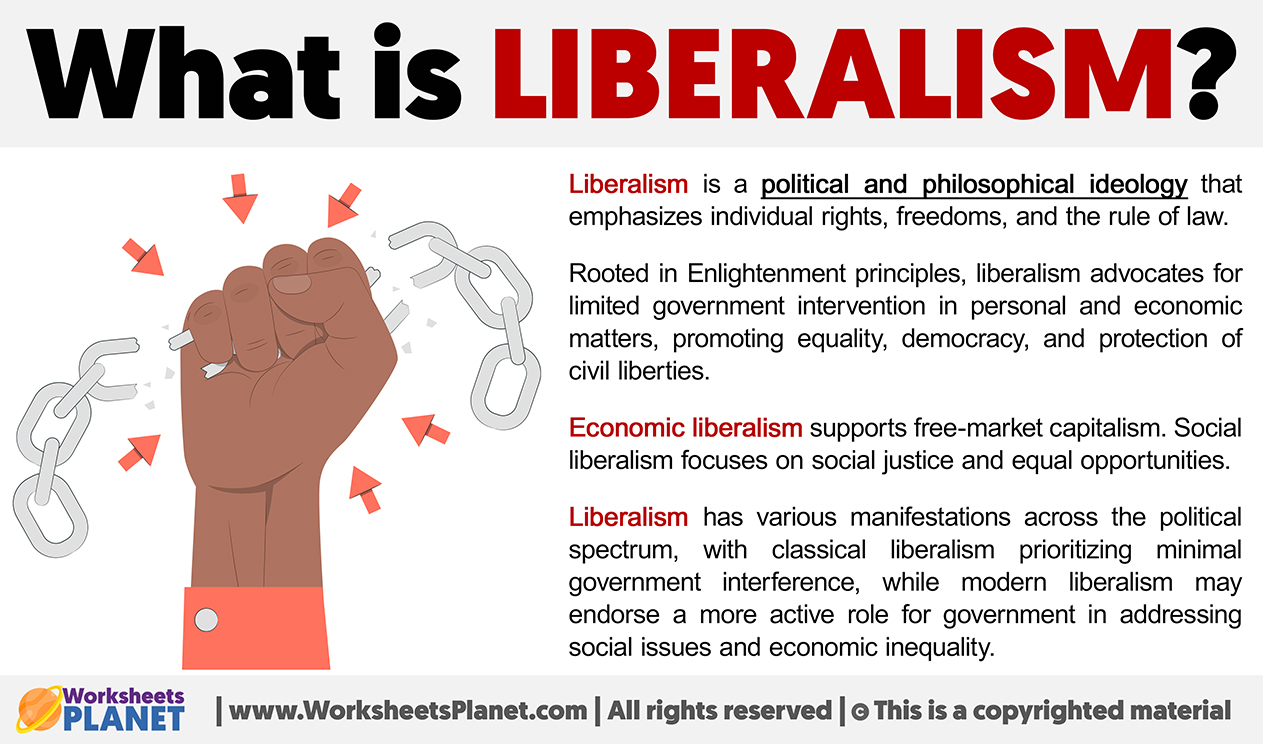
The term “liberal” in politics is often tossed around, sometimes with reverence, other times with derision, and frequently without a clear understanding of its core tenets. To truly grasp what it means to be a liberal in politics is to delve into a philosophy that emphasizes individual liberty, equality, and social progress, often through the intervention of government. While its historical roots and specific policy manifestations can evolve, the underlying spirit remains consistent: a belief in the capacity for human improvement and a commitment to creating a society where everyone has the opportunity to thrive.

In contemporary political discourse, liberalism is often contrasted with conservatism. While conservatives tend to emphasize tradition, individual responsibility, and limited government intervention, liberals generally advocate for a more active role for government in addressing social and economic inequalities, protecting civil liberties, and promoting social justice. This does not imply a rejection of individual responsibility, but rather a recognition that systemic issues often require collective solutions, facilitated by governmental action. Understanding liberalism requires exploring its foundational principles, its approach to economic policy, and its stance on social issues.
Core Principles of Liberalism
At its heart, liberalism is built upon a bedrock of fundamental principles that guide its approach to governance and societal organization. These principles are not rigid dogma but rather guiding stars that illuminate the path towards a more just and equitable future. Understanding these core tenets is crucial for comprehending the liberal worldview.
Individual Liberty and Autonomy
The paramount importance of individual liberty is a cornerstone of liberal thought. This encompasses a wide range of freedoms, including freedom of speech, religion, assembly, and the press. Liberals believe that individuals should have the autonomy to make their own choices and live their lives as they see fit, as long as those choices do not infringe upon the liberties of others. This commitment extends to protecting individuals from undue governmental intrusion and safeguarding their right to privacy.
Beyond mere freedom from restraint, liberal thought also champions positive liberty – the freedom to act and pursue one’s goals. This often necessitates access to resources and opportunities that enable individuals to truly exercise their freedoms. For instance, freedom of speech is enhanced when individuals have access to education and information.
Equality and Social Justice
Another defining characteristic of liberalism is its unwavering commitment to equality. This is not simply about treating everyone the same, but about recognizing and rectifying historical and systemic disadvantages that have prevented certain groups from achieving their full potential. Liberalism advocates for equal opportunity, meaning that everyone should have a fair chance to succeed regardless of their background, race, gender, sexual orientation, or socioeconomic status.
This pursuit of equality naturally leads to a strong emphasis on social justice. Liberals believe that society has a collective responsibility to address poverty, discrimination, and other forms of injustice. They advocate for policies that promote fairness and ensure that everyone has access to basic necessities like healthcare, education, and housing. This often involves affirmative action or targeted programs designed to uplift marginalized communities and correct historical wrongs.
Progress and Reform
Liberals are generally optimistic about the future and believe in the capacity for societal improvement through thoughtful reform. They are often at the forefront of advocating for social change and challenging existing inequalities or outdated traditions that no longer serve the greater good. This does not mean a blind embrace of every new idea, but rather a willingness to critically evaluate existing structures and implement changes that promote greater fairness, liberty, and well-being for all.
This commitment to progress often manifests as a belief in the power of reason and evidence-based policymaking. Liberals tend to be open to new ideas and scientific advancements, viewing them as tools that can help society overcome challenges and build a better future.
Liberalism and Economic Policy
The liberal approach to economics is characterized by a belief that the free market, while a powerful engine for wealth creation, requires regulation and a safety net to ensure fairness and prevent exploitation. Liberals generally advocate for a mixed economy, where private enterprise operates within a framework of government oversight designed to protect workers, consumers, and the environment.
Government Intervention and Regulation
Liberals typically support a role for government in regulating industries to prevent monopolies, ensure fair competition, and protect consumers from unsafe products or deceptive practices. This includes regulations related to environmental protection, workplace safety, and financial markets. The goal is to create a level playing field and ensure that economic activity benefits society as a whole, rather than solely enriching a select few.
This often translates into support for progressive taxation, where higher earners contribute a larger percentage of their income to fund public services. Liberals argue that this is a just way to redistribute wealth and ensure that essential public goods are adequately resourced.
Social Safety Nets and Public Services
A crucial element of liberal economic policy is the commitment to robust social safety nets. This includes programs like unemployment insurance, social security, and affordable healthcare. Liberals believe that these programs are essential to provide a baseline of security for all citizens, preventing extreme poverty and ensuring that individuals can weather economic downturns or personal hardship without falling into destitution.
Furthermore, liberals champion strong public services, such as universal education, accessible healthcare, and affordable housing. They view these as investments in human capital and essential components of a just society, enabling individuals to reach their full potential and contribute to the economy and society.
Addressing Income Inequality
Liberals are deeply concerned with income inequality, viewing it as a threat to social cohesion and economic stability. They advocate for policies aimed at reducing the gap between the wealthiest and the poorest, such as raising the minimum wage, strengthening labor unions, and implementing policies that promote wealth sharing and equitable distribution.
The belief is that extreme wealth concentration can lead to undue political influence and stifle economic opportunity for the majority. Therefore, policies that aim to create a more equitable distribution of wealth are seen as essential for a healthy democracy and a thriving economy.
Liberalism and Social Issues
On social issues, liberalism is characterized by a commitment to individual rights, tolerance, and the dismantling of discriminatory practices. Liberals generally advocate for policies that promote inclusivity, protect minority groups, and ensure that all individuals are treated with dignity and respect.
Civil Rights and Liberties
The protection and expansion of civil rights and liberties are central to liberal social policy. This includes advocating for the rights of marginalized groups, such as racial minorities, LGBTQ+ individuals, women, and people with disabilities. Liberals champion anti-discrimination laws, equal marriage rights, and protections against hate speech and violence.
This commitment stems from the core liberal principle of individual autonomy and the belief that all individuals are entitled to equal treatment under the law and full participation in society.
Separation of Church and State
Liberals generally uphold the principle of separation of church and state, believing that government should remain neutral in matters of religion. This means ensuring that no religious group is favored over others and that individuals are free to practice their faith or no faith at all without governmental interference.
This principle is seen as vital for protecting religious freedom and preventing the imposition of religious dogma on the wider populace. It ensures that public policy is based on secular reasoning and serves the interests of all citizens, regardless of their religious beliefs.
Environmental Protection and Sustainability
Recognizing the interconnectedness of human well-being and the health of the planet, liberals typically advocate for strong environmental protection policies. This includes regulations to combat climate change, conserve natural resources, and reduce pollution. They believe that government has a crucial role to play in addressing environmental challenges and ensuring a sustainable future for generations to come.
This stance is rooted in the understanding that environmental degradation can disproportionately affect vulnerable populations and that collective action is necessary to address global environmental crises.
In conclusion, to be a liberal in politics is to embrace a worldview that prioritizes individual liberty, equality, and societal progress. It is a philosophy that recognizes the complexities of human society and advocates for thoughtful, often governmental, interventions to address inequalities, protect fundamental rights, and foster a more just, equitable, and sustainable world. While the specific policies and approaches may evolve with time and context, the underlying commitment to these core principles remains the defining characteristic of liberalism.
aViewFromTheCave is a participant in the Amazon Services LLC Associates Program, an affiliate advertising program designed to provide a means for sites to earn advertising fees by advertising and linking to Amazon.com. Amazon, the Amazon logo, AmazonSupply, and the AmazonSupply logo are trademarks of Amazon.com, Inc. or its affiliates. As an Amazon Associate we earn affiliate commissions from qualifying purchases.