
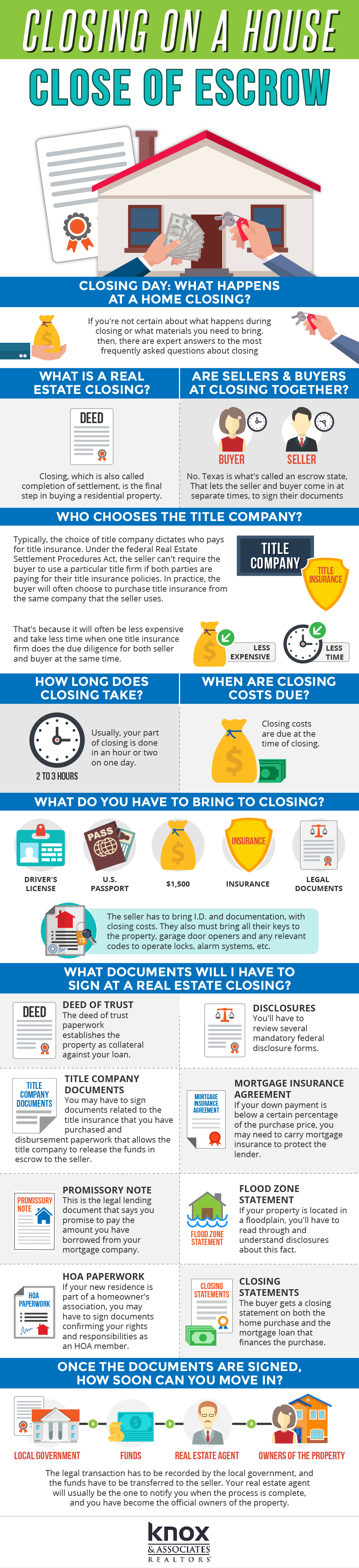
Closing on a house represents the culmination of weeks or even months of negotiations, inspections, and financial preparations. In essence, it is the final legal and financial step in the home-buying process, where ownership of the property officially transfers from the seller to the buyer. This critical juncture involves a complex interplay of legal documents, fund transfers, and a final review of all financial commitments, signifying a significant milestone in personal finance and asset acquisition. Understanding what closing entails from a monetary perspective is crucial for any prospective homeowner to navigate the process with confidence and avoid unexpected costs.
The Financial Orchestration Leading Up to Closing
The journey to closing is paved with numerous financial checkpoints and decisions that shape the final transaction. It’s a period of intense scrutiny over your financial health and the property’s value, all designed to ensure a smooth transfer of ownership and funds.
Securing Your Mortgage Funding
Before you even reach the closing table, securing your mortgage is arguably the most significant financial hurdle. This process typically involves pre-approval, followed by a full mortgage application, where lenders undertake a thorough underwriting process. Underwriting involves verifying your income, employment history, creditworthiness, assets, and liabilities. They assess your debt-to-income ratio (DTI) and loan-to-value (LTV) ratio to determine your eligibility and the terms of your loan. A crucial step here is locking in your interest rate, which protects you from market fluctuations between application and closing. Any discrepancies or changes in your financial situation during this period could jeopardize your final loan approval, highlighting the importance of maintaining financial stability. Conditional approval from the lender means they are prepared to fund the loan once all specific conditions, often related to the property itself, are met.
Understanding the Purchase Agreement and Contingencies
The purchase agreement is the foundational financial contract between buyer and seller. It outlines the agreed-upon sale price, payment terms, and crucial contingencies that must be satisfied before closing. Financially, the appraisal contingency is paramount. Lenders will order an appraisal to ensure the property’s market value supports the loan amount. If the appraisal comes in lower than the agreed-upon sale price, it can trigger renegotiations or require the buyer to cover the difference, impacting the down payment or out-of-pocket costs. Similarly, the inspection contingency allows buyers to request repairs or credits for discovered issues. These financial adjustments directly influence the final amount transferred at closing and underscore the importance of these initial contractual agreements. An earnest money deposit, typically 1-3% of the purchase price, is also paid into an escrow account shortly after the offer is accepted, demonstrating the buyer’s financial commitment and becoming part of the down payment or closing costs at the end.
The Anatomy of Closing Costs
Beyond the down payment, buyers are responsible for a range of additional expenses known as “closing costs.” These fees, typically ranging from 2% to 5% of the loan amount, cover the various services and administrative tasks required to finalize the home purchase. Understanding each component is vital for budgeting and avoiding financial surprises.
Lender Fees
Lender fees are charges imposed by your mortgage provider for processing your loan. These can include an origination fee, which covers the administrative costs of creating and processing the loan, typically 0.5% to 1.5% of the loan amount. You might also encounter application fees, underwriting fees, and potentially discount points, which are optional fees paid at closing to “buy down” your interest rate over the life of the loan. Each point usually costs 1% of the loan amount and can represent a significant upfront cost with the potential for long-term savings.
Third-Party Service Fees
Several independent third parties are involved in the closing process, and their services come with fees. An appraisal fee compensates the appraiser for determining the property’s market value. Inspection fees cover the cost of a professional home inspection, identifying potential issues. Title insurance is a crucial expense, protecting both the lender (lender’s title policy) and the buyer (owner’s title policy) against disputes over property ownership. This insurance ensures a clear title transfer, free from liens or other claims. Attorney fees are paid if an attorney represents you or is required by state law to conduct the closing. Escrow fees, or settlement fees, are paid to the escrow agent or title company for managing the closing process, including holding funds and documents.
Government and Recording Fees
These are fees collected by state and local governments. Transfer taxes, or deed taxes, are levied on the transfer of property ownership and can be a significant cost. Recording fees are paid to the local government to officially record the new deed and mortgage documents, making the transfer of ownership a public record. Prorated property taxes, paid by the seller up to the closing date, and by the buyer from that point forward, may also be factored into the closing costs, with adjustments made depending on local tax cycles.
Prepaid Expenses
Certain expenses must be paid in advance at closing to set up your new financial obligations as a homeowner. These often include homeowner’s insurance premiums for the first year, ensuring your investment is protected from day one. You’ll also typically prepay a portion of your property taxes and homeowner’s insurance premiums into an escrow account, which your lender will use to pay these recurring bills on your behalf in the future. Additionally, you may prepay daily interest charges from the closing date through the end of the month, as your first full mortgage payment won’t be due until the following month.

Navigating the Closing Disclosure (CD)
Three business days before closing, you will receive a Closing Disclosure (CD) from your lender. This critical document itemizes every cost associated with your loan and the entire transaction. It must be compared meticulously against the Loan Estimate (LE) you received earlier in the process. The CD details the loan terms, projected monthly payments, and all closing costs, including cash to close. It’s imperative to review it for any discrepancies or unexpected fees. This waiting period is specifically designed to give you time to ask questions and seek clarification on any financial aspects before the final signing.
The Closing Day: The Final Financial Exchange
Closing day is the moment all the financial pieces come together. It’s a significant event where final documents are signed, and funds are officially exchanged, making you the legal owner of your new home.
The Closing Table
Attendees at the closing often include the buyer(s), seller(s), real estate agents, the loan officer, and the closing agent or attorney. This gathering is where a mountain of paperwork—some 100 pages or more—is meticulously reviewed and signed. Key financial documents include the Promissory Note, which is your promise to repay the loan, detailing the loan amount, interest rate, and payment schedule. You’ll also sign the Deed of Trust or Mortgage, which gives the lender a lien on the property until the loan is fully repaid. Various other disclosures regarding your financial responsibilities and the property itself will also be signed. Each signature legally binds you to the terms and financial obligations outlined in the documents.
Funding and Final Payments
The most important financial aspect of closing day is the transfer of funds. As the buyer, you will typically wire the remaining balance of your down payment and your share of the closing costs to the escrow agent. This transfer must be verified before the closing can proceed. Once all documents are signed and funds are received, the closing agent disburses payments to all relevant parties: the seller receives the proceeds from the sale, the lender funds the mortgage, real estate agents receive their commissions, and third-party service providers are paid their fees. This precise orchestration ensures everyone involved in the transaction is compensated according to the purchase agreement and financial disclosures.
Receiving the Keys and Financial Ownership
Once all funds are disbursed and documents signed, the deed to the property is recorded with the local government, officially transferring legal ownership to you. This is the moment you receive the keys, signifying your financial and physical possession of the home. From this point forward, you are responsible for the mortgage payments, property taxes, homeowner’s insurance, and all other costs associated with homeownership. The financial clock starts ticking, with your first mortgage payment usually due about 30-45 days after closing.
Post-Closing Financial Realities and Future Planning
Closing on a house isn’t just the end of a process; it’s the beginning of a new financial chapter. Strategic planning post-closing is essential for long-term financial stability and maximizing your investment.
Budgeting for Homeownership
Your monthly housing costs will now encompass more than just principal and interest. You’ll need to budget for PITI (Principal, Interest, Taxes, Insurance), which includes your mortgage payment, property taxes, and homeowner’s insurance (often paid through an escrow account). Beyond PITI, factor in ongoing maintenance and repair costs, which can range from minor fixes to major system replacements. Experts often recommend setting aside 1% to 3% of the home’s value annually for maintenance. Utility costs, including electricity, gas, water, and internet, will also be part of your recurring budget.
Building Home Equity
As you make mortgage payments, a portion goes towards paying down the principal balance, gradually building your home equity. The amortization schedule illustrates this process, showing how more of your early payments go towards interest, while later payments contribute more significantly to principal reduction. Home equity also grows through property appreciation over time. Your house is now a significant asset in your personal financial portfolio, and understanding its value and how it contributes to your net worth is crucial.

Protecting Your Investment
Beyond routine maintenance, protecting your financial investment involves proactive measures. Regularly review your homeowner’s insurance policy to ensure adequate coverage as your home’s value or your personal belongings change. Keep an eye on market interest rates for potential refinancing opportunities, which could lower your monthly payments or allow you to tap into your home equity. A Home Equity Line of Credit (HELOC) or a home equity loan can be valuable financial tools, offering access to funds for renovations or other significant expenses, leveraging the asset you’ve worked so hard to acquire. Finally, integrating your home into your broader estate plan ensures your asset is managed according to your wishes in the future, providing long-term financial security for you and your beneficiaries.
aViewFromTheCave is a participant in the Amazon Services LLC Associates Program, an affiliate advertising program designed to provide a means for sites to earn advertising fees by advertising and linking to Amazon.com. Amazon, the Amazon logo, AmazonSupply, and the AmazonSupply logo are trademarks of Amazon.com, Inc. or its affiliates. As an Amazon Associate we earn affiliate commissions from qualifying purchases.