
The term “adjudicated” when applied to a bill often evokes images of legal proceedings or formal dispute resolution. In the realm of finance, especially within business operations, insurance claims, and even personal debt, understanding what it means for a bill to be adjudicated is crucial. It signifies a formal decision has been reached regarding the validity, amount, or payment obligation of a specific financial claim. This process can have significant ramifications, influencing cash flow, creditworthiness, and overall financial health. This article will delve into the multifaceted meaning of an adjudicated bill, exploring its implications across various financial contexts.
The Core Meaning: A Formal Decision on a Financial Obligation
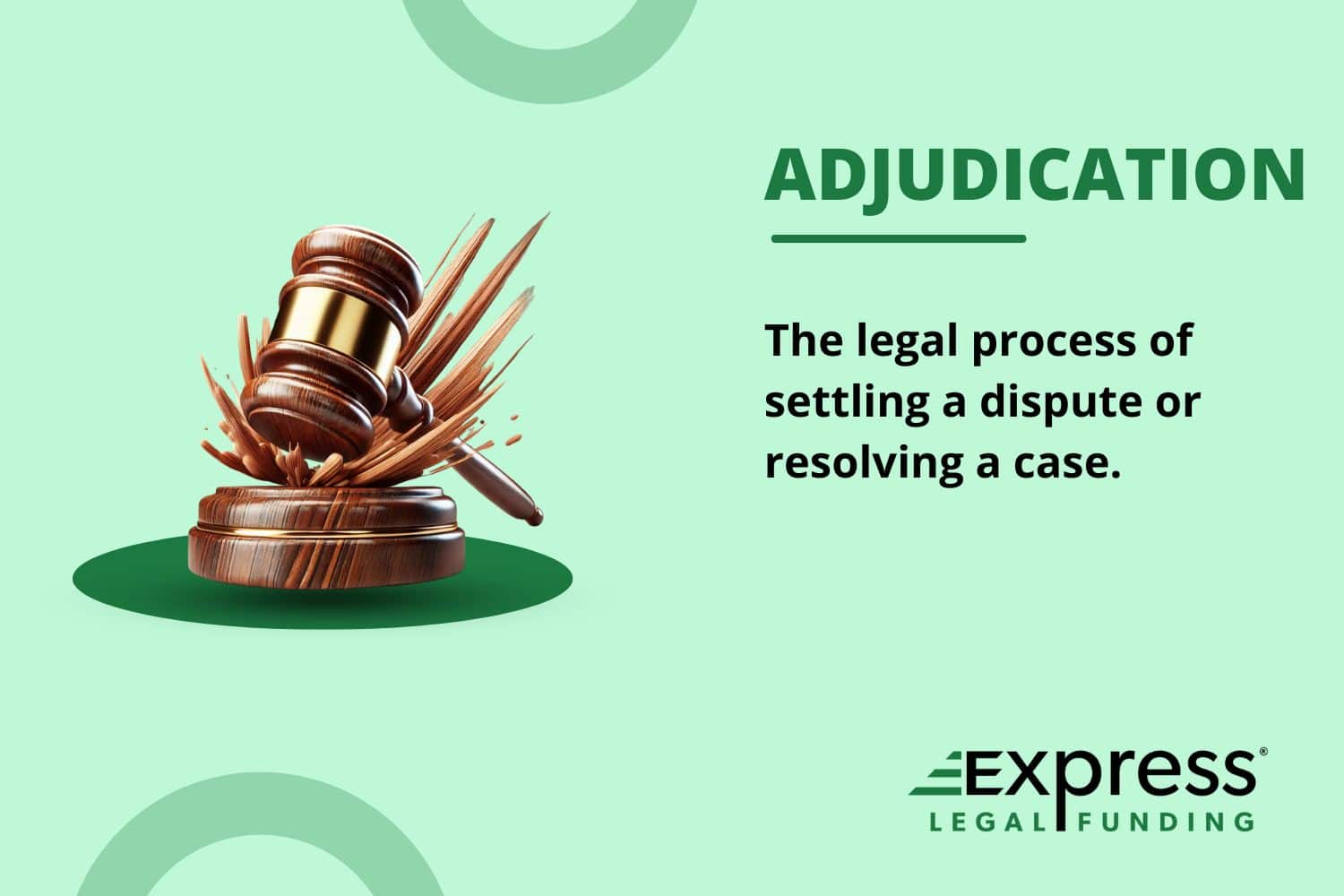
At its heart, adjudication of a bill means that a formal determination has been made by an authorized party or body. This decision resolves a dispute, clarifies an ambiguity, or confirms the legitimacy and payable amount of a financial charge. The adjudicating authority can vary widely depending on the situation, ranging from an insurance adjuster to a court of law, a regulatory body, or even an internal dispute resolution committee within a company. The key takeaway is that the bill is no longer a mere request for payment; it has undergone a structured evaluation process that has led to a definitive outcome.
Types of Adjudicating Authorities
The nature of the adjudicating authority is a significant indicator of the context and gravity of the bill’s adjudication.
Internal Adjudication
Many larger organizations, particularly in sectors like insurance and healthcare, have internal departments or processes dedicated to adjudicating claims. For example, an insurance company will have claims adjusters who review submitted claims against policy terms and conditions. Similarly, a large corporation might have an accounts payable department that adjudicates invoices from vendors, verifying their accuracy and compliance with contractual agreements before authorizing payment. This internal adjudication is typically focused on ensuring accuracy, preventing fraud, and adhering to company policies and contractual obligations.
External Adjudication
When internal processes fail to resolve a dispute or when the nature of the claim necessitates external oversight, bills can be adjudicated externally. This can involve:
- Regulatory Bodies: Government agencies or industry regulators may adjudicate bills related to compliance, penalties, or fees. For instance, tax authorities adjudicate tax bills, and regulatory bodies might adjudicate fees for permits or licenses.
- Arbitration and Mediation: In disputes between parties, particularly in contractual disagreements, arbitration or mediation can lead to an adjudicated outcome. An arbitrator or mediator, acting as a neutral third party, reviews evidence and makes a binding or non-binding decision on the bill.
- Courts of Law: For significant financial disputes, particularly those involving debt collection, contract breaches, or complex financial instruments, a court of law is the ultimate adjudicating authority. A judge or jury will hear the case and issue a legally binding judgment on the bill.
The Process of Adjudication
The adjudication process itself is designed to be thorough and fair, ensuring that decisions are based on evidence and established rules or laws. While the specifics vary, a general framework often includes:
Submission of Evidence and Documentation
The first step typically involves the submission of all relevant documentation. This could include invoices, receipts, contracts, policy documents, medical records, repair estimates, legal filings, and any other supporting evidence that clarifies the nature and validity of the bill. The claimant or the party responsible for payment will present their case, supported by these documents.
Review and Analysis
Once submitted, the evidence is meticulously reviewed and analyzed by the adjudicating authority. This involves comparing the submitted information against applicable policies, contracts, laws, or regulations. The adjudicator will assess the accuracy of the charges, the justification for the services or goods rendered, and the adherence to any pre-agreed terms. In cases of disputes, this stage often involves identifying the points of contention.
Decision and Notification
After a comprehensive review, the adjudicating authority renders a decision. This decision can take several forms:
- Approval: The bill is deemed valid and payable, either in full or in part.
- Denial: The bill is deemed invalid and payment is not required. This might be due to a lack of evidence, a violation of terms, or other reasons.
- Modification: The bill is approved but for a reduced amount, or with specific conditions attached. This often occurs when there’s a partial dispute or a miscalculation.
The adjudicated decision is then formally communicated to all relevant parties. This notification is crucial as it marks the official conclusion of the adjudication process for that specific bill.
The Financial Ramifications of an Adjudicated Bill
The outcome of an adjudicated bill carries significant financial weight. Whether the bill is approved, denied, or modified, it directly impacts the financial standing of the involved parties. Understanding these ramifications is essential for effective financial management and risk mitigation.
Impact on Cash Flow and Budgeting
For businesses, an adjudicated bill can have an immediate effect on cash flow. If a bill is approved and deemed payable, it becomes a definite outgoing expense that must be incorporated into budgeting and cash flow projections. Conversely, if a bill is denied, it represents a potential saving, freeing up funds that were anticipated for that expenditure. For individuals, an adjudicated debt can mean a solidified payment obligation, requiring adjustments to personal budgets to accommodate the new financial reality.
Influence on Creditworthiness and Financial Health
The adjudication of a bill, particularly one involving debt or a formal claim, can significantly impact credit scores and overall financial health.
Approved and Payable Bills
If a bill is adjudicated as payable and the payment is subsequently made on time, it reinforces positive payment history, which is beneficial for creditworthiness. However, if an adjudicated bill remains unpaid, it can lead to defaults, collections, and severe damage to credit scores. This is especially true for adjudicated debts that are legally binding, such as court judgments.
Denied or Modified Bills
If a bill is adjudicated as denied, it can prevent a potentially damaging financial obligation from materializing. If a bill is modified to a lower amount and this adjusted amount is paid, it still contributes positively to payment history, albeit for a lesser sum. However, disputes arising from denied or modified bills can sometimes escalate, leading to further legal or collection actions if the original creditor disagrees with the adjudication.
Implications for Insurance and Claims Management
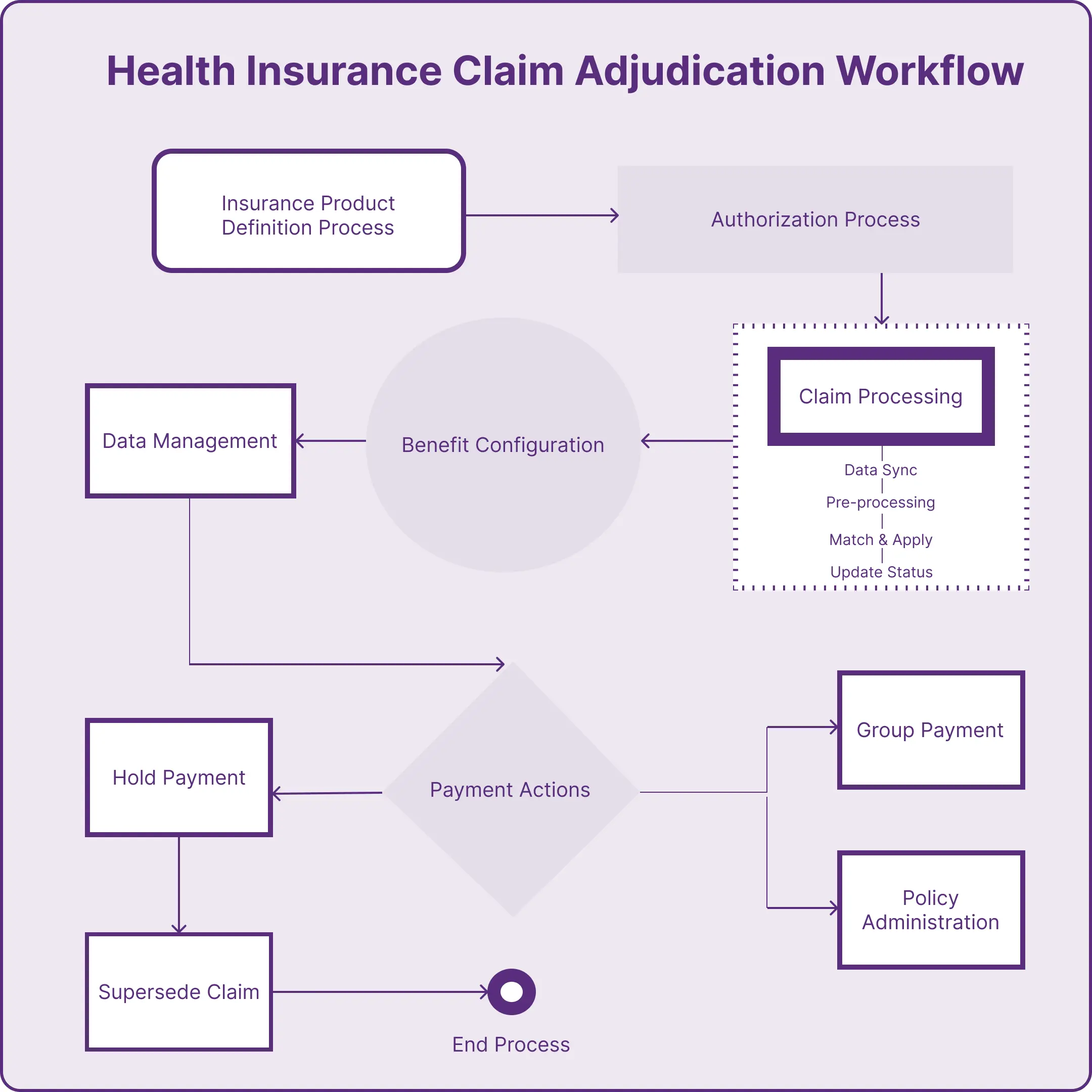
In the insurance industry, the adjudication of claims is a core function. When a policyholder files a claim, the insurance company adjudicates it to determine coverage, assess damages, and calculate the payout.
Claim Adjudication Outcomes
- Full Coverage: The claim is approved for the full amount requested, and the insurer pays the policyholder or service provider.
- Partial Coverage: The claim is approved for a portion of the requested amount. This often happens when policy limits are reached, deductibles apply, or certain services are deemed not medically necessary or outside the scope of the policy.
- Denial of Coverage: The claim is rejected entirely. This can occur if the incident is not covered by the policy, if there was a misrepresentation by the policyholder, or if the claim is fraudulent.
The adjudication of an insurance claim directly impacts the financial recovery of the claimant and the financial performance of the insurance company. It necessitates clear communication and adherence to policy terms to avoid misunderstandings and disputes.
Navigating the Adjudication Process: Strategies for Stakeholders
Whether you are a business owner dealing with vendor invoices, an individual facing a medical bill, or an insurance policyholder filing a claim, understanding how to navigate the adjudication process can save time, money, and stress.
For Bill Payers (Individuals and Businesses)
- Thorough Review of Bills: Before any bill enters an adjudication process, always review it meticulously for accuracy. Check for duplicate charges, incorrect service dates, unauthorized services, and correct pricing.
- Understand Terms and Conditions: Familiarize yourself with the terms and conditions of any contract, service agreement, or insurance policy that might be relevant to the bill. This knowledge is your first line of defense in any dispute.
- Promptly Address Discrepancies: If you identify an error or have a dispute, address it immediately with the billing entity. Document all communication and keep records of your attempts to resolve the issue.
- Know Your Rights: Understand your rights regarding billing disputes, debt collection, and consumer protection laws. This knowledge empowers you to engage effectively in the adjudication process.
- Seek Professional Advice: For complex or high-value bills, consider consulting with a financial advisor, legal counsel, or a billing advocate.
For Bill Issuers (Businesses and Service Providers)
- Clear and Accurate Invoicing: Ensure all invoices are clear, detailed, and accurately reflect the services or goods provided. Include all necessary information, such as service dates, itemized charges, and applicable taxes.
- Transparent Pricing and Contracts: Maintain transparent pricing structures and ensure that clients fully understand any contracts or agreements before services are rendered.
- Responsive Customer Service: Provide excellent customer service to address client inquiries and billing concerns promptly and professionally. This can prevent many disputes from escalating to formal adjudication.
- Maintain Robust Record-Keeping: Keep meticulous records of all services provided, communications with clients, and payment histories. This documentation is crucial if a bill needs to be adjudicated.
- Understand the Adjudication Process: Be familiar with the typical adjudication processes within your industry, especially if you deal with insurance claims or government contracts.
The Role of Technology in Adjudication
Technology is increasingly playing a transformative role in the adjudication of bills, particularly in large-scale operations. Automation, AI, and advanced data analytics are streamlining processes, improving accuracy, and speeding up decision-making.
Automation of Claims Processing
In sectors like insurance and healthcare, automated systems are used to adjudicate a significant volume of claims. These systems can:
- Verify Eligibility: Automatically check if a patient or claimant is covered under a policy or plan.
- Apply Rules and Logic: Apply predefined rules and logic to assess the validity of charges based on policy terms, medical necessity, and coding guidelines.
- Flag for Human Review: Identify complex or unusual claims that require the attention of a human adjudicator.
This automation not only increases efficiency but also helps to standardize the adjudication process, reducing the likelihood of human error and bias.
AI and Machine Learning in Dispute Resolution
Artificial intelligence (AI) and machine learning (ML) are being employed to analyze vast datasets, identify patterns, and predict potential disputes.
- Fraud Detection: AI algorithms can detect fraudulent billing patterns by analyzing claim data for anomalies and inconsistencies, flagging them for further investigation before they are adjudicated.
- Predictive Analytics: ML models can predict the likelihood of a claim being approved or denied based on historical data, helping insurers to manage reserves and allocate resources more effectively.
- Natural Language Processing (NLP): NLP can be used to analyze unstructured data such as doctor’s notes or customer correspondence, extracting relevant information to support the adjudication process.
Blockchain for Transparency and Security
Emerging technologies like blockchain offer the potential for enhanced transparency and security in financial transactions, which can indirectly benefit the adjudication process.
- Immutable Records: Blockchain can create tamper-proof records of transactions, services, and payments, reducing the potential for disputes arising from data manipulation.
- Smart Contracts: Smart contracts, which are self-executing contracts with the terms of the agreement directly written into code, can automate payments and settlements once predefined conditions are met. This can preemptively resolve many billing issues that might otherwise require adjudication.
While these technological advancements are transforming the landscape, it’s important to note that human oversight and judgment remain critical, especially for complex, high-stakes, or ethically nuanced adjudication decisions. The goal is often to augment human capabilities rather than replace them entirely.
In conclusion, the adjudication of a bill is a formal, structured process that resolves financial claims and disputes. It signifies that a definitive decision has been made by an authorized party, impacting cash flow, creditworthiness, and overall financial health. Understanding the types of adjudicating authorities, the typical processes involved, and the significant financial ramifications is crucial for individuals and businesses alike. By adopting proactive strategies and leveraging technological advancements, stakeholders can navigate the complexities of bill adjudication more effectively, ensuring fairer outcomes and more robust financial management.
aViewFromTheCave is a participant in the Amazon Services LLC Associates Program, an affiliate advertising program designed to provide a means for sites to earn advertising fees by advertising and linking to Amazon.com. Amazon, the Amazon logo, AmazonSupply, and the AmazonSupply logo are trademarks of Amazon.com, Inc. or its affiliates. As an Amazon Associate we earn affiliate commissions from qualifying purchases.