
In the realm of digital photography and videography, the term “ISO speed” is frequently encountered, often alongside familiar concepts like aperture and shutter speed. While these latter two directly dictate how light enters the camera and for how long, ISO speed operates on a slightly different principle. It’s not about controlling the amount of light hitting the sensor, but rather about how the sensor amplifies the light it receives. Understanding ISO is crucial for any aspiring photographer or videographer aiming to capture well-exposed and aesthetically pleasing images in a variety of lighting conditions. This article will delve into the intricacies of ISO speed, exploring its function, its impact on image quality, and how it integrates with other exposure settings, all within the broader context of technology trends, effective branding, and financial considerations.
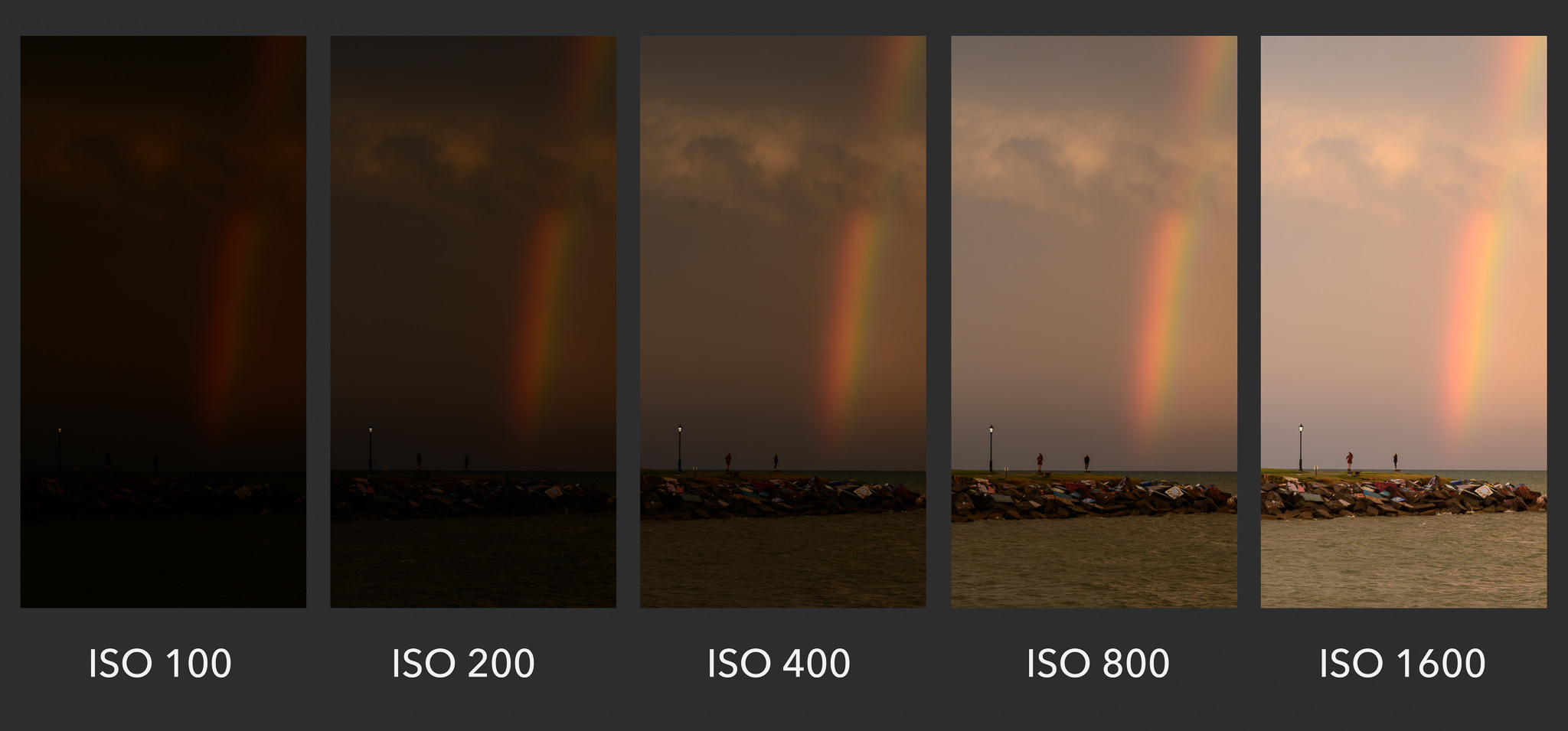
The Core Function of ISO Speed: Amplifying Light
At its heart, ISO speed refers to the sensitivity of your camera’s sensor to light. Think of it like turning up the volume on an audio recording. If a sound is too quiet, you can increase its volume to make it audible. Similarly, if the available light is insufficient for a proper exposure, increasing the ISO amplifies the signal from the light captured by the sensor.
Historically, ISO referred to a standardized sensitivity for photographic film. A higher ISO film meant it was more sensitive to light and could be used in dimmer conditions, but often at the expense of graininess. In digital cameras, the concept is analogous. A digital sensor converts light into electrical signals. When you increase the ISO, you’re essentially telling the camera to boost these electrical signals. This boost allows you to achieve a usable exposure in low light situations where you might otherwise end up with a dark, underexposed image.
How ISO Amplification Works in Practice
When you select a higher ISO setting, the camera’s internal circuitry amplifies the raw data captured by the sensor. This means that even weak light signals are boosted, making them strong enough to contribute to a properly exposed image. For instance, if you’re shooting in a dimly lit restaurant, you might find yourself needing to increase your ISO to prevent your photos from being too dark.
The “speed” in ISO speed is a legacy from film days, where a higher ISO number indicated a faster film that required less light. In digital terms, a higher ISO number means the sensor is more sensitive to light, allowing for faster shutter speeds or smaller apertures in low light.
The Trade-off: Noise and Image Degradation
The primary drawback of increasing ISO speed is the introduction of digital noise. This noise manifests as speckles or graininess in your image, particularly in the darker areas. Think back to the analogy of turning up the volume on an audio recording – sometimes, as you increase the volume, you also introduce hiss or static. Digital noise is the visual equivalent.
The level of noise introduced depends on several factors, including the camera’s sensor size, its processing power, and the specific ISO setting. Larger sensors generally perform better at higher ISOs, producing less noise than smaller sensors. Similarly, newer cameras often have advanced noise reduction technologies built into their image processors, which can help to mitigate the visual impact of noise.
Understanding the ISO Scale and Its Impact
The ISO scale typically starts at a base value, often ISO 100 or 200, representing the lowest sensitivity and thus the cleanest image quality. As you move up the scale – ISO 400, 800, 1600, 3200, and so on – the sensitivity increases, and so does the potential for noise. Each doubling of the ISO number (e.g., from 400 to 800) essentially doubles the sensor’s sensitivity to light.
The Relationship Between ISO, Aperture, and Shutter Speed
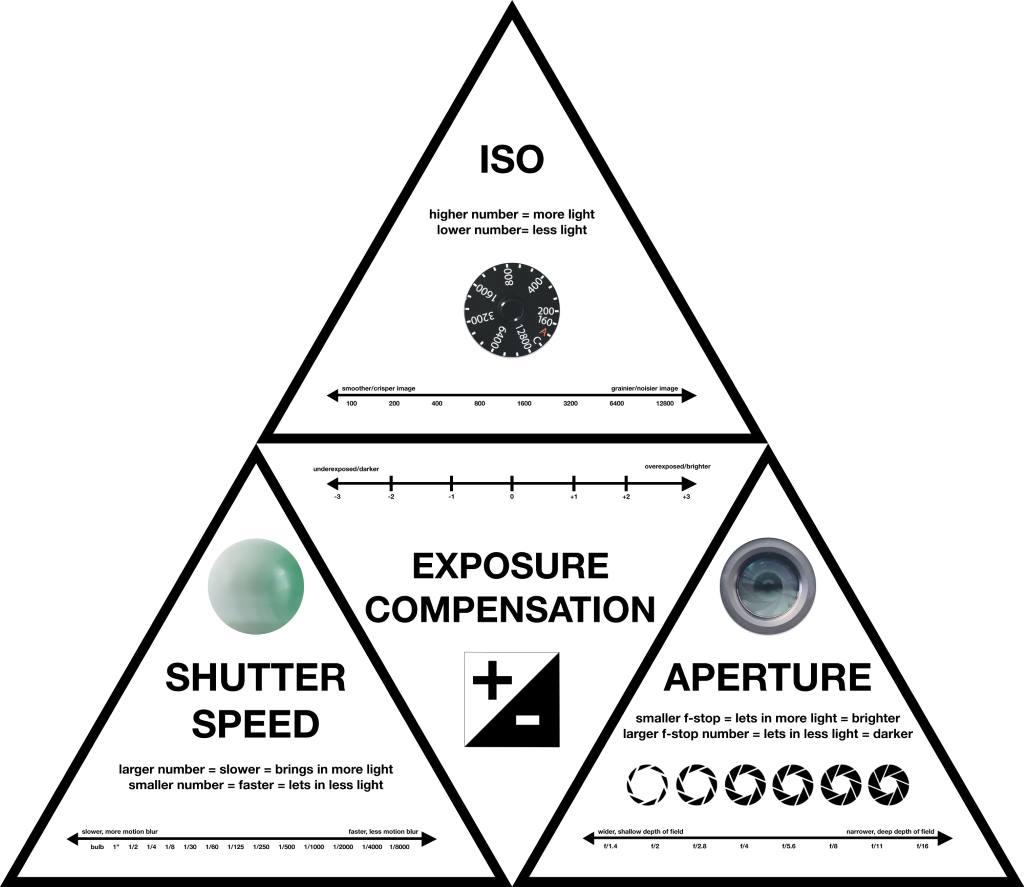
ISO speed is one of the three key pillars of the “exposure triangle,” alongside aperture and shutter speed. To achieve a correctly exposed image, these three settings must be balanced.
- Aperture: Controls the size of the lens opening, regulating the amount of light that enters the camera. A wider aperture (smaller f-number) lets in more light.
- Shutter Speed: Determines how long the camera’s sensor is exposed to light. A faster shutter speed lets in less light.
- ISO Speed: Controls the sensor’s sensitivity to light. A higher ISO makes the sensor more sensitive, requiring less light overall.
Scenario 1: Low Light Conditions
Imagine you’re photographing a dimly lit concert. To capture a sharp image (preventing blur from movement), you need a relatively fast shutter speed. To let in enough light for a proper exposure with that fast shutter speed, you might need to:
- Open up the aperture: Use a wider lens opening (smaller f-number).
- Increase the ISO: Make the sensor more sensitive to the limited light.
If you can’t open your aperture any wider (due to lens limitations) and your shutter speed is already as slow as you can manage without blur, increasing the ISO becomes your primary tool to achieve a usable exposure.
Scenario 2: Bright Daylight
In bright daylight, you have an abundance of light. To avoid overexposure and capture detail, you’ll likely need to:
- Close down the aperture: Use a smaller lens opening (larger f-number).
- Increase the shutter speed: Expose the sensor for a shorter duration.
- Use a low ISO: Keep the sensor’s sensitivity at its base to minimize noise.
This balance is where creative control comes into play. A photographer might intentionally choose a lower shutter speed and higher ISO to achieve a specific artistic effect, such as motion blur, even in brighter conditions, perhaps by using a neutral density (ND) filter to reduce the overall light.
Practical Applications and Best Practices for Using ISO
Understanding when and how to adjust ISO is a fundamental skill for any photographer. While modern cameras are incredibly capable of handling higher ISOs, mindful usage still yields the best results.
When to Increase ISO
- Low Light Photography: This is the most common scenario. Indoors, at night, or in heavily shaded areas, increasing ISO is often necessary to capture an image at all, or to achieve a faster shutter speed for sharpness.
- Action Shots in Low Light: If you need to freeze fast-moving subjects in dim environments, a higher ISO allows for the faster shutter speeds required.
- When Aperture and Shutter Speed Limits Are Reached: If you’ve opened your aperture to its widest setting and your shutter speed is already at its slowest acceptable point for the scene, ISO becomes your next lever to pull for proper exposure.
When to Keep ISO Low
- Ideal Lighting Conditions: In bright daylight, with ample light, always strive to use the lowest possible ISO (typically ISO 100 or 200). This will result in the cleanest images with the least amount of noise and the highest dynamic range.
- When Maximum Image Quality is Paramount: For studio work, product photography, or any situation where detail and smoothness are critical, keeping ISO low is essential.
- When You Plan to Significantly Crop Images: Higher ISO noise becomes more apparent when you enlarge or crop into an image. Starting with a clean, low-ISO image provides more flexibility for post-production.
Utilizing Auto ISO Effectively
Many cameras offer an “Auto ISO” setting, which can be a lifesaver in dynamic situations. This feature allows the camera to automatically adjust the ISO based on the light levels, while you control aperture and shutter speed. However, it’s crucial to understand how Auto ISO works on your specific camera. You can often set a maximum ISO limit to prevent excessive noise. This is particularly useful for events where the lighting can change rapidly.
Pro Tip: In conjunction with Auto ISO, consider using your camera’s intelligent scene modes. These modes can automatically adjust ISO, aperture, and shutter speed to optimize settings for specific scenarios like “Portrait,” “Landscape,” or “Sports.”
ISO, Brand, and the Perception of Quality
In the broader context of branding, the quality of your visual output directly impacts how your brand is perceived. Whether you’re an individual building a personal brand or a corporation marketing its products, the images you share are often the first point of contact for your audience.
Personal Branding and Visual Consistency
For individuals building a personal brand – be it a photographer, influencer, or entrepreneur – consistent, high-quality imagery is paramount. Images that are grainy, noisy, or poorly exposed can convey a sense of unprofessionalism or a lack of attention to detail. Conversely, sharp, well-exposed images suggest expertise, care, and a premium offering. Understanding ISO allows you to consistently produce images that align with the desired aesthetic and professionalism of your personal brand, even in challenging shooting environments. This visual consistency reinforces your identity and builds trust with your audience.
Corporate Identity and Marketing Material
For businesses, high-quality photography and videography are essential for marketing materials, websites, social media, and advertising. Poorly executed visuals can detract from even the most compelling brand message. Understanding how ISO affects image quality ensures that corporate assets are produced with the highest possible standards. This directly impacts the perceived value of products and services. A luxury brand, for example, cannot afford to present its offerings with noisy, low-quality imagery. Similarly, a tech company showcasing innovative gadgets needs to ensure those gadgets are presented in a clear, crisp, and appealing manner, which requires mastering exposure controls, including ISO.
Case Studies and Reputation Management
When showcasing case studies or client testimonials, the visual presentation matters. High-resolution, well-lit images of projects or satisfied clients lend credibility and professionalism. If these visuals are compromised by excessive noise due to improper ISO settings, it can inadvertently undermine the success being presented. This can negatively affect reputation management efforts. A commitment to technical excellence, including the thoughtful application of ISO, demonstrates a commitment to detail that clients and stakeholders will notice and appreciate.
Financial Implications of Mastering ISO
While the direct cost of ISO settings is zero – it’s a camera setting, not an expenditure – the effective use of ISO has significant financial implications, particularly in professional contexts.
Maximizing Existing Equipment
Understanding ISO allows you to push the capabilities of your current camera gear. Instead of immediately feeling the need to buy more expensive, “low-light” cameras, you can learn to maximize the performance of your existing equipment by mastering exposure. This can save you considerable capital investment. For example, a photographer with a mid-range camera can achieve surprisingly good results in low light by intelligently managing their ISO, aperture, and shutter speed, potentially avoiding the immediate purchase of a more advanced and costly camera body.
Professional Photography and Videography Services
For freelance photographers and videographers, proficiency in controlling ISO is directly tied to their ability to secure and successfully complete diverse client projects. Being able to deliver high-quality results in various lighting conditions – from weddings in dimly lit churches to outdoor events – expands your service offerings and client base. This translates directly into increased earning potential. A photographer who can confidently shoot in challenging light without sacrificing quality is more valuable to clients than one who cannot.
Content Creation and Online Income
For individuals looking to generate online income through photography or videography (e.g., stock photography, YouTube content, social media influencing), image quality is paramount. Poorly exposed or noisy images are often rejected by stock agencies or fail to engage audiences on social media platforms. Mastering ISO ensures that the content you create is professional and appealing, increasing its chances of monetization. This could mean selling more prints, attracting more brand sponsorships, or growing a subscriber base on platforms like YouTube.
Business Finance and Operational Efficiency
For businesses, particularly those in the creative industries, efficient production workflows are crucial for managing costs. Investing time in training staff on how to properly use ISO and other camera settings can lead to fewer reshoots, reduced post-production editing time (especially noise reduction), and ultimately, lower operational costs. This contributes to better business finance management by optimizing resource allocation and reducing waste.

Conclusion: The Power of Controlled Sensitivity
ISO speed is far more than just a number on a dial. It’s a fundamental control that allows you to adapt your camera to a vast range of lighting conditions, influencing the brightness, clarity, and overall aesthetic of your images. By understanding its mechanics, its interplay with aperture and shutter speed, and its inherent trade-offs with image noise, you gain a powerful tool for creative expression.
In the interconnected worlds of technology, branding, and finance, mastering ISO speed is not just about taking better pictures; it’s about enhancing your brand’s perceived value, improving your professional output, and making smarter financial decisions regarding your equipment and services. Whether you’re a hobbyist capturing precious memories or a professional building a career, a firm grasp of ISO will undoubtedly elevate your visual storytelling and contribute to your success.
aViewFromTheCave is a participant in the Amazon Services LLC Associates Program, an affiliate advertising program designed to provide a means for sites to earn advertising fees by advertising and linking to Amazon.com. Amazon, the Amazon logo, AmazonSupply, and the AmazonSupply logo are trademarks of Amazon.com, Inc. or its affiliates. As an Amazon Associate we earn affiliate commissions from qualifying purchases.