
In an increasingly urbanized world, where indoor air can be two to five times more polluted than outdoor air, the quest for cleaner breathing environments has become paramount. From homes to offices, and even large commercial spaces, concerns about airborne allergens, pathogens, and particulate matter are driving innovation in air purification technologies. Among these, the concept of “ionizing air” frequently emerges as a sophisticated yet often misunderstood solution. Far from a mere scientific curiosity, air ionization plays a critical role in enhancing air quality, impacting everything from personal well-being and productivity to brand perception and business bottom lines. This article delves into the intricate mechanisms of air ionization, exploring its diverse applications, its multifaceted benefits, and the important considerations for those looking to harness its power. We’ll uncover how this technology, at the intersection of cutting-edge tech, strategic branding, and sound financial decision-making, is reshaping our relationship with the air we breathe.
The Science Behind Ionization: How it Works
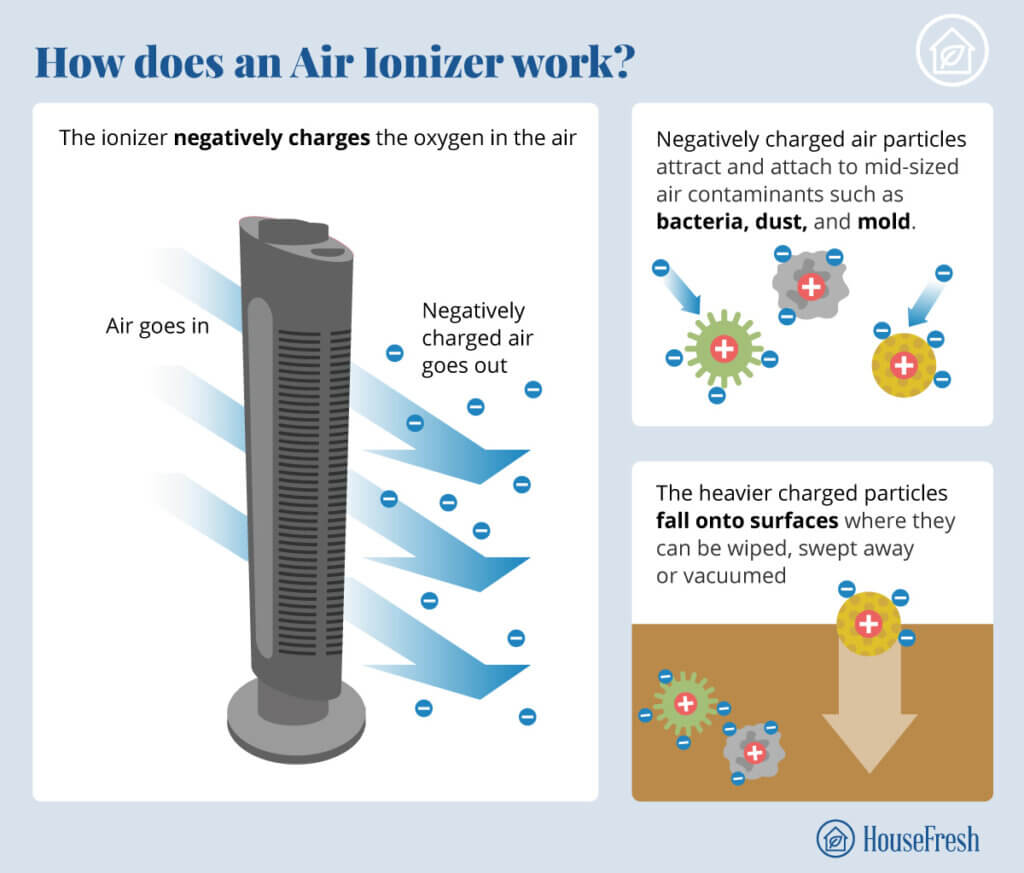
At its core, ionizing air is about manipulating the electrical charge of molecules in the atmosphere to achieve a desired effect, primarily the removal of pollutants. This technology mimics natural processes, where phenomena like lightning strikes, waterfalls, or ocean waves generate vast quantities of beneficial negative ions. Modern air ionizers harness similar principles in a controlled environment, making them powerful tools for indoor air quality management.
The Basics of Air Ions
To understand ionization, we must first grasp the concept of air ions. An ion is simply an atom or molecule that has gained or lost one or more electrons, resulting in it having an overall electrical charge.
- Negative ions are atoms or molecules that have gained an extra electron, giving them a net negative charge. These are often referred to as “vitamins of the air” due to their association with clean, fresh environments and reported positive effects on human well-being.
- Positive ions are atoms or molecules that have lost an electron, resulting in a net positive charge. While naturally occurring, an excess of positive ions in indoor environments is often associated with stale, polluted air, especially in areas with poor ventilation or high electromagnetic interference.
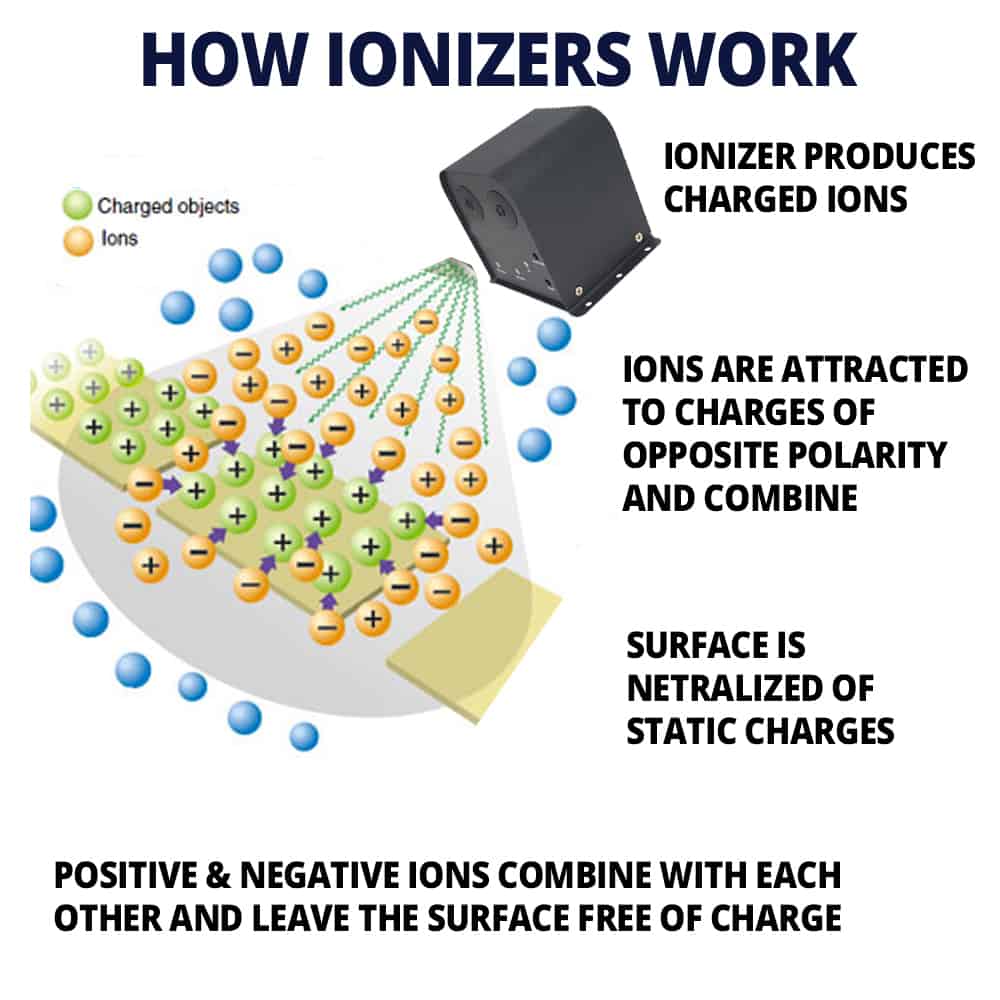
Ionizers specifically aim to generate negative ions, or a balanced mix, to counteract the prevalence of positive ions and facilitate particle removal.
How Ionizers Generate Ions
Most modern air ionizers employ one of several key technologies to generate ions:
- Corona Discharge (Needlepoint Ionization): This is the most common method. A high voltage is applied to a sharp needle or a series of needles. As electrons are emitted from these points, they collide with air molecules (oxygen and nitrogen), stripping them of electrons or adding extra electrons, thereby creating a cascade of ions. These ions are then dispersed into the surrounding air.
- Plasma or Bi-polar Ionization: Some advanced systems use a tube-like device that generates a field of positive and negative ions simultaneously. This “bi-polar” approach aims for a more balanced ionic environment and can be particularly effective in larger spaces or integrated into HVAC systems.
The generated ions are then released into the room, where they can begin their work of purifying the air.
The Particle Precipitation Process
The magic of air ionization lies in its ability to address particulate matter. Once released, negative ions (or both positive and negative in bi-polar systems) actively seek out airborne particles such as dust, pollen, pet dander, mold spores, bacteria, viruses, and even volatile organic compounds (VOCs).
- Charge Neutralization and Aggregation: The ions attach themselves to these microscopic particles, imparting an electrical charge (typically negative). As more ions attach, the particles become heavier and more densely charged. Critically, oppositely charged particles are attracted to each other, causing them to clump together, forming larger, heavier clusters.
- Sedimentation: Once these particles become sufficiently large and heavy, gravity takes over. They are no longer light enough to remain suspended in the air and fall out of the breathing zone onto surfaces like floors, walls, furniture, or curtains.
- Attraction to Grounded Surfaces: In some advanced systems, or with very high ion concentrations, charged particles may also be attracted to oppositely charged grounded surfaces within the room, effectively pulling them out of circulation.
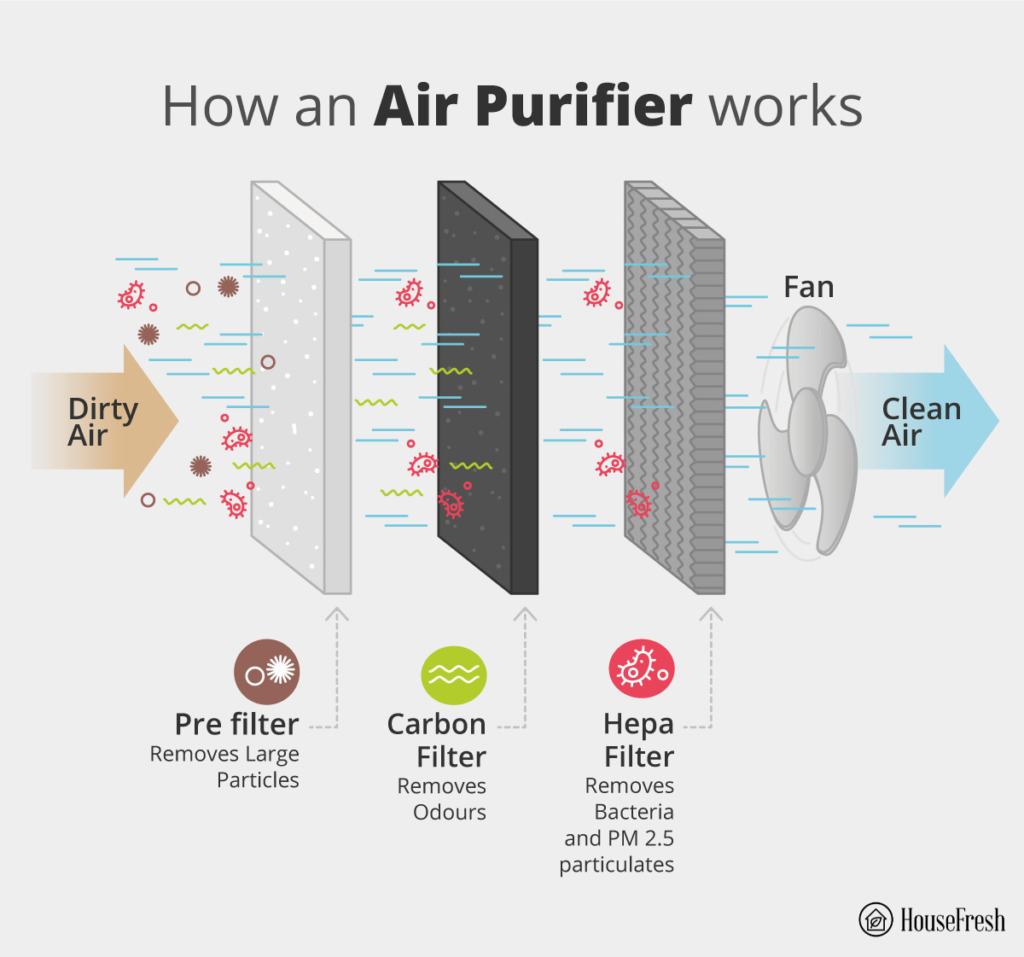
This process effectively “scrubs” the air, reducing the concentration of airborne pollutants that would otherwise be inhaled. Unlike filter-based systems that trap particles, ionizers cause them to precipitate out of the air, making them an excellent complementary technology, especially in open-plan offices or large public spaces where constant filtration might be impractical or insufficient.
Beyond Purification: The Broader Impact of Ionized Air
While the primary function of air ionization is undoubtedly air purification, its influence extends far beyond simply removing pollutants. The resulting improvements in air quality have tangible benefits for human health, cognitive function, and overall well-being, making it a technology with significant implications for productivity and quality of life.
Enhancing Indoor Air Quality (IAQ)
The most direct and measurable benefit of ionizing air is its profound impact on Indoor Air Quality (IAQ). Modern indoor environments are often rife with a cocktail of invisible pollutants that can accumulate due to limited ventilation, synthetic building materials, household products, and human activities.
- Reduction of Allergens and Particulates: Ionizers are highly effective at reducing common allergens like pollen, dust mites, pet dander, and mold spores. For individuals suffering from allergies or asthma, this can translate into significant relief from symptoms like sneezing, coughing, and respiratory discomfort. By causing these irritants to fall out of the air, ionizers create a much cleaner breathing environment.
- Elimination of Smoke and Odors: Smoke particles, whether from tobacco, cooking, or fireplaces, are effectively targeted by ionizers. Furthermore, ionizers can help neutralize odor-causing particles, leading to fresher-smelling indoor spaces without masking agents.
- Neutralization of Pathogens and VOCs: Emerging research and anecdotal evidence suggest that ionizers can play a role in reducing airborne bacteria and viruses, as the ions attach to their surfaces, potentially damaging their structure or causing them to precipitate. Similarly, they can help mitigate certain Volatile Organic Compounds (VOCs) emitted from paints, cleaning supplies, and furniture, which are known to cause headaches, dizziness, and other health issues.
By continuously removing these harmful elements, ionizing air creates a healthier and safer environment for occupants, minimizing exposure to irritants and potential health hazards.
Potential Mood and Cognitive Benefits
Beyond the physical health advantages, there’s a growing body of research and anecdotal evidence suggesting that optimal levels of negative ions in the air can have a positive impact on mental well-being and cognitive function.
- Mood Elevation and Stress Reduction: Many users report feeling more refreshed and energized in environments with higher concentrations of negative ions, similar to the feeling one gets near a waterfall or after a thunderstorm. Some studies indicate that negative ions may influence serotonin levels in the brain, which are linked to mood, appetite, and sleep. This potential mood elevation can contribute to a more positive outlook and reduced feelings of stress and anxiety.
- Improved Focus and Alertness: A clean, fresh atmosphere devoid of pollutants is inherently more conducive to concentration. When the body isn’t fighting off airborne irritants or sluggish from stale air, cognitive functions such as focus, attention span, and mental clarity can improve. While direct evidence linking negative ions to specific cognitive enhancements is still evolving, the overall improvement in air quality undoubtedly supports better brain function and sustained productivity, whether in a home office or a corporate setting.
These subtle yet significant effects underscore that ionizing air is not just about cleaning the physical environment, but also about fostering a psychological space that supports health, happiness, and peak performance. Integrating air ionization into smart home systems or commercial HVAC can thus be seen as a strategic investment in human capital.
Ionization in the Business World: Brand, Money, and Strategic Advantage
The benefits of ionizing air extend beyond individual well-being and into the realm of business strategy, impacting everything from brand perception and employee productivity to operational costs and market differentiation. In today’s competitive landscape, businesses are constantly seeking innovative ways to enhance their appeal, optimize performance, and demonstrate a commitment to health and sustainability. Air ionization technology offers a unique opportunity to address these objectives.
Brand Reputation and Employee Well-being
In an era where corporate responsibility and employee welfare are paramount, investing in advanced air quality solutions can significantly bolster a company’s brand image and internal culture.
- Elevating Corporate Identity and Trust: A business that proactively installs air ionization systems in its offices, retail spaces, or facilities signals a deep commitment to the health and comfort of its employees and customers. This dedication translates into a positive brand narrative, enhancing the company’s reputation as a responsible and caring entity. For customers, entering a space with noticeably cleaner, fresher air creates an immediate positive impression, fostering trust and a sense of value. This can be a key differentiator in sectors like hospitality, healthcare, or high-end retail.
- Boosting Employee Morale and Productivity: Clean air directly impacts employee well-being. By reducing airborne irritants, allergens, and pathogens, businesses can potentially decrease instances of sick building syndrome, reduce absenteeism, and enhance overall employee health. When employees feel healthier and more comfortable, their morale improves, leading to higher job satisfaction, increased engagement, and ultimately, greater productivity. This investment in a healthier workspace can also aid in employee retention, as a positive work environment becomes a powerful draw for top talent. Furthermore, improved air quality can contribute to better focus and cognitive function, translating into more effective work output.
Commercial Applications and Niche Markets
The versatility of air ionization makes it suitable for a wide array of commercial and industrial applications, opening up niche markets and offering competitive advantages.
- Healthcare and Clean Rooms: Hospitals, clinics, and pharmaceutical manufacturing facilities require stringent air quality standards to prevent the spread of infections and contamination. Ionization systems can complement traditional HEPA filtration by targeting ultra-fine particles and airborne pathogens, crucial for maintaining sterile environments and protecting vulnerable populations.
- Hospitality and Retail: Hotels, restaurants, and retail stores can use ionizers to eliminate lingering odors, improve overall air freshness, and create a more inviting atmosphere for guests and shoppers. This enhances the customer experience, potentially leading to longer stays and increased sales.
- Data Centers and Manufacturing: In environments sensitive to particulate matter, like data centers or electronics manufacturing plants, air ionization can reduce dust accumulation on sensitive equipment, minimizing maintenance, preventing costly downtime, and extending the lifespan of machinery.
- Educational Institutions: Schools and universities can deploy ionizers to improve air quality in classrooms, reducing the spread of seasonal illnesses and creating a healthier learning environment for students and faculty. The market for air quality solutions, including ionization technology, is steadily growing, presenting opportunities for businesses specializing in IAQ solutions, system integration, and consulting.
Marketing and Consumer Perception
For companies developing or distributing air ionization products, effective marketing and transparent communication are crucial for success.
- Communicating the Invisible Benefit: The challenge with air quality is that its improvement is largely invisible. Marketing efforts must effectively translate the scientific benefits into tangible advantages for consumers and businesses. This involves using clear language, leveraging testimonials, presenting scientific data, and highlighting certifications. Case studies demonstrating reductions in allergens or improved productivity can be particularly compelling.
- Building a Trusted Brand: Given past controversies surrounding some ionizer technologies (e.g., ozone production), building a brand based on transparency, safety, and proven efficacy is essential. This includes clearly stating ozone output (or lack thereof), providing certifications (e.g., UL, CARB), and offering robust warranties. Consumers are becoming more discerning, and brands that prioritize health and safety in their product development will gain a significant competitive edge.
- Integrating with Smart Home Ecosystems: For the tech-savvy consumer, integrating air ionizers into existing smart home platforms (e.g., via apps for remote control, scheduling, and air quality monitoring) enhances convenience and perceived value, aligning with the broader trend of connected living.
Strategic marketing, combined with a focus on safety and real-world results, allows companies to effectively position air ionization as a valuable, modern solution that aligns with consumer demand for healthier, more comfortable, and technologically advanced living and working spaces.
Considerations and Nuances: Weighing the Pros and Cons
While the benefits of ionizing air are compelling, it’s crucial to approach this technology with an informed perspective. Like any advanced system, air ionizers have specific considerations, potential drawbacks, and operational nuances that users and businesses must understand to make financially sound and environmentally responsible decisions.
Ozone Production and Safety
One of the most significant concerns associated with air ionizers, especially older or poorly designed models, is the potential for ozone production. Ozone (O3) is a gas composed of three oxygen atoms. While naturally present in the upper atmosphere where it protects us from UV radiation, ground-level ozone is a lung irritant and a major component of smog.
- Mechanism of Production: Some ionizers, particularly those relying on older corona discharge technologies, can produce ozone as a byproduct when high voltage interacts with oxygen molecules in the air. This occurs when an electrical discharge breaks apart O2 molecules, allowing individual oxygen atoms to recombine into O3.
- Health Risks: Exposure to even low levels of ozone can cause respiratory problems, throat irritation, coughing, and chest pain, particularly for individuals with asthma or other respiratory conditions. Prolonged exposure can lead to more serious health issues.
- Modern Solutions and Regulations: Fortunately, significant advancements have been made in ionizer technology. Many modern, high-quality ionizers are designed to produce minimal to no detectable ozone, often certified as “ozone-free” or meeting strict regulatory standards set by bodies like the California Air Resources Board (CARB) or Underwriters Laboratories (UL). When considering an ionizer, it is paramount to choose models that are certified to produce safe levels of ozone (typically below 0.05 parts per million). This due diligence ensures the chosen technology provides clean air without introducing new health hazards, aligning with digital security principles in a broader sense, ensuring the “safety” of your environment.
Maintenance and Cost of Ownership
Like most technology investments, air ionizers come with ongoing maintenance requirements and associated costs that should be factored into the overall financial analysis.
- Collector Plate Cleaning: Unlike filter-based purifiers, ionizers cause particles to settle out of the air onto surrounding surfaces, including internal collector plates within the device itself. These plates, if present, need regular cleaning to maintain efficiency. Over time, these plates accumulate charged particles, dust, and grime, which can impede ion generation if not cleaned. This manual cleaning process, while simple, is a recurring task.
- Energy Consumption: While many modern ionizers are energy-efficient, especially smaller units, larger commercial systems or units running continuously will contribute to electricity bills. Comparing the wattage and estimated annual operating costs of different models is a prudent financial step. Businesses integrating these into HVAC systems must consider the overall energy load.
- Ancillary Costs: While many ionizers do not require filter replacements (a significant saving compared to HEPA purifiers), some hybrid models might incorporate a pre-filter or carbon filter that does require periodic replacement. Additionally, depending on the environment, periodic professional servicing might be recommended for large-scale commercial installations to ensure optimal performance and longevity. Understanding these long-term costs ensures that the initial capital expenditure is matched by a sustainable operational budget.
The “Invisible” Benefit Challenge
One of the unique challenges in marketing and adopting air ionization technology is that its primary benefit – cleaner air – is largely invisible. Unlike a visibly dirty filter or a noticeable odor, the absence of microscopic pollutants is not immediately apparent.
- Measuring Effectiveness: For consumers and businesses alike, it can be challenging to quantify the real-time impact of an ionizer without specialized air quality monitors. While many modern devices integrate smart sensors and apps that provide real-time air quality data (PM2.5 levels, VOCs), the direct correlation to ion generation can still feel abstract.
- Communication Strategy: This “invisible” benefit necessitates a clear and trustworthy communication strategy. Marketing materials and product reviews must articulate the scientific basis, provide credible certifications, and highlight testimonials or case studies that demonstrate tangible improvements in health metrics, comfort, or productivity. For businesses, this means clearly communicating their investment in IAQ to employees and customers, potentially through informational signage or internal communications, to maximize the brand benefit.
- Integration with Smart Tech: The integration of air ionizers with smart home and office technology helps overcome this challenge. By connecting to apps that display real-time air quality data, users can visually track improvements, confirm the device’s efficacy, and gain confidence in their investment. This convergence of tech (sensors, apps) with an “invisible” benefit makes the technology more tangible and valuable in the eyes of the consumer.
In conclusion, while the promise of ionizing air is substantial, a holistic understanding of its scientific principles, potential benefits, and practical considerations is essential. By choosing certified products, understanding maintenance needs, and leveraging smart technology to monitor effectiveness, individuals and organizations can confidently harness the power of ionized air to create healthier, more productive, and more appealing environments, aligning with a future where technology, well-being, brand, and financial acumen converge.
aViewFromTheCave is a participant in the Amazon Services LLC Associates Program, an affiliate advertising program designed to provide a means for sites to earn advertising fees by advertising and linking to Amazon.com. Amazon, the Amazon logo, AmazonSupply, and the AmazonSupply logo are trademarks of Amazon.com, Inc. or its affiliates. As an Amazon Associate we earn affiliate commissions from qualifying purchases.