
In the landscape of modern gadgets and environmental technology, few terms are as frequently mentioned yet as poorly understood as the “ionizer.” Often packaged within sleek air purifiers or high-end kitchen appliances, ionizers represent a specific branch of applied physics designed to manipulate the molecular structure of our immediate surroundings. Whether integrated into a smart home ecosystem or used as a standalone industrial tool, the tech behind ionization is a cornerstone of contemporary filtration and purification systems.
At its core, an ionizer is a device that uses high voltage to electrically charge (or ionize) molecules of gas or water. By understanding the technological nuances of how these devices function, consumers and tech enthusiasts can better evaluate their efficacy and safety in a crowded market of “wellness tech.”
The Science of Ionization in Consumer Electronics
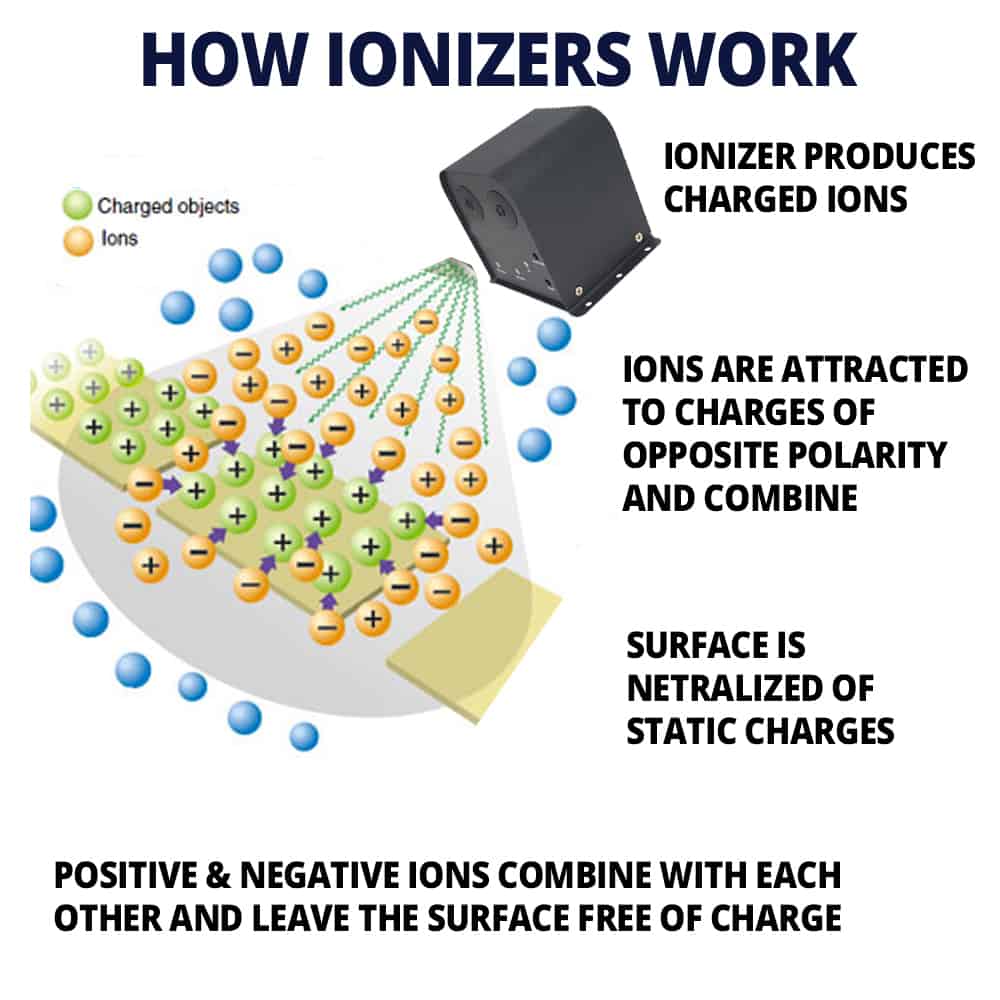
To understand what an ionizer does, one must first look at the atomic level. Most matter is electrically neutral, meaning it has an equal number of protons and electrons. An ionizer disrupts this balance to create ions—atoms or molecules with a net electrical charge.
Understanding Negative and Positive Ions
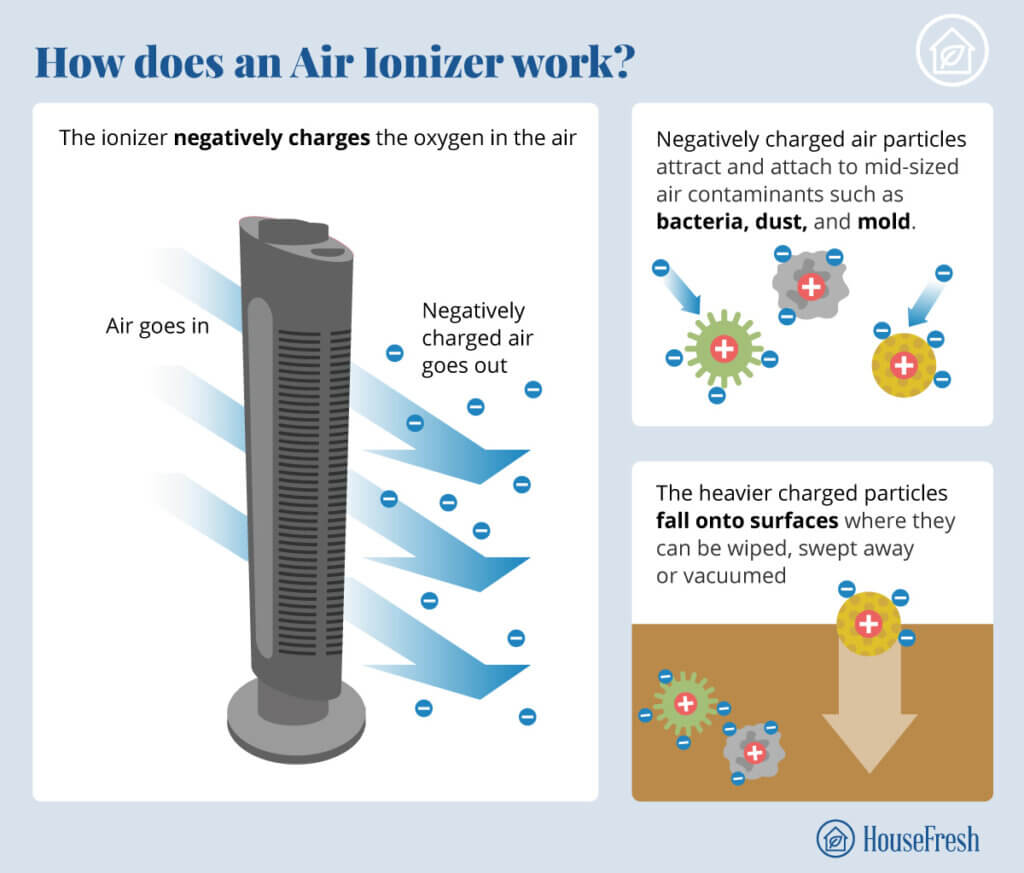
In the context of technology, we primarily deal with “negative ion generators.” These devices use a process called corona discharge. By applying a high-voltage current to a needlepoint or a carbon fiber brush, the device emits electrons into the air. These electrons attach themselves to oxygen molecules, creating negative ions. In nature, this happens via lightning, waterfalls, and crashing waves. In tech, we replicate this to manipulate airborne particles.
How Electrostatic Precipitation Works
The primary “job” of a tech-based air ionizer is electrostatic precipitation. Once negative ions are released into a room, they seek out positively charged particles. Most common indoor pollutants—such as dust, pollen, pet dander, and smoke—carry a positive charge. When the negative ions attach to these pollutants, the particles become too heavy to remain airborne and fall to the ground or are attracted to a grounded collection plate within the machine. This is a departure from traditional mechanical filtration, which relies on physical barriers like mesh or paper.
Air Ionizers: The Tech Guarding Your Indoor Environment
Air purification is perhaps the most common application of ionization technology. As we spend more time indoors, the “Tech-Home” integration of air quality monitors and purifiers has become a multi-billion dollar industry.
The Mechanisms of Airborne Particle Removal
Unlike a HEPA (High-Efficiency Particulate Air) filter, which captures particles by trapping them in a dense web of fibers, an ionizer works through attraction. Modern air ionizers often feature “needlepoint bipolar ionization” (NPBI). This advanced tech creates both positive and negative ions, which travel through the air to neutralize pathogens. When these ions encounter a virus or bacteria, they rob the pathogen of hydrogen, effectively neutralizing it at the molecular level. This makes ionization a proactive technology—it seeks out pollutants rather than waiting for them to pass through a filter.
Smart Integration: Ionizers in the IoT Ecosystem
The latest generation of ionizers is no longer a “dumb” appliance. They are now integrated into the Internet of Things (IoT). High-end units feature laser-based particulate sensors that measure PM2.5 levels (fine particulate matter) in real-time. When the sensor detects a spike in pollutants—perhaps from cooking or a nearby wildfire—it triggers the ionization circuit to increase output. These devices sync with smartphone apps, providing users with data visualizations of their air quality trends, filter life, and ion density.
Potential Drawbacks: The Ozone Debate
In any technical review of ionizers, the production of ozone (O3) must be addressed. A byproduct of the corona discharge process used in older or cheaper ionizers is the creation of ozone molecules. While ozone is effective at killing odors and mold, it can be a lung irritant in high concentrations. Tech manufacturers have responded by developing “zero-ozone” certified devices that use lower voltage or localized discharge to ensure that the air remains safe for long-term inhalation.
Water Ionization: Advanced Filtration and Electrolysis
Beyond the air we breathe, ionization technology is heavily utilized in liquid processing. Water ionizers, often categorized as “alkalizers,” use a sophisticated electrochemical process to alter the properties of tap water.
The Process of Electrolysis
The heart of a water ionizer is the electrolysis chamber. This chamber contains electrodes, typically made of medical-grade titanium coated with platinum. As water passes over these electrodes, a low-voltage direct current is applied. This causes the water molecules (H2O) to split into hydrogen ions (H+) and hydroxide ions (OH-). The tech then separates the water into two streams: one acidic and one alkaline.
pH Balancing and Alkaline Water Tech
From a technical standpoint, the value of a water ionizer lies in its ability to adjust the Oxidation-Reduction Potential (ORP) of the liquid. A high-quality ionizer can produce water with a negative ORP, meaning it has antioxidant properties at a molecular level. Sophisticated units feature onboard microprocessors that allow the user to select specific pH levels via a touchscreen interface. This precision is essential for different applications, such as using highly acidic water for sterilization or mildly alkaline water for consumption.
Comparing Ionization with Other Purification Technologies
To truly grasp what an ionizer does, it is helpful to contrast it with other dominant technologies in the gadget space.
Ionizers vs. HEPA Filters
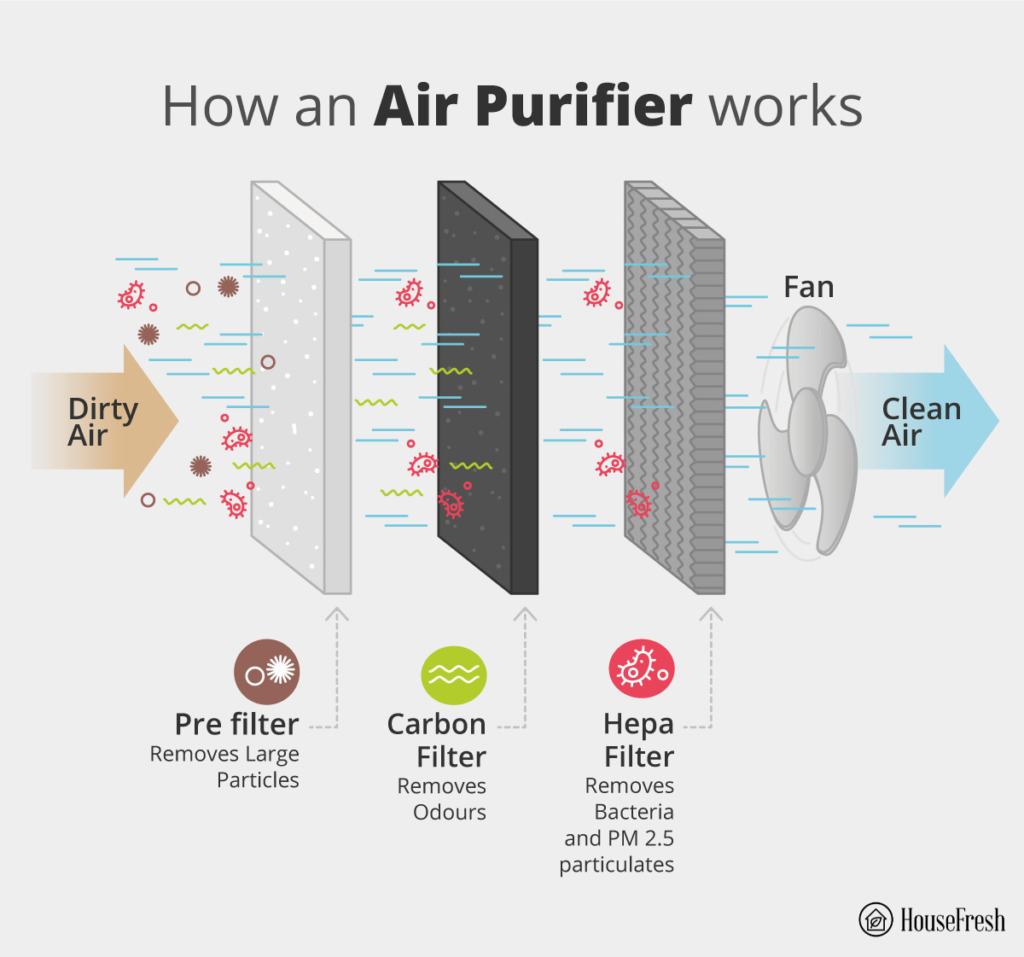
While ionizers use electrical charges to ground particles, HEPA filters use physical interception, impaction, and diffusion. The tech community often debates which is superior. HEPA is excellent for trapping 99.97% of particles but cannot “kill” biological contaminants. Ionizers, conversely, can neutralize viruses and odors that are too small for HEPA filters to catch. Many premium gadgets now combine both—using a HEPA filter as a primary stage and an ionizer as a “polishing” stage to catch sub-micron particles.
Ionizers vs. UV-C Light Sterilization
UV-C light tech is another popular method for air and water purification. While an ionizer uses electricity to change the charge of a particle, UV-C uses short-wavelength ultraviolet light to disrupt the DNA and RNA of microorganisms. UV-C is highly effective at sterilization but does nothing to remove physical dust or allergens. In the hierarchy of tech, ionization is the more versatile “all-rounder” for general air quality, while UV-C is a specialized tool for clinical-grade disinfection.
The Future of Ionization Technology
As we look toward the next decade of gadgets and industrial tech, ionization is evolving from bulky desktop units into miniaturized, more efficient components.
Nanotechnology and Miniaturization
We are currently seeing the emergence of “solid-state” ionizers. By utilizing nanotechnology, engineers are creating ionizers that are small enough to be embedded in car dashboards, wearable tech, and even computer monitors. These micro-ionizers require significantly less power and produce virtually zero ozone, making them ideal for personal “micro-climates.”
Industrial Applications and Large-Scale Solutions
On a larger scale, ionization tech is being integrated into HVAC systems for skyscrapers and airports. Known as “Global Plasma Technology,” these systems use ionization to clean the air in massive volumes, reducing the need for outside air intake and significantly lowering the energy consumption of large buildings. This intersection of environmental tech and energy efficiency represents the “green” future of ionization.
In conclusion, an ionizer is much more than a simple air freshener. It is a sophisticated application of electrical engineering designed to improve our interaction with our environment. By leveraging the power of ions, these devices provide a tech-driven solution to the invisible pollutants that inhabit our modern world. Whether you are looking for a smarter way to manage allergies or a high-tech approach to water quality, understanding the mechanics of ionization allows you to make an informed choice in an increasingly complex digital and physical landscape.
aViewFromTheCave is a participant in the Amazon Services LLC Associates Program, an affiliate advertising program designed to provide a means for sites to earn advertising fees by advertising and linking to Amazon.com. Amazon, the Amazon logo, AmazonSupply, and the AmazonSupply logo are trademarks of Amazon.com, Inc. or its affiliates. As an Amazon Associate we earn affiliate commissions from qualifying purchases.