
To ask “what does Intuit mean?” is to delve into the very fabric of modern personal and business finance. For millions worldwide, Intuit is not just a technology company; it is the silent partner guiding their financial decisions, simplifying complex tax laws, streamlining business operations, and providing a holistic view of their monetary health. At its core, Intuit means accessibility, efficiency, and empowerment in the often-daunting realm of money management. Through a suite of iconic products, Intuit has democratized financial tools, transforming how individuals budget, save, invest, and how small businesses manage their cash flow, payroll, and growth.
This article will explore the multifaceted meaning of Intuit, exclusively through the lens of its profound contributions to personal finance, investing, online income, side hustles, business finance, and financial tools. We will uncover how a single entity has managed to weave itself so deeply into the economic lives of individuals and enterprises, becoming synonymous with financial clarity and control.
Intuit’s Foundational Role in Personal Finance
Intuit’s most significant impact on the individual consumer comes through its pervasive influence on personal finance. From tax preparation to daily budgeting, Intuit’s products have become indispensable tools, demystifying financial concepts and making them manageable for the everyday user.
TurboTax: Simplifying Tax Compliance
For many, the first encounter with Intuit is through TurboTax. Tax season, once a period of dread marked by complex forms, obscure rules, and potential errors, has been profoundly transformed by this software. TurboTax means simplification. It translates the labyrinthine U.S. tax code into an intuitive, step-by-step interview process, guiding users through income reporting, deductions, and credits. This has empowered millions to confidently file their own taxes, reducing reliance on expensive tax preparers and fostering a greater understanding of their personal tax obligations. TurboTax isn’t just a filing tool; it’s an educational platform that democratizes access to accurate tax compliance, saving users time, money, and stress. It epitomizes Intuit’s commitment to making complex financial tasks accessible.
Mint: The Dashboard for Personal Financial Health
Beyond annual tax duties, Intuit also addresses daily financial management through Mint. Mint means clarity and control over personal finances. As a free budgeting app, it aggregates all of a user’s financial accounts—bank accounts, credit cards, loans, investments—into a single, intuitive dashboard. This aggregation provides an unprecedented holistic view of one’s financial standing, making it easy to track spending, categorize transactions, set budgets, and monitor net worth. Mint identifies spending patterns, flags unusual activity, and offers personalized insights, helping users identify areas for savings or debt reduction. For the modern consumer navigating multiple financial institutions and income streams, Mint serves as a vital command center, empowering informed financial decisions and fostering healthy financial habits. It transforms scattered data into actionable intelligence, a cornerstone of effective personal finance.
Credit Karma: Navigating Credit and Debt
The acquisition of Credit Karma further solidified Intuit’s position in personal financial empowerment. Credit Karma means transparency and guidance in the world of credit. It provides users with free access to their credit scores and reports, dispelling the myths and confusion often associated with creditworthiness. More than just reporting numbers, Credit Karma offers personalized recommendations for improving credit scores, refinancing debt, or finding suitable financial products like credit cards and loans. For individuals looking to buy a home, secure a loan for education, or simply understand their financial standing, Credit Karma removes barriers, offering insights that were once only available through paid services. This tool champions financial literacy, helping individuals understand how their financial actions impact their future opportunities and providing pathways to healthier credit profiles.
Empowering Small Businesses and Entrepreneurs
Intuit’s influence extends far beyond individual consumers, forming the backbone of financial operations for millions of small businesses and entrepreneurs globally. Its suite of business solutions means stability, efficiency, and growth potential for enterprises ranging from solo freelancers to established small corporations.
QuickBooks: The Cornerstone of Business Accounting
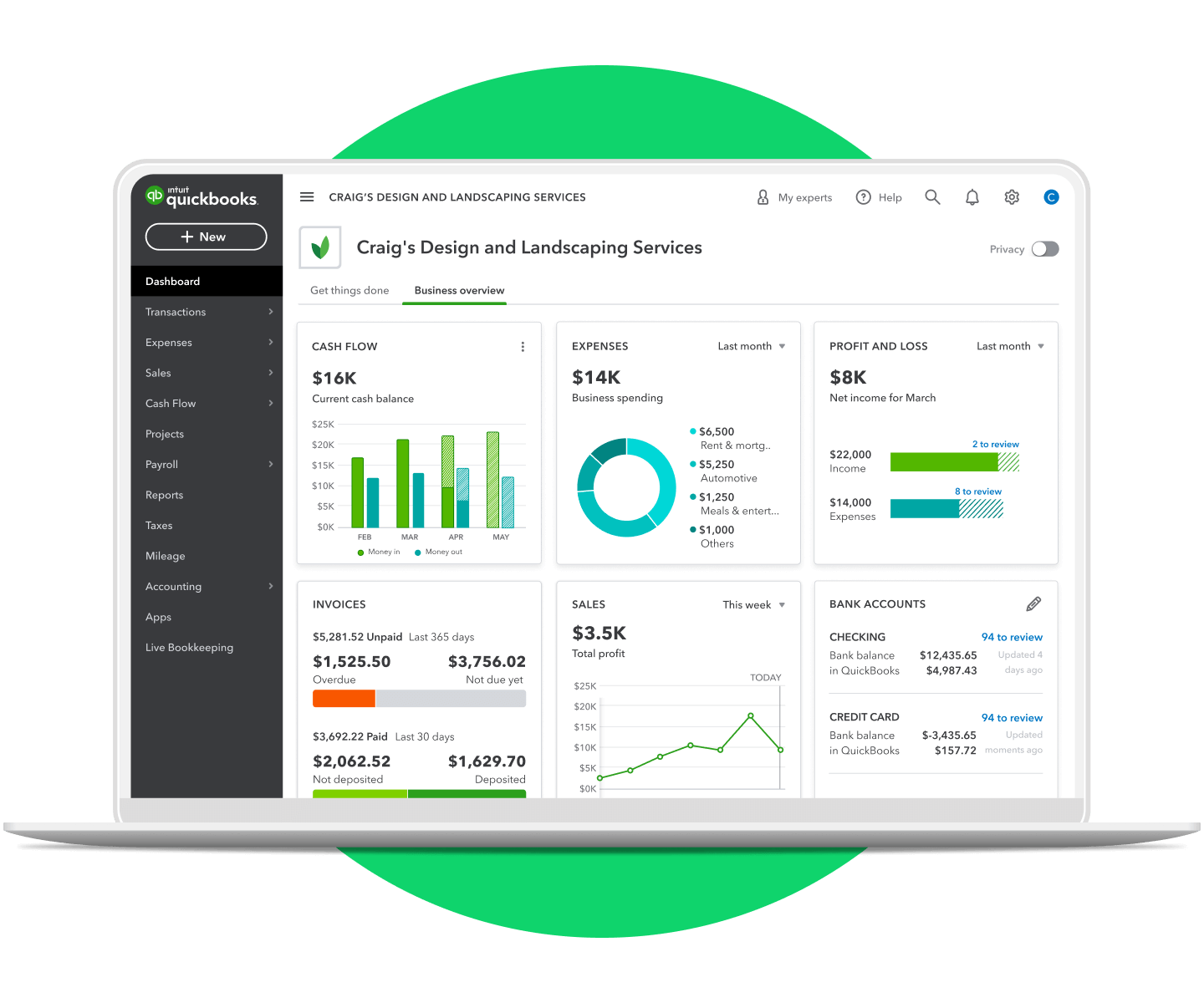
QuickBooks is arguably Intuit’s most significant contribution to the business world. QuickBooks means structure and simplification for small business finance. It revolutionized how small businesses manage their books, transforming accounting from a specialized, complex discipline into an accessible, user-friendly process. From invoicing and expense tracking to payroll and financial reporting, QuickBooks provides an integrated platform that eliminates manual spreadsheet errors and saves countless hours. For startups, it means the ability to manage finances professionally from day one, ensuring compliance and providing critical insights into profitability. For growing businesses, it means scalable solutions that adapt to increasing transaction volumes and reporting needs. QuickBooks empowers business owners to understand their financial health, make data-driven decisions, and focus on their core competencies, rather than getting bogged down in administrative tasks.
Payroll Solutions: Streamlining Compensation and Compliance
Integral to QuickBooks, Intuit’s payroll solutions address one of the most critical and complex aspects of business finance: employee compensation and compliance. Intuit Payroll means accuracy and peace of mind for employers. It automates salary calculations, tax withholdings, deductions, and direct deposits, drastically reducing the chances of errors that can lead to costly penalties. Furthermore, it handles tax filings and regulatory compliance, keeping businesses in good standing with federal and state authorities. For many small business owners, managing payroll is a daunting task that distracts from core business activities. Intuit’s payroll offerings remove this burden, ensuring employees are paid accurately and on time, and that the business remains compliant with ever-changing labor laws. This efficiency is crucial for retaining talent and maintaining a smooth operation, directly impacting a business’s financial stability.
Beyond Bookkeeping: Inventory, Invoicing, and Expense Management
Intuit’s solutions for small businesses extend beyond basic accounting to encompass a broader spectrum of financial operations. Its integrated ecosystem means comprehensive financial management. Features for inventory management help businesses track stock levels, manage purchases, and optimize sales, directly impacting cash flow and profitability. Robust invoicing tools simplify billing and collections, ensuring businesses get paid promptly. Automated expense management systems streamline the process of tracking and categorizing expenditures, providing clear insights into where money is being spent and enabling better budgeting. For entrepreneurs, especially those venturing into online income or side hustles, these tools are invaluable. They provide the professional infrastructure needed to turn a passion into a profitable venture, offering the financial sophistication that was once the exclusive domain of large corporations.
The Evolution of Financial Tools and Fintech Leadership
Intuit’s meaning has evolved significantly over the decades, transitioning from a software provider to a leader in financial technology (Fintech). Its continuous innovation means pushing the boundaries of what’s possible in financial management, leveraging cutting-edge technologies to deliver even greater value.
Data Aggregation and Financial Insights

At the heart of Intuit’s modern offerings is its prowess in data aggregation. Intuit means intelligence derived from data. By securely connecting to thousands of financial institutions, Intuit’s platforms gather and synthesize vast amounts of financial data. This capability underpins the power of Mint to provide a holistic financial overview and enables QuickBooks to offer comprehensive business analytics. Beyond mere collection, Intuit’s systems process this data to extract meaningful insights, identify trends, and offer personalized recommendations. For individuals, this might mean spotting an opportunity to save on interest or invest more effectively. For businesses, it translates to real-time cash flow analysis, expense optimization, and revenue forecasting. This transformation of raw data into actionable financial intelligence is a cornerstone of effective modern money management.
AI and Machine Learning in Financial Planning
Intuit is increasingly leveraging artificial intelligence (AI) and machine learning (ML) to enhance its financial tools. Intuit means predictive power and personalized automation. AI algorithms are used to categorize transactions automatically, detect potential fraud, and provide predictive insights into future cash flow for businesses. In TurboTax, AI helps identify eligible deductions and credits that users might otherwise overlook. For personal finance, ML models can analyze spending habits to offer hyper-personalized budgeting advice or investment recommendations. This infusion of AI and ML moves Intuit’s products beyond simple record-keeping to proactive financial planning and guidance, allowing users to make smarter, more foresightful financial decisions with less effort. It signifies a shift towards an era of “intelligent finance” where technology anticipates needs and offers solutions.
Cybersecurity and Data Trust in Financial Management
In an age where financial data is paramount, Intuit’s meaning is also inextricably linked to trust and security. Intuit means a commitment to protecting sensitive financial information. Given the nature of the data it handles—bank accounts, credit cards, tax records, payroll information—Intuit invests heavily in state-of-the-art cybersecurity measures. This includes encryption, multi-factor authentication, fraud detection systems, and continuous monitoring to safeguard user data from breaches and cyber threats. For individuals and businesses alike, entrusting financial information to a third party requires absolute confidence in their security protocols. Intuit’s long-standing reputation for data protection is a critical component of its meaning, ensuring that users can leverage powerful financial tools without compromising the privacy and integrity of their most sensitive information.
Intuit’s Broader Economic Influence
Beyond its direct product offerings, Intuit carries a broader economic meaning, influencing how society approaches financial literacy, supports emerging economic models, and drives the overall fintech ecosystem.
Supporting the Gig Economy and Side Hustles
The rise of the gig economy and side hustles represents a significant shift in how people earn income, and Intuit has been instrumental in supporting this movement. Intuit means enablement for the modern workforce. Products like QuickBooks Self-Employed are specifically designed to meet the unique financial needs of freelancers, independent contractors, and gig workers. These tools simplify tracking income and expenses, estimating quarterly taxes, and separating business and personal finances—tasks that can be particularly challenging for those managing multiple income streams outside traditional employment. By providing accessible and tailored financial management solutions, Intuit empowers individuals to confidently navigate the complexities of self-employment, fostering entrepreneurship and contributing to the growth of this evolving economic sector.
Financial Literacy and Accessibility
A core tenet of Intuit’s mission is to power prosperity around the world, which inherently involves enhancing financial literacy. Intuit means demystification and education. Through intuitive interfaces, clear explanations, and readily available resources, Intuit’s products inherently educate users about financial principles, tax laws, and business accounting. TurboTax guides users through the nuances of deductions, Mint clarifies budgeting concepts, and Credit Karma explains the dynamics of credit scores. This embedded financial education makes complex topics understandable, empowering a broader segment of the population to take control of their finances. By making sophisticated financial tools accessible to the masses, Intuit plays a crucial role in raising the overall level of financial literacy, which is vital for individual well-being and broader economic stability.
Driving Innovation in the Fintech Landscape
Intuit’s long history and continued evolution place it at the forefront of the fintech landscape. Intuit means a catalyst for innovation. Its market leadership and substantial investments in research and development continually push the boundaries of what financial software can achieve. Competitors often benchmark themselves against Intuit’s offerings, fostering a dynamic environment of innovation across the industry. From pioneering desktop accounting software to embracing cloud-based solutions and artificial intelligence, Intuit has consistently set standards and influenced trends. This continuous drive for innovation benefits not only Intuit’s users but also contributes to the advancement of financial technology as a whole, resulting in more sophisticated, secure, and user-friendly financial tools for everyone.
Looking Ahead: The Future of Intuit and Financial Management
The meaning of Intuit is not static; it is continually evolving in response to technological advancements, shifting economic landscapes, and changing user needs. Looking forward, Intuit is poised to further integrate its offerings and deliver even more personalized financial guidance.
Integrated Financial Ecosystems
The future of Intuit means seamless, integrated financial ecosystems. Rather than separate tools for taxes, budgeting, and business accounting, Intuit is moving towards a more unified platform where all financial aspects of an individual or small business are interconnected. Imagine a world where your daily spending in Mint directly impacts your tax projections in TurboTax, and your business transactions in QuickBooks automatically update your personal net worth. This level of integration promises to reduce redundancy, improve accuracy, and provide truly comprehensive financial insights, enabling users to manage their entire financial lives from a single, intelligent hub.
Personalized Financial Guidance
As AI and machine learning capabilities advance, Intuit’s meaning will increasingly revolve around hyper-personalized financial guidance. The future means a financial advisor in your pocket. Beyond generic advice, Intuit’s platforms will be able to analyze individual spending habits, income patterns, investment goals, and risk tolerance to offer tailored recommendations for saving, investing, debt management, and even business expansion. This could include proactive alerts about potential overspending, optimized investment portfolio adjustments, or personalized strategies for achieving specific financial milestones. This shift towards predictive, proactive, and personalized advice will transform financial management from a reactive task to a dynamic, forward-looking partnership with technology.
Global Expansion and Digital Inclusion
Intuit’s meaning also includes a commitment to global expansion and digital inclusion. As economies worldwide become more digitized, there is a growing need for accessible and intuitive financial tools in emerging markets. Intuit means empowering global prosperity. By adapting its products to international tax laws and financial regulations, Intuit can extend its impact, bringing sophisticated financial management to a broader global audience. This effort not only expands Intuit’s reach but also plays a crucial role in fostering economic development and financial stability in underserved regions, ultimately contributing to a more financially empowered global community.
In conclusion, “what does Intuit mean?” is a question with a profound and multifaceted answer within the realm of money. It means simplification for personal taxes, clarity for budgeting, and insight into credit. It means structure for small business accounting, efficiency for payroll, and comprehensive management for entrepreneurs. Furthermore, it means leadership in fintech innovation, a commitment to data security, and a force for financial literacy and inclusion. Intuit is not just a company; it is an indispensable architect of the modern financial landscape, continually evolving to empower individuals and businesses to achieve greater prosperity and control over their financial destinies.
aViewFromTheCave is a participant in the Amazon Services LLC Associates Program, an affiliate advertising program designed to provide a means for sites to earn advertising fees by advertising and linking to Amazon.com. Amazon, the Amazon logo, AmazonSupply, and the AmazonSupply logo are trademarks of Amazon.com, Inc. or its affiliates. As an Amazon Associate we earn affiliate commissions from qualifying purchases.