
Intuit, a name synonymous with personal and small business finance, is far more than just a purveyor of tax software or accounting tools. At its core, Intuit is a sophisticated technology company dedicated to solving complex financial challenges through innovative software, artificial intelligence, and cloud-based platforms. From individual taxpayers navigating intricate regulations to small business owners striving for growth, Intuit leverages cutting-edge technology to simplify, automate, and optimize financial management. Understanding “what Intuit does” means delving into its technological prowess and how it translates into tangible value for millions of users worldwide.
A Technological Core: Intuit’s Mission and Vision
Intuit’s journey began with a simple yet profound vision: to make financial life easier for everyone. This mission has consistently been powered by a deep commitment to technological innovation. The company doesn’t just build software; it engineers solutions that abstract away the complexity of financial rules and processes, presenting users with intuitive interfaces and intelligent automation. This focus positions Intuit firmly within the technology sector, using digital tools to disrupt and democratize access to sophisticated financial management capabilities previously only available to experts or large enterprises.
Simplifying Complexities through Software Innovation
The essence of Intuit’s technological contribution lies in its ability to transform daunting financial tasks into manageable, often automated, processes. Think about tax preparation: a labyrinth of forms, deductions, and ever-changing laws. Intuit’s flagship product, TurboTax, doesn’t just digitize these forms; it employs sophisticated algorithms, data analytics, and user-friendly design to guide individuals step-by-step, identify potential savings, and ensure compliance. This isn’t merely data entry; it’s a technologically driven expert system designed to mimic and surpass the capabilities of a human tax preparer, albeit within specific parameters.
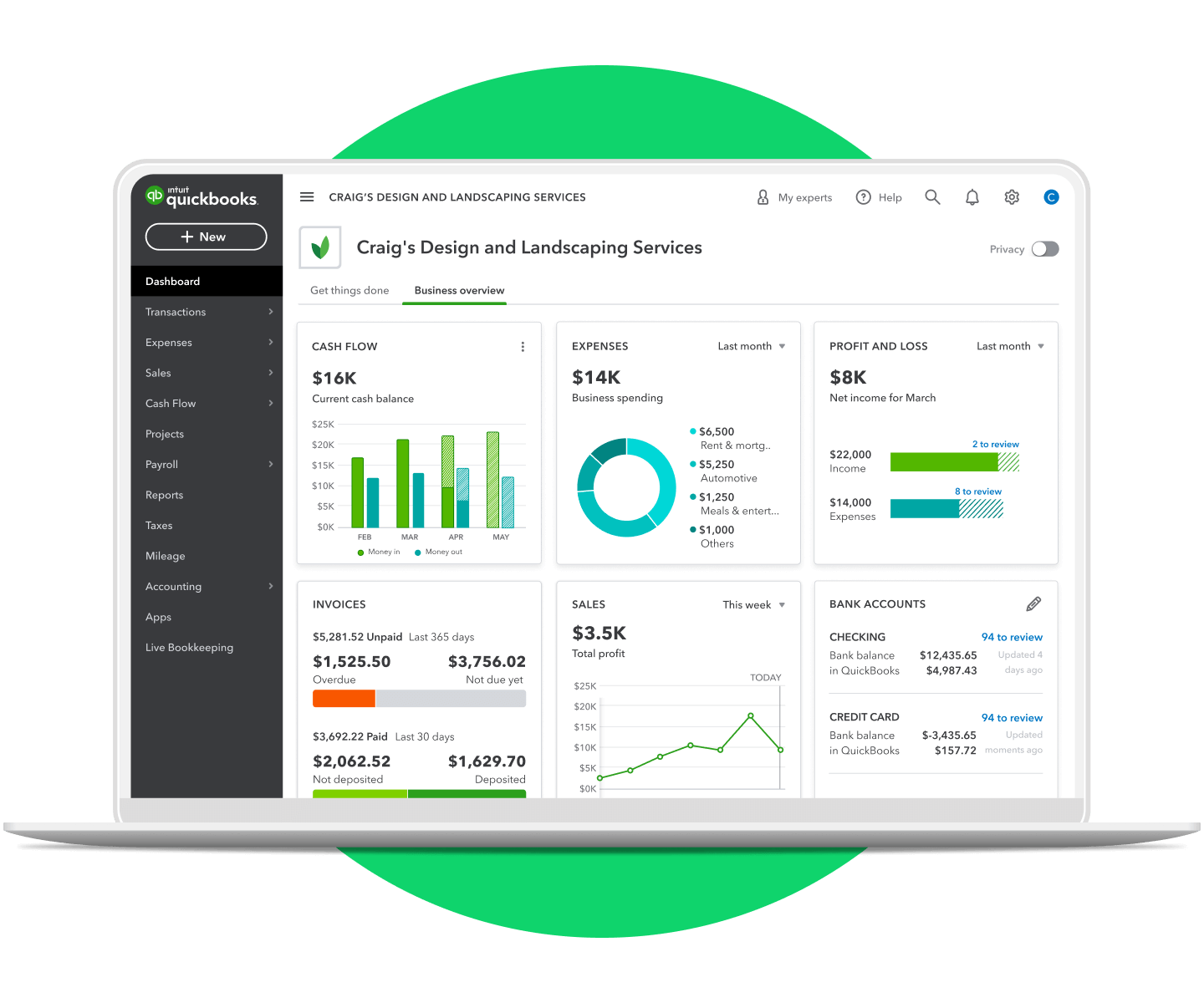
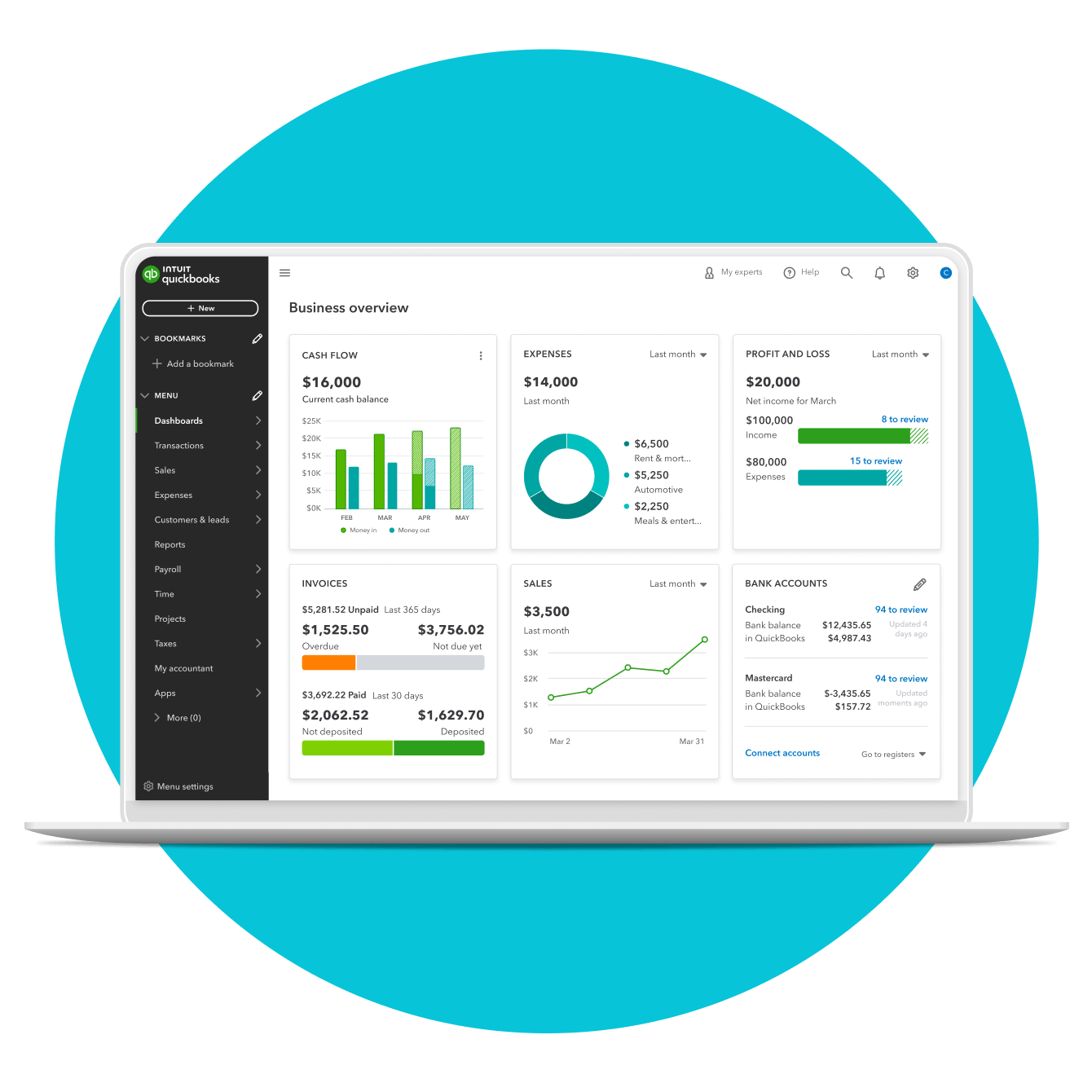
Similarly, for small businesses, managing finances involves an intricate dance of invoicing, expense tracking, payroll, and reporting. QuickBooks offers a comprehensive ecosystem that automates these functions, integrates with banks, and provides real-time insights. The underlying technology – from robust databases to secure cloud infrastructure and intelligent reporting engines – is what truly empowers small business owners to focus on their craft rather than getting bogged down in ledger books. Intuit’s innovations consistently aim to reduce friction, minimize errors, and deliver clarity, all through the strategic application of software.
The Evolution of a Tech Giant
Founded in 1983, Intuit’s evolution mirrors the broader trajectory of the technology industry itself. Initially, its products were desktop-based, requiring manual installations and updates. However, Intuit quickly embraced the internet revolution, migrating its core offerings to the cloud. This shift was monumental, transforming its business model from selling software licenses to providing software-as-a-service (SaaS). Cloud computing enabled real-time data synchronization, ubiquitous access, and continuous feature updates, vastly improving the user experience and the company’s ability to innovate rapidly.
More recently, Intuit has expanded its technological footprint through strategic acquisitions and significant investments in AI, machine learning (ML), and data science. The integration of Credit Karma and Mailchimp into its portfolio isn’t just about expanding market reach; it’s about weaving together disparate financial and marketing data points to create a more holistic and intelligent platform for its users. This ongoing evolution underscores Intuit’s commitment to remaining at the forefront of technological innovation, constantly seeking new ways to leverage digital tools to meet its users’ evolving needs.
Core Products: Technological Pillars of Financial Management
Intuit’s identity as a tech company is best exemplified through its suite of powerful products, each a testament to sophisticated engineering and user-centric design. These offerings are not just standalone applications but often interconnected systems built on a shared foundation of advanced technology.
TurboTax: AI-Driven Tax Preparation
TurboTax stands as a prime example of how Intuit uses technology to demystify complex financial processes. It’s more than just a digital form filler. Behind its intuitive interview-style interface lies a robust engine that interprets millions of tax codes and regulations. Its use of artificial intelligence and machine learning allows it to:
- Personalize the experience: By asking a series of targeted questions, TurboTax dynamically tailors the tax filing process, presenting only relevant sections to the user.
- Identify deductions and credits: AI algorithms analyze user input and imported financial data to suggest potential deductions and credits that users might overlook, maximizing refunds or minimizing liabilities.
- Ensure accuracy and compliance: Sophisticated validation rules and error checks are built into the system to catch common mistakes and ensure submitted returns meet IRS requirements.
- Integrate data seamlessly: Through secure bank and employer integrations, TurboTax can automatically import W-2s, 1099s, and other financial documents, significantly reducing manual data entry and potential errors.
QuickBooks: Cloud Accounting for Small Businesses
QuickBooks is the backbone of financial management for millions of small and medium-sized businesses globally. Its technological sophistication lies in its comprehensive cloud-based ecosystem designed for scalability and integration. Key technological features include:
- Cloud-Native Architecture: Enabling real-time access from any device, automatic backups, and seamless collaboration among team members or accountants.
- Automated Bookkeeping: AI and ML drive features like transaction categorization, invoice matching, and expense tracking, significantly reducing manual effort.
- Payroll Processing: Integrated payroll systems handle complex calculations, tax filings, and direct deposits, adhering to ever-changing regulations.
- Reporting and Analytics: Powerful data visualization tools turn raw financial data into actionable insights, helping business owners make informed decisions about cash flow, profitability, and growth.
- Extensive App Ecosystem: QuickBooks offers an API (Application Programming Interface) that allows thousands of third-party applications – from CRM to e-commerce platforms – to integrate seamlessly, creating a unified operational hub for businesses.
Credit Karma: Leveraging Data for Financial Opportunity
Intuit’s acquisition of Credit Karma brought a powerful data-driven platform into its fold. Credit Karma leverages vast amounts of financial data to provide users with free credit scores, reports, and personalized recommendations for financial products like credit cards, loans, and insurance. Its technological foundation relies on:
- Big Data Analytics: Processing billions of data points to generate credit scores and analyze individual financial profiles.
- Machine Learning for Personalization: Algorithms learn from user behavior and financial attributes to recommend relevant products, optimizing approval odds and terms.
- Secure Data Aggregation: Connecting to various financial institutions with user consent to provide a holistic view of an individual’s financial standing.
- Fraud Detection: Advanced security protocols and anomaly detection systems protect user data and prevent fraudulent activities.
Mailchimp: Integrating Marketing with Financial Workflows
The addition of Mailchimp to Intuit’s product suite highlights a strategic move to integrate financial operations with customer engagement and growth. Mailchimp, a leading marketing automation platform, leverages technology to:
- Automate Marketing Campaigns: Enabling businesses to send targeted emails, manage ad campaigns, and create landing pages without extensive technical knowledge.
- Customer Relationship Management (CRM): Storing and analyzing customer data to segment audiences and personalize communications.
- AI-Powered Insights: Offering recommendations for subject lines, send times, and audience targeting to optimize campaign performance.
- Seamless Integration: When combined with QuickBooks, businesses can leverage their financial data to inform marketing strategies, for example, identifying high-value customers or segmenting based on purchase history, thus creating a more cohesive growth strategy driven by data.

The Underlying Technology: How Intuit Delivers Value
The functionality of Intuit’s products is underpinned by a sophisticated technology stack and an unwavering commitment to engineering excellence. This foundation is crucial for delivering reliable, secure, and scalable financial solutions.
Cloud Infrastructure and Scalability
Intuit operates on a robust, highly scalable cloud infrastructure, primarily leveraging public cloud providers like Amazon Web Services (AWS) alongside its own proprietary data centers. This architecture is essential for:
- Handling Peak Loads: Especially during tax season, when millions of users access TurboTax simultaneously, the infrastructure dynamically scales to ensure performance and availability.
- Global Reach: Serving users across different geographies with localized services and compliance.
- Disaster Recovery and Redundancy: Multiple data centers and redundant systems ensure business continuity and data protection in case of outages.
- Continuous Deployment: Enabling engineers to rapidly deploy new features and updates without service interruptions, an agile approach common in leading tech companies.
Artificial Intelligence and Machine Learning
AI and ML are not buzzwords at Intuit; they are integral to its product strategy. These technologies power many of the intelligent features across its platforms:
- Predictive Analytics: Forecasting cash flow, identifying potential financial risks for small businesses, and predicting tax outcomes for individuals.
- Natural Language Processing (NLP): Enhancing customer support chatbots, interpreting user queries, and categorizing transactions based on textual descriptions.
- Anomaly Detection: Flagging suspicious transactions or unusual financial activity to enhance security and prevent fraud.
- Personalized Recommendations: Tailoring product suggestions, financial advice, and marketing content based on individual user profiles and behaviors.
Data Security and Privacy
Given the sensitive nature of financial data, security and privacy are paramount at Intuit. The company invests heavily in cutting-edge security technologies and practices:
- Encryption: All data, both in transit and at rest, is encrypted using industry-standard protocols.
- Multi-Factor Authentication (MFA): Implementing robust authentication mechanisms to protect user accounts.
- Threat Detection and Prevention: Utilizing advanced security analytics, intrusion detection systems, and vulnerability assessments to proactively identify and mitigate threats.
- Compliance with Regulations: Adhering to stringent global data protection regulations like GDPR and CCPA, as well as financial industry-specific compliance frameworks.
- Privacy-by-Design: Integrating privacy considerations into every stage of product development, ensuring user data is handled responsibly and transparently.
API Integrations and Ecosystem Development
Intuit understands that no single platform can do everything. Its commitment to an open ecosystem, particularly with QuickBooks, through extensive API integrations, allows other software providers to connect seamlessly. This strategy benefits users by:
- Expanding Functionality: Businesses can connect QuickBooks to their CRM, e-commerce stores, point-of-sale systems, and more, creating a unified data flow.
- Automating Workflows: Data flows automatically between connected applications, reducing manual entry and improving accuracy.
- Fostering Innovation: The open API encourages a vibrant developer community to build specialized tools that enhance Intuit’s core offerings.
This interconnectedness is a hallmark of modern tech platforms, creating more value for users by facilitating a broader, more integrated solution set.
Impact and Future: Intuit’s Role in the Tech Landscape
Intuit’s technological innovations have had a profound impact, not just on individual users and small businesses, but on the broader financial technology (FinTech) landscape. By consistently pushing the boundaries of what software can do for financial management, Intuit continues to shape expectations and drive progress.
Empowering Financial Independence
The most significant impact of Intuit’s technology is the empowerment it provides. For individuals, TurboTax has democratized tax filing, making it accessible and understandable without the need for expensive professionals. Products like Mint (now integrated with Credit Karma) provide tools for budgeting and tracking spending, giving users greater control over their personal finances. For small businesses, QuickBooks has leveled the playing field, equipping them with the financial intelligence and operational efficiency previously reserved for larger corporations. This empowerment fosters greater financial literacy, stability, and growth across various demographics.
Innovations on the Horizon
Intuit is not resting on its laurels. The company continues to invest heavily in research and development, particularly in areas like advanced AI, generative AI, and hyper-personalization. Expect to see:
- More Proactive Financial Guidance: AI-driven insights that not only report on past financial activity but also proactively suggest future actions, identify potential savings, and flag risks before they become problems.
- Enhanced Interoperability: Deeper and more seamless integrations across all its products and with third-party applications, creating a truly unified financial and operational hub.
- Voice and Conversational AI: More intuitive ways for users to interact with their financial data, asking questions and receiving insights in natural language.
- Embedded Finance: Further integration of financial services directly into the operational workflows of small businesses, making lending, payments, and banking services even more accessible and contextual.
Challenges and Opportunities in FinTech
As a leading FinTech company, Intuit faces both challenges and immense opportunities. The rapidly evolving regulatory landscape, the constant threat of cyberattacks, and the need to maintain user trust are ongoing challenges. However, the opportunity to further leverage AI to personalize financial advice, to simplify cross-border transactions for businesses, and to continue to innovate in areas like identity verification and secure data sharing is vast. Intuit’s commitment to technology positions it well to navigate these complexities and capitalize on future trends.
The Enduring Technological Legacy of Intuit
In conclusion, “what Intuit does” is fundamentally about harnessing the power of technology to simplify and enrich the financial lives of individuals and small businesses. It builds sophisticated software that transforms complex regulations and cumbersome processes into intuitive, automated experiences. From its foundational cloud infrastructure and robust security measures to its cutting-edge applications of AI and extensive API ecosystems, Intuit stands as a paragon of technological innovation in the FinTech space. Its products are not just tools; they are technological solutions designed to empower users, drive efficiency, and foster financial well-being in an increasingly digital world. As technology continues to advance, Intuit remains committed to its mission, consistently leveraging the latest innovations to redefine what’s possible in financial management.
aViewFromTheCave is a participant in the Amazon Services LLC Associates Program, an affiliate advertising program designed to provide a means for sites to earn advertising fees by advertising and linking to Amazon.com. Amazon, the Amazon logo, AmazonSupply, and the AmazonSupply logo are trademarks of Amazon.com, Inc. or its affiliates. As an Amazon Associate we earn affiliate commissions from qualifying purchases.