
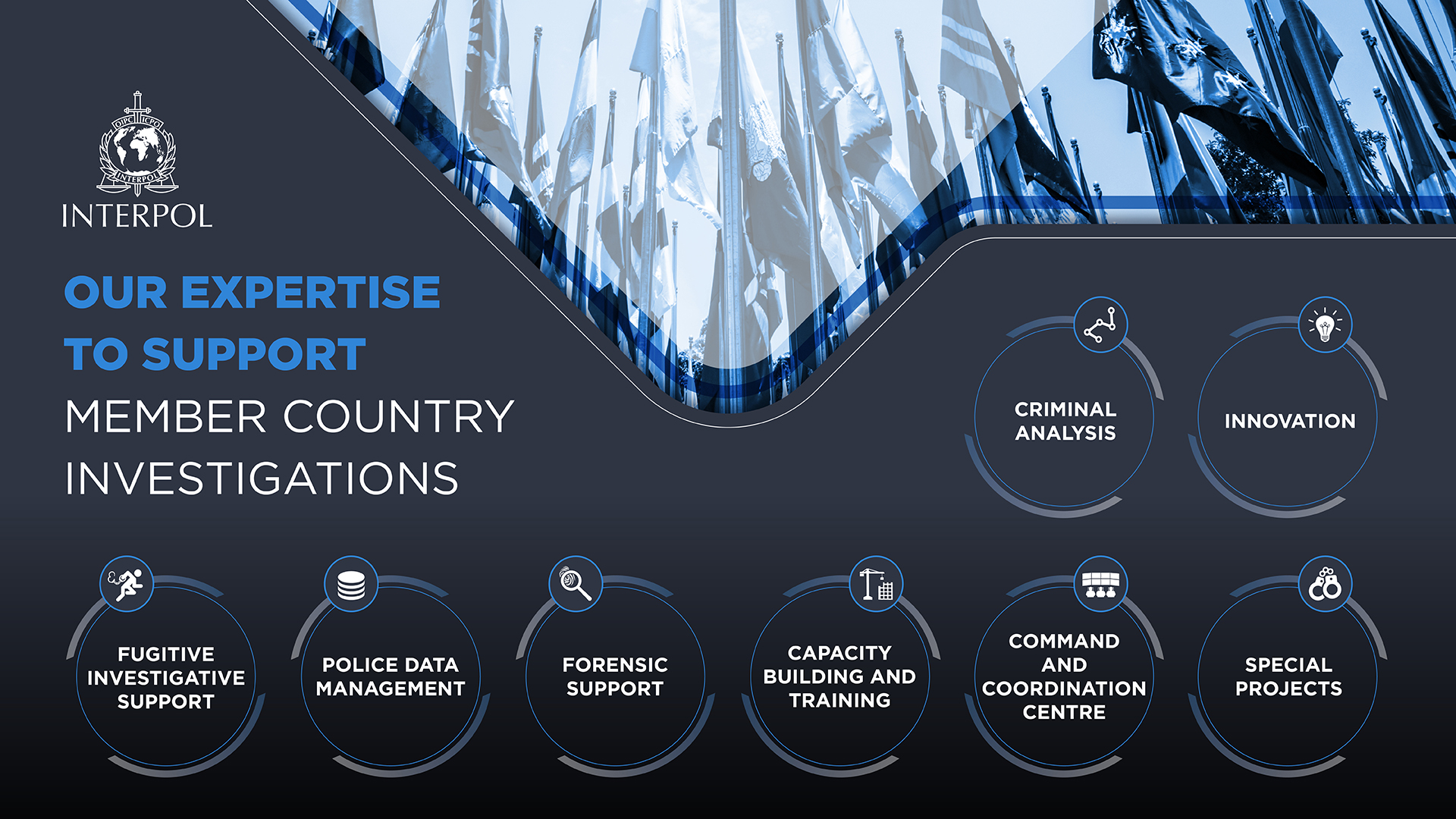
In an era defined by borderless digital transactions and rapid technological shifts, the traditional image of international policing has undergone a radical transformation. When the public asks “What does Interpol do?”, the answer no longer centers solely on agents chasing suspects across physical borders. Instead, Interpol—the International Criminal Police Organization—functions as the world’s most sophisticated technology hub for law enforcement. It provides the digital architecture, secure communication channels, and advanced data analytics necessary for 196 member countries to fight crime in a hyper-connected world.
By acting as a central clearinghouse for digital intelligence, Interpol ensures that a local police officer in a small town has access to the same high-level forensic data as a federal agent in a major capital. To understand Interpol’s modern role, one must look past the cinema-style “international arrest warrants” and examine the cutting-edge technology and digital security protocols that power global safety.

The Digital Backbone: The I-24/7 Global Communications System
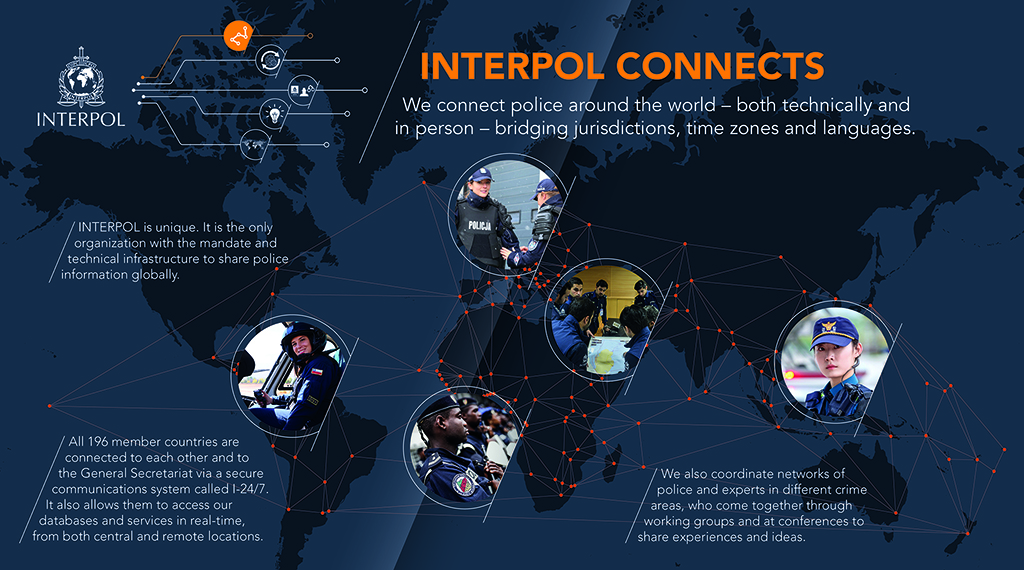
At the heart of Interpol’s operational capability is a highly secure, technical infrastructure known as I-24/7. This system is the vital nervous system of global law enforcement, allowing police around the world to share sensitive information instantly and securely.
Real-Time Data Sharing and Interoperability
The I-24/7 system is a technical marvel of interoperability. Before its inception, law enforcement agencies often operated in silos, using incompatible databases and slow manual processes to share information. Today, I-24/7 provides a common platform where member countries can search and cross-reference data in seconds.
Whether it is a query about a stolen passport or a notification regarding a suspected cybercriminal, the I-24/7 network uses encrypted channels to ensure that data integrity is maintained. This system isn’t just about sending emails; it is about providing integrated access to a suite of 19 different databases that cover everything from fingerprints and DNA to stolen works of art and child exploitation materials.
The Role of Cloud Computing and Secure Nodes
Interpol has moved aggressively toward decentralized yet synchronized data management. Each member country operates a National Central Bureau (NCB), which acts as the local node for the I-24/7 network. The technology behind these nodes involves sophisticated cloud integration and edge computing, ensuring that even in regions with limited infrastructure, law enforcement can sync with global databases without compromising the security of the broader network. This digital security framework is essential for maintaining the “Chain of Trust” required for evidence to be admissible in international courts.
Combating the Cyber Frontier: Interpol’s Tech-First Strategy
As crime moves from the physical streets to the digital realm, Interpol has pivoted its focus toward the Global Cybercrime Programme. Based primarily at the Interpol Global Complex for Innovation (IGCI) in Singapore, this division represents the organization’s commitment to staying ahead of the technological curve.
The Global Cybercrime Operations Desk
Interpol does not just observe cyber threats; it coordinates the technical response to them. The Global Cybercrime Operations Desk works to identify trends in malware, ransomware, and phishing. By aggregating data from private-sector cybersecurity firms and national police agencies, Interpol creates a comprehensive “threat map” of the digital world.
One of their primary functions is the neutral platform they provide for “Cyber Fusion.” In this environment, technical experts from across the globe share de-identified malware code and command-and-control (C2) server locations. This allows for a proactive teardown of botnets and digital infrastructure used by organized crime syndicates. Without this centralized tech coordination, a cyberattack launched from one continent against another would often go unpunished due to jurisdictional hurdles.
Digital Forensics and Malware Analysis
When a major data breach or cyberattack occurs, Interpol provides the technical tools and training for digital forensics. This includes hardware and software capable of extracting data from encrypted devices and analyzing the “digital fingerprints” left behind by hackers. Their forensics laboratory specializes in reverse-engineering malicious software to understand its origin and intent, providing member countries with the technical blueprints needed to defend their national digital infrastructures.
Biometrics and Big Data: Tracking Identity in the Digital Age
The concept of identity has shifted from physical documents to digital signatures. Interpol’s role in modern policing relies heavily on the use of biometric technology and big data analytics to identify individuals who may be using sophisticated tech to hide their tracks.
Automated Biometric Identification Systems (ABIS)
Interpol manages several of the world’s most advanced biometric databases. The Automated Fingerprint Identification System (AFIS) and the Facial Recognition System allow for the rapid cross-referencing of millions of records. These systems use machine learning algorithms to find matches even when subjects have undergone physical changes or are using low-quality surveillance footage as a source.
In recent years, DNA profiling has become a cornerstone of their technical offerings. Through the I-Familia database, Interpol utilizes a global DNA matching system that can identify missing persons or unidentified human remains through kinship matching. This involves complex probabilistic software that can calculate the likelihood of biological relationships across diverse populations, a feat that requires immense computational power and rigorous data standards.
The Stolen and Lost Travel Documents (SLTD) Database
Perhaps the most frequently utilized tech tool in Interpol’s arsenal is the SLTD database. When you scan your passport at an international airport, there is a high probability the system is hitting an Interpol API. This database contains over 100 million records of stolen, lost, or revoked travel documents. The speed at which these queries occur—often in less than a second—is a testament to the high-performance database architecture Interpol maintains. By preventing the use of fraudulent documents, Interpol secures the “physical-to-digital” bridge of international travel.
Securing the Internet of Things (IoT) and Emerging Tech
As our homes, cars, and cities become “smarter,” they also become more vulnerable. Interpol is currently at the forefront of researching how the Internet of Things (IoT) can be both a target for criminals and a tool for investigators.
Cryptographic Challenges and Blockchain Monitoring
The rise of decentralized finance (DeFi) and cryptocurrencies has provided a new avenue for money laundering and ransomware payments. Interpol has responded by developing specialized units focused on virtual asset tracking. Using blockchain analytics tools, they can trace the movement of illicit funds across various ledgers.
While the blockchain is often touted as anonymous, Interpol utilizes sophisticated clustering algorithms to deanonymize addresses associated with criminal activity. By correlating “off-chain” data with “on-chain” transactions, they provide member countries with the technical evidence needed to freeze digital wallets and seize virtual assets.
The Metaverse and Virtual Reality (VR) Policing
In a forward-looking move, Interpol has recently launched the first-ever “Interpol Metaverse.” This is not just a PR exercise; it is a functional virtual space designed for training and collaboration. Law enforcement officers can enter a secure VR environment to simulate crime scene investigations, practice tactical responses, or attend virtual training sessions without the logistical costs of international travel. This use of “Digital Twins”—virtual replicas of real-world environments—allows for high-stakes training in a zero-risk digital setting.
The Ethical Interface: Privacy, AI, and Global Tech Standards
As Interpol integrates more Artificial Intelligence (AI) and automated systems into its operations, it must navigate the complex landscape of digital ethics and data privacy. The organization plays a crucial role in setting global standards for how technology should be used in law enforcement.
Responsible AI and Predictive Analytics
The use of AI in policing is a double-edged sword. Interpol actively develops frameworks for “Responsible AI,” ensuring that algorithms used for predictive policing or facial recognition are transparent and free from systemic bias. They facilitate international dialogues on the technical governance of AI, ensuring that as police forces adopt automated tools, they do so within a framework that respects data privacy laws like GDPR and other international human rights standards.
Data Sovereignty and Security Protocols
Maintaining a global database requires a rigorous approach to data sovereignty. Interpol’s tech stack is designed to ensure that each member country retains ownership of the data it contributes. Their “Red Notice” and “Blue Notice” systems are essentially digital workflows that require strict verification steps, ensuring that the technology is not used for unauthorized political purposes. The technical safeguards, including multi-factor authentication and end-to-end encryption for all inter-agency communications, make Interpol’s network one of the most secure digital environments in existence.
In conclusion, when we ask “What does Interpol do?”, we are looking at the chief architect of the world’s digital security infrastructure for law enforcement. Through its I-24/7 network, advanced biometric databases, and specialized cybercrime units, Interpol provides the technological leverage necessary to combat 21st-century threats. As technology continues to evolve, Interpol’s role will only become more vital, serving as the essential link between national security and the global digital frontier.
aViewFromTheCave is a participant in the Amazon Services LLC Associates Program, an affiliate advertising program designed to provide a means for sites to earn advertising fees by advertising and linking to Amazon.com. Amazon, the Amazon logo, AmazonSupply, and the AmazonSupply logo are trademarks of Amazon.com, Inc. or its affiliates. As an Amazon Associate we earn affiliate commissions from qualifying purchases.