
Understanding the nuances of clothing sizing, particularly for something as fundamental as jeans, can significantly impact comfort, fit, and ultimately, the wearer’s confidence. Among the various measurements associated with denim, the “inseam” stands out as a crucial indicator of how a pair of jeans will drape and feel, especially around the legs. While seemingly straightforward, a clear comprehension of what inseam signifies, how it’s measured, and its implications for different body types and styles is essential for making informed purchasing decisions, whether online or in-store. This article delves into the meaning of inseam on jeans, exploring its measurement, its impact on fit, and how to choose the right inseam for your individual needs, all within the context of smart consumerism and making financially sound choices when acquiring apparel.
The Fundamental Measurement: Defining Inseam in Denim
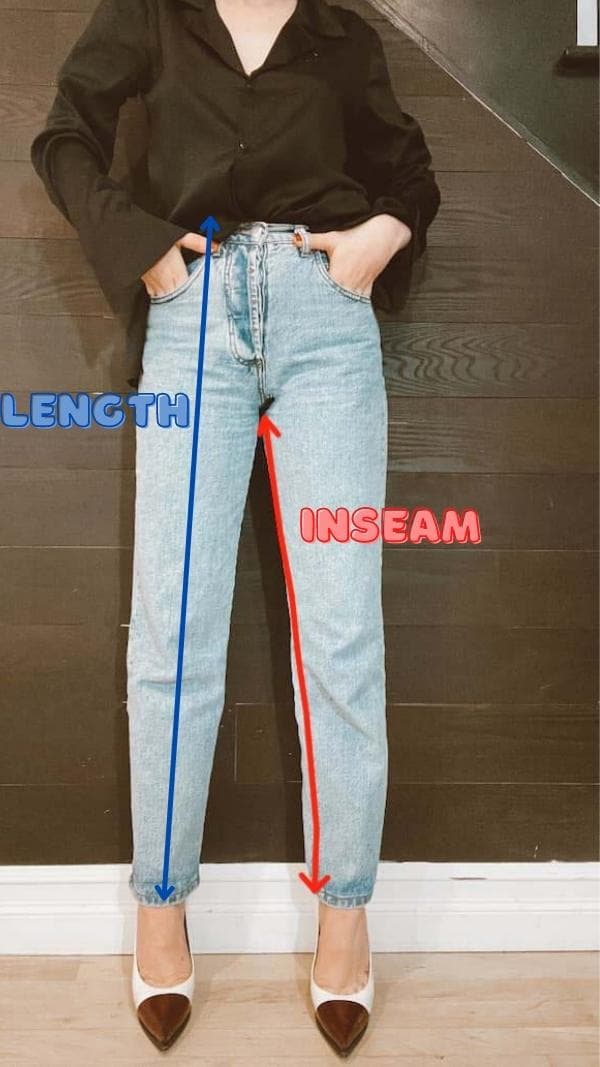
The inseam of a pair of jeans refers to the length of the fabric from the crotch seam to the bottom hem of the leg. This measurement is exclusively concerned with the inner leg length, as opposed to the outseam, which measures the entire length of the leg from the waistband down the side to the hem. For consumers, this distinction is vital. A jean’s outseam can be influenced by the rise (the distance from the crotch to the waistband), whereas the inseam directly dictates how the jeans will fit around the legs and how they will break on footwear.
Understanding the Practical Application of Inseam
The practical application of the inseam measurement is primarily about achieving the desired fit and aesthetic. For individuals seeking a classic, tailored look where the jeans subtly rest on top of their shoes, a specific inseam length is required. Conversely, those who prefer a stacked or roped effect, where excess fabric bunches around the ankle, will opt for a longer inseam. Understanding this measurement empowers consumers to avoid the common pitfalls of ill-fitting jeans, such as those that are too short and leave an awkward gap, or those that are excessively long and create a tripping hazard or an unkempt appearance. This direct impact on fit translates to a better overall value for money, as well-fitting garments are more likely to be worn and enjoyed for longer periods.
The Inseam and Its Relationship to Other Jean Measurements
While the inseam is a critical measurement, it doesn’t exist in isolation. It works in conjunction with other sizing indicators to create the complete picture of a jean’s fit. The waist measurement, for instance, ensures the jeans sit comfortably around the hips and waist. The rise (low, mid, or high) dictates where the waistband sits on the body, influencing the overall silhouette and how the inseam’s length is perceived. A high-rise jean with a particular inseam might appear to have a shorter leg length than a low-rise jean with the same inseam, due to the increased vertical distance from the crotch to the hem. Similarly, the leg opening (the width of the hem) can affect how the inseam length interacts with footwear. A wider leg opening might accommodate a longer inseam without appearing overly baggy, while a narrow leg opening will showcase a longer inseam more prominently, potentially leading to a stacked look. Recognizing these interdependencies is crucial for making a purchase that truly aligns with one’s expectations and avoids costly returns or exchanges.
Measuring for the Perfect Fit: A Consumer’s Guide to Inseam Length
Accurately measuring your inseam is paramount to selecting jeans that fit impeccably. This isn’t a complex process, but it requires attention to detail. Many consumers rely on pre-determined inseam lengths offered by brands, but understanding how these are derived and being able to verify them can save considerable frustration and expense.
The DIY Inseam Measurement: Step-by-Step
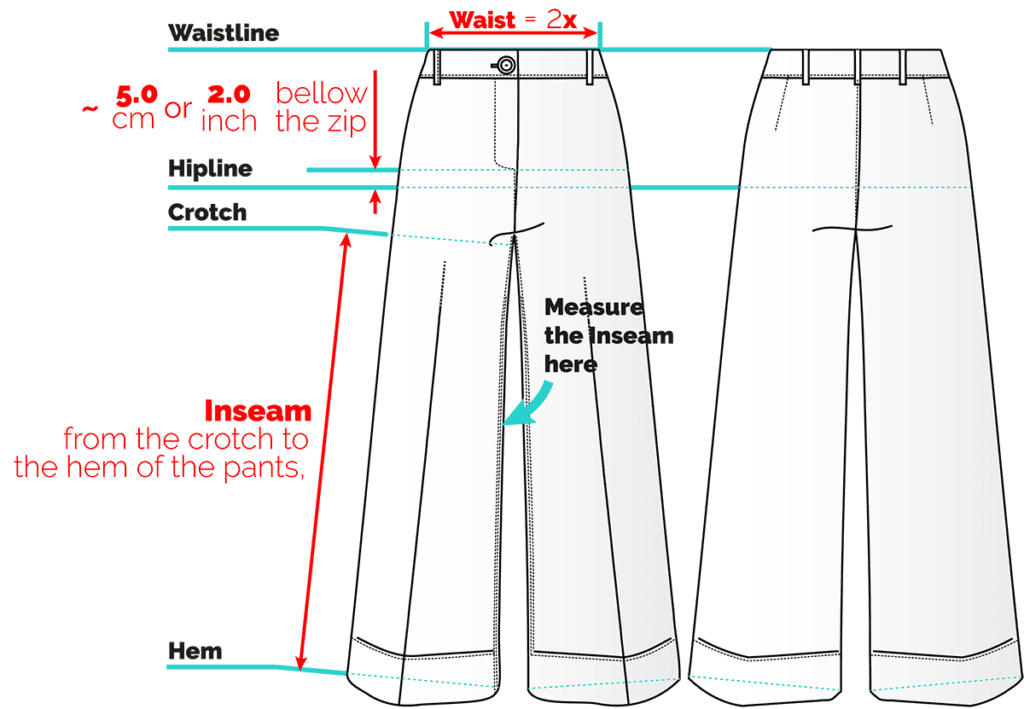
To measure your inseam accurately, you’ll need a flexible measuring tape. The most reliable method is to measure a pair of well-fitting trousers that you already own. Lay them flat on a surface, ensuring the seams are aligned and there are no wrinkles. Start the tape measure at the very top of the crotch seam, where the two leg seams meet. Carefully run the tape measure down the inner seam of the leg all the way to the bottom hem. It’s important to measure along the seam as this is how the inseam is measured by manufacturers. For a more precise measurement, and to account for how jeans will sit on your body, you can also have someone measure you directly. Stand with your back against a wall, ensuring your feet are flat on the floor and your legs are straight. Have another person place the end of the measuring tape at the top of your inner thigh, where the crotch would be, and run it down the inside of your leg to your ankle. This direct measurement can sometimes differ slightly from measuring a pair of existing pants due to the natural drape of fabric.
Understanding Standard Inseam Lengths and Their Implications
Jeans are typically sold with a range of standard inseam lengths, often in increments of one inch. Common inseam lengths include 28, 30, 32, 34, and 36 inches. The “correct” inseam length is subjective and depends entirely on your height, leg length, and the desired style of the jeans. For example, a person who is 5’5″ might find a 30-inch inseam to be ideal for a straight-leg or bootcut jean, allowing for a slight break on their shoes. In contrast, a person who is 6’0″ might require a 34-inch inseam for a similar fit. It’s important to note that brands can have slight variations in their sizing. A 32-inch inseam from one brand might fit slightly differently than a 32-inch inseam from another. This is where checking product descriptions for specific garment measurements, if available, can be beneficial. Considering these standard lengths and how they relate to your own measurements is a fundamental step in making a financially prudent choice when purchasing denim. Buying jeans that require costly alterations due to an incorrect inseam length can negate potential savings from sale prices.
The Art of the Break: How Inseam Dictates Jean Styling
The “break” of a jean refers to how the hem of the fabric interacts with the top of the shoe. The inseam length is the primary determinant of the break. A full break occurs when the jean fabric folds or “breaks” significantly on top of the shoe. This is often achieved with a longer inseam and can create a more relaxed or fashion-forward look, especially with wider leg styles. A half-break is a more subtle fold. A quarter-break is even less pronounced, and no break means the hem of the jean just grazes the top of the shoe. For individuals who prefer a clean, sharp silhouette, ensuring their inseam measurement results in little to no break is crucial. Conversely, those seeking a more casual, stacked aesthetic will intentionally choose a longer inseam. Understanding these styling nuances allows consumers to make informed choices that align with their personal style, thereby maximizing the utility and satisfaction derived from their purchase and avoiding the expenditure of funds on garments that don’t meet their stylistic aspirations.
The Financial Wisdom of a Proper Inseam Fit
In the realm of fashion, particularly with staple items like jeans, achieving a proper fit isn’t just about aesthetics; it’s also about financial prudence. Investing in jeans with the correct inseam measurement can lead to significant savings over time by reducing the need for alterations, extending the lifespan of the garment, and ultimately, leading to more satisfying and less wasteful purchases.
Avoiding Costly Alterations: The Inseam Advantage
One of the most immediate financial benefits of understanding and choosing the correct inseam is the avoidance of alteration costs. Many people purchase jeans that are too long and then incur expenses to have them hemmed. A typical alteration for hemming jeans can range from $10 to $30 or more, depending on the complexity and location. For a pair of jeans that might have been purchased at a sale price, this additional cost can significantly increase the overall investment. By taking the time to accurately measure your inseam and selecting a pair that closely matches your needs, you effectively eliminate this potential expenditure. This is particularly relevant when shopping online, where the ability to try on garments is limited. Thoroughly researching inseam lengths and comparing them to your own measurements can prevent the regret of a purchase that requires further financial outlay to become wearable.
Maximizing Garment Longevity and Value
The correct inseam not only impacts the initial fit but also contributes to the longevity of your jeans. Jeans that are too long can drag on the ground, leading to premature fraying, wear, and damage to the hem. This can significantly shorten the lifespan of the garment, forcing you to replace them sooner than necessary. Conversely, jeans that are too short can result in an unflattering look and may feel uncomfortable as they ride up. A well-fitting inseam ensures the jeans drape correctly, minimizing excessive wear and tear on the fabric. This means your jeans will maintain their appearance and structural integrity for longer, offering a better return on your initial investment. When viewed through a financial lens, extending the life of your clothing is a direct form of saving, as it reduces the frequency with which you need to repurchase items. This mindful approach to apparel acquisition aligns with principles of sustainable consumption and smart financial planning.

Informed Purchasing Decisions: A Cornerstone of Smart Consumerism
Ultimately, understanding what inseam means on jeans is a cornerstone of informed consumerism. It empowers you to make deliberate purchasing decisions rather than impulse buys that may lead to regret and wasted money. When shopping, whether online or in-store, having this knowledge allows you to:
- Compare Brands Effectively: Different brands may use slightly different measurement standards. Knowing your inseam allows for more accurate comparisons.
- Utilize Sales and Discounts Wisely: You can confidently purchase sale items, knowing that the inseam measurement will likely suit your needs, without the added worry of needing alterations.
- Reduce Returns and Exchanges: A proper fit means fewer returns, which saves you time and potential shipping costs, further contributing to financial efficiency.
- Invest in Quality Over Quantity: When you know what to look for and can confidently select items that fit well, you’re more likely to invest in higher-quality, longer-lasting pieces rather than frequently replacing ill-fitting, cheaper alternatives.
By prioritizing the inseam measurement, alongside other critical fit indicators, consumers can navigate the vast world of denim with greater confidence and financial astuteness. This knowledge transforms a potentially confusing aspect of apparel shopping into a straightforward process that maximizes value and minimizes expenditure, ensuring that your investment in a pair of jeans is a wise and satisfying one.
aViewFromTheCave is a participant in the Amazon Services LLC Associates Program, an affiliate advertising program designed to provide a means for sites to earn advertising fees by advertising and linking to Amazon.com. Amazon, the Amazon logo, AmazonSupply, and the AmazonSupply logo are trademarks of Amazon.com, Inc. or its affiliates. As an Amazon Associate we earn affiliate commissions from qualifying purchases.