
In the sophisticated world of high-stakes finance and corporate law, terminology often acts as a gatekeeper to understanding how value is created and protected. One such term that carries significant weight, yet remains misunderstood by many retail investors and budding entrepreneurs, is “inchoate.” Derived from the Latin inchoatus, meaning “begun but not finished,” the term describes a state of existence that is rudimentary, nascent, or not yet fully formed.
In the context of money, investing, and business finance, an inchoate interest is a right or a claim that has been initiated but has not yet “vested” or become fully realized. Understanding what inchoate means is not merely a linguistic exercise; it is a critical component of risk management and strategic planning. Whether you are dealing with future equity, pending intellectual property rights, or pre-negotiation contracts, recognizing the inchoate stage of an asset is the first step toward securing long-term wealth.
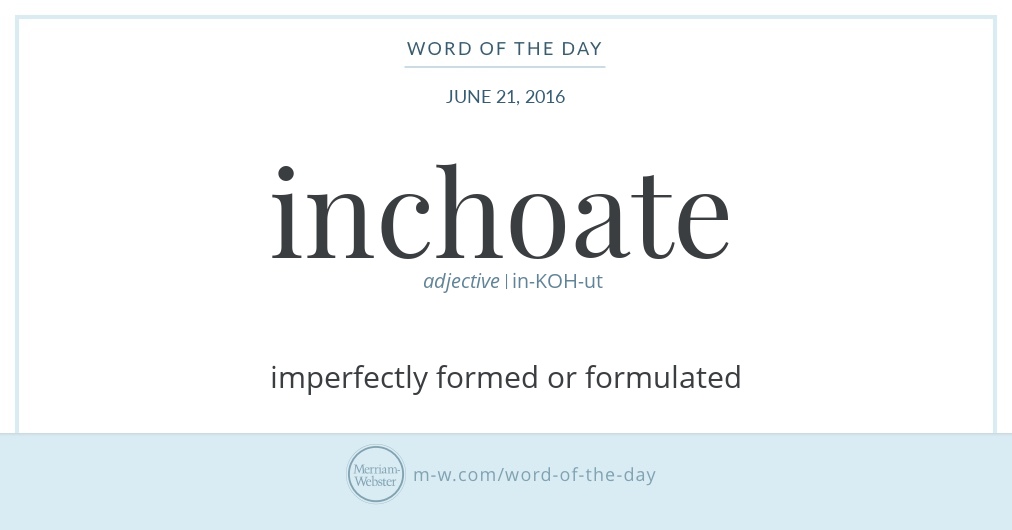
Defining Inchoate in a Financial and Legal Context
To understand “inchoate” in a financial sense, one must view it as the bridge between a potentiality and a concrete asset. It represents a legal or financial status that is “on the way” to becoming a full right, but is currently contingent upon certain conditions being met.
The Transition from Potential to Vested
In personal and corporate finance, the distinction between an inchoate right and a vested right is the difference between a promise and a possession. A vested right is an absolute, unconditional right to an asset. An inchoate right, conversely, is a legitimate claim that is waiting for a “triggering event.” For example, a spouse’s right to dower or curtesy in real estate was historically considered inchoate during the marriage; it existed as a legal cloud or potentiality, but it only became “consummate” or fully realized upon the death of the other spouse. In modern finance, we see this in performance-based bonuses or “cliff” periods in compensation packages.
Why Timing Matters for Investors
For investors, identifying inchoate assets is essential for calculating the true value of a company. If a firm has inchoate claims against a competitor—perhaps a pending patent or a lawsuit that hasn’t reached a verdict—these are “unfinished” assets. They carry potential value that is not yet reflected on a balance sheet in a traditional sense. Wise investors look for these inchoate elements because they represent the “alpha” or the hidden upside that the broader market might be overlooking due to its lack of completion.
Inchoate Rights in Corporate Finance and Startups
The startup ecosystem is perhaps the most prominent arena for inchoate interests. When a company is in its seed stage, almost everything about it—from its product-market fit to its capital structure—is inchoate. It has begun, but it is far from its final form.
Stock Options and Vesting Schedules
Employee stock options are a quintessential example of an inchoate interest. When an early employee joins a startup, they are often granted a specific number of shares. However, they do not own those shares on day one. Instead, they hold an inchoate right to those shares that matures over a period of time, typically through a four-year vesting schedule with a one-year “cliff.” Until the vesting period is met, the employee’s ownership is inchoate—it is a valid legal expectation that has not yet solidified into full ownership.
Convertible Notes and Future Equity
For those involved in online income or side hustles that evolve into serious ventures, raising capital often involves “Convertible Notes” or “SAFEs” (Simple Agreements for Future Equity). These financial instruments represent inchoate equity. The investor provides cash today in exchange for a promise of equity tomorrow, usually triggered by a future valuation round. The investor does not own a specific percentage of the company yet; they own an inchoate right to a future percentage. Navigating these agreements requires a deep understanding of how inchoate rights can be diluted or enhanced by subsequent funding rounds.
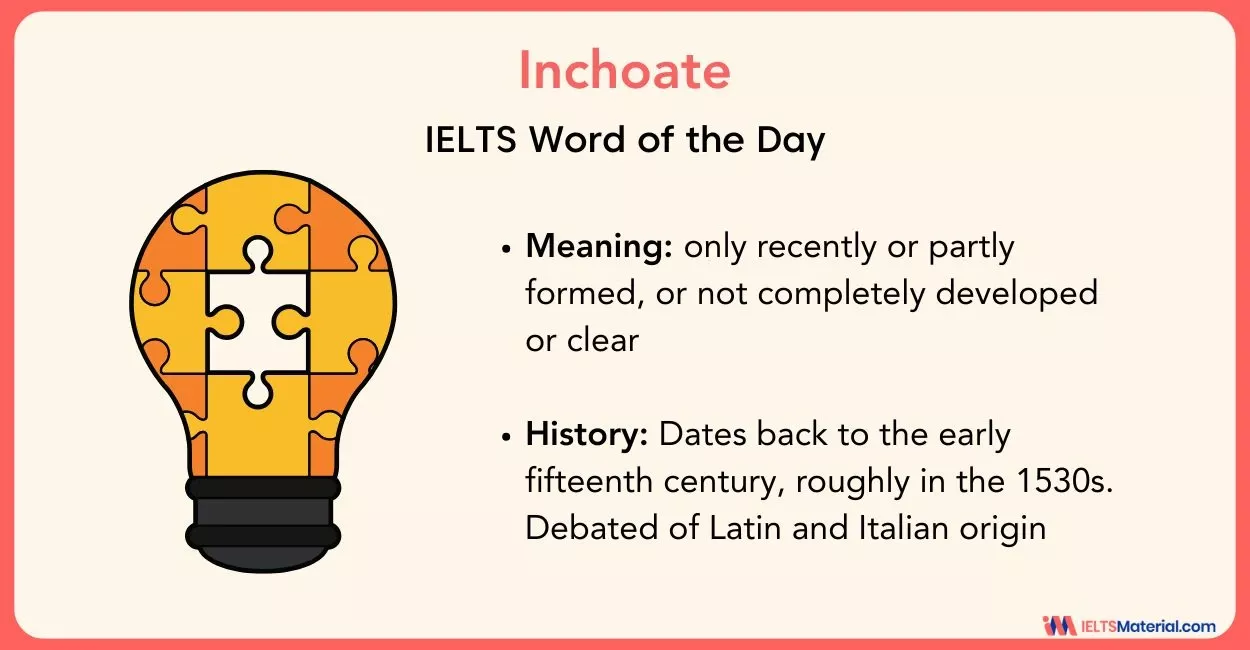
Intellectual Property: The Value of Unfinished Assets
In the world of business finance, intellectual property (IP) often starts as an inchoate asset. A patent application, for instance, provides the applicant with certain “inchoate rights” against infringers, even before the patent is officially granted. If the patent is eventually issued, the owner can sometimes seek damages for the period during which the application was pending. For a business, managing these inchoate IP rights is vital for maintaining a competitive edge and securing a high valuation during an exit or acquisition.
Risk Management for Inchoate Assets
While inchoate assets represent potential wealth, they also represent significant risk. Because they are not yet fully formed, they are susceptible to being dissolved, challenged, or devalued before they ever reach fruition.
Valuation Challenges in Nascent Markets
One of the hardest tasks in finance is placing a price tag on something that is inchoate. How do you value a company whose primary product is still in beta testing? How do you value a contract that has been signed but is contingent on a regulatory approval that may never come? Traditional metrics like Price-to-Earnings (P/E) ratios are useless here. Instead, financial analysts must use “Probability-Weighted Expected Return Models” (PWERM). This involves estimating the value of the asset if it becomes fully realized and multiplying it by the probability of that event occurring. Managing inchoate assets requires a comfort with ambiguity that many traditional investors lack.
Legal Protections: Moving Beyond the “Handshake” Stage
In the early stages of a business or a side hustle, many agreements remain inchoate because they are informal. A “handshake deal” to split profits is an inchoate agreement that is notoriously difficult to enforce. To protect your financial interests, it is necessary to formalize these inchoate rights into written contracts as early as possible. This process—often called “perfecting” an interest—moves the right from a state of rudimentary existence to a state of legal certainty. In the realm of secured transactions, for example, a creditor might have an inchoate security interest in a debtor’s property that only becomes “perfected” once it is filed with the appropriate government body (such as a UCC-1 filing in the US).
The Strategic Advantage of Identifying Inchoate Opportunities
The most successful participants in the economy—from venture capitalists to savvy personal investors—are those who can spot value while it is still in its inchoate stage. By the time an asset is fully formed, it is usually priced at its full market value. The “profit” is found in the gap between the inchoate state and the realized state.
Early-Stage Venture Capital Trends
Venture capital is essentially the business of buying inchoate interests. VCs invest in “pre-revenue” or “pre-product” companies because they believe the inchoate idea will eventually scale into a billion-dollar enterprise. To do this successfully, they look for “signals” that an inchoate project has the structural integrity to survive the transition to a mature business. These signals include the quality of the founding team, the size of the total addressable market, and the early “traction” or “proof of concept” that suggests the inchoate stage is nearing its end.
Turning Rudimentary Ideas into Revenue Streams
For individuals looking to build online income or side businesses, the concept of “inchoate” applies to their own career development. A new skill you are learning is an inchoate asset; it has the potential to generate income, but only once it is developed to a professional standard. Strategically, you should view your portfolio of skills and projects as a collection of inchoate assets. The goal of financial planning is to systematically move these assets from “rudimentary” to “revenue-generating.” This requires disciplined execution and the realization that an inchoate idea, no matter how brilliant, has a market value of zero until it is brought to life.

Conclusion
In the final analysis, “inchoate” is a word that describes the fertile ground of the financial world. It is the stage where ideas are born, where contracts are drafted, and where the seeds of future wealth are planted. While inchoate assets carry the risk of incompletion and the frustration of uncertainty, they also hold the greatest potential for growth.
Whether you are an investor looking for the next big opportunity, an entrepreneur negotiating equity, or a professional managing your personal finances, understanding the inchoate nature of your assets is essential. By recognizing what is “begun but not finished,” you can better protect your current interests and more effectively navigate the path toward realized, vested, and lasting wealth. In the world of money, the future belongs to those who can see the value in what is not yet fully there.
aViewFromTheCave is a participant in the Amazon Services LLC Associates Program, an affiliate advertising program designed to provide a means for sites to earn advertising fees by advertising and linking to Amazon.com. Amazon, the Amazon logo, AmazonSupply, and the AmazonSupply logo are trademarks of Amazon.com, Inc. or its affiliates. As an Amazon Associate we earn affiliate commissions from qualifying purchases.