
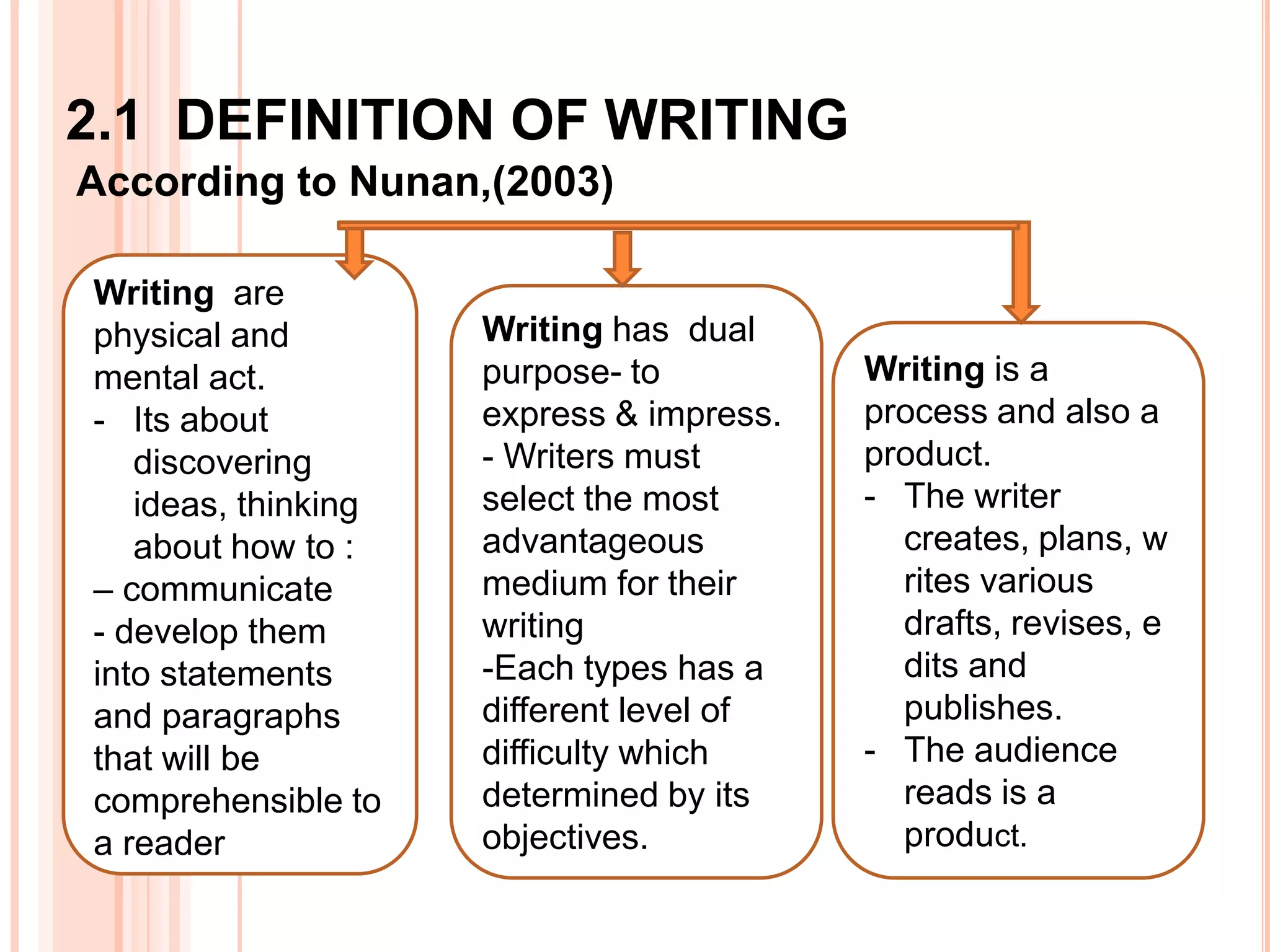
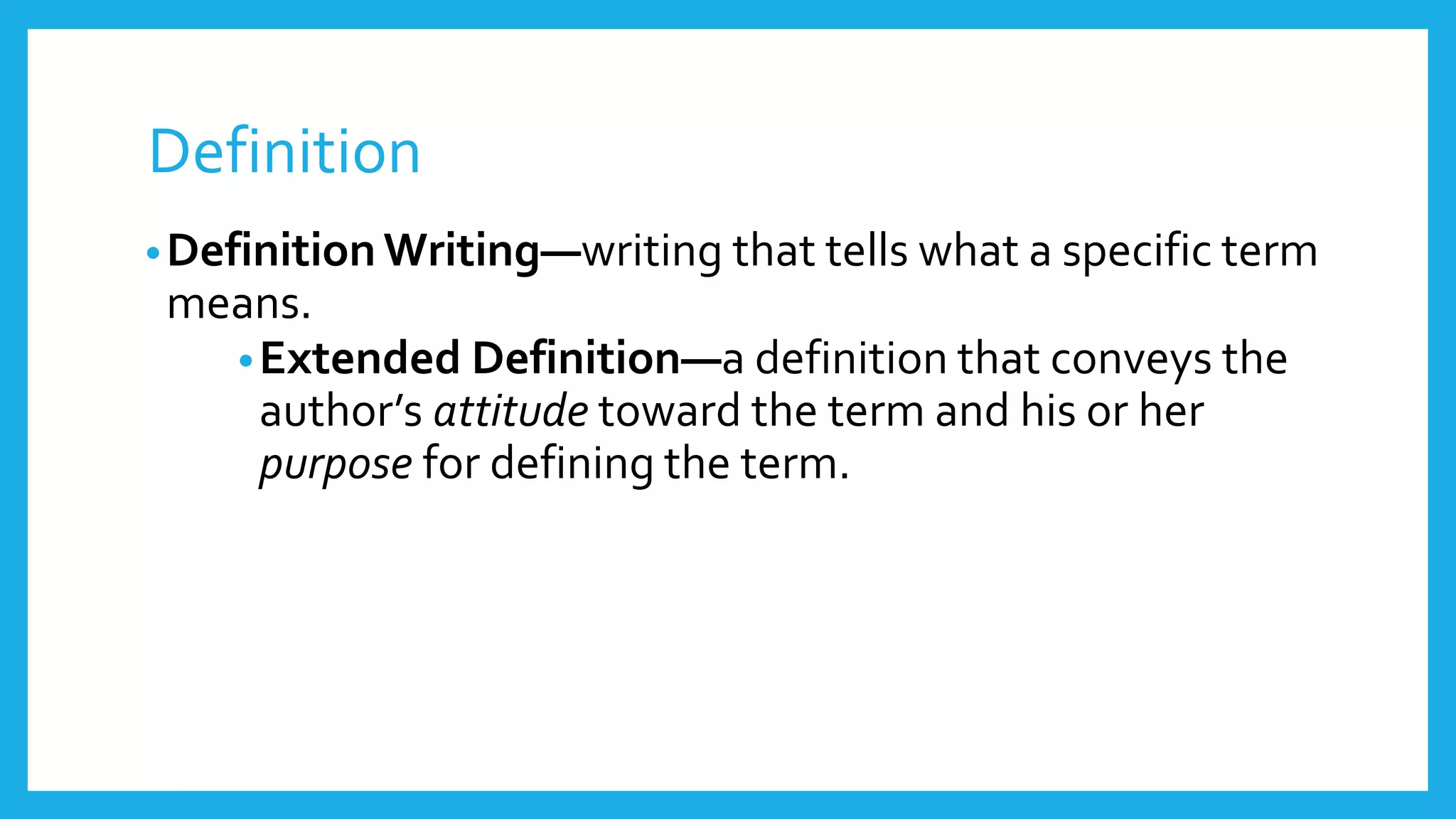
In the fast-paced world of business and personal finance, the phrase “get it in writing” is often tossed around as a casual piece of advice. However, from a professional and financial perspective, the term “in writing” carries profound legal weight and serves as the ultimate safeguard for your assets, reputation, and long-term financial health. At its core, “in writing” refers to the recording of an agreement, statement, or transaction in a tangible or electronic format that can be preserved, retrieved, and used as evidence of a commitment.
In an era of handshake deals and verbal promises, the transition to formal documentation is what separates a professional operation from a risky venture. Whether you are navigating a complex investment, starting a side hustle, or managing corporate accounts, understanding the nuances of what constitutes a written agreement is essential for mitigating risk and ensuring accountability.
The Legal and Financial Evolution of “In Writing”
Historically, “in writing” meant physical ink on parchment or paper. It required a wet signature and a physical exchange of documents. However, as the global financial landscape has shifted toward digital-first interactions, the definition has expanded significantly. Today, a written agreement is more about the permanence and accessibility of the information than the medium itself.
Beyond Paper and Pen: The Digital Shift
In modern finance and commerce, electronic records are widely recognized as legally binding. Legislation such as the Electronic Signatures in Global and National Commerce Act (ESIGN) and the Uniform Electronic Transactions Act (UETA) has solidified the standing of digital documentation. This means that emails, text messages, digital contracts (like those signed via DocuSign), and even Slack threads can, in certain contexts, fulfill the requirement of being “in writing.”
For the savvy investor or business owner, this means every digital interaction can potentially serve as a record of intent. The convenience of digital tools allows for instantaneous documentation, but it also requires a higher level of discipline to ensure that these informal channels are organized and professional enough to hold up under scrutiny.
The Enforceability Factor
The primary reason financial professionals insist on written documentation is enforceability. A verbal agreement—often referred to as an oral contract—is technically legal in many jurisdictions, but it is notoriously difficult to prove in a court of law or during a financial audit. When a dispute arises regarding payment terms, interest rates, or project scope, the “in writing” requirement ensures that there is a “single source of truth.”
Without a written record, a dispute becomes a matter of “he said, she said,” which is a precarious position when thousands or millions of dollars are at stake. Written contracts clearly outline the obligations, timelines, and consequences of a breach, providing a roadmap for dispute resolution that minimizes legal fees and emotional stress.
Why “In Writing” is the Golden Rule of Personal Finance
For individuals managing their own wealth or pursuing online income, the discipline of documenting agreements is the best defense against financial loss. Many people feel uncomfortable asking for a written agreement in personal or “friendly” business settings, fearing it signals a lack of trust. In reality, a written agreement is a tool for clarity that protects all parties involved.
Protecting Your Assets in Private Loans
One of the most common financial pitfalls occurs when individuals lend money to friends or family members without a written promissory note. In these scenarios, “in writing” means clearly stating the principal amount, the interest rate (if any), the repayment schedule, and what happens in the event of a default.
Documenting a loan does not just protect the lender; it provides the borrower with a clear understanding of their debt obligations. From a tax perspective, the IRS may even view an undocumented loan as a gift, which can lead to unexpected gift tax implications. Having a formal document ensures the transaction is treated as a legitimate financial event rather than an informal favor.
Clarifying Terms in Side Hustles and Freelancing
The gig economy has made “in writing” more relevant than ever for freelancers and independent contractors. When a client hires you for a project, the Scope of Work (SOW) serves as the definitive written record of what you are being paid to do.
A robust written agreement in the freelance world should cover:
- Payment Milestones: When and how you will be paid.
- Revision Limits: How many changes are included in the price.
- Intellectual Property Rights: Who owns the work once payment is made.
- Termination Clauses: How either party can end the relationship.
By ensuring these details are in writing before work begins, you prevent “scope creep” and ensure that your side hustle remains a profitable endeavor rather than a source of uncompensated labor.
Corporate Finance and the Power of the Formal Contract

In the corporate world, the stakes are exponentially higher. Financial officers and business leaders rely on written documentation to maintain transparency with stakeholders, satisfy regulatory requirements, and manage the company’s liabilities.
Mitigating Risk in Business Partnerships
Business partnerships often begin with shared enthusiasm and a common vision. However, without a written partnership agreement or operating agreement, the financial future of the company is at risk. “In writing” in this context involves defining equity splits, decision-making authority, and “buy-sell” provisions that dictate what happens if a partner wants to leave or passes away.
When these terms are documented, it removes the ambiguity that often leads to internal power struggles. It ensures that the business can continue to operate smoothly, protecting the investments of all parties involved. In corporate finance, documentation is not just about legality; it is a vital component of strategic risk management.
Audit Trails and Regulatory Compliance
For any business, the ability to produce written records is a requirement for regulatory compliance. Whether it is a routine tax audit by the IRS or a rigorous review by the SEC for publicly traded companies, “in writing” is the standard for verification.
Financial statements, expense reports, and payroll records must all be meticulously documented. This audit trail proves that the company is operating within the law and that its financial health is accurately reported. In the eyes of an auditor, if a transaction isn’t documented in writing, it effectively didn’t happen—or worse, it happened improperly.
Common Pitfalls: When Verbal Agreements Fail
Despite the clear advantages of written documentation, many people still rely on verbal agreements, often to their detriment. Understanding why these agreements fail is key to appreciating the value of the written word.
The “Handshake Deal” Myth
The “handshake deal” is often romanticized as a sign of integrity and old-school business ethics. While honor is important, human memory is fallible. Two people can walk away from the same conversation with two entirely different interpretations of what was agreed upon.
One party might believe the price included shipping and handling, while the other assumes those costs are extra. Six months later, neither party is lying; they simply remember the details differently. Putting these details in writing eliminates the reliance on memory and provides a fixed reference point that survives the passage of time.
Resolving Disputes with Documented Evidence
When a financial relationship sours, the existence of written documentation is often the deciding factor in how quickly and cheaply the dispute is resolved. If a contractor fails to deliver a product on time, a written contract with “liquidated damages” or specific “performance dates” allows for an objective resolution.
Without documentation, resolving a dispute usually requires mediation, arbitration, or litigation—all of which are expensive and time-consuming. The cost of drafting a simple agreement “in writing” at the beginning of a relationship is almost always a fraction of the cost of a legal battle later on.
Best Practices for Solidifying Your Financial Agreements
To truly leverage the power of “in writing,” one must move beyond the mere act of writing and focus on the quality and accessibility of the documentation.
Utilizing Modern Financial Tools for Documentation
Technology has made it easier than ever to maintain a “written” record. Using project management software like Trello or Asana can help document the progress of work and changes in scope. Financial tools like QuickBooks or FreshBooks allow for the creation of detailed invoices and estimates that serve as a paper trail for income and expenses.
Cloud storage solutions like Google Drive or Dropbox ensure that your written agreements are backed up and accessible from anywhere. For high-stakes agreements, utilizing blockchain technology for smart contracts is an emerging trend that provides an immutable, decentralized record of an agreement that cannot be tampered with.
Essential Elements Every Written Agreement Needs
To be effective, a written agreement should be as specific as possible. Vague language is the enemy of a solid contract. Every document should include:
- Identification of Parties: Full legal names and contact information.
- The “Consideration”: A clear description of what is being exchanged (e.g., money for services).
- Dates and Deadlines: When the agreement starts, when it ends, and key milestones in between.
- Signatures: While digital signatures are valid, they must be executed through a platform that provides a certificate of completion to prove the identity of the signers.
In conclusion, “in writing” is more than a legal formality; it is a fundamental pillar of professional finance and responsible business management. By committing agreements to paper or digital record, you create a foundation of clarity, trust, and security. Whether you are managing a personal budget, a thriving side hustle, or a large corporation, the discipline of documentation is the most effective tool you have for protecting your financial future. Always remember: in the world of money and business, the spoken word is fleeting, but the written word is law.
aViewFromTheCave is a participant in the Amazon Services LLC Associates Program, an affiliate advertising program designed to provide a means for sites to earn advertising fees by advertising and linking to Amazon.com. Amazon, the Amazon logo, AmazonSupply, and the AmazonSupply logo are trademarks of Amazon.com, Inc. or its affiliates. As an Amazon Associate we earn affiliate commissions from qualifying purchases.