
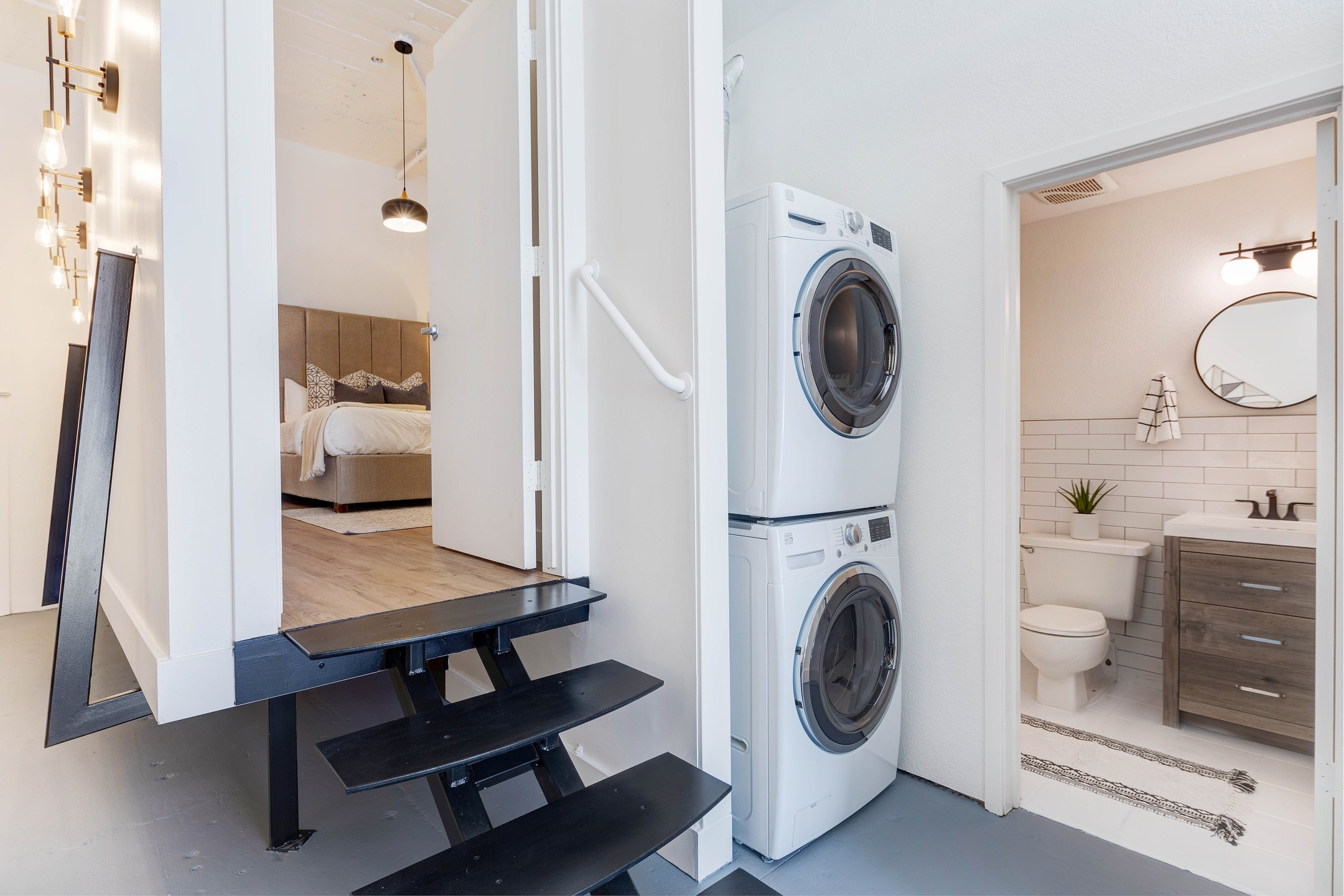
In the landscape of residential real estate and personal finance, the term “in-unit laundry” represents far more than a simple household convenience. From a financial perspective, it serves as a critical variable in the cost-benefit analysis of renting or owning property. While the literal definition refers to a dedicated washing machine and dryer located within the private confines of a living space, the economic implications reach into monthly budgeting, property valuation, and long-term investment strategies.
For the modern consumer and the savvy investor, understanding what in-unit laundry means requires a deep dive into the “premium” value assigned to time, the operational costs of home maintenance, and the capitalization rates of multifamily assets.
The Economics of Convenience: Defining the Financial Premium
When a listing specifies “in-unit laundry,” it signals a specific tier of real estate. Economically, this amenity shifts a significant portion of a household’s operational costs from the external market (laundromats or shared facility fees) to a fixed internal overhead (rent or mortgage).
The Rental Premium and Market Positioning
In most metropolitan markets, units equipped with private laundry facilities command a price premium of anywhere from 5% to 15% over comparable units with shared facilities. For a renter, this is not merely a lifestyle choice but a financial trade-off. Choosing in-unit laundry means opting for a higher fixed monthly expense in exchange for lower variable costs.
From a personal finance standpoint, this is a “buy-up” for time and autonomy. The “laundry tax”—the hidden costs associated with searching for quarters, traveling to a laundromat, or waiting for machines in a communal basement—is replaced by a predictable rent increase. This shift allows for better long-term cash flow forecasting, even if the absolute monthly expenditure is higher.
In-Unit vs. On-Site: A Cost Breakdown
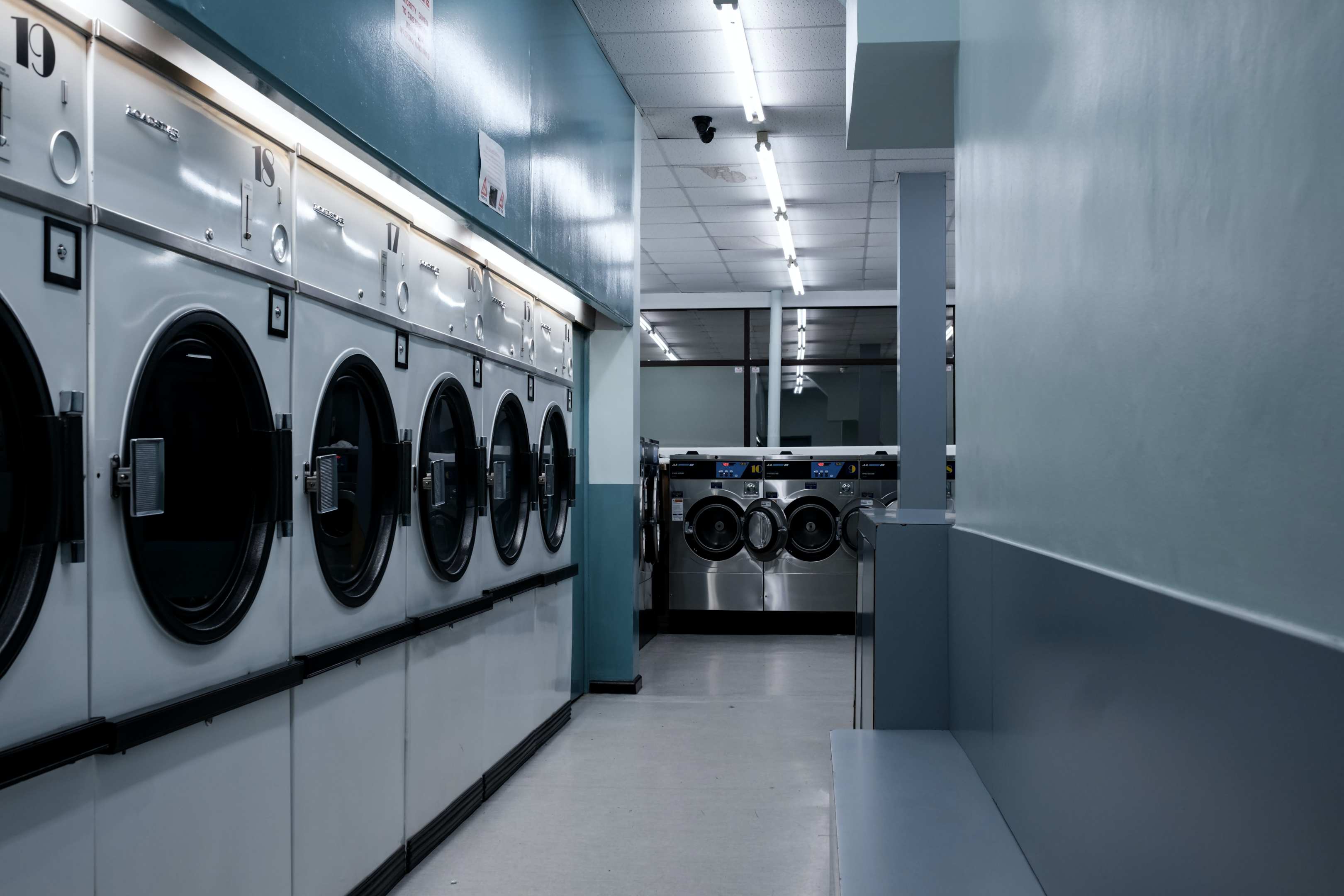
To truly understand the financial meaning of in-unit laundry, one must distinguish it from “on-site” laundry. On-site laundry typically refers to a shared facility within the building. Financially, on-site laundry operates on a “pay-per-use” model, which can be difficult to budget for and subject to price hikes by third-party vendor management companies. In-unit laundry, conversely, integrates the cost into the primary housing expense, often shifting the utility burden (water and electricity) to the tenant while keeping the equipment access “free” of per-cycle charges.
The Renter’s Budget: A Cost-Benefit Analysis
Deciding whether to pay the premium for in-unit laundry is a classic personal finance exercise in ROI (Return on Investment). While the convenience is undeniable, the fiscal impact must be calculated through a combination of direct costs and opportunity costs.
Direct Expense Comparison
The average load of laundry at a commercial laundromat costs between $3.00 and $6.00 for a wash and dry cycle. For a two-person household performing five loads per week, the annual expenditure can range from $780 to over $1,500. When you factor in the “premium” rent for an in-unit washer and dryer—often an additional $50 to $150 per month—the direct costs frequently reach a break-even point.
However, the in-unit model introduces utility volatility. Washers and dryers are high-energy appliances. A renter must weigh the $1,200/year rent premium against the added $200–$400 in annual electricity and water bills. For high-volume households, such as families with children, the in-unit option almost always wins the financial battle by providing a lower cost-per-load than any commercial alternative.
The Value of Time and Opportunity Cost
In financial theory, time is an asset with a specific dollar value. If a trip to a laundromat or a shared basement takes four hours per week, that equates to roughly 208 hours per year. For a professional earning $50 per hour, the opportunity cost of communal laundry is over $10,000 in lost productivity or leisure time.
Even for those who do not bill by the hour, the reduction in “friction” allows for more focus on side hustles, professional development, or health—all of which have long-term financial benefits. Therefore, in-unit laundry is often categorized as a “productivity tool” in a high-performance personal budget.
The Investor’s Perspective: ROI and Property Valuation
For real estate investors and landlords, “in-unit laundry” is a strategic asset class. It is one of the few interior upgrades that offers a direct, measurable increase in both rental yield and the terminal value of the property.
Capital Expenditure (CapEx) vs. Rental Yield
Installing in-unit laundry in a building that previously lacked it is a significant capital expenditure. It involves plumbing retrofits, electrical upgrades, and often the installation of ventless dryer technology. However, the ROI is usually robust.
Consider a property owner who spends $3,500 per unit to install laundry facilities. If that installation allows for a rent increase of $100 per month, the owner sees an additional $1,200 in annual revenue. This represents a 34% cash-on-cash return in the first year alone. Beyond the immediate cash flow, the “cap rate” (capitalization rate) of the building improves because the Net Operating Income (NOI) has increased without a proportionate increase in management overhead.
Reducing Vacancy and Turnover Costs
In the business of real estate, turnover is the “silent killer” of profits. Every month a unit sits vacant, and every dollar spent on repainting and marketing for a new tenant, eats into the annual ROI. Data consistently shows that units with in-unit laundry have lower turnover rates. Tenants view the amenity as a “sticky” feature—it is difficult to downgrade back to a shared facility once they have experienced the convenience of private machines. By increasing tenant retention, landlords stabilize their cash flow and reduce the high costs associated with finding new occupants.
Impact on Resale Value
When it comes time to exit an investment, a building where every unit features private laundry will almost always command a higher price per door. Appraisers look at these amenities as “standard-setters.” In many competitive urban markets, in-unit laundry has moved from a “luxury” category to a “requirement” for Class A and Class B+ properties. For an investor, the absence of this feature can result in a “functional obsolescence” discount during the sale process.
Operational Risks and Financial Mitigation
While the financial upside of in-unit laundry is significant, it also introduces specific liabilities and operational expenses that must be managed to protect the bottom line.
Maintenance and Replacement Cycles
Appliances have a finite lifespan, usually ranging from 8 to 12 years. A savvy financial plan must include a reserve fund for the repair and replacement of these units. Unlike a communal laundry room where a third-party vendor might own and maintain the machines (splitting the profit with the landlord), in-unit machines are usually the responsibility of the property owner.
Budgeting for a $200 repair every two years and a $1,200 replacement every decade is essential. If these costs are not factored into the initial ROI calculation, the “net” gain from the rent premium can be deceptively high.
The Risk of Water Damage
One of the greatest financial risks associated with in-unit laundry is the potential for catastrophic water damage. A burst washing machine hose or a clogged drain line can cause thousands of dollars in damage to flooring, cabinetry, and the units below.
To mitigate this risk financially, landlords and homeowners often invest in:
- Automatic Shut-off Valves: Sensors that detect leaks and kill the water supply.
- Reinforced Hoses: Stainless steel braided hoses that are less prone to bursting.
- Insurance Adjustments: Ensuring that the property insurance policy specifically covers “appliance-related water intrusion.”
These preventative costs are an “insurance premium” paid to protect the underlying equity of the asset.
Energy Efficiency and Tax Incentives
In the context of modern business finance, ESG (Environmental, Social, and Governance) criteria are becoming more relevant. Investing in high-efficiency, Energy Star-rated laundry units can often qualify property owners for federal or local tax credits and utility rebates. These incentives offset the initial CapEx, shortening the payback period and increasing the total net gain of the installation project.

Conclusion: A Multi-Faceted Financial Asset
Ultimately, the answer to “what does in-unit laundry mean” depends on which side of the ledger you occupy.
For the renter, it is a strategic budgetary decision—a choice to pay for time and convenience through a fixed monthly premium, effectively eliminating the variable costs and “time tax” of external facilities.
For the homeowner, it is a non-negotiable component of modern property value, ensuring the home remains competitive and liquid in a discerning market.
For the investor, it is a high-yield capital improvement that drives Net Operating Income, reduces vacancy-related losses, and boosts the overall valuation of the real estate portfolio.
In the world of finance, few amenities offer such a clear and quantifiable impact on the bottom line. Whether viewed as a tool for productivity or a vehicle for asset appreciation, in-unit laundry remains one of the most significant financial markers in the residential landscape.
aViewFromTheCave is a participant in the Amazon Services LLC Associates Program, an affiliate advertising program designed to provide a means for sites to earn advertising fees by advertising and linking to Amazon.com. Amazon, the Amazon logo, AmazonSupply, and the AmazonSupply logo are trademarks of Amazon.com, Inc. or its affiliates. As an Amazon Associate we earn affiliate commissions from qualifying purchases.