
The term “impeached” often surfaces during periods of political turmoil, sparking intense public debate and media scrutiny. While fundamentally a constitutional and legal process, understanding what “impeached” truly means extends far beyond its procedural definition. For individuals, institutions, and even nations, impeachment represents a profound branding crisis, a public declaration that can irrevocably reshape a leader’s personal brand, redefine a governmental institution’s corporate identity, and fundamentally alter public trust and perception. This article delves into the multi-faceted meaning of impeachment, specifically exploring its critical implications within the realm of political branding and public relations.

The Core Concept: Impeachment as a Brand Crisis Event
At its heart, impeachment is a formal accusation of wrongdoing, a legal mechanism designed to hold high-ranking officials accountable for their actions. However, when viewed through a branding lens, it immediately transforms into an extraordinary public relations challenge, a moment where an individual’s or an institution’s very credibility and reputation are put on trial in the court of public opinion.
Defining Impeachment: A Legal Process with Brand Consequences
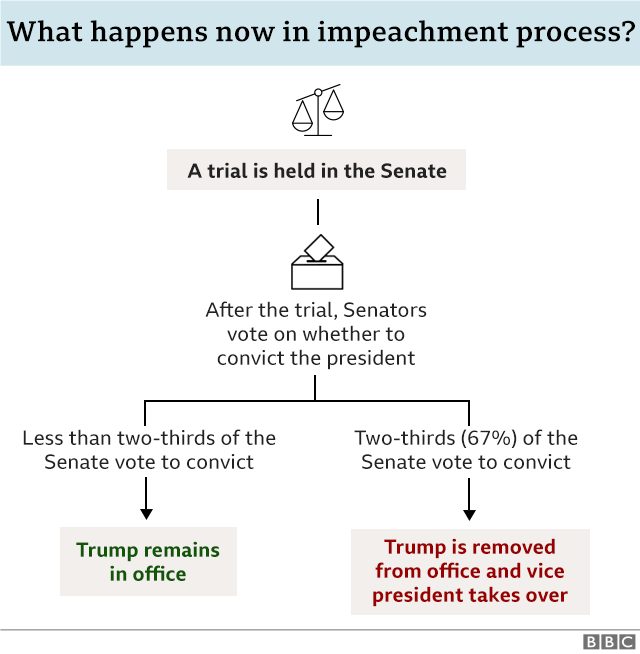
In most democratic systems, particularly in the United States, impeachment is a two-stage political process. It typically begins in the lower house of the legislature (e.g., the House of Representatives), where a simple majority vote can “impeach” an official. This act is akin to an indictment in a criminal court – it is a formal accusation, not a conviction. It signals that there is sufficient evidence to warrant a full trial. The official is then tried in the upper house (e.g., the Senate), where a supermajority vote (usually two-thirds) is required for conviction and removal from office.
From a branding perspective, the moment an official is impeached, their public image shifts dramatically. The brand narrative, once perhaps built on leadership, integrity, or policy achievements, instantly becomes dominated by allegations of misconduct. The formal nature of the accusation lends it immense weight, making it incredibly difficult for the individual or institution to control the narrative. This initial impeachment vote, regardless of the outcome of the subsequent trial, brands the individual with a permanent, often negative, historical marker. It is a public declaration of severe moral or ethical failing, an indelible stain on one’s professional and personal “brand identity.”
High Crimes and Misdemeanors: The Charges that Tarnish
The offenses that lead to impeachment are typically defined as “high crimes and misdemeanors,” encompassing acts such as treason, bribery, or abuse of power. These are not minor infractions; they are grave accusations that strike at the very foundation of public trust and good governance. When a leader is accused of such offenses, the charges themselves directly undermine the core values that any successful brand, particularly a political one, seeks to embody: trustworthiness, integrity, competence, and service.
For instance, an accusation of “abuse of power” directly attacks the brand’s ethical framework, suggesting a betrayal of the public trust. Charges of “obstruction of justice” erode the perception of transparency and accountability, crucial pillars for any credible public figure. These are not mere policy disagreements; they are fundamental challenges to the moral authority and fitness for office, delivering a devastating blow to the individual’s brand equity. The specificity and severity of these charges make it nearly impossible to dismiss them as mere political theatrics, forcing a re-evaluation of the official’s character and intentions in the public eye.
Navigating the Impeachment Narrative: Branding During Turmoil
Once impeachment proceedings commence, the official’s and the associated institution’s brands enter a period of extreme volatility. Every action, statement, and defense strategy is scrutinized, shaping a rapidly evolving public narrative that can be exceptionally challenging to manage.
The Personal Brand Under Scrutiny: From Leader to Defendant
For the individual official, impeachment transforms their personal brand from that of a powerful leader into that of a defendant facing serious charges. Their public image is no longer solely defined by their policies or accomplishments, but by the allegations against them. The challenge is monumental: how does one maintain a semblance of authority, credibility, and public support while simultaneously defending against accusations that threaten to dismantle their career and legacy?
Political leaders facing impeachment often employ various branding strategies, each with its own risks. Some adopt a stance of defiance, portraying themselves as victims of a partisan witch hunt, attempting to rally their base by framing the process as an attack on their supporters. Others may attempt to project contrition, seeking to regain trust through apologies and promises of reform. Still others might try to ignore the process, focusing instead on their daily duties to project an image of steadfastness and normalcy. Each approach aims to control the narrative and shape public perception, but the “impeached” label itself is a formidable obstacle, demanding continuous, strategic communication to mitigate its damaging effects. The very act of being impeached brands the individual with an indelible mark, often overshadowing all prior achievements in the public consciousness.
Institutional Branding: The Impact on Governance and Trust
Beyond the individual, impeachment also significantly impacts the corporate identity and public perception of the institutions involved – primarily the executive branch and the legislative body conducting the proceedings. When a leader is impeached, it suggests a failure within the system itself, a breakdown in checks and balances or ethical conduct at the highest levels. This can lead to a broader erosion of public trust in government institutions.
The “brand” of the presidency, for example, which relies on a perception of stability, integrity, and the rule of law, can suffer immensely. Similarly, the legislative body conducting the impeachment, often perceived as partisan, may also see its own brand identity weakened if the process is viewed as politically motivated rather than a genuine pursuit of justice. The public’s faith in the effectiveness and fairness of their democratic processes can be shaken, leading to increased cynicism and disengagement. Therefore, institutional leaders must not only manage the immediate crisis but also consider the long-term impact on the collective brand of governance and its ability to maintain public confidence and legitimacy.
Rebuilding After Impeachment: A Brand Recovery Challenge
The immediate aftermath of an impeachment trial, regardless of its outcome, presents a unique and arduous brand recovery challenge. The goal is not just to move on, but to strategically rebuild, redefine, or at least mitigate the lasting impact of the “impeached” label.
Post-Impeachment Brand Strategy for Individuals
For an individual who has been impeached, whether removed from office or acquitted, the process leaves an indelible mark on their personal brand. The historical record, public memory, and media narrative will forever include this chapter. Rebuilding often requires a deliberate and sustained effort to redefine their public image. This could involve shifting focus to new endeavors outside of politics, rebranding as a commentator or author, or even attempting a political comeback by appealing to a loyal base who views them as a martyr.
The success of such a recovery hinges on several factors: the perceived legitimacy of the impeachment charges, the individual’s subsequent actions, and the evolving political climate. Some impeached officials have managed to reclaim a measure of public standing, while for others, the “impeached” label remains the dominant feature of their legacy. The challenge lies in convincing a skeptical public to look beyond the events of impeachment and embrace a new narrative, a task requiring extraordinary resilience and strategic communication.
The Broader Repercussions for Political “Corporate” Identity
For the broader political system, recovering from an impeachment event involves addressing the damage done to the “corporate” identity of democratic governance. This means actively working to restore public faith in institutions, reaffirming commitments to accountability, and demonstrating a capacity for ethical leadership. Leaders might implement new ethical guidelines, transparency measures, or reforms to electoral processes, all aimed at bolstering the institutional brand.
The media and public opinion play a crucial role in shaping the enduring narratives post-impeachment. Whether an impeachment is remembered as a necessary act of accountability or a partisan overreach depends heavily on the prevailing public sentiment and how subsequent events unfold. The goal is to ensure that the event, while a significant moment, does not permanently degrade the perceived integrity and effectiveness of the democratic system itself.

Conclusion
In essence, “what does impeached mean” is far more than a simple legal definition; it signifies a profound crisis of reputation and trust within the political landscape. From a branding perspective, impeachment is a devastating blow to an individual’s personal brand, a severe test for institutional corporate identity, and a critical moment for shaping public perception of governance. The process publicly declares a serious challenge to an official’s fitness for office, creating a narrative that is intensely difficult to control or erase. Navigating the treacherous waters of impeachment demands a deep understanding of public relations, strategic communication, and narrative control, as the outcome, both legally and in the court of public opinion, leaves an indelible mark on the brands of those involved and the institutions they represent.
aViewFromTheCave is a participant in the Amazon Services LLC Associates Program, an affiliate advertising program designed to provide a means for sites to earn advertising fees by advertising and linking to Amazon.com. Amazon, the Amazon logo, AmazonSupply, and the AmazonSupply logo are trademarks of Amazon.com, Inc. or its affiliates. As an Amazon Associate we earn affiliate commissions from qualifying purchases.