
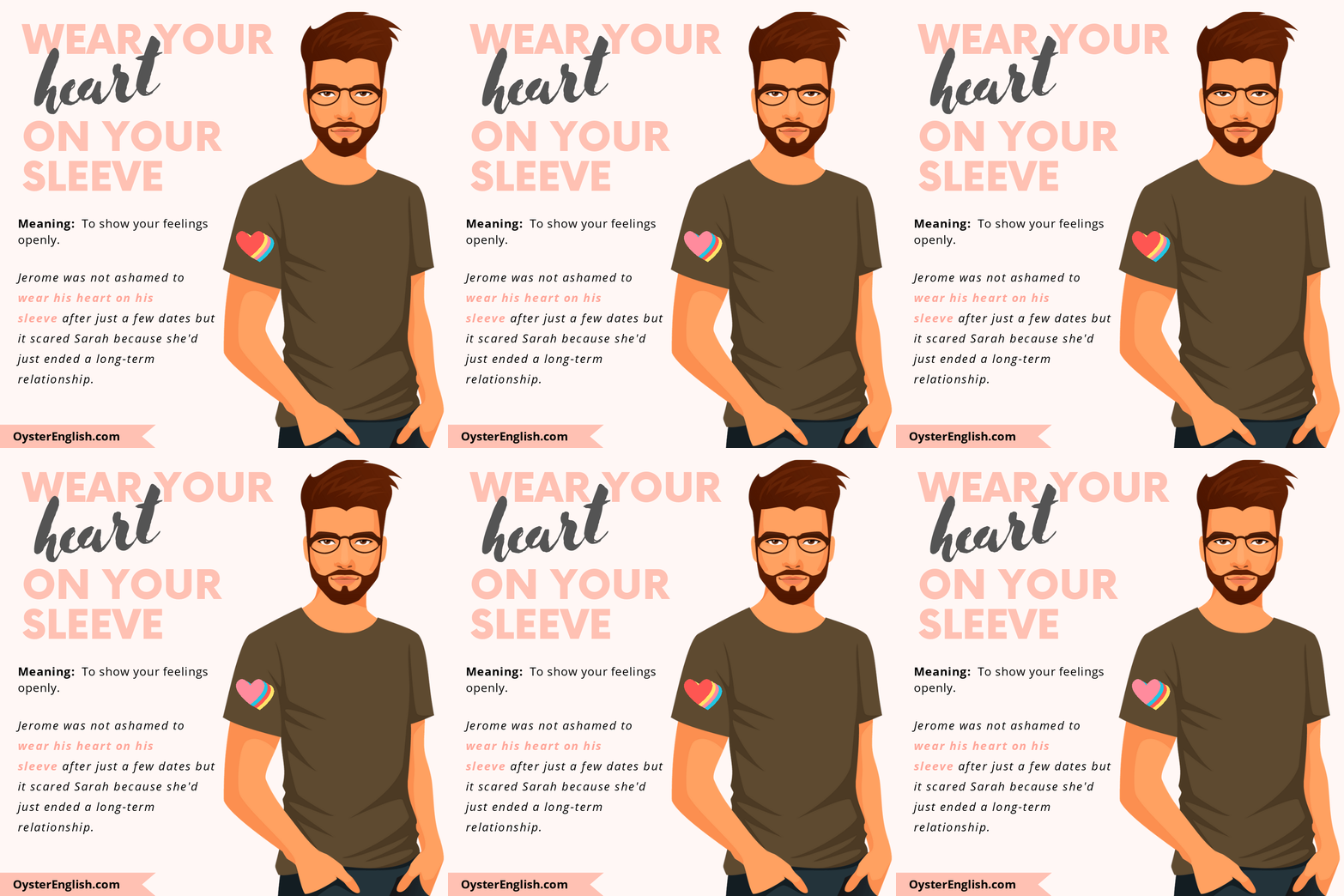
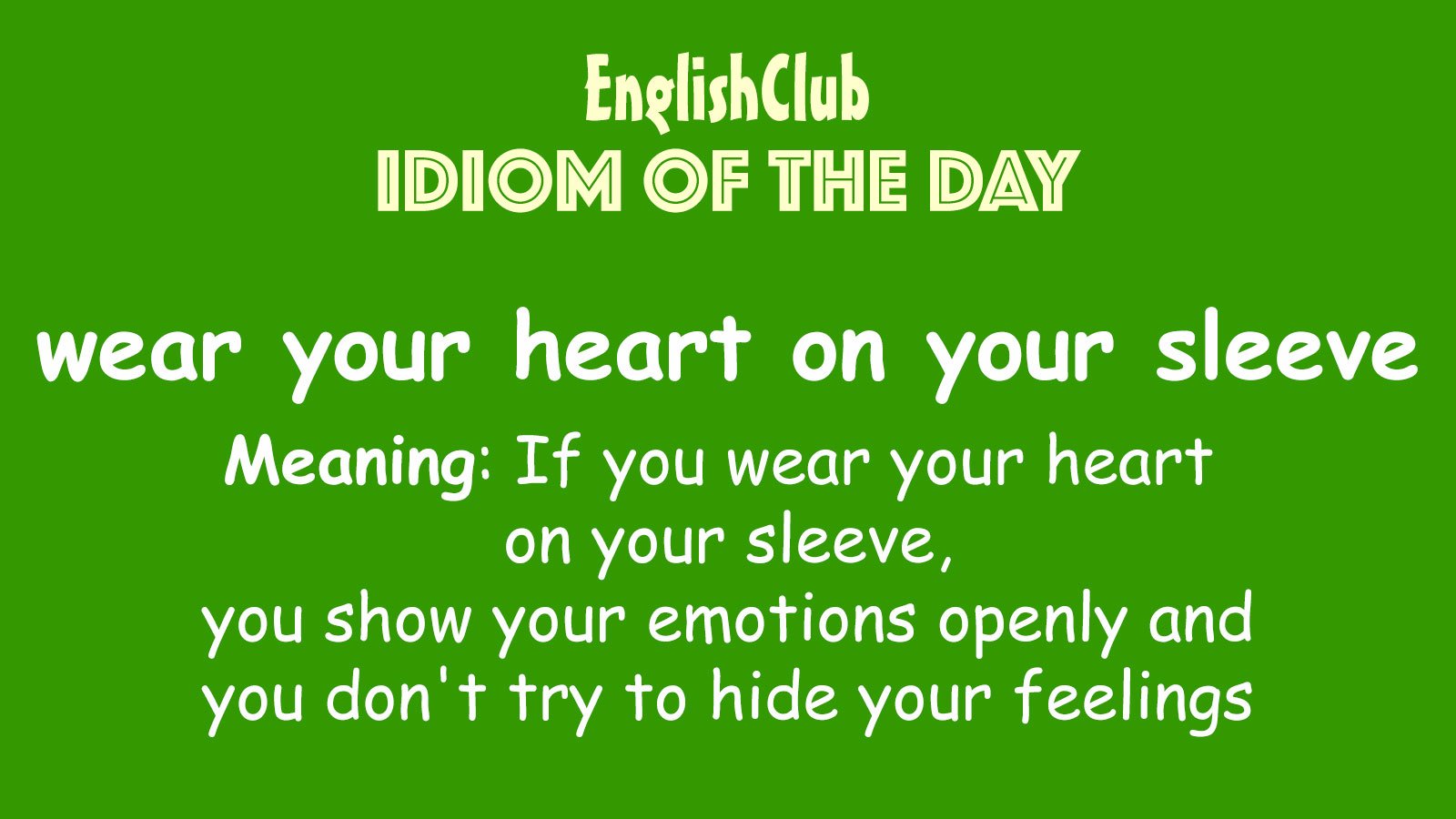
In the traditional sense, to “wear your heart on your sleeve” is to make your emotions apparent rather than hiding them. The phrase, famously attributed to Shakespeare’s Othello, suggests a level of vulnerability that was historically viewed as a liability. However, in the contemporary landscape of brand strategy and corporate identity, this idiom has undergone a radical transformation. No longer a sign of weakness, wearing your heart on your sleeve—or practicing radical emotional transparency—has become a cornerstone of successful marketing and personal branding.
In an era defined by skepticism and information overload, consumers are no longer looking for polished, corporate facades. They are looking for “the heart.” This article explores how modern brands use emotional transparency to build trust, foster community, and create a lasting legacy.
The Evolution of Brand Authenticity: From Facades to Human-Centric Identity
For decades, the gold standard of branding was “professionalism,” which often manifested as a cold, impenetrable exterior. Companies focused on perfection, utilizing airbrushed imagery and carefully scripted press releases to maintain a sense of infallible authority. This was the era of the “faceless corporation.” Today, that model is collapsing.
Defining Radical Honesty in the Digital Age
In the context of brand strategy, wearing your heart on your sleeve means moving toward radical honesty. This involves being open about a brand’s values, its mistakes, and its mission. Radical honesty isn’t just a marketing tactic; it is a structural commitment to transparency. When a brand admits to a supply chain issue or shares the “why” behind a price increase, they are exposing their internal workings—their heart—to the public. This vulnerability creates a bridge between the producer and the consumer that a standard advertisement never could.
Shifting from Corporate Facades to Human-Centric Identity
The pivot toward human-centric identity is driven by the demographic shift in purchasing power. Millennials and Gen Z prioritize “brand purpose” above almost all other factors. They want to know the people behind the product. To wear your heart on your sleeve as a brand is to humanize the entity. It means adopting a voice that sounds like a person, not a legal department. By showing emotion—whether it’s passion for a cause or genuine regret for a service failure—a brand transforms from a service provider into a relatable partner.
Why Vulnerability is the New Competitive Advantage
In a saturated market, features and pricing are easily replicated. What cannot be easily disrupted is a deep-seated emotional connection. Vulnerability—the act of being open to the risk of being judged—is the most direct route to that connection.
The Psychology of Brand Relatability
Humans are biologically wired to seek out sincerity. When a brand “wears its heart on its sleeve,” it triggers a psychological response of trust. By showing that they have something at stake—whether it is an environmental goal or a commitment to social justice—brands signal that they are not just in it for the profit. This relatability is what turns a one-time buyer into a brand advocate. When a customer feels that a brand’s values align with their own, the “heart” of the brand becomes a reflection of the customer’s identity.
Case Studies in Transparent Marketing
Consider brands like Patagonia or Dove. Patagonia wears its “heart” (its commitment to the planet) on its sleeve so prominently that it famously told customers “Don’t Buy This Jacket” on Black Friday to discourage overconsumption. This move, while seemingly counterintuitive to sales, solidified their brand identity as an activist organization. Similarly, Dove’s “Real Beauty” campaign stripped away the traditional veneer of the beauty industry to show a more vulnerable, honest depiction of women. These brands succeeded not because they were perfect, but because they were transparent about what they cared about.
The Strategic Framework of Radical Transparency
Implementing an emotional brand strategy requires more than just a heartfelt social media post. It requires a strategic framework that integrates transparency into every touchpoint of the business.
Integrating Values into Corporate Identity
A brand cannot wear its heart on its sleeve if it doesn’t know what its heart is. The first step in this strategy is the internal audit of values. This involves defining the “North Star” of the brand. Is the heart of your brand innovation? Is it community? Is it sustainability? Once defined, these values must be visible. In brand design, this might mean choosing a visual language that feels organic and approachable rather than stiff and corporate. In communication, it means using “we” and “I” instead of “the company.”
The Role of Founder Storytelling in Personal Branding
For entrepreneurs and executives, wearing your heart on your sleeve is the ultimate personal branding tool. Founder-led brands often perform better on social media because there is a literal human “sleeve” to look at. Sharing the struggles of the “garage days,” the fear of a product launch, or the lessons learned from a failed venture builds a narrative arc that audiences can follow. This level of storytelling turns a CEO into a protagonist, making the brand’s success a shared victory for the audience.
Balancing Emotional Exposure with Brand Authority
While transparency is a powerful tool, there is a fine line between “wearing your heart on your sleeve” and “oversharing.” For a brand to remain successful, it must balance its emotional openness with professional competence.
Navigating the “Oversharing” Trap
In personal branding, there is a risk of leaning too heavily into vulnerability, which can lead to a perceived lack of authority. A brand that is constantly in a state of “emotional crisis” or over-explaining every minor internal hiccup can appear unstable. The key is strategic vulnerability. This means sharing emotions and challenges that serve the brand’s mission and provide value to the audience, rather than sharing for the sake of attention.
Maintaining Trust During Crisis Management
The true test of a brand that wears its heart on its sleeve comes during a crisis. Traditional PR strategy often dictates “deny and deflect.” A transparent brand strategy dictates the opposite: “admit and amend.” When a brand is caught in a mistake, the most “heartfelt” thing it can do is take full responsibility without the mask of corporate jargon. This sincerity often diffuses public anger much faster than a scripted apology. It proves that the “heart” shown during the good times was real.
Implementing “Heart-on-Sleeve” Strategy Across Touchpoints
To truly embody this idiom, the brand’s “heart” must be visible across all aspects of its operations, from visual design to customer service.
Visual Design and Storytelling
The visual identity of a brand should reflect its emotional openness. This can be achieved through:
- Imagery: Using unedited, candid photos rather than stock photography.
- Typography: Choosing fonts that feel handwritten or personalized to convey a human touch.
- Color Palette: Utilizing “honest” colors that evoke the brand’s specific emotional core (e.g., earthy tones for sustainability, vibrant hues for passion).
Storytelling should be the primary vehicle for these visuals. Every piece of content should answer the question: “Why do we care about this?” By consistently answering that question, the brand keeps its heart on its sleeve.
Community Engagement and Social Media Voice
Social media is the modern-day “sleeve” where brands display their heart. Community engagement shouldn’t just be about answering support tickets; it should be about building relationships.
- Two-Way Conversation: Transparent brands listen as much as they talk. They ask for feedback and—more importantly—they show how that feedback changed their actions.
- Authentic Voice: The tone should be consistent. If a brand claims to be “compassionate,” its social media responses should reflect that, even when dealing with difficult customers.

Conclusion: Cultivating Longevity Through Value-Driven Identity
“Wearing your heart on your sleeve” is no longer an act of recklessness in the business world; it is an act of courage that leads to unparalleled brand loyalty. By stripping away the corporate mask and showing the values, passions, and even the flaws that lie beneath, a brand creates a human connection that transcends the transactional.
In the long run, products may become obsolete and services may change, but a brand with a visible heart creates a legacy. When you wear your heart on your sleeve, you aren’t just selling a product; you are inviting your audience to be part of a story. In the competitive world of branding, that emotional resonance is the most valuable asset a company can own. Through transparency, vulnerability, and a steadfast commitment to values, “the heart” becomes the strongest part of the brand’s identity.
aViewFromTheCave is a participant in the Amazon Services LLC Associates Program, an affiliate advertising program designed to provide a means for sites to earn advertising fees by advertising and linking to Amazon.com. Amazon, the Amazon logo, AmazonSupply, and the AmazonSupply logo are trademarks of Amazon.com, Inc. or its affiliates. As an Amazon Associate we earn affiliate commissions from qualifying purchases.