
A “hung jury” is a term that frequently surfaces in legal dramas and news reports, often accompanied by a sense of dramatic pause and procedural uncertainty. While its implications are significant within the courtroom, understanding its meaning extends beyond the confines of legal proceedings and touches upon fundamental principles of justice, decision-making, and the very fabric of our legal system. At its core, a hung jury signifies a deadlock, an inability of the twelve individuals tasked with deliberating a verdict to reach a unanimous agreement on guilt or innocence. This breakdown in consensus triggers a cascade of procedural consequences, underscoring the high stakes and meticulous nature of criminal justice.
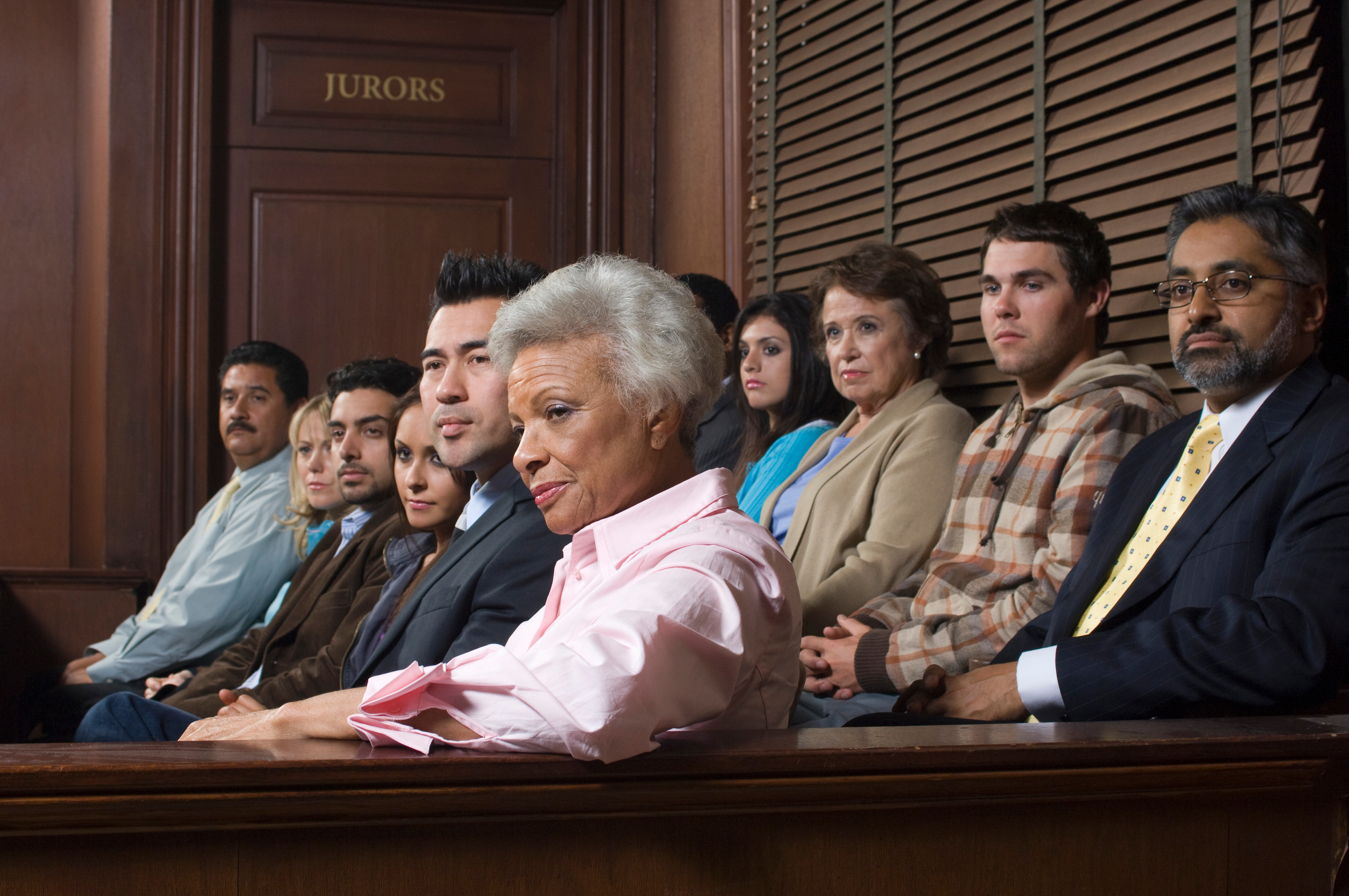
The concept of a hung jury is inextricably linked to the adversarial system of justice prevalent in many common law jurisdictions. This system relies on the rigorous presentation of evidence by both the prosecution and the defense, followed by impartial deliberation by a jury of one’s peers. The expectation is that through reasoned discussion and careful consideration of the presented facts, the jury will arrive at a shared conclusion. When this fails to materialize, the fundamental promise of a definitive resolution is called into question, necessitating a deeper examination of what constitutes a hung jury, why it occurs, and what its ramifications are for all parties involved.
The Mechanics of Jury Deliberation and the Possibility of a Hung Jury
The journey to a jury’s verdict is a deliberate and often lengthy process. Once a trial concludes and closing arguments have been made, the judge provides the jury with specific instructions on the law applicable to the case. The jurors then retire to a private room to begin their deliberations, a crucial phase where they must collectively weigh the evidence, discuss the legal standards, and attempt to reach a unanimous decision. This process is designed to be thorough, allowing for open debate, questioning, and the sharing of perspectives among jurors.
The requirement for unanimity is a cornerstone of many legal systems, particularly in criminal cases. It ensures that a verdict, whether of guilt or innocence, is supported by the unwavering agreement of all twelve individuals tasked with this responsibility. This unanimity principle aims to prevent hasty or biased decisions and to instill public confidence in the fairness of the judicial process. However, it is precisely this demand for complete consensus that creates the possibility of a hung jury.
The Threshold for Unanimity
In most criminal jurisdictions, a unanimous verdict is not merely a preference but a legal mandate. For a jury to return a guilty verdict, every single juror must be convinced beyond a reasonable doubt that the defendant committed the crime. Similarly, for an acquittal, all jurors must agree on the defendant’s innocence. There is no room for a majority vote or a simple compromise. If even one juror holds a dissenting opinion, the jury is considered to be deadlocked.
The Role of the Judge During Deliberations
Throughout the deliberation process, the judge remains available to the jury. If the jurors encounter a question regarding the law or need clarification on certain aspects of the evidence, they can submit a written question to the judge. The judge will then provide further instructions or clarification, either in writing or by bringing the jury back into the courtroom. This interaction is carefully managed to avoid influencing the jury’s deliberations on the facts of the case. The judge’s role is to guide, not to direct, the jury’s decision-making.
When Deliberations Stall: The “Hung” Verdict
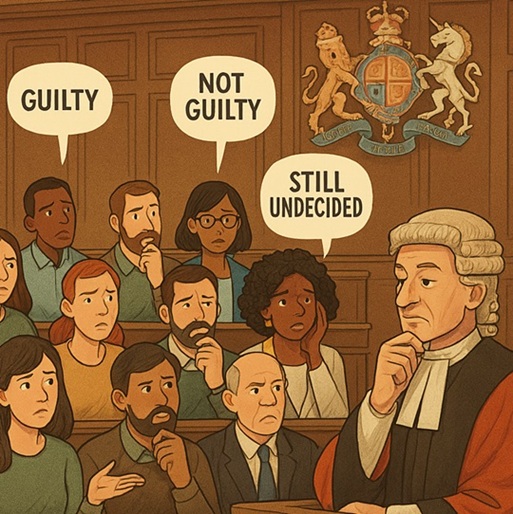
When a jury deliberates for an extended period and demonstrates an inability to reach a unanimous verdict, the judge may receive a communication indicating their deadlock. At this point, the judge may choose to give the jury what is known as an “Allen charge” or a similar instruction. This charge encourages jurors to reconsider their positions, to listen to their fellow jurors, and to continue their deliberations in an effort to reach a unanimous agreement. However, the judge will also emphasize that no juror should surrender their honest conviction about the weight of the evidence solely for the purpose of returning a verdict. The Allen charge is designed to nudge the jury towards consensus without coercing any individual juror into violating their conscience. If, after further deliberation, the jury remains deadlocked, the judge will ultimately declare a mistrial.
Reasons Behind Jury Deadlock
The reasons why a jury might become hung are as varied and complex as human perception and interpretation. While the legal framework is designed to facilitate consensus, several factors can impede this process, leading to an impasse. These reasons often stem from the inherent subjectivity of evidence, differing individual backgrounds and experiences, and the psychological dynamics that unfold within a jury room.
Divergent Interpretations of Evidence
The evidence presented in a trial, whether it be witness testimony, physical evidence, or expert opinions, is rarely so straightforward that it leads to only one possible conclusion. Jurors, bringing their unique life experiences and cognitive biases to the deliberation room, may interpret the same evidence in vastly different ways. For instance, a witness’s demeanor might be perceived as truthful by one juror and evasive by another. An expert’s conclusion might be considered compelling by some and speculative by others. These subjective interpretations, when held firmly by individual jurors, can create irreconcilable differences that prevent unanimity.
Differing Views on Credibility
A significant portion of any trial relies on the credibility of witnesses. Jurors are tasked with assessing whether a witness is telling the truth and whether their testimony is reliable. People have different thresholds for what they consider believable. Some jurors may be naturally more skeptical, while others may be more trusting. If a key witness’s credibility is debated among jurors, and a substantial portion of the jury believes the witness is unreliable while another substantial portion finds them credible, reaching a unanimous verdict becomes exceptionally difficult.
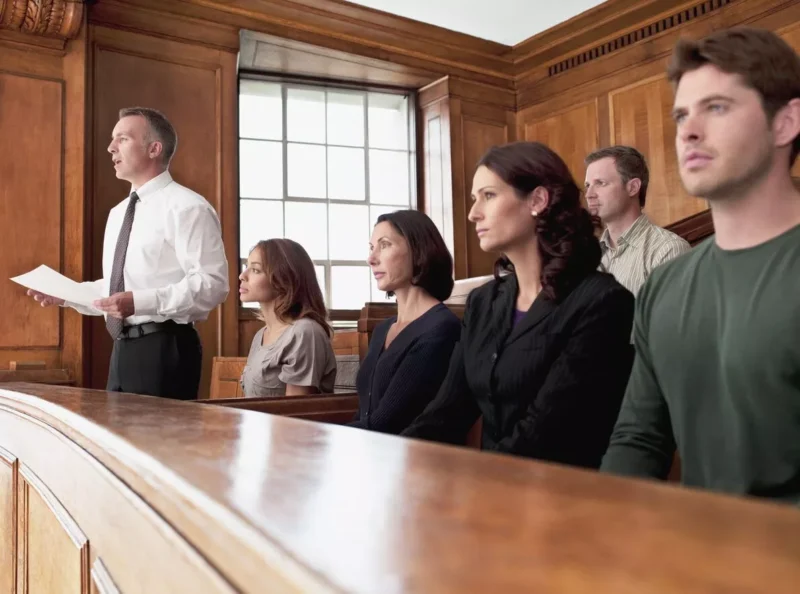
Pre-existing Biases and Prejudices
Despite efforts to select impartial jurors, individuals inevitably bring their own biases and prejudices, conscious or unconscious, into the jury room. These can be related to race, religion, socioeconomic status, or personal experiences with law enforcement or the justice system. If a juror’s pre-existing beliefs significantly color their interpretation of the evidence or their perception of the defendant or victim, it can create an unbridgeable gap in their reasoning, leading to a deadlock. The rigorous voir dire process during jury selection aims to mitigate this, but it cannot entirely eliminate it.
Individual Juror Stubbornness or Misunderstanding
Sometimes, a jury deadlock can be attributed to individual jurors who are either unwilling to compromise or who may have misunderstood critical aspects of the law or the evidence. A single juror, perhaps convinced of their interpretation of events or the law, might refuse to budge, even when presented with persuasive arguments from others. Conversely, a juror who has fundamentally misunderstood a key piece of evidence or a legal instruction may hold an incorrect belief that prevents them from agreeing with the majority. In such instances, the legal system relies on the Allen charge to encourage reconsideration, but it cannot force agreement.
The Influence of Group Dynamics
The dynamics within a jury room can also contribute to a hung jury. The social pressure to conform, the desire to avoid conflict, or even the personality clashes among jurors can all play a role. In some cases, a juror might feel intimidated or ostracized, leading them to either withdraw or dig in their heels. Conversely, a particularly vocal or persuasive juror might unduly influence others, leading to a situation where the “majority” is not truly convinced but rather has succumbed to pressure.
Consequences of a Hung Jury
The declaration of a hung jury, resulting in a mistrial, is far from an end to the legal process. Instead, it marks the beginning of a new phase, with significant consequences for the prosecution, the defense, the defendant, and the justice system as a whole. The outcome of a hung jury often triggers complex strategic decisions and can lead to prolonged uncertainty.
The Prosecution’s Decision: Retrial or Dismissal
Following a mistrial due to a hung jury, the prosecution faces a critical decision. They can choose to pursue a retrial, which involves starting the entire legal process anew with a new jury. This option is typically considered if the prosecution believes that a different jury might reach a different verdict, perhaps due to differing juror demographics or a perceived flaw in the original jury selection. However, retrials are costly, time-consuming, and carry the risk of another hung jury.
Alternatively, the prosecution may decide to dismiss the charges altogether. This decision is often made when the prosecution believes the likelihood of securing a conviction in a retrial is low, or if the evidence presented in the first trial was not as strong as anticipated. Factors such as the cost of a retrial, the impact on victims and witnesses, and the potential for further legal challenges can also influence this decision. The double jeopardy clause in many legal systems prevents the prosecution from retrying a defendant for the same crime if they were acquitted, but it does not prevent a retrial after a mistrial.
The Defense’s Position: Renewed Hope and Strategic Adjustments
For the defense, a hung jury is often viewed as a significant victory, even though it does not result in an acquittal. It signifies that the prosecution failed to convince all twelve jurors of the defendant’s guilt. This outcome can embolden the defense team and provide them with renewed hope for a favorable resolution.
In preparation for a potential retrial, the defense will meticulously analyze the proceedings of the first trial. They will identify any weaknesses in the prosecution’s case, explore any potential juror biases that may have surfaced, and consider adjustments to their own defense strategy. This might involve presenting new evidence, calling different witnesses, or refining their closing arguments. The defense will also aim to ensure that their jury selection process for a potential retrial is even more robust in identifying potential jurors who might be sympathetic to their arguments or less swayed by the prosecution.
The Defendant’s Continued Uncertainty and Emotional Toll
For the defendant, a hung jury means that their legal ordeal is far from over. While they have avoided a guilty verdict in the immediate instance, the possibility of a retrial looms, perpetuating the emotional, psychological, and financial strain of facing criminal charges. The uncertainty of their future can be a significant burden, impacting their personal relationships, employment prospects, and overall well-being. The repeated exposure to the legal system and the possibility of incarceration can take a profound toll, even if charges are eventually dropped.
The Impact on the Justice System
The occurrence of hung juries also has broader implications for the justice system. Frequent mistrials can lead to an overburdening of court dockets, as cases must be rescheduled and retried. This can result in delays for other pending cases and can strain judicial resources. Furthermore, the public perception of justice can be affected. If juries are perceived as being unable to reach decisions, it can erode confidence in the fairness and efficiency of the legal process. Therefore, understanding and addressing the causes of jury deadlock remains an ongoing challenge for legal scholars and practitioners alike.
aViewFromTheCave is a participant in the Amazon Services LLC Associates Program, an affiliate advertising program designed to provide a means for sites to earn advertising fees by advertising and linking to Amazon.com. Amazon, the Amazon logo, AmazonSupply, and the AmazonSupply logo are trademarks of Amazon.com, Inc. or its affiliates. As an Amazon Associate we earn affiliate commissions from qualifying purchases.