
In the competitive landscape of the hospitality industry, a restaurant is far more than a place that serves food; it is a living, breathing brand. Every touchpoint, from the typography on the menu to the lighting in the dining room, contributes to a customer’s perception of that brand. However, the most critical element of this brand ecosystem is often the first person a guest encounters. When we ask, “What does a hostess do in a restaurant?” we are not merely asking about a job description involving menus and seating charts. From a brand strategy perspective, the hostess serves as the Chief First Impressions Officer, the physical embodiment of the corporate identity, and the gatekeeper of the brand experience.
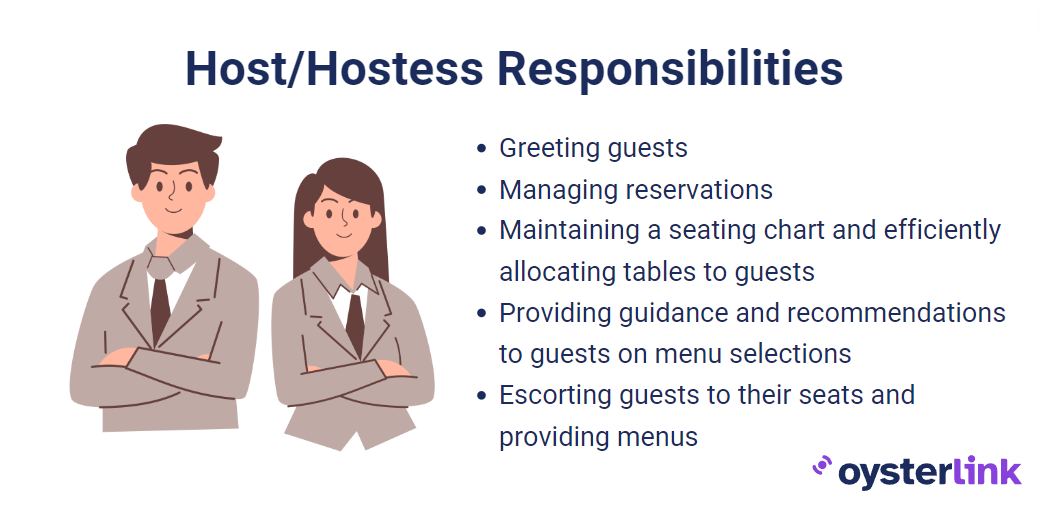
The role of a hostess is a strategic position that bridges the gap between marketing promises and operational reality. While a marketing team might spend thousands on digital ads and social media aesthetics to build a brand image, it is the hostess who must validate that image within the first ten seconds of a guest’s arrival.
The Hostess as the Frontline Brand Ambassador
In brand strategy, “Brand Touchpoints” are the various ways a consumer interacts with a brand. In a restaurant, the hostess is the primary human touchpoint. Their role is to humanize the brand’s values and translate the abstract corporate identity into a tangible, emotional connection.
Embodying the Corporate Identity
A hostess does not just wear a uniform; they wear the brand’s identity. Whether the restaurant is a high-end Michelin-starred establishment or a trendy, fast-casual bistro, the hostess’s demeanor, language, and appearance are curated to reflect the brand’s DNA. In a luxury brand setting, a hostess employs formal language, precise posture, and a reserved but welcoming air to signal exclusivity and sophistication. Conversely, in a lifestyle-focused, community-centric brand, the hostess may use more casual language and a high-energy greeting to signal inclusivity and approachability.
This alignment is crucial because brand inconsistency leads to consumer distrust. If a restaurant’s brand strategy promises “unparalleled luxury” but the hostess greets guests with a distracted or overly casual “Hey guys,” the brand promise is immediately broken. The hostess’s primary duty is to ensure that the physical reality of the guest’s arrival matches the psychological expectation set by the brand’s marketing.
The Psychology of the First Touchpoint
Psychological studies on “thin-slicing”—the ability of our minds to find patterns in events based only on “thin slices” of experience—suggest that guests form a permanent opinion of a restaurant within seconds. The hostess manages this window. By providing a warm, organized, and confident welcome, the hostess lowers the guest’s cognitive load and prepares them for an enjoyable experience.
When a hostess manages a waitlist effectively or remembers a returning guest’s name, they are utilizing personal branding techniques to enhance the corporate brand. They transform a transactional interaction (checking a reservation) into a relational one (welcoming a guest back). This shift from transaction to relation is the cornerstone of modern brand loyalty.
Orchestrating the Brand Experience
Beyond the initial greeting, the hostess’s role is deeply rooted in experience design. They are the conductors of the restaurant’s “front of house” symphony, ensuring that the brand’s operational flow supports its aesthetic and emotional goals.
Beyond Seating: Managing Flow and Perception
While the mechanical task is to lead guests to a table, the strategic task is to curate the atmosphere. A hostess understands “table psychology.” Seating a high-profile guest at a central table can enhance the brand’s “seen and be seen” status, while seating a quiet couple in a cozy corner protects the brand’s reputation for intimacy.
Furthermore, the hostess manages the “visual density” of the room. A brand that prides itself on being the “hottest spot in town” needs to look busy but not chaotic. The hostess achieves this by balancing the seating across different sections, ensuring that the energy remains high without overwhelming the service staff. When a hostess manages the floor correctly, they are protecting the brand from service failures that occur when one server is “slammed” while another is idle.
Crisis Management as Brand Protection
One of the most challenging aspects of what a hostess does is managing the waitlist during peak hours. From a brand perspective, a long wait is a double-edged sword. It signifies brand desirability (the “social proof” of a crowd), but it also risks brand resentment if not handled with empathy.
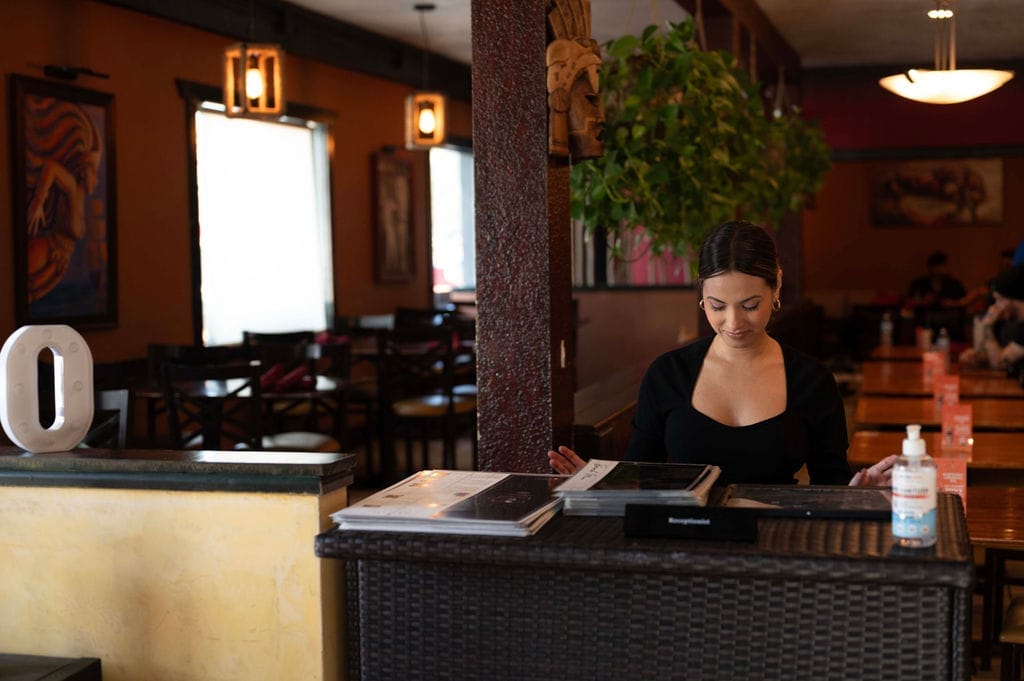
A skilled hostess uses brand-aligned communication to manage these moments. Instead of saying, “We’re full, it’ll be an hour,” a brand-focused hostess might say, “We are currently experiencing a high volume of guests who are enjoying their evening, but we would love to invite you to our lounge for a signature cocktail while we prepare your table.” This subtle shift in language reframes the wait from a negative (scarcity) to a positive (exclusivity and value-add). By protecting the guest’s ego during a wait, the hostess protects the brand’s reputation.
Digital Integration and the Modern Brand Persona
In the age of digital transformation, the role of the hostess has evolved to include the management of complex technological ecosystems. This is where brand strategy meets data-driven marketing.
Bridging the Gap Between Online Presence and Physical Reality
Most guest journeys now begin on a mobile app or a website. The hostess is the person who closes the loop between the digital reservation and the physical seat. When a guest makes a special request via a booking platform—such as an anniversary or a dietary restriction—it is the hostess’s responsibility to ensure that this data is translated into a personalized experience.
In this context, the hostess acts as a data steward. By acknowledging the digital history of the guest (“Welcome back, we have your favorite booth ready for you”), they reinforce the brand’s commitment to personalized service. This level of detail is a powerful marketing tool; it makes the guest feel seen and valued, which is the fastest route to increasing Customer Lifetime Value (CLV).
Personal Branding within a Professional Ecosystem
Modern brands are increasingly leaning into the personal brands of their employees. In many high-traffic urban restaurants, the hostess becomes a minor local celebrity or an “influencer” of the space. Their personal style and social savvy contribute to the “cool factor” of the establishment.
Strategic restaurant groups now hire hostesses not just for their organizational skills, but for their ability to project a specific lifestyle brand. When a hostess has a professional presence that aligns with the target demographic’s aspirations, they become a living advertisement. They are the personification of the “ideal customer” who has been promoted to the “brand curator.”
Strategic Impact on Marketing and Customer Retention
Ultimately, a hostess’s performance has a direct impact on a restaurant’s bottom line and its long-term brand equity. They are not a “cost center” but a “revenue driver” through the lens of retention and reputation management.
Data Collection and Relationship Marketing
The hostess station is the hub for data collection. By capturing email addresses, tracking guest preferences, and noting the frequency of visits, the hostess provides the marketing department with the “fuel” needed for targeted email campaigns and loyalty programs. In a world where third-party data is becoming harder to acquire, the first-party data gathered at the host stand is incredibly valuable for the brand’s direct marketing efforts.
The hostess can also proactively manage the brand’s online reputation. If a guest leaves looking dissatisfied, a hostess who intervenes before they exit can prevent a negative Yelp or Google review. By resolving the issue on-site—perhaps by offering a brand-sponsored perk or a heartfelt apology—the hostess acts as the brand’s first line of defense in reputation management.

Elevating the Perceived Value of the Brand
Price is what you pay; value is what you perceive. A hostess can significantly elevate the perceived value of a meal without changing the food. The “ceremony” of being greeted, helped with a coat, and led to a perfectly set table adds a layer of “service luxury” that justifies premium pricing.
In luxury brand strategy, the “unboxing experience” is vital. For a restaurant, the hostess provides the “unboxing” of the dining experience. If the greeting is seamless and the transition to the table is elegant, the guest perceives the brand as higher quality, making them more willing to pay higher prices and more likely to recommend the brand to their own network.
In conclusion, the question of what a hostess does in a restaurant is answered by looking at the intersection of hospitality and brand strategy. They are the face of the company, the architects of the guest flow, and the protectors of the brand’s reputation. By masterfully managing the first and last moments of a guest’s journey, the hostess ensures that the restaurant is not just a place to eat, but a brand that people remember, trust, and return to.
aViewFromTheCave is a participant in the Amazon Services LLC Associates Program, an affiliate advertising program designed to provide a means for sites to earn advertising fees by advertising and linking to Amazon.com. Amazon, the Amazon logo, AmazonSupply, and the AmazonSupply logo are trademarks of Amazon.com, Inc. or its affiliates. As an Amazon Associate we earn affiliate commissions from qualifying purchases.