
The hip abduction machine, a staple in most gyms and rehabilitation centers, is a piece of equipment designed to specifically target and strengthen the muscles responsible for hip abduction. This seemingly simple movement – moving your leg away from the midline of your body – plays a crucial role in a wide array of daily activities and athletic endeavors. Understanding the mechanics and benefits of this machine can unlock significant improvements in performance, injury prevention, and overall physical well-being.
The Biomechanics of Hip Abduction and the Machine’s Role
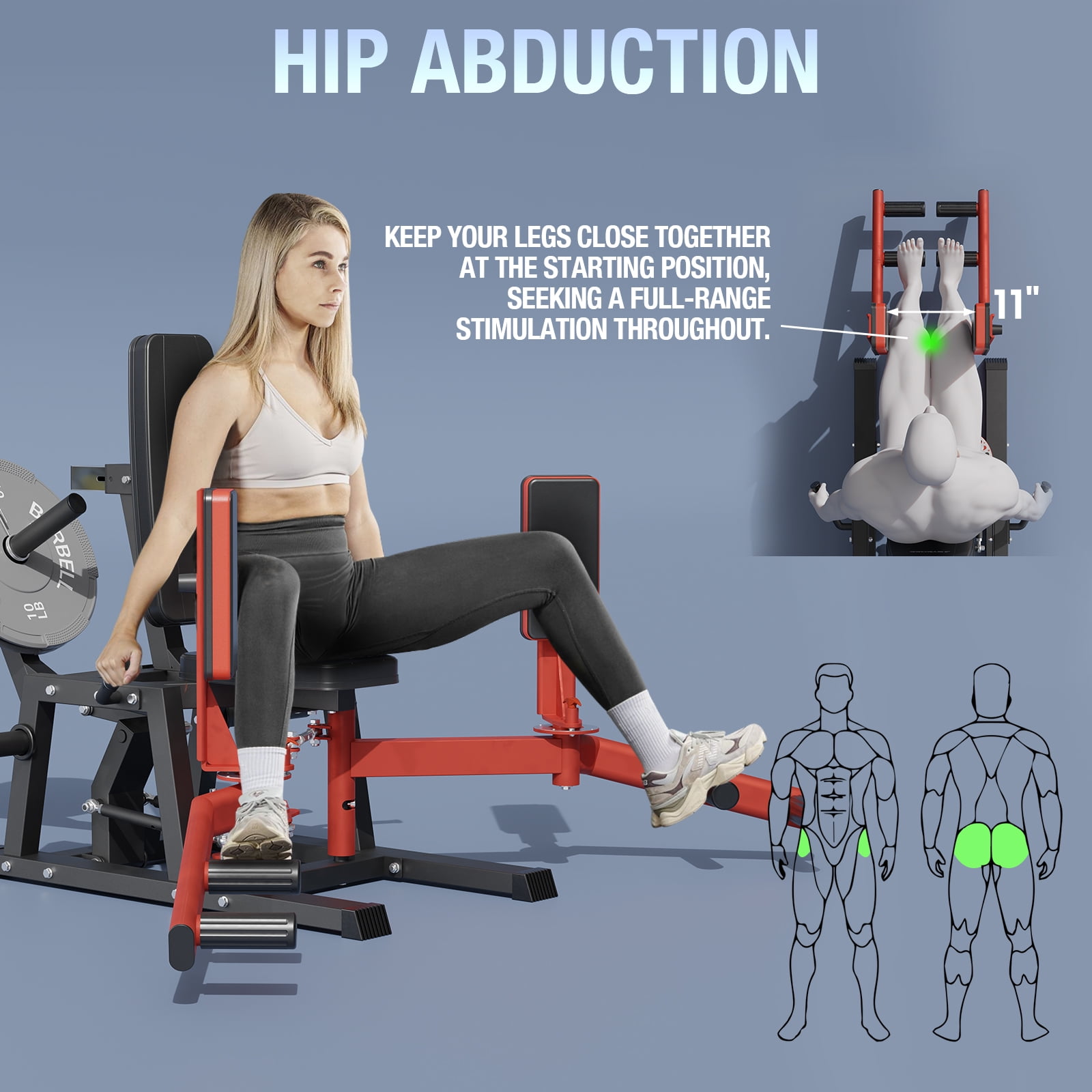
Hip abduction is a fundamental movement pattern. The primary muscles involved are the gluteus medius and gluteus minimus, located on the outer aspect of the hip. The tensor fasciae latae (TFL) also assists in this motion. These muscles are not just about widening your stance; they are critical for:
Stabilizing the Pelvis
During walking, running, and single-leg stances, the gluteus medius and minimus work tirelessly to prevent the opposite side of the pelvis from dropping. This pelvic stability is essential for efficient gait and balance. Without adequate strength in these muscles, you can experience a Trendelenburg gait, where the pelvis dips significantly on the non-weight-bearing side, leading to inefficiencies and increased stress on other joints.
Supporting the Kinetic Chain
The hips are the central hub of the body’s kinetic chain, connecting the upper and lower body. Strong hip abductors contribute to proper force transfer during movements like squatting, lunging, and jumping. They help maintain knee alignment, preventing excessive inward collapse (valgus collapse), a common issue that can lead to knee pain and injuries.
The Hip Abduction Machine: Isolating and Strengthening
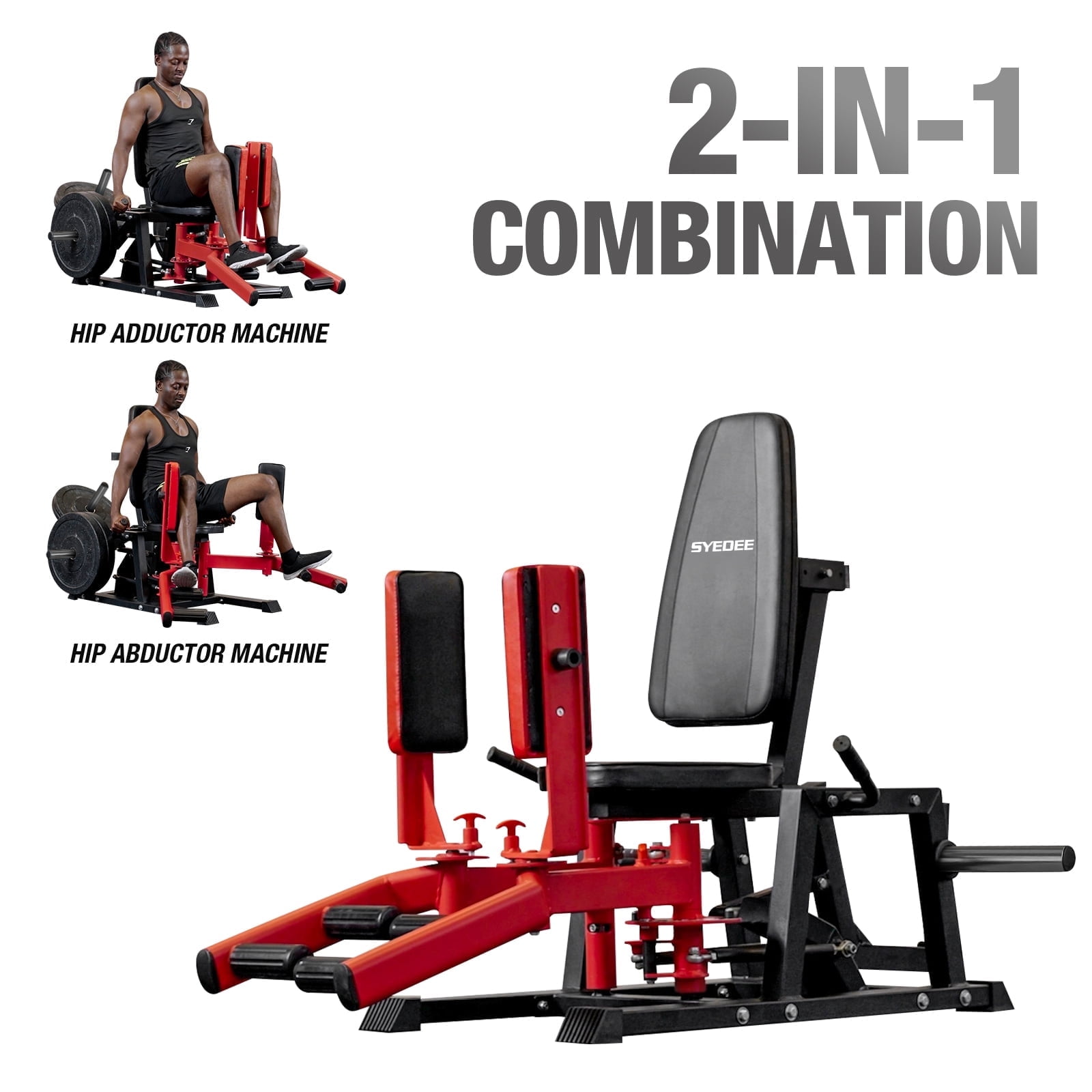
The hip abduction machine provides a controlled environment to isolate and progressively overload the hip abductor muscles. Users sit on the machine, place their legs against padded levers, and push outwards against resistance. This allows for:
- Targeted Muscle Activation: By fixing the body’s position, the machine minimizes the involvement of other muscle groups, ensuring that the primary work is done by the gluteus medius and minimus.
- Adjustable Resistance: The weight stack can be adjusted to accommodate varying fitness levels, allowing for gradual progression as strength increases.
- Controlled Range of Motion: The machine guides the movement through a safe and effective range, reducing the risk of injury, especially for beginners or those recovering from injury.
Beyond Basic Strengthening: Functional Benefits of Hip Abduction Machine Use
While the primary function is strengthening, the benefits of consistently using a hip abduction machine extend far beyond simply lifting heavier weights. These benefits translate directly into improved daily life and athletic performance.
Enhancing Athletic Performance
For athletes across a spectrum of sports, strong and stable hips are a cornerstone of performance. Hip abduction strength directly impacts:
- Agility and Change of Direction: The ability to quickly and powerfully shift weight and change direction relies heavily on the hip abductors to control lateral movements and stabilize the body during these rapid transitions. Sports like basketball, soccer, tennis, and football benefit immensely from improved hip abduction strength.
- Power Generation: When athletes perform explosive movements like jumping or sprinting, the hips are central to generating power. Strong abductors contribute to a more stable base, allowing for more efficient and forceful limb extension.
- Injury Prevention: As mentioned, weak hip abductors are linked to knee valgus, which is a significant risk factor for anterior cruciate ligament (ACL) tears and other knee injuries. Strengthening these muscles can help create a more stable and resilient lower kinetic chain. Furthermore, improved pelvic stability can reduce stress on the lower back.
Improving Daily Functional Movements

The impact of hip abduction strength is often underestimated in everyday life. Consider these activities:
- Walking and Running: As the foundation of bipedal locomotion, these activities require constant pelvic stabilization. Strong abductors ensure a smoother, more efficient stride and reduce fatigue.
- Climbing Stairs: Each step requires balancing on one leg and controlling the descent of the opposite leg. Hip abductors are vital for this stability.
- Getting In and Out of Vehicles: This often involves a controlled lateral movement and weight shift, where hip abductor strength is silently at play.
- Maintaining Balance: Whether standing still or navigating uneven terrain, the ability to stay upright and prevent falls is greatly enhanced by well-functioning hip abductors.
Rehabilitation and Injury Management
The hip abduction machine is an indispensable tool in physical therapy and rehabilitation protocols for various conditions:
- Post-Surgical Recovery: Following hip or knee surgery, a gradual and controlled strengthening program is essential. The hip abduction machine allows for isolated, low-impact strengthening of the crucial hip muscles.
- Piriformis Syndrome and Sciatica: These conditions can be exacerbated by tight or weak hip muscles. Strengthening the gluteus medius and minimus can help improve hip biomechanics and alleviate pressure on the sciatic nerve.
- Hip Impingement (FAI): While care must be taken, in some cases of femoroacetabular impingement, strengthening surrounding musculature can help improve hip joint mechanics and reduce pain.
- General Hip Pain: Many types of hip pain stem from muscle imbalances. The abduction machine offers a targeted approach to address weaknesses contributing to this pain.
Proper Form and Programming for Optimal Results
To maximize the benefits of the hip abduction machine and avoid potential issues, proper technique and a well-structured training program are paramount.
Executing the Movement Correctly
When using the hip abduction machine, adherence to proper form is key:
- Setup: Adjust the seat so that the pads align with the outside of your knees or slightly above. Ensure your back is comfortably supported against the padding.
- Starting Position: Sit upright with your feet flat on the floor or firmly planted on the footrests, if available. Your knees should be bent at approximately 90 degrees.
- The Movement:
- Abduction (Outward Movement): Exhale as you slowly and controlledly push your legs outwards, moving against the resistance. Focus on squeezing your outer hip muscles. Avoid using momentum or jerking motions.
- Adduction (Inward Movement/Return): Inhale as you slowly and controlledly allow your legs to return to the starting position. Resist the pull of the weight; do not let the weight stack slam down. Maintain tension in the working muscles.
- Breathing: Coordinate your breath with the movement – exhale during exertion (abduction) and inhale during the eccentric phase (return).
- Focus: Concentrate on feeling the contraction in your outer hips. If you feel the movement primarily in your knees or thighs, you may need to adjust your setup or reduce the weight.
Integrating the Hip Abduction Machine into Your Routine
The hip abduction machine is a valuable addition to various training programs, but its placement and intensity should be considered strategically.
- As a Warm-up: Performing a few sets with lighter weight can activate the hip abductors, preparing them for more demanding compound exercises like squats and lunges. This can be particularly beneficial for those with a history of hip or knee issues.
- As a Primary Exercise: For individuals specifically targeting hip abductor strength, it can be incorporated as a main exercise within a lower-body workout. Aim for 2-4 sets of 8-15 repetitions, focusing on controlled movement and proper muscle engagement.
- As a Finisher: After completing your main compound lifts, a few sets of hip abduction can provide a final challenge to the gluteus medius and minimus, contributing to hypertrophy and endurance.
- In Rehabilitation Settings: Under the guidance of a physical therapist, the hip abduction machine can be used to progressively increase strength and range of motion following injury or surgery. The weight and repetitions will be tailored to the individual’s recovery stage.
Common Mistakes to Avoid
While the machine is designed for ease of use, certain common errors can detract from its effectiveness or even lead to injury:
- Using Too Much Weight: This is perhaps the most common mistake. Ego lifting can lead to poor form, reduced muscle activation, and increased risk of injury. Start with a weight that allows you to perform 8-10 repetitions with perfect form.
- Jerking or Using Momentum: The movement should be slow and controlled throughout. Relying on momentum negates the isolation benefits and can stress the joints.
- Holding Your Breath: Proper breathing is crucial for maintaining core stability and facilitating muscle engagement.
- Allowing the Weight Stack to Slam: The eccentric (lowering) phase is just as important as the concentric (lifting) phase. Resist the weight to maximize muscle tension and promote eccentric strength development.
- Over-reliance on the Machine: While effective, the hip abduction machine is just one tool. A comprehensive lower-body program should include compound movements and exercises that mimic functional patterns.
Conclusion: A Powerful Tool for Hip Health and Performance
The hip abduction machine, though seemingly straightforward, is a sophisticated piece of equipment that offers significant benefits for a broad spectrum of users. From enhancing athletic prowess and preventing injuries to improving daily functional movements and aiding in rehabilitation, its impact is far-reaching. By understanding the biomechanics involved, committing to proper form, and integrating it intelligently into a balanced fitness or rehabilitation program, individuals can harness the full potential of the hip abduction machine to build stronger, more stable, and more resilient hips. Whether you are an elite athlete, a weekend warrior, or someone focused on maintaining mobility and preventing pain, this machine stands as a testament to the power of targeted strength training in achieving holistic physical well-being.
aViewFromTheCave is a participant in the Amazon Services LLC Associates Program, an affiliate advertising program designed to provide a means for sites to earn advertising fees by advertising and linking to Amazon.com. Amazon, the Amazon logo, AmazonSupply, and the AmazonSupply logo are trademarks of Amazon.com, Inc. or its affiliates. As an Amazon Associate we earn affiliate commissions from qualifying purchases.