
Harlem. The name itself resonates with a rich tapestry of history, culture, and aspiration. It’s a place that has etched itself into the global consciousness, not just as a geographical location in New York City, but as a potent symbol. But what does Harlem mean? For some, it conjures images of the Harlem Renaissance, a golden age of Black artistic and intellectual flourishing. For others, it evokes narratives of struggle and resilience, of vibrant communities forging identity against societal headwinds. In today’s context, understanding what Harlem “means” is crucial for its continued development and for appreciating its complex, multi-layered brand. This exploration delves into the multifaceted brand of Harlem, examining its historical roots, its cultural significance, its economic evolution, and its contemporary identity.
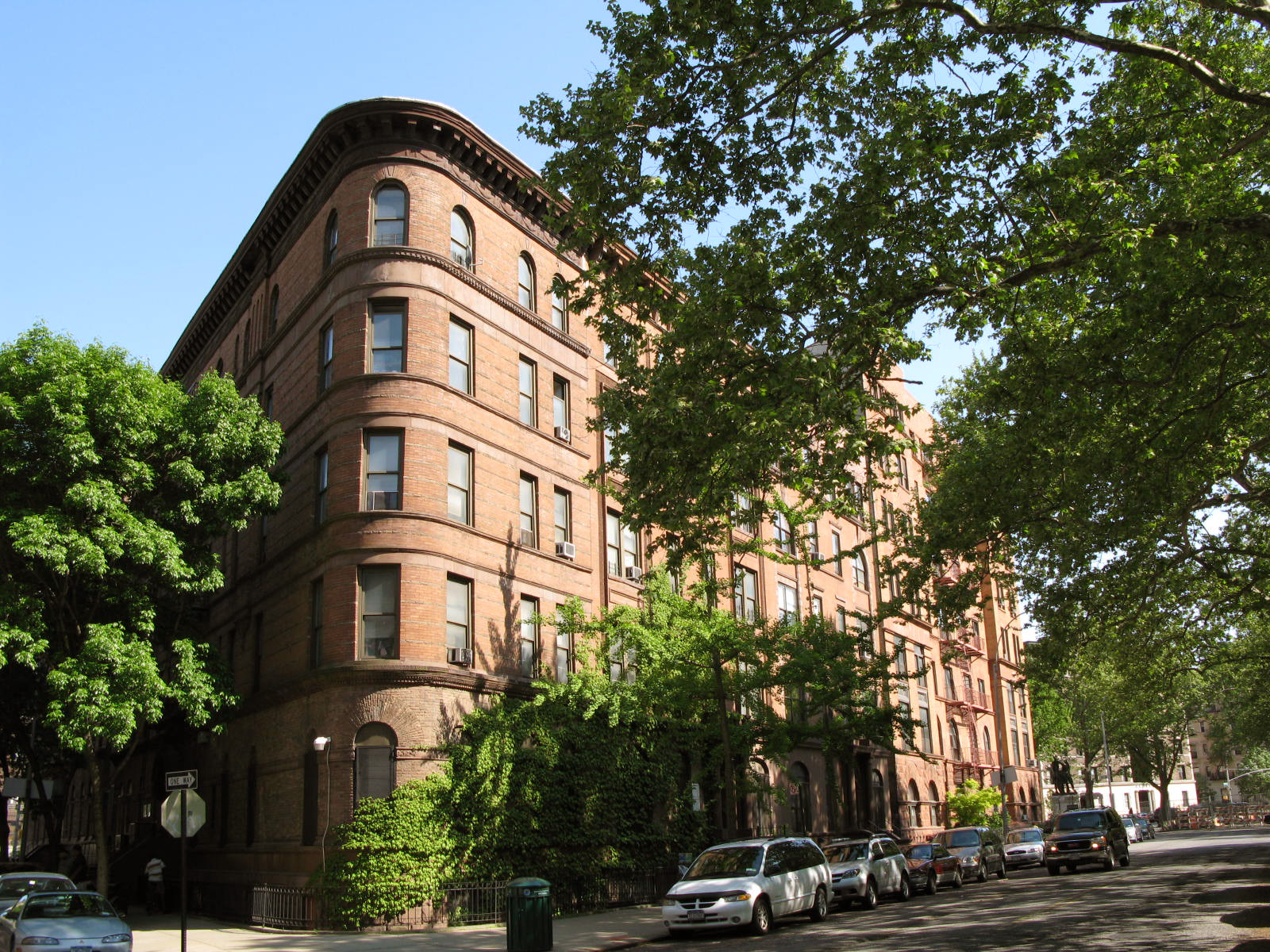
The Enduring Legacy of the Harlem Renaissance: A Brand Foundation
The Harlem Renaissance, spanning roughly from the 1910s to the mid-1930s, is inextricably linked to the very essence of Harlem’s brand. This period wasn’t just an artistic explosion; it was a profound assertion of Black identity and a cultural rebirth that would forever shape perceptions of the neighborhood. It laid the groundwork for a brand that would become synonymous with creativity, intellectualism, and Black pride.
Artistic and Literary Luminaries: Architects of Cultural Identity
The sheer caliber of talent that converged in Harlem during this era is astounding. Langston Hughes, Zora Neale Hurston, Claude McKay, Duke Ellington, and Bessie Smith are just a few names that come to mind. Their works—poetry, novels, music, and drama—not only captured the Black experience in America but elevated it, challenging prevailing stereotypes and demanding recognition on the world stage. This artistic output created an indelible brand association: Harlem as a center of unparalleled creative genius, a place where Black culture thrived and innovably expressed itself. The Apollo Theater, established in 1913, became a vital stage for this blossoming talent, its name now a global shorthand for Black entertainment excellence. The poetry of Hughes still evokes the streets of Harlem, his words becoming a lyrical soundtrack to the neighborhood’s enduring spirit.
A Beacon of Black Intellectualism and Activism
Beyond the arts, Harlem became a hub for intellectual discourse and social activism. Figures like W.E.B. Du Bois and Marcus Garvey were instrumental in shaping the philosophical and political landscape of the burgeoning Black consciousness movement. This intellectual ferment fostered a sense of empowerment and self-determination, contributing to Harlem’s brand as a place of aspiration and a crucible for social change. The ideas generated and debated within Harlem’s salons and community centers had a ripple effect across the nation and beyond, cementing its reputation as a vital center for Black thought and leadership. This intellectual backbone continues to inform Harlem’s narrative, signaling a tradition of critical thinking and community empowerment.
Cultural Significance and Evolving Perceptions: A Dynamic Brand Narrative
Harlem’s brand is not static; it’s a living entity that has continuously evolved while striving to retain its core identity. Its cultural significance has expanded, and its perceived meaning has shifted in response to changing demographics, economic forces, and societal trends.
The Crossroads of Community and Identity
At its heart, Harlem has always been a place of community. It served as a magnet for African Americans migrating from the South during the Great Migration, offering a sense of belonging and opportunity. This shared experience forged a strong communal bond, contributing to a brand characterized by solidarity, resilience, and mutual support. This narrative of community is vital; it’s the human element that underpins the more abstract notions of cultural significance. The rich tapestry of its residents, their stories, and their contributions are the threads that weave the fabric of Harlem’s identity.
Shifting Narratives: Gentrification and the Redefinition of “Harlem”
In recent decades, Harlem has experienced significant demographic and economic shifts, including gentrification. This process has introduced new residents, businesses, and development, inevitably altering the neighborhood’s character and influencing its brand perception. For some, these changes represent progress and revitalization, bringing new investment and amenities. For others, they signal a displacement of long-standing communities and a dilution of Harlem’s historical essence. This tension between preservation and progress is a defining characteristic of Harlem’s contemporary brand. The question of “Who is Harlem for?” becomes central to understanding its evolving meaning and ensuring its brand remains inclusive and representative of its diverse populace. The challenge lies in balancing economic growth with the preservation of its unique cultural heritage.
Economic Vitality and Entrepreneurial Spirit: The Business of Harlem’s Brand
A neighborhood’s brand is also shaped by its economic landscape. Harlem, historically a place of both economic challenge and entrepreneurial innovation, continues to define its economic identity, which directly impacts its perceived value and appeal.
From Local Businesses to Global Aspirations
Historically, Harlem has been a landscape for Black-owned businesses, serving the needs of its community and fostering a unique entrepreneurial ecosystem. From small grocery stores and barbershops to influential newspapers and record labels, these enterprises were vital to the neighborhood’s economic self-sufficiency and cultural expression. Today, this entrepreneurial spirit continues to flourish, albeit in new forms. There’s a growing emergence of contemporary businesses, from restaurants and boutiques to tech startups and cultural institutions, that are both rooted in Harlem’s legacy and looking towards future innovation. This blend of heritage and modernity is a key component of Harlem’s current brand narrative. The successful integration of these new ventures, while respecting the existing fabric, is crucial for a robust and authentic economic brand.
Place Branding and Investment: Attracting and Retaining Value
The concept of “place branding” is increasingly relevant to Harlem. This involves strategically marketing the neighborhood to attract investment, tourism, and new residents. The historical and cultural assets, the vibrant community, and the burgeoning economic opportunities are all components of this strategic branding effort. However, effective place branding requires careful consideration of authenticity and inclusivity. It’s about showcasing Harlem’s strengths and unique selling propositions without resorting to superficial or exploitative representations. The economic narrative of Harlem is therefore intrinsically linked to its cultural and social narrative. A strong, authentic brand can attract the right kind of investment, one that supports community development and preserves the neighborhood’s unique character, rather than leading to its erosion. The development of initiatives like Harlem Park and the ongoing revitalization of commercial corridors are testament to this ongoing economic evolution, seeking to build a brand that is both prosperous and principled.
Contemporary Harlem: A Brand of Resilience, Creativity, and Inclusivity
Today, the meaning of Harlem is a complex synthesis of its past glories, its present realities, and its future aspirations. It is a brand that speaks to a rich heritage, a dynamic present, and a hopeful future.
The Embodiment of Cultural Resilience
Harlem’s brand is undeniably one of resilience. It has weathered economic downturns, social injustices, and periods of neglect, yet it has consistently bounced back, its spirit unbroken. This enduring strength is a powerful narrative that resonates deeply. It signifies a community that has learned to adapt, to innovate, and to thrive in the face of adversity. This resilience is not just about survival; it’s about continuous reinvention and a persistent commitment to cultural preservation and advancement.

A Global Center for Culture and Innovation
Harlem’s influence continues to be felt on a global scale. It remains a sought-after destination for cultural tourism, drawing visitors eager to experience its history, its music, its art, and its unique atmosphere. Furthermore, it is increasingly recognized as a center for innovation, with new businesses and creative enterprises emerging and contributing to the broader cultural and economic landscape. The brand of Harlem is now one that encompasses both its revered past and its vibrant, forward-looking present. It is a testament to the enduring power of a neighborhood that has consistently redefined itself while holding true to its foundational spirit. The ongoing efforts to support local arts, foster entrepreneurship, and promote community engagement all contribute to a brand that is evolving, dynamic, and profoundly meaningful. As Harlem continues to navigate the complexities of the 21st century, its brand will undoubtedly continue to be a powerful force, embodying the spirit of New York City and its profound impact on the world.
aViewFromTheCave is a participant in the Amazon Services LLC Associates Program, an affiliate advertising program designed to provide a means for sites to earn advertising fees by advertising and linking to Amazon.com. Amazon, the Amazon logo, AmazonSupply, and the AmazonSupply logo are trademarks of Amazon.com, Inc. or its affiliates. As an Amazon Associate we earn affiliate commissions from qualifying purchases.