
The question of what hairspray does to hair, when viewed through the lens of Tech, opens up a fascinating exploration into the intersection of chemistry, material science, and the very tools we use to shape our personal presentation. While seemingly a simple cosmetic product, hairspray is a complex formulation, a testament to applied chemical engineering designed to manipulate the physical properties of hair at a microscopic level. Its effectiveness, longevity, and potential impact are all rooted in sophisticated technological advancements in aerosol delivery, polymer science, and ingredient formulation.
The Underlying Technology: Chemical Formulations and Polymer Science
At its core, hairspray is a carefully balanced chemical concoction. Understanding its function requires delving into the science of its primary components: the polymers, solvents, and propellants. These ingredients work in concert to create a temporary, flexible film around each strand of hair, providing hold and style retention. The development of these formulations is a direct outcome of ongoing research and innovation within the chemical and materials science sectors, driven by a desire for improved performance, user experience, and increasingly, environmental sustainability.

The Role of Polymers: Creating the Hold
The “hold” in hairspray is primarily attributed to synthetic polymers. These are long, chain-like molecules that, when sprayed onto the hair, form a cohesive network. Different types of polymers are employed to achieve varying levels of hold, from soft and flexible to strong and rigid. Historically, early hairsprays relied on natural resins, but the advent of synthetic polymer chemistry in the mid-20th century revolutionized the industry.
-
Polyvinylpyrrolidone (PVP) and its Copolymers: PVP is a workhorse polymer in hairspray formulations. It’s known for its excellent film-forming properties and its ability to adhere to keratin, the protein that makes up hair. Copolymers of PVP, such as VP/VA copolymer (vinylpyrrolidone/vinyl acetate copolymer), offer enhanced flexibility and water resistance, contributing to a hold that can withstand humidity. The precise ratio of VP to VA can be fine-tuned to achieve specific holding characteristics. The development of these specific copolymer chains, with controlled molecular weights and monomer arrangements, is a direct result of advanced polymer synthesis techniques.
-
Acrylate Copolymers: These are another class of widely used polymers. Acrylate-based copolymers, like acrylates copolymer or acrylates/acrylamide copolymer, often provide a strong, yet flexible hold. Their ability to form clear, continuous films makes them ideal for styling. The chemical structure of these polymers allows for cross-linking, which can further enhance durability and resistance to environmental factors. The synthesis and modification of these acrylate monomers and their subsequent polymerization into specific copolymer structures represent significant achievements in materials science.
-
Silicone Polymers: While not always the primary “hold” agent, certain silicone polymers are incorporated for their conditioning and shine-enhancing properties. They can also contribute to a smoother feel and easier brushability, acting as secondary film-formers that don’t necessarily contribute to extreme hold but improve the overall hair texture and appearance. The development of specific silicone chemistries, such as dimethicone or cyclomethicone, has been driven by the need for biocompatible and aesthetically pleasing additives.
The design and selection of these polymers are not arbitrary. They are chosen based on their film-forming capabilities, adhesion to hair, flexibility, resistance to humidity, and compatibility with other ingredients in the formula. This is where the “tech” aspect truly shines – it’s about understanding the molecular architecture of polymers and how to engineer them to achieve specific desired outcomes on a macro level.
Solvents: The Delivery System
Polymers, in their solid state, cannot effectively coat the hair. They need to be dissolved or dispersed in a liquid medium. This is where solvents come in. Historically, chlorofluorocarbons (CFCs) were used as propellants and solvents, but due to their environmental impact, they have been largely phased out. Modern hairsprays utilize a blend of volatile organic compounds (VOCs) and alcohols as solvents and propellants.
-
Ethanol (Alcohol Denatured): This is the most common solvent and propellant in hairsprays. It’s highly volatile, meaning it evaporates quickly once sprayed, leaving behind the dissolved polymers to form the film. Its rapid evaporation is crucial for achieving a quick-drying, non-sticky finish. The purity and denaturing agents of ethanol are also important considerations for formulation stability and safety.
-
Water: In some formulations, particularly “alcohol-free” or “flexible hold” sprays, water is used as a co-solvent. However, water alone is not sufficient to dissolve many of the polymers used for strong hold, and its slower evaporation rate can sometimes lead to a less desirable finish or reactivate the hold in humid conditions.
-
Other Volatile Solvents: Depending on the specific formulation and desired properties, other volatile solvents might be used in smaller quantities. These are selected for their ability to dissolve specific polymers or to influence the evaporation rate and drying time.
The careful selection and blending of these solvents are critical. They must be able to effectively dissolve the polymers, evaporate quickly and evenly, and not leave behind residues that can dull the hair or make it feel heavy. This requires a deep understanding of solubility parameters and evaporation kinetics.
Propellants: The Force Behind the Spray
The propellant is what pushes the liquid formulation out of the aerosol can and disperses it into a fine mist. As mentioned, CFCs have been replaced by safer alternatives.
-
Hydrocarbons (Propane, Butane, Isobutane): These are the most common propellants in modern hairsprays. They are flammable gases that are liquefied under pressure in the aerosol can. When the valve is pressed, the pressure is released, and the propellant expands and evaporates, atomizing the liquid formulation. The precise blend of these hydrocarbons can influence the spray pattern and the fineness of the mist.
-
Dimethyl Ether (DME): DME is another common propellant, particularly in formulations seeking to reduce flammability or offer a different spray feel. It’s a non-flammable gas that also aids in dissolving the formulation.
The technology behind aerosol cans themselves, including valve systems, actuators, and can integrity, is a significant area of engineering. The goal is to deliver a consistent, controllable spray that evenly coats the hair without excessive pressure or leakage.
The Application Technology: Aerosol Science and Delivery Systems
The effectiveness of hairspray isn’t just about its chemical composition; it’s also about how it’s delivered. Aerosol technology, a specialized field of engineering, plays a vital role in transforming the liquid formulation into a usable product.
Atomization and Spray Patterns: Precision Engineering
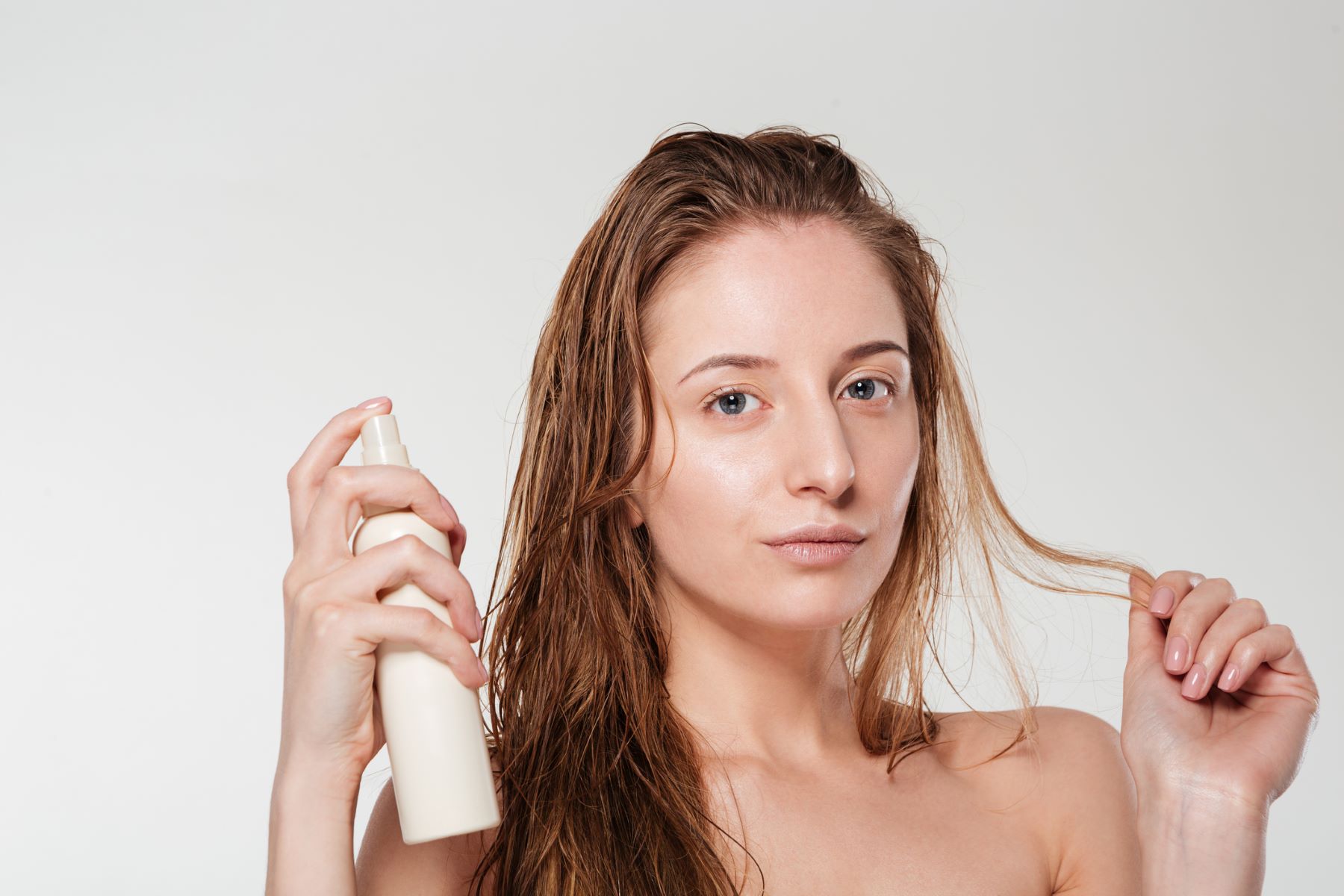
The nozzle and valve system of an aerosol can are engineered to atomize the liquid into fine droplets. The size and distribution of these droplets directly impact how evenly the hairspray coats the hair, influencing the hold and the overall look.
-
Droplet Size Control: Different hairspray formulations and intended uses require different droplet sizes. A volumizing spray might benefit from larger droplets to provide lift, while a finishing spray for intricate styles might need very fine droplets for a sheer, even coating. Engineers manipulate nozzle design, valve pressure, and propellant blends to achieve precise droplet size control.
-
Spray Pattern Uniformity: The actuator (the part you press) and the nozzle are designed to create a specific spray pattern – whether it’s a wide cone, a targeted stream, or a more diffused mist. This ensures even application without over-saturation in one area. The development of different actuator designs, often using advanced molding techniques, is crucial for tailoring the application experience.
-
Aerosol Valve Technology: The intricate mechanics of the aerosol valve are a marvel of miniaturized engineering. These valves control the flow of propellant and product, ensuring a consistent spray duration and preventing leakage. The materials used for valves must be compatible with the chemicals in the can and able to withstand pressure.
The Science of Film Formation: From Liquid to Solid
Once the hairspray is sprayed onto the hair, a rapid process of evaporation and film formation occurs. This is where the polymers, once dissolved, begin to coalesce and adhere to the hair shaft.
-
Evaporation Dynamics: The speed at which the solvents and propellants evaporate is critical. Too slow, and the hair will feel wet and heavy; too fast, and the polymers may not have sufficient time to form a continuous film. The interplay between solvent volatility, ambient temperature, and humidity influences this process.
-
Adhesion to Keratin: The polymers are designed to have an affinity for keratin, the protein that forms hair. This adhesion is what allows the hairspray to “stick” to the hair and provide hold. Surface chemistry and intermolecular forces play a significant role here.
-
Film Flexibility and Durability: The resulting polymer film needs to be flexible enough to allow for natural hair movement without flaking or breaking. However, it also needs to be durable enough to maintain the style throughout the day, resisting environmental factors like wind and humidity. The cross-linking potential of some polymers is engineered to strike this balance.
Innovation and Future Directions: Advancing Hairspray Technology
The hairspray industry, like any other technologically driven sector, is constantly evolving. Research and development are focused on improving performance, addressing consumer concerns, and enhancing sustainability.
Beyond Hold: Multifunctional Formulations
Modern hairspray technology is moving beyond simply providing hold. Formulations are being developed to offer a range of benefits, transforming hairspray into a more comprehensive styling tool.
-
Heat Protection: Many hairsprays now incorporate ingredients that offer thermal protection, shielding hair from damage caused by styling tools like blow dryers and curling irons. This requires the incorporation of specialized silicones or other heat-resistant compounds within the hairspray matrix.
-
UV Protection: Similar to skincare, hair can also be damaged by UV radiation. Some advanced hairsprays include UV filters to help protect the hair color and integrity from sun exposure. This involves integrating specific UV-absorbing molecules into the formulation without compromising the spray’s performance.
-
Shine and Gloss Enhancement: Beyond just hold, formulators are incorporating ingredients that impart shine and a healthy gloss to the hair. This often involves the use of lighter silicones or reflective polymers that don’t weigh down the hair.
-
Color Protection: For color-treated hair, hairsprays are being developed with ingredients that help prevent color fading and maintain vibrancy. This can involve pH balancing agents or specific polymer blends that minimize pigment leaching.

Sustainability and Environmental Considerations
The environmental impact of personal care products is a growing concern, and hairspray technology is not immune.
-
Low-VOC Formulations: The industry is actively working to reduce the levels of Volatile Organic Compounds (VOCs) in hairsprays, often by using water-based systems or alternative solvent technologies. This requires significant chemical engineering to ensure performance is maintained.
-
Propellant Alternatives: Research continues into more environmentally friendly propellant options beyond hydrocarbons, though challenges remain in achieving comparable performance and cost-effectiveness.
-
Biodegradable Polymers: The development of biodegradable polymers for cosmetic applications is an ongoing area of research, aiming to reduce the environmental persistence of hairspray residues.
-
Packaging Innovations: Beyond the formulation, advancements in aerosol can design, including lighter-weight materials and more recyclable components, also contribute to the overall sustainability of hairspray products. The development of refillable systems or concentrated formulas are also part of this technological evolution.
In conclusion, the seemingly simple act of spraying hairspray is underpinned by a complex array of chemical and engineering principles. From the molecular design of polymers to the precise atomization delivered by aerosol technology, hairspray represents a sophisticated application of scientific knowledge. As technology continues to advance, we can expect hairsprays to become even more sophisticated, offering enhanced performance, added benefits, and a reduced environmental footprint, all while continuing to empower individuals to express themselves through their hairstyle.
aViewFromTheCave is a participant in the Amazon Services LLC Associates Program, an affiliate advertising program designed to provide a means for sites to earn advertising fees by advertising and linking to Amazon.com. Amazon, the Amazon logo, AmazonSupply, and the AmazonSupply logo are trademarks of Amazon.com, Inc. or its affiliates. As an Amazon Associate we earn affiliate commissions from qualifying purchases.