
In the landscape of personal maintenance and luxury grooming, hair highlights represent a significant capital expenditure. Whether it is a full balayage, traditional foil highlights, or a strategic face-frame, the initial investment often runs into hundreds of dollars. However, the true value of this investment—and its longevity—hinges on a single, often misunderstood component: the hair toner. From a financial perspective, hair toner is not merely a cosmetic add-on; it is an insurance policy and a primary revenue driver for the salon business.
Understanding what hair toner does to highlights requires a shift in perspective. Instead of viewing it through a purely aesthetic lens, we must examine the economic impact of the service. For the consumer, it is about maximizing the “cost-per-wear” of their hair color. For the salon owner, it is a high-margin service that optimizes chair time and increases the Lifetime Value (LTV) of a client.

Understanding the Cost-Benefit Analysis of Toning
When a stylist applies lightener to hair, they are essentially stripping away natural pigment to reach a specific “underlying pigment” level. This process is the most labor-intensive and chemically aggressive part of the service. However, the raw result of lightening is rarely the desired finished product. It is often brassy, yellow, or uneven. This is where the toner—technically a demi-permanent color—enters the financial equation.
Protecting the Initial Investment
The primary function of a toner is to neutralize unwanted tones and seal the hair cuticle. In financial terms, this is a form of asset protection. If a client spends $300 on highlights but skips the toner, the “market value” of that hair service drops immediately. The hair appears unfinished, and the structural integrity of the hair remains compromised because the cuticle is left open.
A toner acts as a sealant. By closing the cuticle, it locks in the moisture and the specific shade of blonde or brunette that the client paid for. This extends the duration between salon visits. For a consumer practicing smart personal finance, paying an additional $40 to $60 for a toner can extend the life of a $300 highlight job by four to six weeks. Without it, the “fading” process accelerates, leading to a higher frequency of expensive corrective appointments.
The Hidden Costs of Skipping the Toner
Choosing to forgo a toner is a classic example of being “penny wise and pound foolish.” When highlights are left untoned, they are susceptible to environmental oxidation at a much faster rate. UV rays, hard water minerals, and heat styling quickly turn raw bleached hair into a brassy orange or dull yellow.
The financial repercussion of this is the “Correction Tax.” Correcting oxidized, damaged hair is significantly more expensive than maintaining it. A color correction service typically bills at an hourly rate that can be double the cost of a standard highlight and tone. By integrating a toner into the initial service, the consumer mitigates the risk of a future $500 correction bill.
The Revenue Model: How Salons Price Toning Services
From a business finance perspective, the hair toner is one of the most profitable line items on a salon’s service menu. To understand why, one must look at the overhead costs versus the retail price of the service.
Add-on Strategies and Profit Margins
The cost of the physical product—the tube of demi-permanent color and the developer—is remarkably low, often ranging from $3 to $8 per application. However, the service is typically priced between $35 and $80 as an add-on. The application process is swift, usually taking less than ten minutes at the shampoo bowl, with a processing time of ten to twenty minutes.
Because the toner can be applied while the stylist is multitasking or while an assistant manages the client, the labor cost is minimal compared to the complexity of the highlights themselves. This creates a high-margin revenue stream. For a salon looking to increase its average ticket price, the toner is the most efficient tool available. It provides high perceived value to the client (the “finished” look) while requiring very little in terms of time or inventory expenditure.
Tiered Pricing and Value Perception
Many high-end salons have moved toward “all-inclusive” luxury pricing, where the toner is bundled into the highlight package. This is a strategic move in brand and financial positioning. By bundling the service, the salon removes the “choice” from the consumer, ensuring that every client leaves with a high-quality result that reflects well on the salon’s brand.
Financially, this allows the salon to set a higher baseline price. Instead of charging $200 for highlights and $50 for a toner, they charge $275 for a “Signature Dimensional Color” service. This $25 “hidden” increase covers the cost of higher-quality toners and treatments while increasing the overall profit per chair hour. It also reduces “decision fatigue” for the client, making the transaction feel more like a premium experience than a series of upsells.
Consumer Finance: Hair Maintenance as a Depreciation Hedge
In the world of personal finance, hair is a depreciating asset. From the moment you leave the salon, the color begins to fade and the “value” of the service diminishes. Toning is the most effective way to hedge against this depreciation.
Cost-per-Wear of Professional Color
The concept of “cost-per-wear” is usually applied to luxury handbags or tailored suits, but it is equally applicable to professional hair color. If a $350 highlight service lasts 10 weeks, the cost is $35 per week. If, by adding a $50 toner, that same service maintains its vibrancy and professional appearance for 14 weeks, the cost drops to approximately $28.50 per week.
Furthermore, “glossing” or “toning” appointments are often scheduled halfway between major highlight appointments. This “maintenance bridge” is a savvy financial move for the consumer. It allows them to maintain a high-end appearance for a fraction of the cost of a full service, effectively pushing back the need for the more expensive labor-intensive foils.
Professional Toning vs. DIY: A Risk Management Perspective
The rise of “at-home” toning products, such as purple shampoos or DIY glosses, has created a secondary market. While these are cheaper in the short term, they carry significant financial risk. At-home toners are often non-targeted; a purple shampoo may brighten the blonde but can also dull the natural brown lowlights, leading to a “muddy” appearance.
If a DIY toner goes wrong, the cost of the repair—often involving a “stripping” process and a re-toning by a professional—far exceeds the $50 a client would have spent at the salon. In financial terms, professional toning is a low-risk, high-reward expenditure, whereas DIY toning is a high-risk gamble with potentially high liabilities.
The Business of the “Glow Up”: Psychology and Spending
There is a psychological component to hair toning that impacts consumer spending habits. The “toner” is what provides the shine, the softness, and the specific “expensive” hue (such as “champagne blonde” or “mushroom brown”). This aesthetic result triggers a higher level of client satisfaction.
Enhancing Client Retention
In the salon industry, the cost of acquiring a new customer is significantly higher than the cost of retaining an existing one. A client who is satisfied with their highlights—because they were toned to perfection—is far more likely to return. The toner is the “finishing touch” that converts a one-time visitor into a long-term source of recurring revenue.
From a business analytics standpoint, the toner is the bridge to the next sale. It ensures the client feels the “premium” nature of the service, justifying the higher price point of professional salons over budget alternatives.
Market Trends and the Rise of “Liquid Hair”
Current market trends, such as the “Liquid Hair” or “Old Money” aesthetic, prioritize extreme shine and health over high-contrast color. These trends are toner-dependent. Salons that market “Glossing Services” as standalone treatments are tapping into a new demographic of consumers: those who may not want the chemical commitment of highlights but are willing to pay for the “wealthy” look of toned, shiny hair.
This expands the salon’s market reach. By positioning the toner as a “Glossing Treatment,” the business creates a mid-tier entry point for budget-conscious consumers who still want to participate in the luxury beauty market.
Conclusion: The Bottom Line on Toning
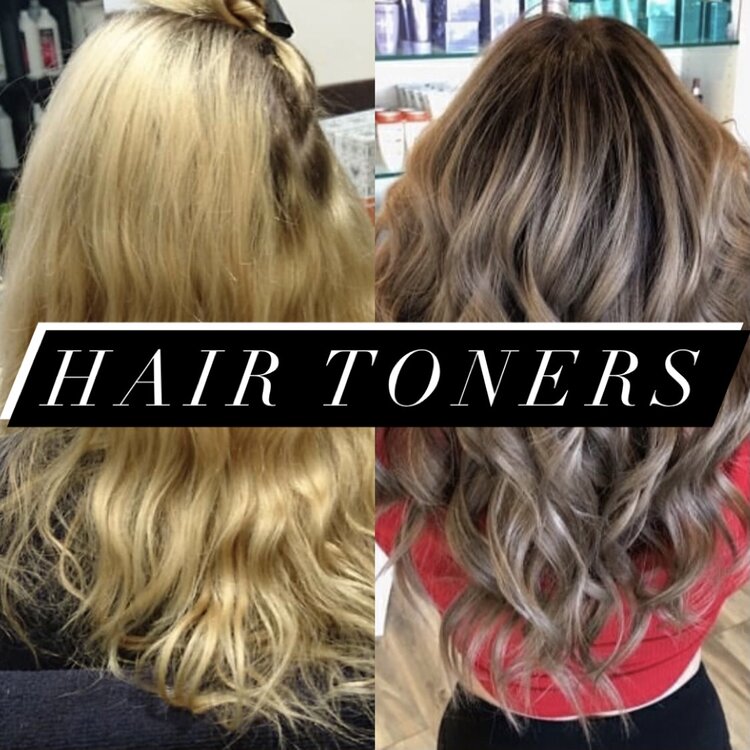
What does hair toner do to highlights? It transforms a raw chemical process into a finished luxury product. But more importantly, it serves as a vital economic tool for both the provider and the consumer.
For the individual, hair toner is a strategic expenditure that protects a large investment, reduces the frequency of salon visits, and prevents costly color corrections. It is a lesson in the importance of maintenance as a means of cost-saving.
For the salon business, the toner is a masterpiece of financial engineering. It offers high margins, low labor costs, and significant brand-building value. It is the component that ensures the client’s hair remains a walking advertisement for the salon’s expertise, driving referrals and ensuring the long-term financial health of the business. In the economy of beauty, the toner is not an optional extra—it is the key to financial and aesthetic sustainability.# What Does Hair Toner Do to Highlights? The Financial Logic Behind the Salon’s Highest ROI Service
In the landscape of personal maintenance and luxury grooming, hair highlights represent a significant capital expenditure. Whether it is a full balayage, traditional foil highlights, or a strategic face-frame, the initial investment often runs into hundreds of dollars. However, the true value of this investment—and its longevity—hinges on a single, often misunderstood component: the hair toner. From a financial perspective, hair toner is not merely a cosmetic add-on; it is an insurance policy and a primary revenue driver for the salon business.
Understanding what hair toner does to highlights requires a shift in perspective. Instead of viewing it through a purely aesthetic lens, we must examine the economic impact of the service. For the consumer, it is about maximizing the “cost-per-wear” of their hair color. For the salon owner, it is a high-margin service that optimizes chair time and increases the Lifetime Value (LTV) of a client.
Understanding the Cost-Benefit Analysis of Toning
When a stylist applies lightener to hair, they are essentially stripping away natural pigment to reach a specific “underlying pigment” level. This process is the most labor-intensive and chemically aggressive part of the service. However, the raw result of lightening is rarely the desired finished product. It is often brassy, yellow, or uneven. This is where the toner—technically a demi-permanent color—enters the financial equation.
Protecting the Initial Investment
The primary function of a toner is to neutralize unwanted tones and seal the hair cuticle. In financial terms, this is a form of asset protection. If a client spends $300 on highlights but skips the toner, the “market value” of that hair service drops immediately. The hair appears unfinished, and the structural integrity of the hair remains compromised because the cuticle is left open.
A toner acts as a sealant. By closing the cuticle, it locks in the moisture and the specific shade of blonde or brunette that the client paid for. This extends the duration between salon visits. For a consumer practicing smart personal finance, paying an additional $40 to $60 for a toner can extend the life of a $300 highlight job by four to six weeks. Without it, the “fading” process accelerates, leading to a higher frequency of expensive corrective appointments.
The Hidden Costs of Skipping the Toner
Choosing to forgo a toner is a classic example of being “penny wise and pound foolish.” When highlights are left untoned, they are susceptible to environmental oxidation at a much faster rate. UV rays, hard water minerals, and heat styling quickly turn raw bleached hair into a brassy orange or dull yellow.
The financial repercussion of this is the “Correction Tax.” Correcting oxidized, damaged hair is significantly more expensive than maintaining it. A color correction service typically bills at an hourly rate that can be double the cost of a standard highlight and tone. By integrating a toner into the initial service, the consumer mitigates the risk of a future $500 correction bill.
The Revenue Model: How Salons Price Toning Services
From a business finance perspective, the hair toner is one of the most profitable line items on a salon’s service menu. To understand why, one must look at the overhead costs versus the retail price of the service.
Add-on Strategies and Profit Margins
The cost of the physical product—the tube of demi-permanent color and the developer—is remarkably low, often ranging from $3 to $8 per application. However, the service is typically priced between $35 and $80 as an add-on. The application process is swift, usually taking less than ten minutes at the shampoo bowl, with a processing time of ten to twenty minutes.
Because the toner can be applied while the stylist is multitasking or while an assistant manages the client, the labor cost is minimal compared to the complexity of the highlights themselves. This creates a high-margin revenue stream. For a salon looking to increase its average ticket price, the toner is the most efficient tool available. It provides high perceived value to the client (the “finished” look) while requiring very little in terms of time or inventory expenditure.
Tiered Pricing and Value Perception
Many high-end salons have moved toward “all-inclusive” luxury pricing, where the toner is bundled into the highlight package. This is a strategic move in brand and financial positioning. By bundling the service, the salon removes the “choice” from the consumer, ensuring that every client leaves with a high-quality result that reflects well on the salon’s brand.
Financially, this allows the salon to set a higher baseline price. Instead of charging $200 for highlights and $50 for a toner, they charge $275 for a “Signature Dimensional Color” service. This $25 “hidden” increase covers the cost of higher-quality toners and treatments while increasing the overall profit per chair hour. It also reduces “decision fatigue” for the client, making the transaction feel more like a premium experience than a series of upsells.
Consumer Finance: Hair Maintenance as a Depreciation Hedge
In the world of personal finance, hair is a depreciating asset. From the moment you leave the salon, the color begins to fade and the “value” of the service diminishes. Toning is the most effective way to hedge against this depreciation.
Cost-per-Wear of Professional Color
The concept of “cost-per-wear” is usually applied to luxury handbags or tailored suits, but it is equally applicable to professional hair color. If a $350 highlight service lasts 10 weeks, the cost is $35 per week. If, by adding a $50 toner, that same service maintains its vibrancy and professional appearance for 14 weeks, the cost drops to approximately $28.50 per week.
Furthermore, “glossing” or “toning” appointments are often scheduled halfway between major highlight appointments. This “maintenance bridge” is a savvy financial move for the consumer. It allows them to maintain a high-end appearance for a fraction of the cost of a full service, effectively pushing back the need for the more expensive labor-intensive foils.
Professional Toning vs. DIY: A Risk Management Perspective
The rise of “at-home” toning products, such as purple shampoos or DIY glosses, has created a secondary market. While these are cheaper in the short term, they carry significant financial risk. At-home toners are often non-targeted; a purple shampoo may brighten the blonde but can also dull the natural brown lowlights, leading to a “muddy” appearance.
If a DIY toner goes wrong, the cost of the repair—often involving a “stripping” process and a re-toning by a professional—far exceeds the $50 a client would have spent at the salon. In financial terms, professional toning is a low-risk, high-reward expenditure, whereas DIY toning is a high-risk gamble with potentially high liabilities.
The Business of the “Glow Up”: Psychology and Spending
There is a psychological component to hair toning that impacts consumer spending habits. The “toner” is what provides the shine, the softness, and the specific “expensive” hue (such as “champagne blonde” or “mushroom brown”). This aesthetic result triggers a higher level of client satisfaction.
Enhancing Client Retention
In the salon industry, the cost of acquiring a new customer is significantly higher than the cost of retaining an existing one. A client who is satisfied with their highlights—because they were toned to perfection—is far more likely to return. The toner is the “finishing touch” that converts a one-time visitor into a long-term source of recurring revenue.
From a business analytics standpoint, the toner is the bridge to the next sale. It ensures the client feels the “premium” nature of the service, justifying the higher price point of professional salons over budget alternatives.

Market Trends and the Rise of “Liquid Hair”
Current market trends, such as the “Liquid Hair” or “Old Money” aesthetic, prioritize extreme shine and health over high-contrast color. These trends are toner-dependent. Salons that market “Glossing Services” as standalone treatments are tapping into a new demographic of consumers: those who may not want the chemical commitment of highlights but are willing to pay for the “wealthy” look of toned, shiny hair.
This expands the salon’s market reach. By positioning the toner as a “Glossing Treatment,” the business creates a mid-tier entry point for budget-conscious consumers who still want to participate in the luxury beauty market.
aViewFromTheCave is a participant in the Amazon Services LLC Associates Program, an affiliate advertising program designed to provide a means for sites to earn advertising fees by advertising and linking to Amazon.com. Amazon, the Amazon logo, AmazonSupply, and the AmazonSupply logo are trademarks of Amazon.com, Inc. or its affiliates. As an Amazon Associate we earn affiliate commissions from qualifying purchases.