
In the world of personal finance and business asset management, certain acronyms carry significant weight—literally and figuratively. One of the most critical, yet frequently misunderstood, terms in the automotive and logistics sector is GVWR. Standing for Gross Vehicle Weight Rating, this figure is far more than a technical specification found on a door jamb sticker. For the savvy investor, small business owner, or personal finance enthusiast, GVWR is a fundamental metric that dictates tax advantages, insurance premiums, and long-term operational costs.
Understanding GVWR is essential for anyone looking to optimize their vehicle-related expenditures. Whether you are purchasing a truck for a side hustle, managing a fleet for a growing corporation, or looking for a strategic tax deduction, the GVWR of your vehicle is the pivot point upon which your financial strategy turns.
1. The Financial Fundamentals of GVWR
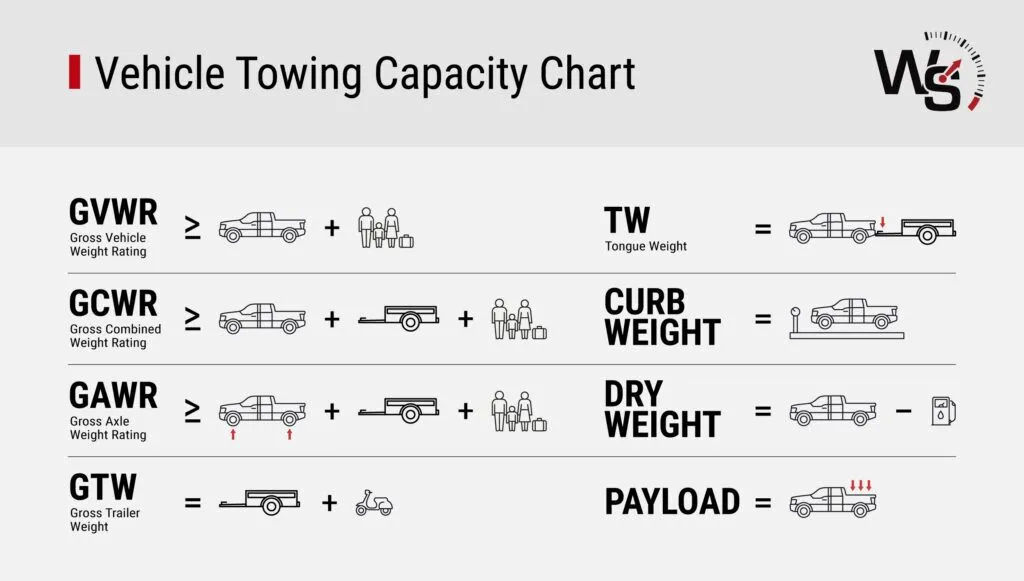
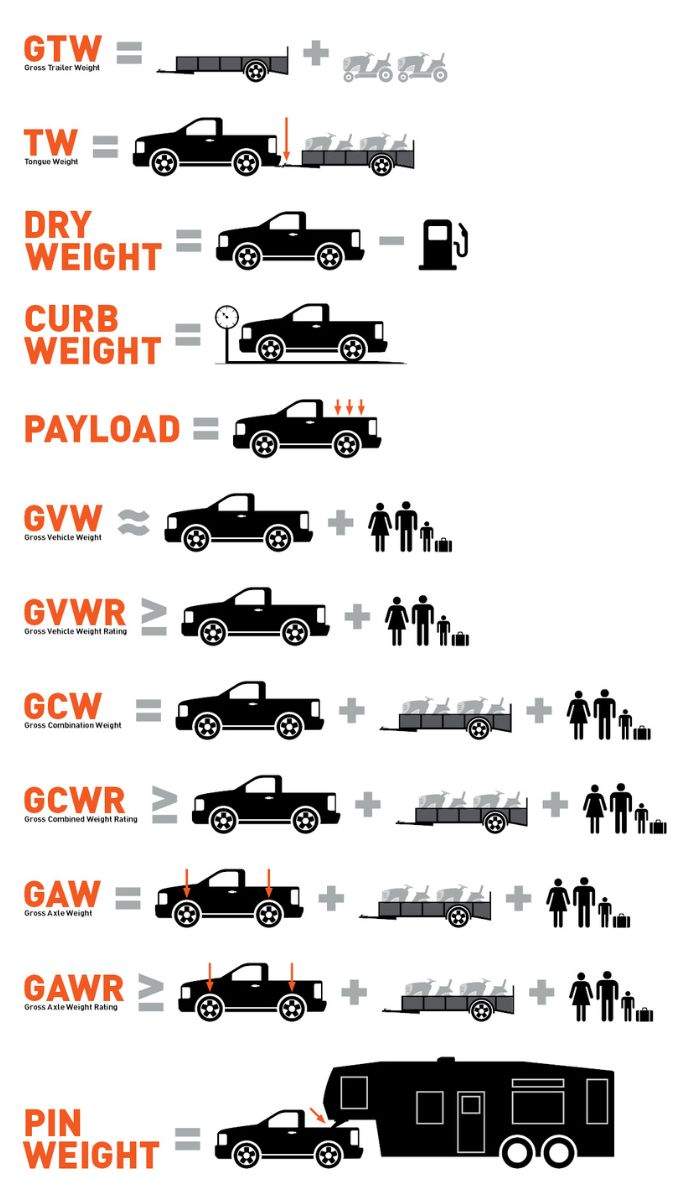
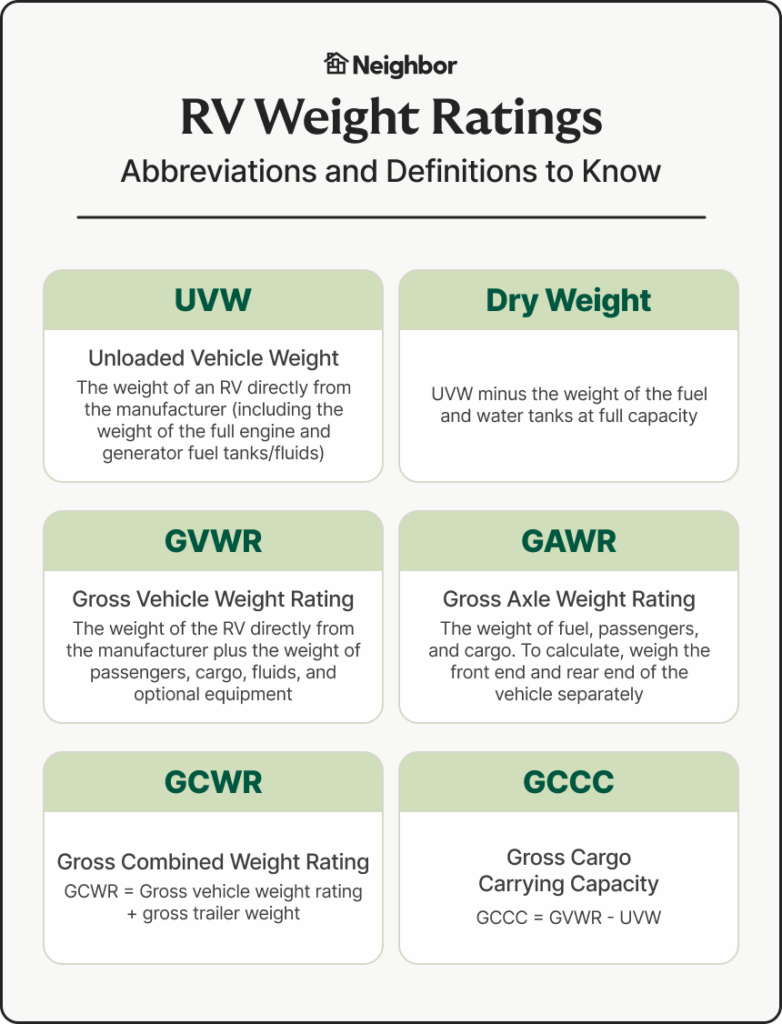
To manage money effectively in the realm of transportation, one must first master the mathematics of Gross Vehicle Weight Rating. GVWR is defined by the manufacturer as the maximum weight a vehicle is engineered to carry safely. This includes the weight of the vehicle itself (curb weight), plus the weight of passengers, fuel, accessories, and cargo.
The Equation of Asset Value
From a financial perspective, GVWR represents the “work capacity” of an asset. If you purchase a vehicle with a GVWR that is too low for your needs, you risk premature depreciation and mechanical failure, leading to a poor Return on Investment (ROI). Conversely, over-investing in a high-GVWR vehicle that remains underutilized results in wasted capital and higher-than-necessary fuel and maintenance expenses.
GVWR vs. GCWR: Distinguishing Your Liabilities
It is common for those new to business finance to confuse GVWR with GCWR (Gross Combination Weight Rating). While GVWR applies to the single vehicle, GCWR accounts for the vehicle and a trailer combined. In financial terms, confusing these two can lead to massive liability issues. If an owner-operator loads a vehicle beyond its GVWR—even if the total weight is under the GCWR—they face not only mechanical risks but also significant legal and insurance liabilities that can bankrupt a small business.
Impact on Resale and Depreciation
The GVWR of a vehicle directly influences its market liquidity and resale value. Vehicles that fall into specific “classes” based on their GVWR (such as Class 2 or Class 3 trucks) often have different depreciation curves. For instance, heavy-duty trucks with high GVWRs typically hold their value longer in the secondary commercial market, serving as a more stable store of value compared to light-duty passenger vehicles.
2. Tax Implications and Incentives: The Power of the 6,000-Pound Rule
In the United States, the relationship between GVWR and tax law is one of the most powerful tools in a business owner’s financial arsenal. Specifically, the Internal Revenue Service (IRS) uses GVWR to categorize vehicles for depreciation purposes, most notably under Section 179 of the tax code.
The Section 179 Deduction
Section 179 allows businesses to deduct the full purchase price of qualifying equipment—including vehicles—from their gross income in the year the equipment is put into service. However, the “magic number” for this deduction is a GVWR of 6,000 pounds. Vehicles with a GVWR between 6,001 and 14,000 pounds qualify for significant immediate write-offs that are not available to lighter passenger cars. This makes high-GVWR vehicles an attractive year-end investment for profitable businesses looking to reduce their tax liability.
Bonus Depreciation Strategies
Beyond Section 179, vehicles with high GVWRs often qualify for “Bonus Depreciation.” This financial lever allows businesses to accelerate the depreciation of a vehicle, providing immediate cash flow relief. For a consultant or a contractor, choosing a vehicle with a GVWR of 6,050 lbs instead of 5,900 lbs could mean the difference between deducting a small percentage of the cost versus deducting the entire purchase price in year one.
Avoiding “Luxury Auto” Limitations
The IRS imposes “luxury auto” limits on depreciation for vehicles used for business. However, many vehicles with a GVWR over 6,000 pounds are exempt from these restrictive caps. By understanding the GVWR of a potential purchase, an investor can bypass the “luxury” designation, even if the vehicle is high-end, provided it meets the weight and functional requirements. This is a classic example of how technical specifications directly inform sophisticated financial planning.
3. Operational Costs: How GVWR Affects Insurance and Registration
The financial impact of GVWR extends far beyond the point of purchase. It is a recurring factor in the annual budget of any vehicle owner, influencing fixed costs like insurance premiums and variable costs like registration fees.
Insurance Premiums and Risk Assessment
Actuaries at insurance companies use GVWR as a primary data point for assessing risk. A higher GVWR generally suggests a larger, heavier vehicle capable of causing more damage in an accident. Consequently, vehicles with higher weight ratings often command higher insurance premiums. For a business, moving from a “Light Duty” classification to a “Medium Duty” classification (usually at the 10,001 lb GVWR mark) can trigger a shift from personal/small business policies to more expensive commercial fleet insurance.
Registration Fees and Weight-Based Taxes
Many jurisdictions calculate registration fees based on the GVWR rather than the vehicle’s actual weight or market value. In some states, once a vehicle crosses a certain GVWR threshold, it is subject to additional “highway use” taxes or higher annual renewal fees. When calculating the Total Cost of Ownership (TCO), these incremental costs must be factored into the budget to ensure the vehicle remains a fiscally viable asset.
The Cost of Compliance and Fines
Operating a vehicle that exceeds its GVWR is a recipe for financial disaster. Department of Transportation (DOT) officers and local law enforcement use portable scales to check vehicle weights. If a vehicle is found to be over its GVWR, the fines can be exorbitant, often reaching thousands of dollars per offense. Furthermore, if an overloaded vehicle is involved in an accident, the owner may face “negligence per se” claims, potentially leading to legal settlements that far exceed insurance coverage limits.
4. The Commercial Impact: GVWR in Business Finance and Asset Management
For those involved in fleet management or corporate finance, GVWR is the baseline for determining the labor and licensing requirements of an operation, which are among the largest expenses on a profit and loss statement.
CDL Requirements and Labor Costs
The Federal Motor Carrier Safety Administration (FMCSA) generally requires a Commercial Driver’s License (CDL) for anyone operating a vehicle with a GVWR of 26,001 pounds or more. From a financial perspective, this is a massive threshold. Drivers with CDLs command higher salaries due to their specialized training and the high demand for their skills. By strategically managing a fleet to stay under the 26,001 lb GVWR limit where possible, a business can significantly reduce its labor costs and simplify its hiring process.
Maintenance and Lifecycle Management
GVWR also serves as a guide for maintenance budgeting. Vehicles with higher GVWRs are equipped with heavy-duty components—larger brakes, reinforced suspensions, and high-capacity cooling systems. While these parts are more durable, they are also more expensive to replace. A proactive financial manager will use the GVWR category of their fleet to forecast maintenance reserves. Heavy-duty assets require a larger capital “sinking fund” to cover the higher cost of parts and specialized labor.
GVWR and Financing Terms
When seeking a loan for a vehicle, the GVWR can influence the type of financing available. Lenders often distinguish between “consumer” auto loans and “commercial” equipment loans based on the weight rating. Commercial loans may offer different interest rates, longer terms, or “balloon” payment structures that can be advantageous for business cash flow. Understanding where your vehicle falls on the GVWR scale allows you to approach the right lenders and negotiate terms that align with your financial goals.
Conclusion: Weighing the Financial Value
In conclusion, “what does GVWR stand for” is a question that leads directly to the heart of automotive finance. While it stands for Gross Vehicle Weight Rating, for the investor and business owner, it stands for tax strategy, insurance management, and operational efficiency.
By paying close attention to this single metric, you can unlock thousands of dollars in tax savings through Section 179, avoid the pitfalls of high insurance premiums, and ensure that your vehicle remains a profitable asset rather than a mounting liability. Whether you are a solo entrepreneur or managing a multi-million dollar fleet, the GVWR is a vital component of your financial roadmap. Understanding the weight your vehicle can carry is the first step in understanding the weight it can pull in your financial portfolio.
aViewFromTheCave is a participant in the Amazon Services LLC Associates Program, an affiliate advertising program designed to provide a means for sites to earn advertising fees by advertising and linking to Amazon.com. Amazon, the Amazon logo, AmazonSupply, and the AmazonSupply logo are trademarks of Amazon.com, Inc. or its affiliates. As an Amazon Associate we earn affiliate commissions from qualifying purchases.