
In the hyper-competitive world of athletic footwear, a brand’s success is often dictated by its ability to communicate complex engineering through simple, memorable nomenclature. For Brooks Running, a company that has carved out a massive segment of the global running market, few acronyms carry as much weight as “GTS.” While the casual observer might view these three letters as a mere technical footnote, they represent a masterclass in brand strategy, product positioning, and consumer psychology.
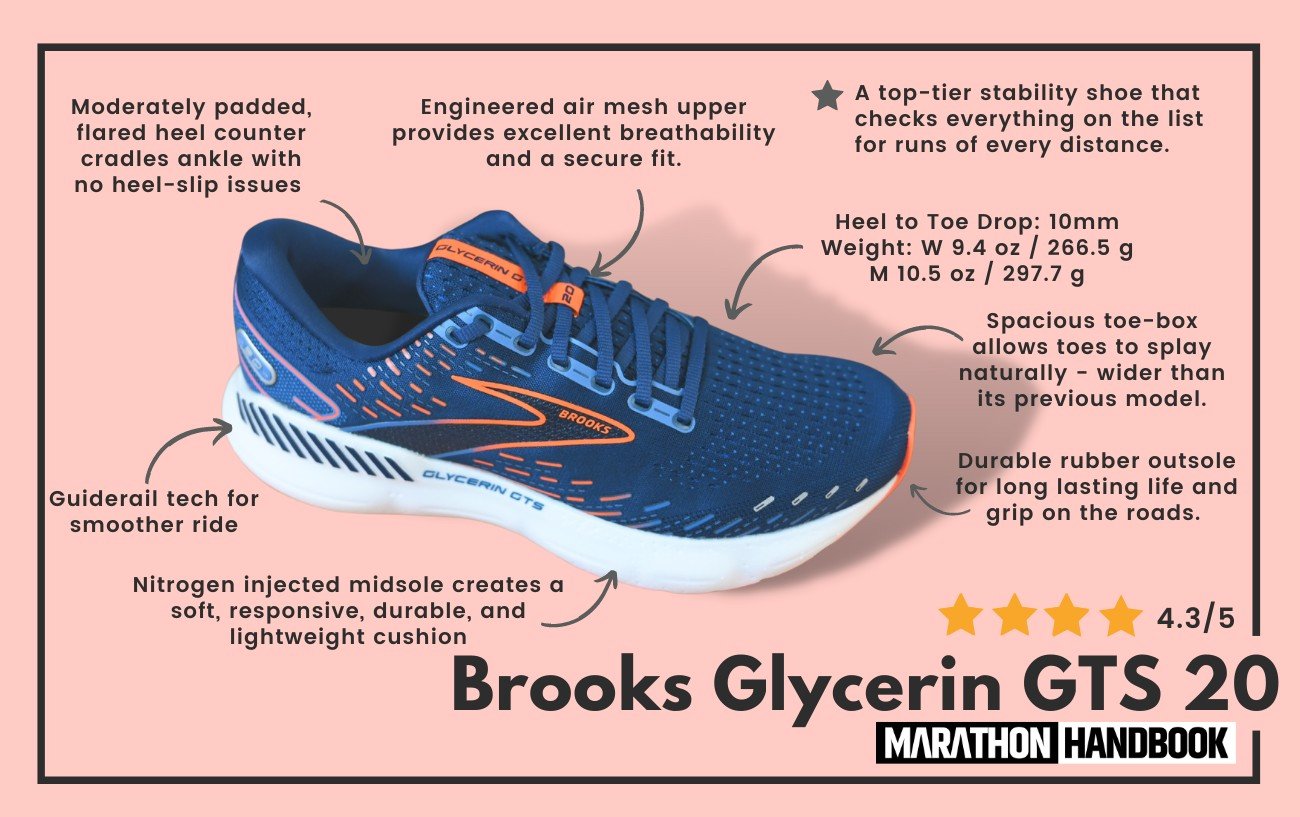
GTS stands for “Go-To Support.” Historically associated with the iconic Adrenaline model, the GTS designation has evolved from a specific shoe name into a cross-categorical brand identifier. This article explores how Brooks utilized the GTS moniker to redefine its corporate identity, streamline the customer experience, and maintain a dominant market share in the stability footwear category.
1. The Anatomy of a Brand Identifier: From Model to Standard
Product naming is rarely accidental. In the early days of performance running, shoe names were often a cryptic mix of numbers and vague descriptors. Brooks broke this trend by anchoring its stability category to a promise of reliability. By examining what GTS means in the context of Brooks’ brand architecture, we see a shift from descriptive labeling to emotive branding.
From Model Name to Technology Standard
For over twenty years, the “Adrenaline GTS” was the flagship of the Brooks stability line. However, as the brand matured, leadership recognized that the value of the “GTS” suffix was beginning to eclipse the “Adrenaline” name itself. In a bold strategic move, Brooks decoupled GTS from a single shoe and transformed it into a universal designation for support.
This transition allowed Brooks to apply the “Go-To Support” philosophy across multiple silos. Whether a runner preferred the neutral cushioning of the Ghost or the high-energy return of the Levitate, the addition of the GTS suffix immediately signaled a consistent support experience. This is a classic example of “ingredient branding” within a corporate portfolio, where a specific feature becomes a sub-brand that consumers trust regardless of the primary product.
The Psychology of “Go-To Support”
The choice of the words “Go-To Support” is a stroke of marketing brilliance. The phrase “Go-To” implies reliability, consistency, and a lack of friction. It positions the shoe as the reliable partner in a runner’s daily routine. In brand strategy, this is known as “positioning for utility.” Brooks isn’t just selling a shoe with a medial post or a guide rail; they are selling the “Go-To” solution for a common physical need. This language bypasses technical jargon—which can alienate novice runners—and speaks directly to the benefit of the product.
2. GTS as a Marketing Framework: Simplifying the Consumer Journey
One of the greatest challenges in the footwear industry is “choice paralysis.” When a customer enters a running store or browses an e-commerce site, they are often overwhelmed by dozens of models with varying levels of stack height, drop, and pronation control. Brooks used the GTS designation to simplify this journey, creating a dual-pathway system that enhances the user experience (UX) of the brand.
Simplifying the Consumer Journey
Brooks restructured its entire product line into two clear paths: Neutral and Support (GTS). By creating “GTS versions” of their most popular neutral shoes, they removed the guesswork from the buying process. A runner who loves the feel of the Brooks Ghost but needs extra stability doesn’t have to hunt for a completely different model; they simply look for the “Ghost GTS.”
From a brand strategy perspective, this creates a “Modular Brand Architecture.” It allows Brooks to scale their product offerings without diluting the identity of their core models. It also reinforces brand loyalty; once a customer identifies as a “GTS runner,” they are more likely to stay within the Brooks ecosystem because the brand has made it incredibly easy to find their perfect match.
Vertical Integration of Product Features
The GTS strategy also allows Brooks to vertically integrate their proprietary technologies under a single marketing umbrella. When a customer buys a GTS shoe, they aren’t just buying a name; they are buying the “GuideRails” holistic support system.
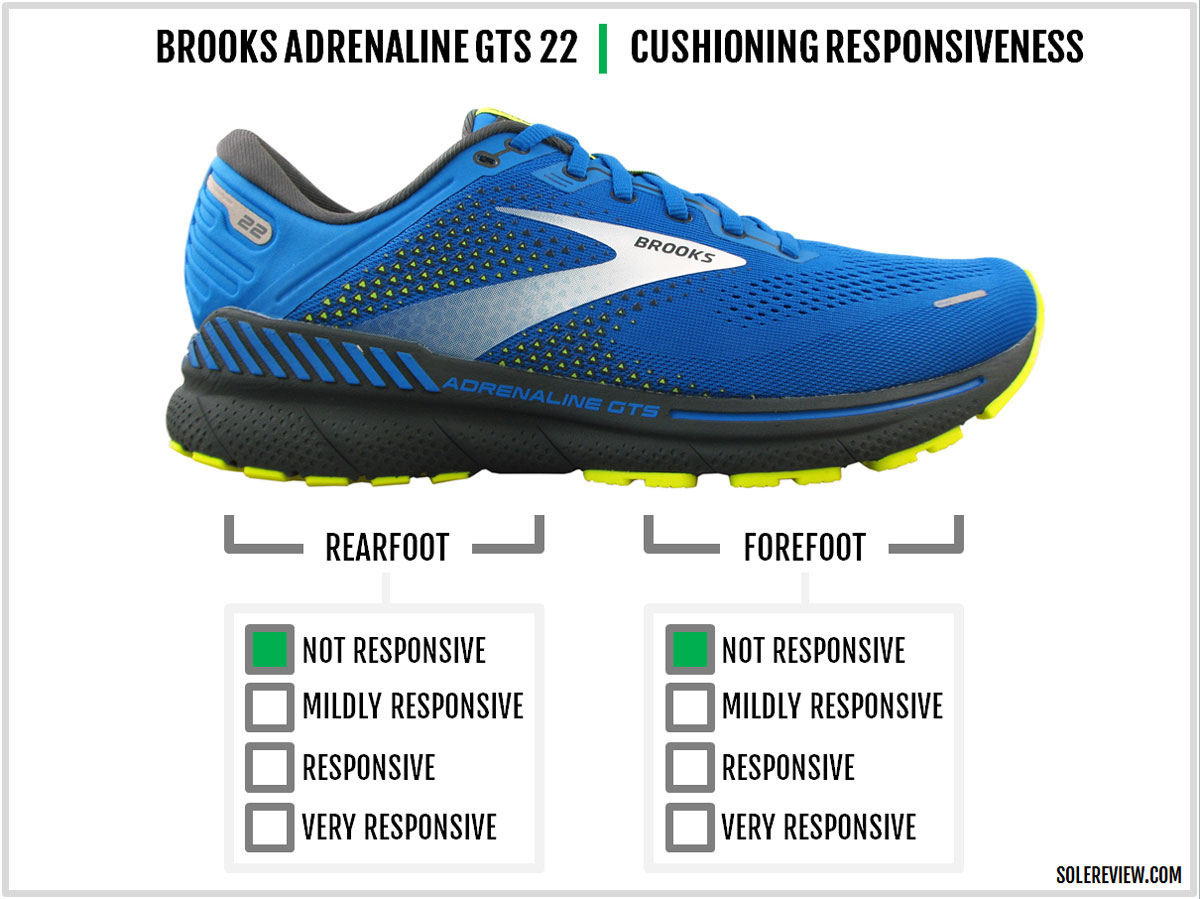
By tethering GuideRails technology to the GTS brand, Brooks ensures that their technical innovations are always associated with their brand identity. This prevents the technology from becoming a commodity. Instead of being “just another stability shoe,” the GTS line becomes the exclusive home of a specific, branded experience. This vertical integration strengthens the brand’s “moat,” making it harder for competitors to lure away customers who have grown accustomed to the GTS standard.
3. Competitive Positioning through Proprietary Tech Branding
In the global marketplace, Brooks competes with giants like Nike, Adidas, and ASICS. To survive and thrive, Brooks has pivoted away from being a “lifestyle” brand to being a “specialist” brand. The GTS designation is a critical component of this niche positioning, signaling to the running community that Brooks prioritizes biomechanical integrity over fleeting fashion trends.
Differentiation in a Crowded Athletic Market
While competitors often focus on “faster” or “lighter” as their primary marketing hooks, Brooks has doubled down on “supportive” and “reliable” via the GTS line. This differentiation is vital. In brand strategy, being the “leader” in a specific sub-category is often more profitable than being fifth in a broad category.
By owning the “Support” narrative through the GTS moniker, Brooks has become the default choice for the millions of runners who overpronate or require gait guidance. They have effectively “branded” a physiological need. When a physical therapist or a specialty run-shop employee recommends a “support shoe,” the name “GTS” is often the first that comes to mind—not because Brooks is the only company making stability shoes, but because they are the only ones who have branded the category so effectively.
Building Brand Equity via Consistency
Brand equity is built through the consistent delivery of a promise. The GTS line has maintained a remarkably consistent ride and feel for over two decades. In an industry where brands often “re-invent” their models every year—sometimes alienating their core fan base—Brooks’ commitment to the GTS standard has built immense trust.
This consistency is a powerful marketing tool. It reduces the “perceived risk” of a purchase. High-end running shoes are a significant investment, often costing between $140 and $160. By maintaining the GTS standard, Brooks ensures that a customer who bought a shoe in 2018 can walk into a store in 2024 and find a product that provides the same essential benefits. This longevity turns customers into lifelong brand advocates.
4. The Evolution of the GTS Identity: Future-Proofing the Portfolio
A brand that stands still eventually disappears. While the GTS name is rooted in tradition, Brooks has demonstrated an ability to evolve the “Go-To Support” meaning to align with modern scientific understanding of biomechanics. This adaptability is key to long-term corporate identity.
Adapting to Modern Biomechanics
The original GTS shoes relied on “medial posts”—hard pieces of plastic inside the midsole to stop the foot from rolling. As podiatric science evolved, the industry moved toward a more holistic view of the “knees-to-feet” relationship. Brooks responded by replacing medial posts with their “GuideRails” system, which acts like bowling alley bumpers to keep the runner in their natural motion path.
Crucially, Brooks did not change the GTS name when they changed the underlying technology. This was a strategic decision to maintain brand continuity. It signaled to the market that while the how of support had improved, the purpose (Go-To Support) remained the same. This allows the brand to innovate technically without losing the emotional and intellectual connection they have built with their customers.
Future-Proofing the Brooks Portfolio
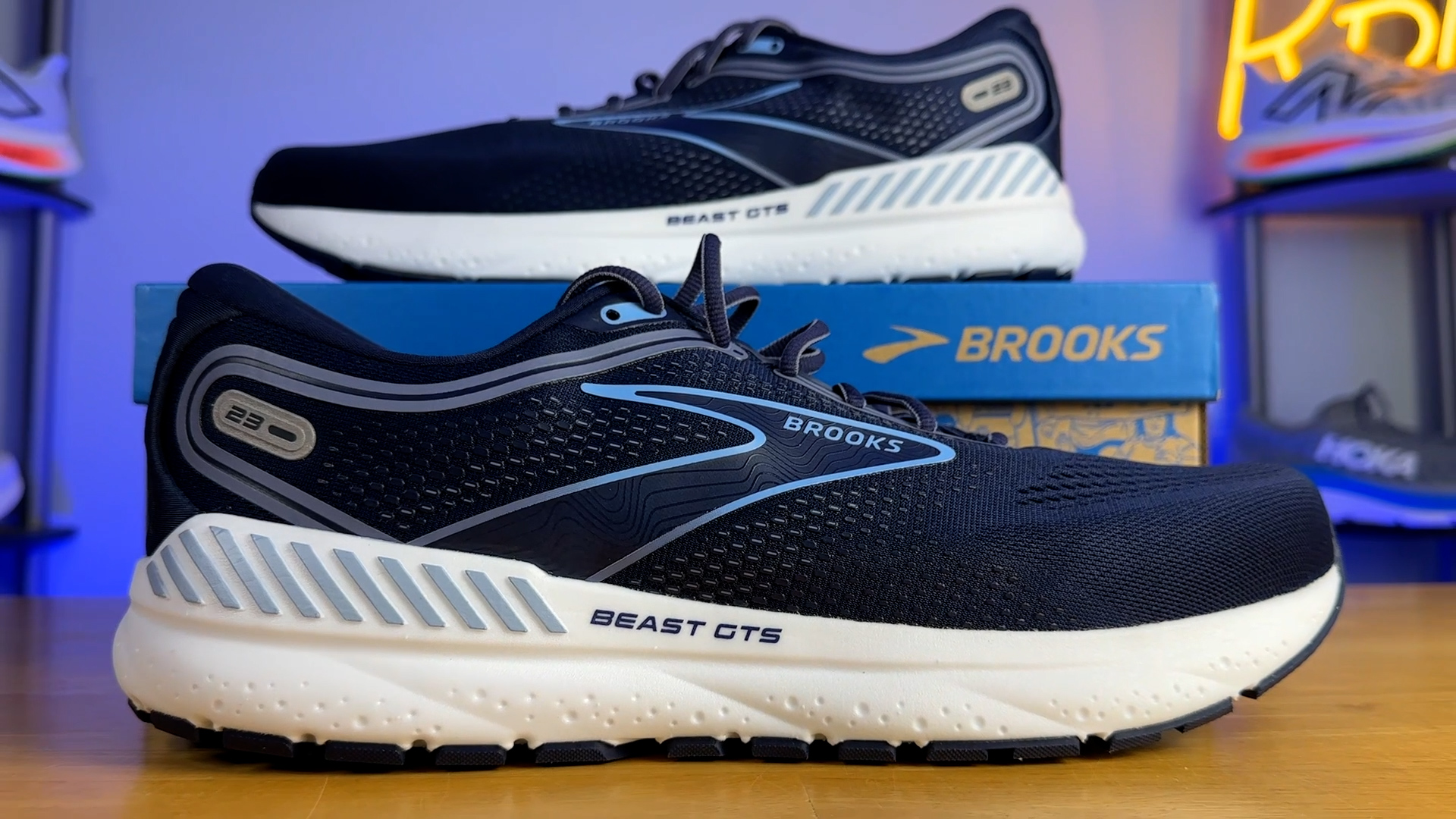
Looking forward, the GTS designation gives Brooks a framework for expansion. As they move into trail running, walking, or even elite racing shoes, the “GTS” suffix can be applied to any product to instantly communicate its stability profile. This “plug-and-play” branding allows for rapid product development and market entry.
By defining GTS not as a shoe, but as a category of experience, Brooks has created an evergreen brand asset. They have moved beyond selling rubber and foam; they are selling a standardized, trusted solution for the human body in motion.
In conclusion, the “GTS” in Brooks shoes is much more than an acronym for “Go-To Support.” It is a foundational pillar of the company’s brand strategy. It serves as a tool for consumer simplification, a shield against competition, and a bridge between traditional reliability and future innovation. For the modern business analyst or brand strategist, Brooks’ use of GTS offers a compelling case study in how to turn a technical feature into a global symbol of trust and performance.
aViewFromTheCave is a participant in the Amazon Services LLC Associates Program, an affiliate advertising program designed to provide a means for sites to earn advertising fees by advertising and linking to Amazon.com. Amazon, the Amazon logo, AmazonSupply, and the AmazonSupply logo are trademarks of Amazon.com, Inc. or its affiliates. As an Amazon Associate we earn affiliate commissions from qualifying purchases.