
The acronym “GTR” sparks immediate recognition for many, often conjuring images of raw power, precision engineering, and a legendary automotive heritage. For decades, the Nissan GT-R has stood as an undisputed titan in the world of high-performance sports cars, earning its “Godzilla” moniker by consistently challenging and often outperforming rivals far more expensive. But does “GTR” merely denote a specific car, or has its essence evolved into a broader metaphor for peak performance, innovation, and strategic excellence across diverse fields?
This article delves into the multifaceted meaning of GTR. We’ll begin by anchoring ourselves in its most famous incarnation – the automotive legend – and then extrapolate the core principles it embodies. From there, we will explore how the “GTR ethos” of relentless improvement, cutting-edge technology, and strategic branding applies directly to the dynamic worlds of technology, corporate and personal branding, and even personal finance. Join us as we unpack how the pursuit of “GTR-level” performance transcends the asphalt and permeates our digital lives, professional identities, and financial strategies.
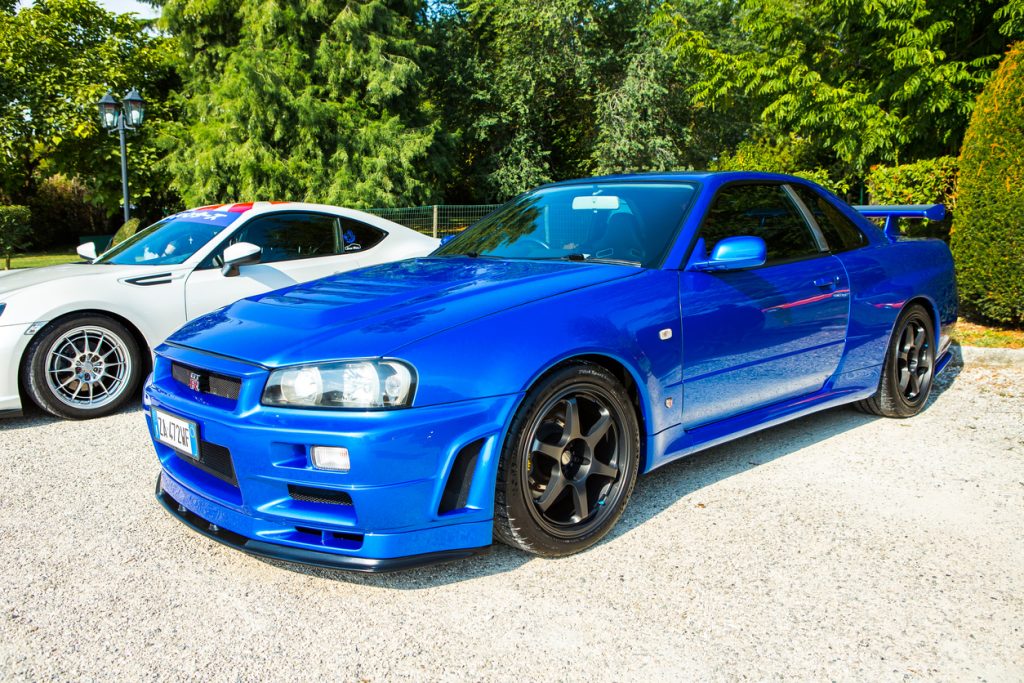
The Automotive Legend: GTR’s Roots in High-Performance Engineering
To truly understand what GTR means, we must first pay homage to its origins: a name synonymous with pushing the boundaries of what’s possible on four wheels. The Nissan GT-R is not just a car; it’s a statement, a philosophy, and a benchmark for automotive engineering.
The Nissan GT-R: A Legacy Forged on the Track
The story of the GTR begins with the “Skyline” nameplate in the 1960s, but it was in the late 1980s and early 1990s that the R32, R33, and R34 generations of the Skyline GT-R truly cemented its reputation. Nicknamed “Godzilla” by the Australian motoring press for its monstrous performance, the Skyline GT-R dominated motorsport, particularly in Group A racing. It featured advanced all-wheel-drive systems, twin-turbocharged inline-six engines, and sophisticated suspension setups that were years ahead of their time. This era established the GT-R’s core identity: a technologically advanced, all-conquering machine capable of humbling more exotic and expensive machinery.
When Nissan decided to drop the “Skyline” designation for the R35 generation, simply calling it the Nissan GT-R, it signaled a new era. Launched in 2007, the R35 GT-R continued the legacy with an unprecedented focus on accessible supercar performance. Its heart, a hand-built 3.8-liter twin-turbo V6 engine, produced staggering horsepower figures, channeled through an intelligent all-wheel-drive system (ATTESA E-TS) and a dual-clutch transmission. Every aspect of the car, from its aerodynamic bodywork to its advanced suspension and chassis control systems, was engineered for maximum performance, not just on a straight line, but equally on the most demanding race tracks in the world. This relentless pursuit of engineering excellence, paired with continuous iterative improvements over its long production run, solidified the GT-R’s status as a technological marvel and a benchmark for what performance cars could achieve.
Beyond the Asphalt: The “GTR Ethos” of Excellence
The automotive GT-R embodies a set of principles that resonate far beyond the world of cars. It represents a dedication to:
- Relentless Innovation: Constantly seeking to improve, to integrate new technologies, and to refine existing systems. The GT-R has always been at the forefront of automotive tech.
- Peak Performance: Not just good, but exceptional. Striving for the absolute best possible outcome, whether measured in lap times, computational speed, or financial returns.
- Strategic Advantage: Utilizing unique combinations of technology and design to outperform competitors, often against greater odds. The GT-R’s ability to challenge supercars costing double or triple its price is legendary.
- Strong Identity & Reputation: Building a brand that is instantly recognizable and respected for its capabilities and heritage. The GT-R’s “Godzilla” reputation is a testament to this.
It is this “GTR ethos”—this spirit of unparalleled excellence and strategic innovation—that allows us to apply the concept of GTR to other domains, from the digital landscape to personal and corporate strategy.
GTR in the Digital Age: Where Performance Meets Technology
In an era defined by rapid technological advancement, the principles that make a car a “GTR” find powerful parallels in our digital tools, systems, and innovations. From the speed of our processors to the efficiency of our software, the pursuit of “GTR-level” performance is a constant driver in the tech world.
High-Performance Tech: The GTR of Gadgets and Software
Just as the Nissan GT-R pushes the limits of automotive engineering, there are “GTRs” in every corner of the technology landscape. These are the devices, applications, and platforms that represent the pinnacle of performance, efficiency, and innovative design. Think of flagship smartphones that boast the fastest processors, most advanced camera systems, and seamless user interfaces, setting new benchmarks for mobile computing. Consider high-end gaming PCs or workstations equipped with state-of-the-art GPUs, vast amounts of RAM, and blazing-fast SSDs, enabling users to tackle the most demanding tasks with unparalleled speed and responsiveness.
The “GTR” metaphor extends to software and AI tools as well. We seek out productivity apps that are meticulously optimized for speed, intuitive design, and powerful features, transforming how we work and interact with information. AI tools like advanced language models or sophisticated data analytics platforms are continually refined to offer quicker processing, more accurate results, and deeper insights, becoming the “GTRs” of cognitive automation. When we review gadgets or software, we often unknowingly apply GTR criteria: how fast is it? How efficient? How innovative are its features? Does it offer a strategic advantage over its competitors? Users demand tech that performs reliably under pressure, much like a GT-R on a racetrack, capable of delivering consistent excellence. The continuous evolution of these technologies, driven by fierce competition and consumer demand for superior performance, mirrors the iterative improvements seen in the GT-R over its various generations.
Driving Innovation: GTR Principles in Digital Security and Productivity
Beyond raw speed and power, the “GTR ethos” of excellence also manifests in critical areas like digital security and personal productivity. A high-performance machine isn’t just about going fast; it’s about doing so securely and efficiently.
In digital security, applying “GTR principles” means developing and deploying robust, multi-layered defenses that are proactive and resilient. Just as a GT-R incorporates advanced safety features and structural integrity to protect its occupants, GTR-level digital security involves cutting-edge encryption, AI-driven threat detection, and continuous vulnerability assessments to safeguard data and privacy. It’s about staying ahead of evolving threats, constantly innovating security protocols, and ensuring that our digital infrastructure is as impenetrable and reliable as possible. This requires an understanding of technology trends and an investment in the tools and knowledge to implement advanced digital security measures.
For productivity, the GTR mindset translates into optimizing workflows and leveraging smart tools to achieve maximum output with minimal effort. This isn’t just about using a to-do list app; it’s about crafting a digital environment where every tool, app, and system works in harmony to amplify efficiency. GTR-level productivity involves mastering complex software through tutorials, integrating AI tools to automate repetitive tasks, and implementing smart habits that ensure focus and momentum. It’s about recognizing bottlenecks and strategically deploying technology to overcome them, allowing individuals and teams to perform at their absolute best, much like a finely tuned GT-R delivers its power to the road with minimal loss. The goal is to move beyond merely “getting things done” to achieving “high-performance productivity” that consistently delivers exceptional results.
The GTR Brand: Crafting Identity, Reputation, and Market Impact

The Nissan GT-R isn’t just a feat of engineering; it’s a triumph of brand strategy. Its legendary status and fervent following are testaments to how effectively its identity, reputation, and marketing have been cultivated. These lessons are invaluable for anyone looking to build a powerful brand, whether for a corporation or an individual.
Building an Iconic Brand: Lessons from the GT-R’s Marketing Playbook
The GT-R’s journey from a niche Japanese performance car to a global icon is a masterclass in brand strategy. Nissan didn’t just sell a fast car; they sold a story, an underdog spirit, and a legacy of performance that defied convention. Their brand strategy positioned the GT-R not as a direct competitor to European supercars on price or luxury, but as a more technologically advanced, brutally effective alternative – the “giant killer.” This strategic differentiation was key. Its corporate identity was meticulously crafted to reflect this: aggressive yet functional design, an emphasis on engineering prowess over opulent interiors, and a distinct lack of pretension that resonated with enthusiasts who valued substance over show.
Marketing played a crucial role. Nissan embraced the “Godzilla” moniker, turning a nickname into a powerful narrative. They focused on concrete performance metrics – Nürburgring lap times became a central pillar of their messaging, showcasing verifiable, track-proven capabilities. This built a reputation based on facts and achievements, rather than just subjective appeal. The GT-R’s marketing fostered a sense of exclusivity and aspiration, despite its comparatively lower price point, by highlighting its advanced technology and the meticulous, almost artisanal, process of its hand-built engines. This consistency in messaging, paired with undeniable performance, cultivated a deeply loyal fan base and solidified its legendary status, making the GT-R an exceptional case study in how to build a powerful and enduring brand.
Personal Branding with GTR Principles: Accelerating Your Professional Identity
The principles that built the GT-R’s iconic brand can be powerfully applied to personal branding. Just as the GT-R carved out a unique space in the automotive world, individuals can leverage these strategies to accelerate their professional identity and stand out in competitive fields.
Firstly, defining your “performance niche” is crucial. What are your unique skills, your areas of expertise where you consistently deliver “GTR-level” results? This is akin to the GT-R’s distinct engineering advantage. Once identified, consistently showcase your capabilities through your work, online presence, and professional interactions. Your LinkedIn profile, personal website, and portfolio become your “spec sheet,” detailing your achievements and demonstrating your “performance metrics.”
Secondly, cultivate a strong and consistent personal corporate identity. This means having a clear, authentic message about who you are, what you offer, and what you stand for. Your professional reputation is built on consistency and reliability, much like the GT-R’s reputation for dependable performance. Engage in strategic marketing of your personal brand through networking, thought leadership, and contributing valuable insights in your field. This proactive approach helps to build recognition and respect.
Finally, foster a “GTR” level reputation for excellence and innovation. Be known as someone who pushes boundaries, learns continuously, and delivers exceptional value. This requires a commitment to ongoing self-improvement, embracing new technologies and skills, and actively seeking feedback to refine your “personal performance.” By applying the GT-R’s strategic approach to differentiation, performance-based marketing, and consistent identity, individuals can forge a powerful personal brand that resonates with employers, clients, and collaborators, positioning themselves as high-value assets in their respective industries.
The Financial GTR: Investing in Performance and Value
Just as GTR embodies peak performance in engineering and branding, its spirit extends into the realm of finance. Here, “GTR” signifies not just a tangible asset, but a strategic approach to managing money, investing for growth, and building financial resilience.
The GT-R as a Financial Asset: More Than Just a Car
For enthusiasts, owning a Nissan GT-R is often a dream, but it’s also a significant financial commitment. The initial purchase price is substantial, but it’s only the beginning. Like any high-performance vehicle, GT-Rs incur considerable costs for insurance, maintenance (especially specialized components), and fuel. Understanding depreciation is crucial; while many mass-produced cars rapidly lose value, certain limited-production or iconic models, including specific GT-R generations (particularly older Skylines and special editions of the R35), can defy typical depreciation curves and even appreciate, transforming from a mere expense into a potential investment.
This makes the GT-R an interesting case study in personal finance. For some, it’s a passion purchase; for others, a calculated risk. Factors like rarity, historical significance, and market demand dictate whether a GT-R holds or gains value. This necessitates a strategic view: balancing the emotional desire for ownership with a pragmatic assessment of its long-term financial implications. Evaluating a GT-R as a financial asset involves understanding its unique market dynamics, comparing its potential returns against other investments, and factoring in the true “cost of ownership” versus its “value” as both a usable car and a collectible item. It highlights how even passion-driven purchases can be approached with a “GTR-level” financial strategy.
High-Performance Finance: Applying GTR Strategy to Your Money
The “GTR ethos” of maximizing performance and achieving strategic advantage applies powerfully to personal and business finance. It’s about being proactive, innovative, and disciplined in your approach to wealth creation and management.
In investing, a “GTR-level” strategy involves seeking out high-performance assets that align with your risk tolerance and financial goals. This could mean investing in growth stocks of innovative companies, exploring alternative investments, or strategically diversifying your portfolio to maximize returns. It’s about continuously researching technology trends, understanding market dynamics, and leveraging financial tools and insights to make informed decisions, much like engineers fine-tune a GT-R for optimal track performance. It’s not about reckless speculation, but intelligent, data-driven investing for long-term “financial performance.”
For online income and side hustles, applying GTR principles means identifying scalable, high-yield opportunities. This involves leveraging digital skills, understanding market demand, and using technology to automate processes and reach wider audiences. Think about creating digital products, offering specialized consulting, or building platforms that generate passive income – these are the “high-performance engines” of modern online entrepreneurship. It’s about building side hustles that are not just profitable but also strategically positioned for growth, reflecting the GT-R’s ability to deliver exceptional performance relative to its input.
Furthermore, financial tools are the sophisticated “software” of your personal finance strategy. Utilizing advanced budgeting apps, AI-driven investment advisors, or robust financial planning software allows you to track, analyze, and optimize your financial health with precision. These tools provide the data and insights necessary to make “GTR-level” financial decisions, ensuring every dollar is working efficiently towards your goals. For business finance, the GTR strategy extends to prioritizing investments in R&D, innovation, and scalable infrastructure, ensuring the business itself is a “high-performance machine” capable of sustained growth and market leadership. Ultimately, GTR in finance is about striving for optimal financial outcomes through smart, strategic, and continuously optimized financial practices.

Conclusion
The question “What does GTR mean?” unveils a surprisingly rich and expansive answer. While its most immediate association remains the legendary Nissan GT-R – a symbol of automotive innovation, relentless performance, and a powerful brand identity – the true essence of GTR extends far beyond the racetrack.
We’ve seen how the “GTR ethos” of peak performance, strategic innovation, and a strong, reputable identity translates seamlessly into various aspects of our modern lives. In the realm of technology, it represents our pursuit of cutting-edge gadgets, highly efficient software, robust digital security, and supercharged productivity tools. In branding, it offers invaluable lessons for crafting iconic corporate identities and building compelling personal brands that resonate and inspire trust. And in finance, GTR symbolizes a strategic approach to investing, identifying high-yield income streams, and utilizing advanced tools to optimize our financial performance.
Ultimately, “GTR” is more than an acronym; it’s a philosophy. It embodies the relentless pursuit of excellence, the courage to challenge established norms, and the strategic foresight to leverage innovation for superior outcomes. Whether you’re configuring a high-performance PC, refining your personal brand, or strategizing your next investment, embracing the “GTR spirit” means striving for the extraordinary, pushing boundaries, and consistently delivering at the highest level. It’s about being the best in class, whatever your chosen field.
aViewFromTheCave is a participant in the Amazon Services LLC Associates Program, an affiliate advertising program designed to provide a means for sites to earn advertising fees by advertising and linking to Amazon.com. Amazon, the Amazon logo, AmazonSupply, and the AmazonSupply logo are trademarks of Amazon.com, Inc. or its affiliates. As an Amazon Associate we earn affiliate commissions from qualifying purchases.