
In the world of brand building, the tactile experience is often just as important as the visual identity. While a logo or a color palette communicates a brand’s personality from a distance, the physical touch of a product—especially in the fashion, lifestyle, and corporate merchandise sectors—solidifies that brand promise. At the center of this physical experience lies a critical technical specification: GSM.
GSM, or Grams per Square Meter, is the metric used to measure the weight and density of fabric. For a brand strategist or a business owner, GSM is far more than a textile industry term; it is a tool for positioning, a benchmark for quality, and a silent ambassador for the brand’s values. Understanding what GSM means for fabric is essential for anyone looking to build a brand that resonates through quality and consistency.
Decoding GSM: The Technical Foundation of Brand Quality
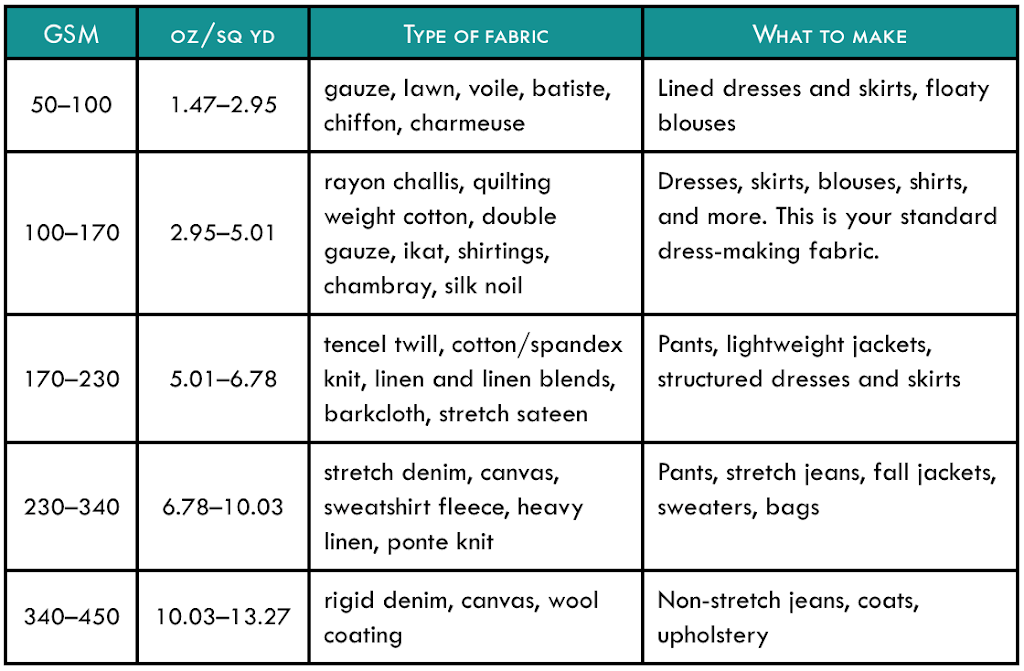
To leverage GSM in a brand strategy, one must first understand the mechanics of the measurement. GSM refers to the metric weight of a square meter of fabric. The higher the GSM, the heavier and usually denser the fabric is. Conversely, a lower GSM indicates a lighter, thinner material.
What is GSM and How is it Measured?
Technically, GSM is calculated by weighing a specific swatch of fabric and extrapolating that weight to a full square meter. This measurement provides a standardized way for brands to communicate with manufacturers and for consumers to understand what they are purchasing. In the apparel industry, GSM typically falls into three categories: lightweight (under 150 GSM), medium-weight (150–250 GSM), and heavyweight (over 250 GSM).
For a brand, these numbers are not arbitrary. They dictate the drape, opacity, and durability of a garment. A brand that prides itself on “ethereal, summer-ready linen” will operate in a vastly different GSM range than a brand marketing “indestructible streetwear hoodies.”
Why Weight Equals Worth in Consumer Psychology
In the realm of personal branding and corporate identity, human psychology plays a significant role. Subconsciously, consumers often equate weight with value. This is known as “haptic perception.” When a customer picks up a t-shirt that feels substantial and heavy, they often perceive it as being of higher quality, more durable, and more “luxury” than a thin, flimsy alternative.
By strategically choosing fabrics with a higher GSM, a brand can justify a premium price point and reinforce a high-end corporate identity. However, “heavier” is not always “better.” The key to brand strategy is matching the GSM to the brand’s specific promise—whether that is performance, luxury, or accessibility.
Strategic Selection: Matching GSM to Brand Positioning
A brand’s choice of GSM must be a deliberate reflection of its market positioning. If there is a disconnect between the brand’s marketing message and the physical weight of its products, consumer trust can erode quickly.
Luxury vs. Fast Fashion: The Gram Gap
In the luxury sector, heavy-duty fabrics are often the gold standard. High-end streetwear brands, for instance, have popularized the “heavyweight tee,” often exceeding 280 or even 300 GSM. This choice communicates a sense of permanence and architectural structure that cheap, fast-fashion alternatives (which often hover around 120–140 GSM) cannot replicate.
For a luxury brand, selecting a high GSM fabric is a strategic move to distance itself from the “disposable” nature of fast fashion. It signals that the garment is an investment piece, designed to hold its shape through years of wear and washing. On the other hand, a brand focused on affordability and high-volume sales might opt for a lower GSM to maintain lower price points and a lighter feel, which is often preferred in warmer climates.
Seasonality and Functional Branding
A well-rounded brand strategy also considers how GSM interacts with functionality. An athletic brand, for example, might utilize low GSM synthetic blends to ensure breathability and moisture-wicking capabilities. In this context, a “lightweight” feel is a brand virtue, signaling innovation and performance rather than low quality.
Brands must curate their GSM selections based on the season. A brand identity built on “year-round comfort” will likely utilize medium-weight fabrics (180–220 GSM) that offer enough substance for cooler months while remaining breathable enough for the summer. By maintaining a consistent “hand-feel” across collections, a brand creates a sensory signature that customers come to recognize and trust.

Building Trust Through Consistency and Transparency
In an era where consumers are increasingly skeptical of marketing claims, technical transparency has become a powerful tool for building brand equity. Many modern D2C (Direct-to-Consumer) brands are now explicitly listing the GSM of their products in their descriptions, treating it as a badge of honor.
Standardizing Quality for Global Supply Chains
For a corporate brand, maintaining consistency across a global supply chain is one of the greatest challenges. If a company orders branded apparel for its employees, the GSM must be standardized to ensure that the corporate identity remains uniform. A “premium” brand image is instantly damaged if one batch of shirts is thick and professional while the next is thin and translucent.
Specifying GSM in manufacturing contracts is a safeguard for brand integrity. It ensures that the “tangible” part of the brand remains constant, regardless of which factory is producing the goods. This level of detail in brand operations prevents the dilution of quality that often plagues growing companies.
Educating the Customer: Transparency as a Marketing Tool
When a brand explains why they chose a specific GSM, they move from being a mere vendor to being an authority in their space. For example, a brand might market a “250 GSM Organic Cotton Tee” and explain that this weight was chosen specifically to prevent “show-through” and to provide a structured silhouette.
This educational approach builds a deeper connection with the audience. It shows that the brand is thoughtful, detail-oriented, and committed to providing value. In the world of personal branding, this type of transparency can set a creator’s merchandise apart from generic “influencer merch,” positioning it as a legitimate fashion endeavor.
The Future of Branding: Sustainable Materials and GSM Innovation
As brand strategy shifts toward sustainability, the conversation around GSM is evolving. The challenge for modern brands is to maintain a high-quality feel while reducing the environmental footprint of their textile choices.
Lightweighting for Eco-Conscious Branding
In the logistics and shipping side of brand management, GSM has a direct impact on the carbon footprint. Heavier fabrics require more energy to produce and more fuel to transport. Some eco-conscious brands are now exploring “lightweighting”—using advanced weaving techniques to create fabrics that have a low GSM but retain the durability and opacity of heavier materials.
By branding these innovations as “high-tech” or “future-proof,” companies can align their material choices with a progressive, environmentally-conscious corporate identity. Here, a lower GSM is not a sign of cost-cutting, but a sign of sophisticated engineering and ethical responsibility.
Durability as a Brand Value
Conversely, the “Slow Fashion” movement uses high GSM as a pillar of sustainability. The logic is simple: a heavier fabric is often more durable, leading to a longer product lifecycle and less waste. Brands that adopt this philosophy use GSM to reinforce their commitment to “buying less, but better.”
This strategy appeals to a growing demographic of consumers who view their purchases as a reflection of their personal values. By marketing a “300 GSM workwear jacket,” a brand is selling the idea of longevity. This builds a brand identity centered on reliability and timelessness, rather than fleeting trends.

Conclusion: GSM as a Silent Ambassador
In conclusion, “what GSM means for fabric” is a question that every brand strategist must be able to answer. It is the metric that bridges the gap between a digital brand image and a physical product reality. Whether a brand aims for the airy lightness of a high-performance athletic line or the heavy, structured luxury of a premium streetwear house, GSM is the tool that makes that vision tangible.
By mastering the nuances of fabric weight, brands can control the narrative of their quality, justify their pricing, and build a consistent identity that resonates with the senses. In the end, a brand is not just what people see on a screen; it is the weight of the fabric in their hands and the comfort it provides in their daily lives. GSM is the silent language through which quality is spoken, and for any brand looking to make a lasting impression, it is a language well worth learning.
aViewFromTheCave is a participant in the Amazon Services LLC Associates Program, an affiliate advertising program designed to provide a means for sites to earn advertising fees by advertising and linking to Amazon.com. Amazon, the Amazon logo, AmazonSupply, and the AmazonSupply logo are trademarks of Amazon.com, Inc. or its affiliates. As an Amazon Associate we earn affiliate commissions from qualifying purchases.