
The acronym “GOP” is ubiquitous in American political discourse. It’s a shorthand, a rallying cry, and a descriptor that evokes a specific set of political ideologies and historical trajectories. While many Americans understand its general association with one of the two major political parties, a deeper understanding of what “GOP” truly stands for – both historically and in contemporary political branding – offers crucial insights into the evolution of American conservatism and its enduring influence. This exploration will delve into the origins of the term, its transformation into a potent brand, and its implications within the broader landscape of political identity and communication.
The Genesis of an Acronym: From Nickname to Political Powerhouse
The term “GOP” is not an official, self-declared moniker of the political party it represents. Instead, it emerged organically from a popular nickname that, over time, became ingrained in the political lexicon. Understanding this origin story is fundamental to appreciating the enduring appeal and branding power of the “GOP.”
The “Grand Old Party”: A 19th-Century Affectionate Moniker
The Republican Party, officially founded in 1854, was a coalition of anti-slavery activists, Free Soilers, and disgruntled Whigs. From its nascent stages, the party quickly gained traction and experienced significant electoral success, particularly with the election of Abraham Lincoln in 1860. It was during this period of ascendancy, characterized by its role in preserving the Union and abolishing slavery, that the party garnered considerable public admiration.
It was in 1870 that the nickname “Grand Old Party” first appeared in print, attributed to a newspaper editorial in Wisconsin. The phrase, “Let us give the Grand Old Party a victory,” reflected a sentiment of pride and affection for the party that had achieved monumental historical feats. The term “Grand” alluded to its significant contributions and its stature in national politics, while “Old” signified its established presence and the deep roots it had already begun to cultivate across the nation. The “Party”, of course, referred to its organizational structure and political endeavors.
This affectionate nickname resonated with party loyalists and the public alike. Its alliterative quality and positive connotations made it memorable and easily adaptable. Unlike more neutral or descriptive labels, “Grand Old Party” carried an inherent sense of tradition, strength, and historical significance. This was a crucial element that would later be leveraged in the party’s branding efforts.
Solidifying the Identity: The GOP’s Rise to Dominance
Following the Civil War, the Republican Party remained a dominant force in American politics for decades. Its platform, which initially focused on Reconstruction, industrial development, and protective tariffs, appealed to a broad spectrum of the electorate. The “GOP” label became synonymous with this era of Republican ascendancy, evoking images of national progress and stability.
During this period, the term “GOP” was not just a casual nickname; it became a shorthand for a political movement and a set of values that many Americans identified with. The consistent use of the acronym in newspapers, political speeches, and public discourse cemented its place in the American consciousness. It represented a tangible symbol of a political identity that many felt a deep connection to. This organic adoption and widespread usage laid the groundwork for the “GOP” to evolve into a powerful brand in its own right. The more the term was used, the more it became imbued with the historical weight and emotional resonance of the Republican Party’s early triumphs and enduring influence.
The GOP as a Brand: Strategic Evolution and Modern Identity
In the modern era, the “GOP” has transcended its origins as a mere nickname. It has been consciously and strategically deployed as a powerful brand, a distinct identity that the Republican Party actively cultivates and promotes. This branding is not accidental; it’s a sophisticated approach to political marketing and communication that leverages historical associations and modern messaging to connect with voters.
Beyond the Acronym: Crafting a Recognizable Political Identity
The transformation of “GOP” into a political brand is a testament to effective communication and identity building. The Republican Party has successfully cultivated an image associated with specific core values and principles. While these principles have evolved over time, the “GOP” brand consistently seeks to evoke notions of fiscal conservatism, individual liberty, limited government intervention, and a strong national defense.
The strategic use of the “GOP” acronym serves multiple purposes. Firstly, it’s a concise and instantly recognizable symbol. In a crowded media landscape, brevity and clarity are paramount. “GOP” offers this, allowing for quick identification of the party’s affiliation. Secondly, it carries historical weight and a sense of established tradition, which can be appealing to voters who value continuity and historical precedent. This leverages the positive associations from its “Grand Old Party” origins. Thirdly, it allows for a degree of flexibility. While “Republican Party” is the official name, “GOP” can be used in a variety of contexts, from campaign slogans to news headlines, without losing its distinct meaning.
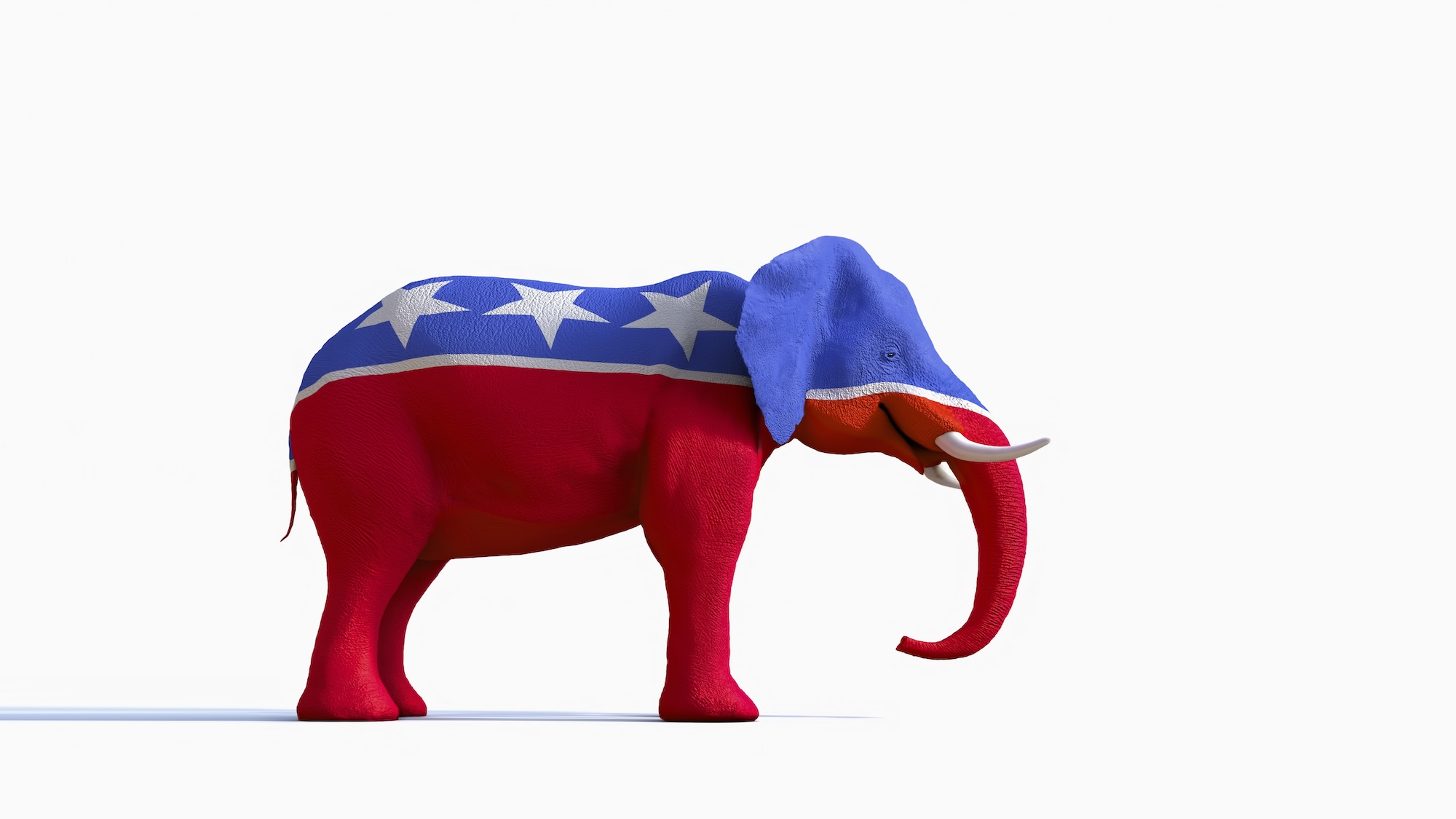
The effectiveness of this branding is evident in how readily the term is understood and used by a wide range of individuals, from political operatives to everyday citizens. It has become a shorthand for a particular political ideology, a distinct policy platform, and a specific approach to governance. This brand recognition is a significant asset in the competitive arena of American politics.
Modern Messaging and the Enduring Appeal of the GOP Brand
In the 21st century, the GOP brand has been continually refined and adapted to appeal to contemporary electorates. While the core tenets remain, the messaging and emphasis have shifted to address evolving societal concerns and economic realities. The branding efforts aim to connect with voters on an emotional and ideological level, fostering a sense of belonging and shared purpose.
Key elements of modern GOP branding often include:
- Fiscal Responsibility: This remains a cornerstone, with emphasis on lower taxes, reduced government spending, and free-market principles. The “GOP” brand often associates with economic growth driven by private enterprise rather than government programs.
- Individual Liberty and Personal Freedom: The brand emphasizes individual rights and freedoms, often advocating for less government regulation in personal and economic affairs. This can encompass a range of issues, from gun ownership to free speech.
- National Security and a Strong Defense: A robust military and assertive foreign policy are frequently highlighted as key components of the GOP identity. The brand aims to project an image of strength and security on the global stage.
- Traditional Values: While this aspect has seen shifts and internal debates, the GOP brand often appeals to a sense of traditional social values and a belief in established institutions.
The success of the GOP brand lies in its ability to evoke a consistent set of associations and to adapt its communication style to resonate with different segments of the electorate. The visual elements of campaigns, the rhetoric of political leaders, and the policy proposals all contribute to the reinforcement of this distinct brand identity. The “GOP” acronym, in this context, is more than just letters; it’s a recognized symbol of a particular political vision and a powerful tool in the ongoing battle for public opinion.
The Political Significance and Branding of GOP: A Lasting Legacy
The enduring presence and widespread recognition of the “GOP” as a political identifier underscore its profound significance in the American political landscape. Its journey from a casual nickname to a powerful brand is a compelling case study in political communication and identity formation. The implications of this branding extend beyond mere recognition, influencing how political ideas are perceived, debated, and ultimately, how voters make their choices.
A Symbol of Continuity and Change: Navigating Evolving Ideologies
The “GOP” brand has demonstrated a remarkable capacity for both continuity and adaptation. While the core principles of conservatism have remained a central theme, the specific policy prescriptions and rhetorical approaches have evolved significantly over time. This ability to adapt while maintaining a recognizable identity has been crucial to the party’s longevity.
Historically, the GOP was associated with abolitionism and then with industrial growth and a more interventionist federal role in the economy (albeit through different means than modern Democrats). In the latter half of the 20th century, the party underwent a significant ideological shift, increasingly emphasizing free-market capitalism, limited government, and a more hawkish foreign policy. This evolution was often driven by demographic shifts, responses to societal changes, and the rise of influential figures who reshaped the party’s platform.
The “GOP” brand, therefore, represents not a static set of beliefs, but a dynamic ideology that has been continually redefined. The branding aims to connect with voters who resonate with the historical legacy of the party while simultaneously addressing contemporary challenges. This delicate balance allows the GOP to attract new adherents while retaining its traditional base, making it a persistent and influential force in American politics. The ability to present this evolving ideology under a single, recognizable banner is a testament to the effectiveness of its branding strategy.

The Power of a Moniker: How “GOP” Shapes Political Perception
The widespread adoption and consistent use of the “GOP” acronym have a tangible impact on how political information is processed and how voters perceive the Republican Party. As a branding tool, it operates on multiple levels, influencing everything from media coverage to individual voter sentiment.
Firstly, the very act of using “GOP” instead of “Republican Party” can subtly alter perceptions. It can feel more informal, more relatable, or conversely, more established and historically significant, depending on the context. This linguistic nuance is a powerful aspect of branding, allowing for subtle manipulation of sentiment.
Secondly, the “GOP” brand acts as a mental shortcut for voters. When they hear or see “GOP,” a set of pre-existing associations and values are activated. This simplifies decision-making in a complex political environment. It allows voters to quickly categorize candidates and their platforms, making it easier to align with their preferred political identity.
Thirdly, the consistent branding of “GOP” contributes to party loyalty and cohesion. It fosters a sense of shared identity among supporters, reinforcing their commitment to the party’s ideals. This collective identity is a critical component of electoral success, as it mobilizes voters and provides a clear signal of allegiance. The “GOP” brand is not just about what the party stands for; it’s about who stands with the party. Its continued relevance and strategic deployment highlight the enduring power of branding in shaping the contours of political discourse and voter behavior in the United States.
aViewFromTheCave is a participant in the Amazon Services LLC Associates Program, an affiliate advertising program designed to provide a means for sites to earn advertising fees by advertising and linking to Amazon.com. Amazon, the Amazon logo, AmazonSupply, and the AmazonSupply logo are trademarks of Amazon.com, Inc. or its affiliates. As an Amazon Associate we earn affiliate commissions from qualifying purchases.