
In the intricate world of plant cellular biology, the Golgi apparatus stands out not just as a fundamental organelle, but as a sophisticated processing and distribution center whose functions are increasingly critical in the realm of modern biotechnology and green tech innovation. Far from being a mere biological curiosity, understanding the precise mechanisms of the Golgi in a plant cell is paramount for scientists and engineers aiming to optimize plant function, develop new bio-materials, enhance crop resilience, and engineer plants for novel applications. This cellular hub operates with an efficiency and complexity that offers valuable insights for synthetic biology, agricultural technology, and bio-manufacturing processes.

The Plant Golgi: A Sophisticated Cellular Processing Unit for Biotech Applications
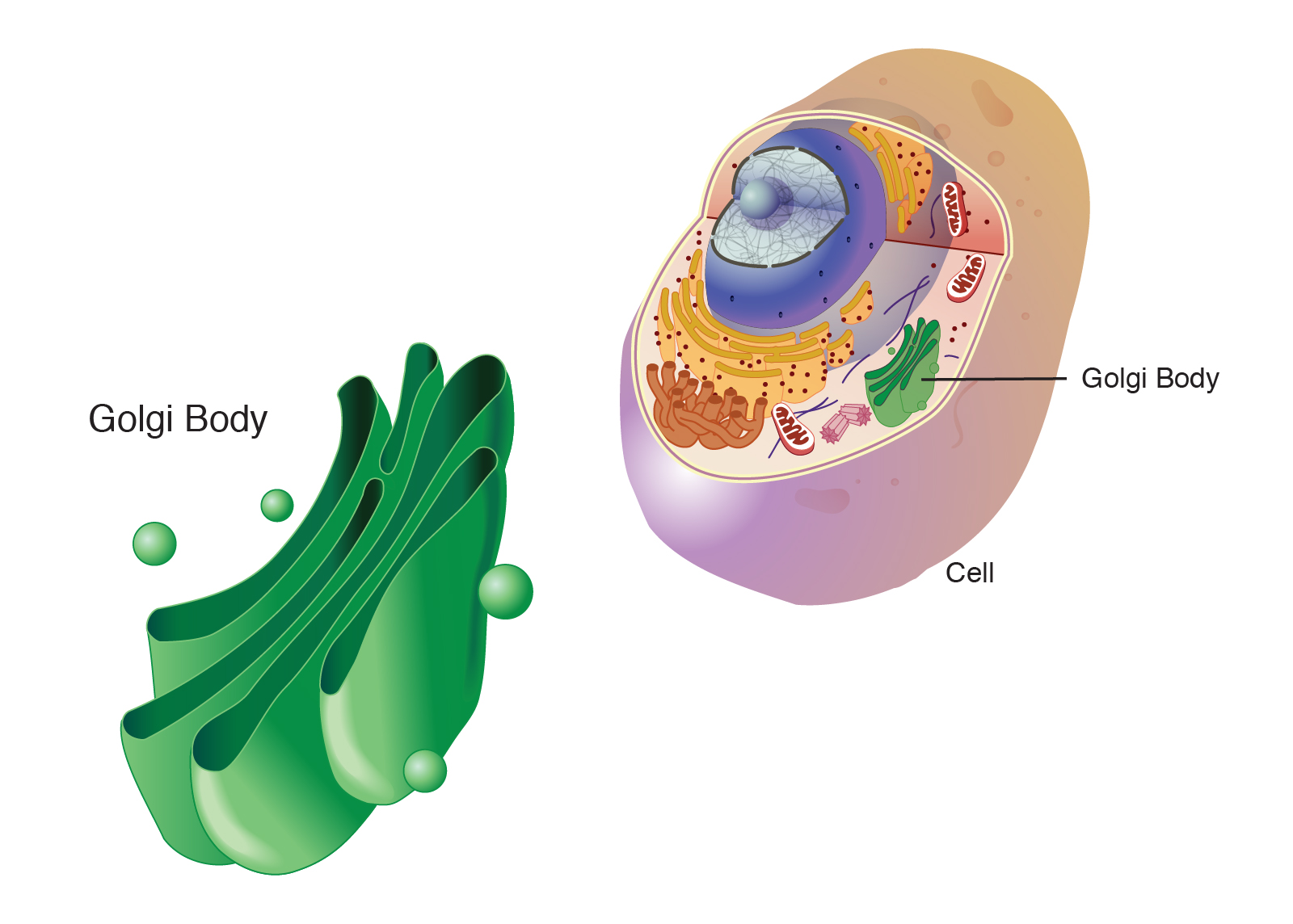
At its core, the Golgi apparatus in a plant cell—much like its animal counterpart—functions as an advanced cellular manufacturing and logistics hub. It is a dynamic network of flattened sacs called cisternae, organized into distinct cis, medial, and trans compartments, along with a trans-Golgi network (TGN). Proteins and lipids synthesized in the endoplasmic reticulum (ER) are transported to the cis-Golgi, where they embark on a journey of modification, sorting, and packaging.
For biotechnology, grasping the Golgi’s role here is crucial. Imagine engineering a plant to produce a specific protein, perhaps a pharmaceutical compound or an industrial enzyme. The ER synthesizes this protein, but it is the Golgi that ensures its correct folding, glycosylation (attachment of sugar chains), and ultimate destination. Any misstep in the Golgi’s operations can lead to malformed, inactive, or misdirected proteins, rendering the genetic engineering efforts futile. This makes the Golgi a critical checkpoint and potential bottleneck in designing plant-based bio-factories. Its ability to perform complex post-translational modifications, particularly N- and O-glycosylation, is vital for the stability, activity, and recognition of many plant-derived bioproducts. Understanding and manipulating these processing pathways within the Golgi allows biotechnologists to design plants that can efficiently synthesize high-value compounds with specific, desired characteristics.
Engineering Plant Cells: Leveraging Golgi’s Intricacies for Enhanced Functionality
The plant Golgi’s functions extend beyond mere protein processing; it is a central player in the synthesis and secretion of various essential plant components, making it an attractive target for cellular engineering.
Orchestrating Cell Wall Construction and Secretion
One of the most distinctive roles of the Golgi in plant cells is its indispensable contribution to the synthesis and secretion of polysaccharides destined for the cell wall. The plant cell wall, a complex and dynamic structure, provides structural support, protection, and plays a role in cell-to-cell communication. The Golgi is responsible for synthesizing and processing pectins, hemicelluloses, and certain proteoglycans, which are then transported in vesicles from the trans-Golgi network to the plasma membrane for deposition into the expanding cell wall.
From a technological standpoint, controlling cell wall composition is critical for multiple applications. For instance, in bio-fuel production, the recalcitrance of the plant cell wall to deconstruction is a significant barrier. By understanding how the Golgi synthesizes and exports cell wall polymers, biotechnologists can engineer plants with modified cell wall structures that are more amenable to enzymatic breakdown, thereby improving the efficiency of converting biomass into bio-ethanol or other renewable energy sources. Similarly, in the development of novel plant-based materials, modifying cell wall characteristics via Golgi manipulation can lead to plants with enhanced mechanical properties or specific functionalities. Precision agriculture technologies that monitor plant growth and health can also benefit from deeper insights into Golgi-mediated cell wall dynamics, enabling targeted interventions to optimize plant development.
Directing Stress Responses and Defense Mechanisms
The Golgi also plays an indirect yet vital role in a plant’s ability to respond to environmental stresses, pathogens, and herbivores. Proteins involved in stress signaling pathways, defense responses, and the secretion of antimicrobial compounds are all processed and routed through the Golgi. When a plant encounters a pathogen, for example, the Golgi rapidly ramps up the production and secretion of defense-related proteins and cell wall components to strengthen cellular barriers.

This aspect is increasingly relevant for developing climate-resilient crops. As global climates shift, plants face unprecedented challenges from drought, salinity, extreme temperatures, and emerging pests. Biotechnologies aimed at enhancing a plant’s intrinsic resilience often target genes involved in stress response. By optimizing Golgi function, through genetic modification or advanced molecular breeding, engineers can potentially bolster a plant’s innate capacity to process and deploy defense mechanisms more efficiently. This could lead to crops that are inherently more robust, requiring fewer external chemical inputs, aligning perfectly with sustainable agricultural technology goals.
Digital Twins and AI: Modeling the Golgi’s Contribution to Plant Systems
The sheer complexity and dynamic nature of the Golgi apparatus make it an ideal candidate for investigation through advanced computational biology, artificial intelligence (AI), and the development of digital twins. Traditional biological experiments, while essential, can only capture snapshots of this highly dynamic system.
Simulating Golgi Dynamics for Predictive Plant Engineering
AI and machine learning algorithms can analyze vast datasets derived from genomic, proteomic, and imaging studies of plant cells to build predictive models of Golgi function. These models can simulate how different genetic modifications might alter protein glycosylation patterns, trafficking routes, or the synthesis of specific cell wall components. For example, if a geneticist introduces a gene to produce a new therapeutic protein, an AI model could predict potential bottlenecks in the Golgi’s processing capacity or identify necessary co-expression of chaperone proteins or specific glycosylation enzymes to ensure optimal output.
The concept of a “digital twin” of a plant cell, or even specifically its Golgi apparatus, is gaining traction. This involves creating a high-fidelity virtual model that accurately mirrors the real-world biological system. Such a digital twin could be used to run countless in-silico experiments, testing various genetic interventions, environmental conditions, or biochemical perturbations without the need for time-consuming and resource-intensive wet-lab work. This accelerates the discovery and optimization phases in plant biotechnology, allowing researchers to refine their engineering strategies before even touching a petri dish. For optimizing cellular bioprocesses within plants, these digital tools offer an unprecedented level of control and predictability.
Future Tech: Sustainable Agriculture and Bio-Manufacturing Through Golgi Insights
The profound understanding of the Golgi apparatus’s multifaceted roles in plant cells is not merely an academic pursuit; it is a foundational pillar for next-generation technological advancements in sustainable agriculture, bio-manufacturing, and plant-based industries.
Optimizing Plant Bio-Factories
In the realm of plant bio-manufacturing, where plants are engineered to produce vaccines, antibodies, enzymes, or industrial compounds, the Golgi is a central player. The efficiency of production, the quality of the final product, and the ability to scale up production are all directly linked to the Golgi’s performance. Technologies focused on optimizing protein secretion and modification pathways within the Golgi promise to unlock the full potential of plants as sustainable, low-cost “bio-factories.” This could revolutionize pharmaceutical production, reducing reliance on expensive fermentation systems and offering new avenues for global health solutions.
Advancing Sustainable Crop Development
For sustainable agriculture, insights into the Golgi contribute to developing crops that are not only high-yielding but also environmentally resilient. Imagine crops engineered to naturally resist common diseases by enhancing their Golgi-mediated defense protein secretion, or plants designed to thrive in saline soils by modifying their cell wall composition to better manage water uptake, all guided by a deep understanding and manipulation of the Golgi. This precision engineering, informed by cellular-level insights, moves beyond traditional breeding by allowing for targeted, efficient improvements.
The Golgi apparatus, often overshadowed by more ‘visible’ organelles, is a powerhouse of activity in the plant cell. Its complex roles in protein modification, cell wall synthesis, and stress response make it an indispensable target for technological intervention. As our biotechnological tools become more sophisticated, integrating AI and computational modeling, the ability to precisely engineer and optimize the Golgi’s functions will undoubtedly drive a new era of plant-based innovation, offering sustainable solutions for food security, health, and industrial production.
aViewFromTheCave is a participant in the Amazon Services LLC Associates Program, an affiliate advertising program designed to provide a means for sites to earn advertising fees by advertising and linking to Amazon.com. Amazon, the Amazon logo, AmazonSupply, and the AmazonSupply logo are trademarks of Amazon.com, Inc. or its affiliates. As an Amazon Associate we earn affiliate commissions from qualifying purchases.