
In the world of personal finance and retail entrepreneurship, the distinction between various gold finishes is not merely a matter of aesthetics; it is a critical calculation of value, durability, and return on investment. For the consumer, understanding what “gold filled” means is essential for making informed purchasing decisions that balance luxury with budget constraints. For the business owner or side-hustle entrepreneur, gold filled jewelry represents a strategic middle ground that offers high-margin potential without the prohibitive overhead of solid gold.
To the uninitiated, the term “gold filled” can be misleading. It implies a hollow center filled with gold, but the reality is a sophisticated mechanical bonding process that creates a product far superior to gold plating while remaining significantly more affordable than solid gold. In this analysis, we will explore the financial implications of gold filled jewelry, its role in a diversified asset portfolio, and how it serves as a foundation for profitable jewelry ventures.

Understanding the Economics of Gold Filled Jewelry
At its core, gold filled jewelry is a regulated material that must meet specific legal standards to carry the name. Understanding these standards is the first step in assessing its financial worth.
The Mechanical Bonding Process and Material Composition
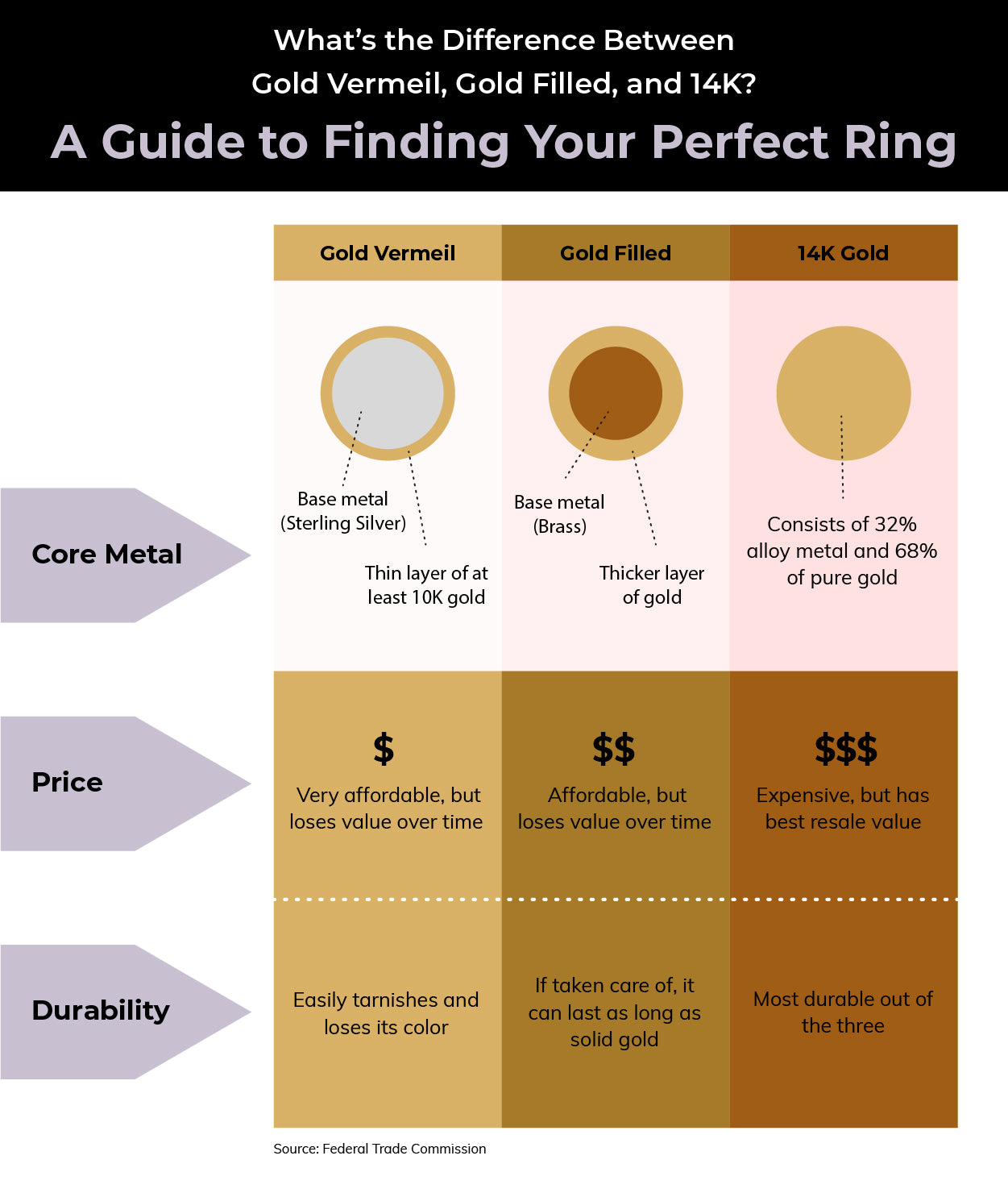
Gold filled jewelry is created by pressure-bonding a thick layer of gold—typically 12k or 14k—to a base metal core, usually brass or copper. Unlike gold plating, which involves an electrochemical process that deposits a microscopic layer of gold onto a surface, gold filling involves heat and pressure. This results in a permanent bond that does not flake or peel.
From a financial perspective, the most important metric is the “1/20th rule.” By law, the gold content in gold filled items must be at least 5% (or 1/20th) of the total weight of the piece. This is a substantial amount of precious metal compared to gold-plated items, which often contain less than 0.05% gold. When you purchase gold filled jewelry, you are acquiring a measurable amount of real gold, which anchors its intrinsic value.
Gold Filled vs. Gold Plated: The Value Gap
The difference in value between gold filled and gold plated jewelry is exponential rather than incremental. Gold plating is a “consumable” purchase; the gold layer is so thin that it inevitably wears off, leaving the wearer with a tarnished base metal that often causes skin irritation. In financial terms, gold plated jewelry has a 100% depreciation rate in a very short timeframe.
Gold filled jewelry, however, is designed for longevity. It can last 10 to 30 years with proper care, meaning its “cost-per-wear” is significantly lower. While the upfront cost is higher than plating, the lifecycle of the product makes it a superior financial choice for those who want the look and feel of gold without the 14k or 18k price tag.
Legal Standards and Hallmarking
For the investor or business owner, the Federal Trade Commission (FTC) guidelines are the safeguard of value. Gold filled jewelry must be hallmarked. You will often see stamps like “14/20 GF,” which indicates that the piece is 14k gold and that gold accounts for 1/20th of the total weight. Understanding these hallmarks is essential for verifying inventory and ensuring that you are not overpaying for inferior “gold-washed” or “gold-overlay” products.
Gold Filled as a Strategic Business Asset
For entrepreneurs looking to enter the jewelry market—whether through a boutique, an e-commerce store, or a handmade side hustle—gold filled components are a cornerstone of a profitable business model.
Low-Cost Entry for Jewelry Entrepreneurs
The barrier to entry in the solid gold market is exceptionally high. A single 14k gold chain can cost hundreds of dollars at wholesale prices, requiring a massive initial capital outlay to build a diverse inventory. Gold filled jewelry offers a solution to this liquidity challenge. It allows a business to offer high-quality, hypoallergenic, and “waterproof” jewelry at a price point that is accessible to the mass market.
By utilizing gold filled materials, an entrepreneur can maintain a professional brand image that rivals high-end luxury houses while keeping their inventory costs manageable. This improves cash flow and allows for a more agile response to changing fashion trends.
Durability and Customer Lifetime Value (CLV)
In the business of fashion, reputation is a financial asset. Selling gold-plated jewelry often leads to high return rates and negative reviews as the items tarnish. This destroys Customer Lifetime Value (CLV). Gold filled jewelry, because of its durability, fosters trust.

When a customer realizes their $50 necklace still looks brand new after a year of wear, they are far more likely to return for future purchases. For a business, the reduced cost of customer acquisition (via referrals and repeat business) far outweighs the slightly higher cost of sourcing gold filled components over plated ones.
Profit Margins and Scaling
Gold filled jewelry sits in the “bridge jewelry” category—a segment of the market that has seen explosive growth. Consumers are increasingly moving away from “fast fashion” (cheap, disposable) and are not yet ready for “fine jewelry” (expensive, investment-grade).
This middle ground allows for healthy profit margins. Because gold filled jewelry carries the “gold” name and many of its physical properties, it commands a premium price. Businesses can often mark up gold filled items by 300% to 500%, whereas solid gold margins are often squeezed by the volatility of the gold spot price and high competition among luxury retailers.
Personal Finance: Is Gold Filled a Good Investment?
When discussing jewelry and money, one must distinguish between “smart spending” and “investing.” While solid gold is a commodity that acts as a hedge against inflation, gold filled jewelry serves a different role in a personal financial plan.
Resale Value and Liquidity
It is important to be transparent: gold filled jewelry does not have a high resale value in the same way that a 24k gold coin or a 14k solid gold ring does. Refiners can reclaim the gold from gold filled items, but the process is more complex than melting down solid gold, and the payout is significantly lower.
Therefore, gold filled should not be purchased with the intention of “flipping” it for its metal weight. Instead, its value lies in its utility and its ability to retain its aesthetic appeal. It is an investment in your professional appearance and personal satisfaction that does not require the heavy capital commitment of fine jewelry.
Cost-Per-Wear Analysis
A useful financial tool for any consumer is the cost-per-wear (CPW) calculation.
- Gold Plated Necklace: $15 price / 10 wears (before tarnishing) = $1.50 per wear.
- Gold Filled Necklace: $60 price / 500 wears (several years) = $0.12 per wear.
- Solid 14k Gold Necklace: $400 price / 2000 wears (lifetime) = $0.20 per wear.
From a CPW perspective, gold filled jewelry often emerges as the most efficient use of capital for the average consumer. It provides the lowest cost over the functional life of the item.
Wealth Preservation vs. Consumer Spending
For those looking to preserve wealth, solid gold remains the gold standard. However, allocating too much capital to high-end jewelry can lead to “lifestyle creep,” where your assets are tied up in non-liquid, wearable items. Using gold filled jewelry for everyday style allows an individual to divert the thousands of dollars they would have spent on solid gold into income-generating assets like stocks, bonds, or real estate. In this sense, gold filled jewelry is a tool for strategic capital allocation.
Market Trends and the Future of the Gold Filled Industry
The gold filled market is not static; it is influenced by global economic shifts and changing consumer behaviors.
Fluctuating Gold Spot Prices
As the spot price of gold rises, the cost of manufacturing gold filled jewelry also increases, though not as drastically as solid gold. This makes gold filled items even more attractive during periods of high inflation. When the price of a 14k solid gold wedding band doubles, the gold filled alternative remains within reach for the average consumer, driving demand toward the bridge jewelry sector.
Sustainable Sourcing and Ethical Investing
The modern investor is increasingly concerned with ESG (Environmental, Social, and Governance) criteria. Gold mining has a significant environmental footprint. Gold filled jewelry is often seen as a more “efficient” use of the precious metal. By using 95% less gold than a solid piece but achieving the same longevity, it reduces the overall demand for newly mined gold. Businesses that highlight this efficiency can tap into the growing demographic of conscious consumers.
Consumer Demand in a High-Inflation Economy
In an economy where discretionary income is squeezed by rising costs of living, “affordable luxury” becomes a dominant trend. Gold filled jewelry fits this niche perfectly. It allows consumers to maintain their standard of living and self-expression without compromising their savings goals. For the business owner, this means that the gold filled segment is often more “recession-proof” than the ultra-luxury segment.
By understanding the technical specifications, the business advantages, and the personal finance implications of gold filled jewelry, both consumers and entrepreneurs can navigate the market with confidence. It is a material that represents the intersection of quality and economy, providing a durable, beautiful product that respects the bottom line.
aViewFromTheCave is a participant in the Amazon Services LLC Associates Program, an affiliate advertising program designed to provide a means for sites to earn advertising fees by advertising and linking to Amazon.com. Amazon, the Amazon logo, AmazonSupply, and the AmazonSupply logo are trademarks of Amazon.com, Inc. or its affiliates. As an Amazon Associate we earn affiliate commissions from qualifying purchases.