
The concept of work is woven deeply into the fabric of human existence, a constant in our daily lives. From the dawn of civilization, humans have toiled, built, created, and sustained themselves through various forms of labor. It’s no surprise, then, that a topic so fundamental would be addressed by major religious texts. For those seeking to understand the divine perspective on this ubiquitous human activity, a closer examination of scripture reveals a rich tapestry of principles, expectations, and even profound blessings associated with work. This article delves into what God says about work, exploring its purpose, ethical dimensions, and the ultimate rewards it can bring, all through the lens of Personal Finance.

The Divine Mandate and Purpose of Work
The foundational understanding of work in many theological traditions is not merely as a means of survival or acquisition, but as a divinely ordained activity with inherent purpose and value. This perspective fundamentally shapes how we should approach our professional lives and, consequently, our financial well-being.
Work as Creation and Stewardship
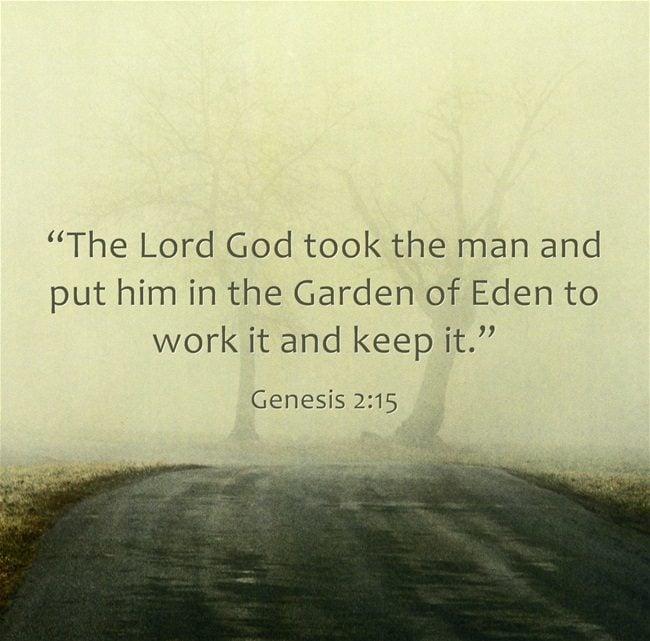
From the very beginning, the creation narrative in Genesis (1:28) highlights God’s directive to humanity to “be fruitful and multiply, and fill the earth and subdue it; and have dominion over the fish of the sea and over the birds of the heavens and over every living thing that moves upon the earth.” This is not simply a command to procreate, but a call to active participation in the stewardship of creation. Work, in this context, is an extension of God’s creative act, a means by which humanity co-creates, cultivates, and manages the resources entrusted to them. This stewardship extends to all aspects of life, including the resources we generate through our labor. Understanding work as a form of stewardship imbues it with a sense of responsibility and dignity, influencing our financial decisions by promoting responsible management of earnings and resources.
The Dignity of Labor
Scripture consistently portrays labor as dignified and essential. Proverbs, for example, is replete with verses extolling the virtues of diligence and hard work, while cautioning against idleness and laziness. “The hand of the diligent will rule, but the lazy will be put to forced labor” (Proverbs 12:24) and “Whoever works his land will have plenty of food, but a person of empty pursuits is a person of no sense” (Proverbs 28:19). These passages underscore that honest, diligent work is not only honorable but also a path to provision and prosperity. This concept is directly transferable to personal finance, as it encourages a proactive and ethical approach to earning income, rather than relying on passive or exploitative means. The dignity of labor suggests that our financial planning should be built upon a foundation of integrity and hard work.
The Economic Implications of Purposeful Work
When we view work as a divine mandate for stewardship and a source of dignity, its impact on our financial lives is profound. It shifts the focus from merely accumulating wealth to building a sustainable and ethical financial future. This perspective encourages us to see our earnings not just as personal gain, but as resources to be managed responsibly for ourselves, our families, and to contribute to the broader community. This aligns perfectly with sound personal finance principles that emphasize budgeting, saving, and wise investment, all driven by a sense of purpose beyond immediate gratification.
Ethical Considerations and Financial Integrity
Beyond the inherent value of work, scripture also provides a strong ethical framework for how we engage in our professions and manage the fruits of our labor. These ethical guidelines are crucial for building a solid financial foundation based on integrity and fairness.
Honesty and Fairness in Transactions

The Old Testament law was particularly stringent regarding honesty in business dealings. Commandments such as “You shall not steal, nor deal falsely, nor lie to one another” (Leviticus 19:11) and the emphasis on just weights and measures in commerce (Deuteronomy 25:13-16) highlight the importance of ethical conduct in all financial transactions. This principle directly translates to modern personal finance. It means being truthful in our earnings declarations, avoiding fraudulent schemes, and engaging in fair trade practices, whether as an employee, employer, or consumer. Financial integrity is the bedrock of long-term financial security, preventing costly legal issues and building trust within financial relationships.
The Dangers of Greed and Exploitation
Scripture frequently warns against the corrupting influence of greed and the exploitation of others for financial gain. The parable of the rich fool (Luke 12:16-21) illustrates the futility of accumulating wealth solely for personal comfort, neglecting the deeper purposes of life. Similarly, warnings against oppressing the poor or withholding wages (Deuteronomy 24:14-15) speak to the ethical responsibility of those in positions of power to act justly. In the realm of personal finance, this translates to avoiding get-rich-quick schemes that prey on others, refraining from predatory lending practices, and ensuring our financial growth does not come at the expense of the vulnerable. It encourages a balanced approach to wealth building, one that considers the impact of our financial decisions on others.
The Principle of Generosity and Tithing
A significant theme in biblical teachings on work and finance is the principle of generosity, often expressed through tithing or charitable giving. “Honor the Lord with your wealth and with the firstfruits of all your produce; then your barns will be filled with plenty, and your vats will overflow with new wine” (Proverbs 3:9-10). This isn’t presented as a rigid transaction, but as an act of trust and recognition that all we have comes from God. Generosity and tithing, when viewed through a personal finance lens, are not merely acts of charity but are integral to a healthy financial mindset. They foster gratitude, reduce materialism, and contribute to a sense of community, often leading to unexpected blessings and a more sustainable financial outlook.
The Rewards and Responsibilities of Wealth
The pursuit of financial well-being through work is often associated with the accumulation of wealth. Scripture acknowledges this reality and offers insights into both the blessings and the responsibilities that accompany financial prosperity.
Wealth as a Blessing, with Caveats
The Bible doesn’t condemn wealth itself but rather the love of money and the potential pitfalls it presents. “For the love of money is a root of all kinds of evils” (1 Timothy 6:10). Wealth, when pursued ethically and managed wisely, can be a blessing, enabling individuals and families to live comfortably, provide for their needs, and contribute to good causes. However, it can also lead to pride, a false sense of security, and a neglect of spiritual or relational priorities. From a personal finance perspective, this means cultivating a healthy relationship with money, viewing it as a tool rather than an ultimate goal. Financial success should be accompanied by humility and a clear understanding of its limitations in providing true fulfillment.
The Responsibility of the Steward
For those who have been blessed with financial abundance, there is a corresponding responsibility to act as good stewards of those resources. This includes using wealth to help the less fortunate, supporting worthwhile causes, and investing in ways that benefit society. “Command those who are rich in this present world not to be arrogant nor to put their hope in the uncertain riches, but in God, who richly provides us with everything for our enjoyment. Command them to do good, to be rich in good deeds and to be generous and willing to share. In this way they will lay up treasure for themselves as a firm foundation for the coming age, so that they may take hold of the life that is truly life” (1 Timothy 6:17-19). This biblical injunction directly informs our financial planning. It suggests that a significant aspect of responsible wealth management involves philanthropy and investing in ventures that have a positive social impact, moving beyond mere personal accumulation to a broader sense of economic contribution.
Building a Sustainable Financial Legacy
The ultimate reward of diligent, ethical work and wise financial management, as suggested by biblical principles, is not just immediate comfort but the ability to build a sustainable financial legacy. This legacy can benefit future generations, support community initiatives, and ultimately, contribute to a life of purpose and fulfillment. This resonates deeply with long-term financial planning strategies that emphasize intergenerational wealth transfer, ethical investing, and the creation of enduring financial stability. By aligning our work ethic and financial practices with these divine principles, we can create a financial future that is not only prosperous but also deeply meaningful.
In conclusion, the biblical perspective on work offers a profound and practical framework for navigating the complexities of personal finance. It calls us to see our labor not just as a means to an end, but as a divine calling for stewardship, a source of dignity, and an opportunity to cultivate financial integrity and generosity. By embracing these principles, we can build a financial future that is not only secure and prosperous but also rich in purpose and meaning.
aViewFromTheCave is a participant in the Amazon Services LLC Associates Program, an affiliate advertising program designed to provide a means for sites to earn advertising fees by advertising and linking to Amazon.com. Amazon, the Amazon logo, AmazonSupply, and the AmazonSupply logo are trademarks of Amazon.com, Inc. or its affiliates. As an Amazon Associate we earn affiliate commissions from qualifying purchases.