
The question of women in ministry, specifically as preachers, is a deeply debated topic within various religious traditions. It touches upon theological interpretations, historical contexts, and the evolving understanding of gender roles within faith communities. While many denominations and individual churches now affirm the ordination and preaching roles of women, others maintain traditional views that restrict these roles to men. Understanding this debate requires a careful examination of scripture, historical practice, and contemporary theological perspectives. This article will delve into the scriptural passages often cited in this discussion, explore different interpretations, and consider the implications for faith communities today, all within the framework of understanding and leveraging technology for dissemination and engagement.

Theological Foundations and Scriptural Interpretation
The foundation of any discussion about women in ministry rests on how religious texts are read and interpreted. Different faith traditions draw on specific verses and theological principles to support their stances, leading to a divergence of opinions.
Diverse Scriptural Interpretations
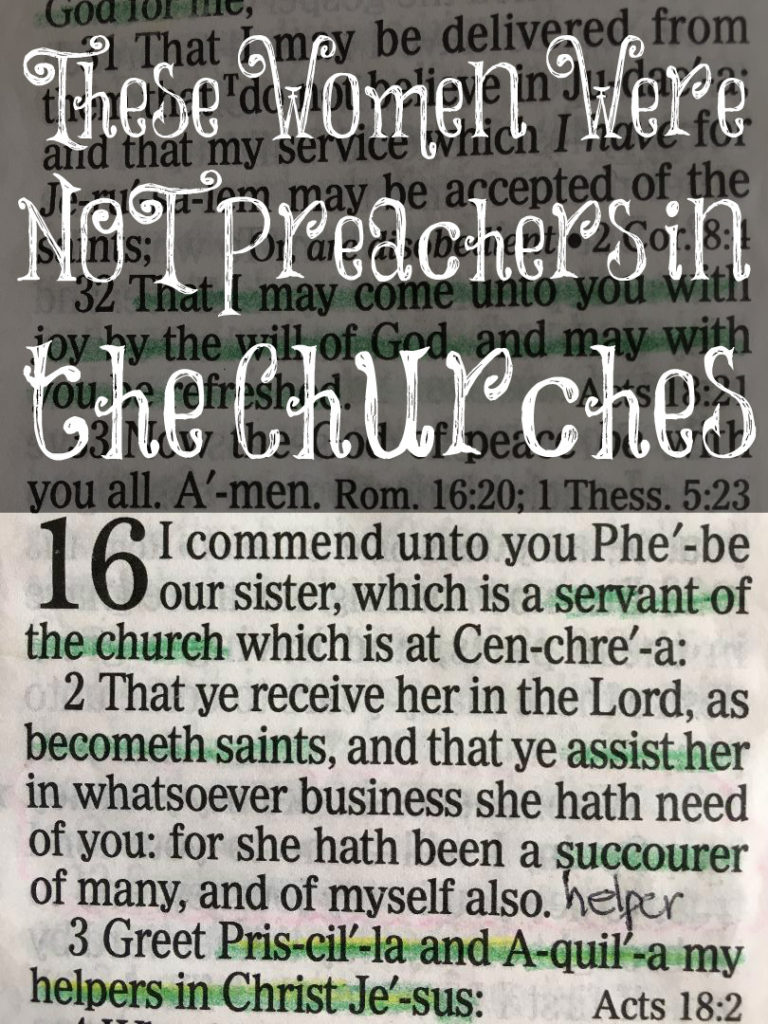
Central to the debate are passages from both the Old and New Testaments. For those who affirm women’s leadership, emphasis is often placed on verses that highlight women’s active roles in early Christianity, such as Phoebe, a deacon (Romans 16:1-2), and Priscilla, who, along with her husband Aquila, is credited with “explaining the way of God more accurately” to Apollos (Acts 18:26). These passages are often interpreted as evidence of women holding significant teaching and leadership positions. Furthermore, Galatians 3:28, which states, “There is neither Jew nor Gentile, neither slave nor free, nor is there male and female, for you are all one in Christ Jesus,” is frequently cited as a foundational text for spiritual equality, suggesting that gender should not be a barrier to ministry.
Conversely, passages such as 1 Timothy 2:12 (“I do not permit a woman to teach or to assume authority over a man; she must be quiet”) and 1 Corinthians 14:34 (“Women should remain silent in the churches. They are not supposed to speak, but rather to be in authority, as the Law says”) are often used to argue against women preaching or holding positions of authority over men. Interpretations of these verses vary widely. Some scholars argue for a literal and timeless application, viewing them as divine prohibitions. Others propose contextual interpretations, suggesting these verses addressed specific cultural issues in the early church or were meant for particular situations that are no longer relevant. The concept of complementarianism, which posits distinct but complementary roles for men and women, often informs this view.
The Role of the Holy Spirit and Spiritual Gifts
Another significant aspect of the theological discussion revolves around the gifting of the Holy Spirit. Many argue that the Holy Spirit bestows spiritual gifts, including the gift of teaching and prophecy, without regard to gender. They point to examples in the Old Testament, such as Miriam and Deborah, who held prophetic and leadership roles. In the New Testament, Joel’s prophecy (Joel 2:28-29) is often quoted by the Apostle Peter in Acts 2:17-18, stating, “In the last days, God says, I will pour out my Spirit on all people. Your sons and daughters will prophesy, your young men will see visions, your old men will dream dreams. Even on my servants—both men and women—I will pour out my Spirit in those days, and they will prophesy.” This verse is seen as a promise of widespread prophetic ministry, inclusive of women. Proponents of women in preaching roles believe that stifling women’s God-given gifts and callings is contrary to the Spirit’s work.
The Historical Trajectory and Contemporary Landscape
The historical practice of women in ministry has evolved significantly, reflecting both religious traditions and broader societal changes. The contemporary landscape is characterized by a spectrum of denominational stances and church practices.
Historical Precedents and Modern Revivals
While the debate often centers on New Testament texts, historical precedents for women in leadership and prophetic roles can be found in earlier religious traditions and even within certain pockets of early Christianity. Figures like Hildegard of Bingen in the Middle Ages, a visionary, composer, and abbess, demonstrated significant spiritual authority and influence. In more recent centuries, women have been at the forefront of various religious movements, particularly during revivals and the rise of denominations that were more open to female leadership. The Methodist tradition, for example, has a long history of supporting women in ministry.
Today, many major Christian denominations, including many Protestant traditions (e.g., Methodists, Lutherans, Presbyterians, Pentecostals) and some branches of Catholicism and Eastern Orthodoxy, ordain women as pastors, priests, and bishops. These denominations often operate under theological frameworks that emphasize the equality of men and women in Christ and the recognition of the Holy Spirit’s gifting in women for leadership and preaching. However, other denominations, such as the Southern Baptist Convention and some conservative evangelical churches, maintain a stance that limits the senior pastoral and preaching roles to men.

Denominational Policies and Church Practices
The policies of different denominations are a direct reflection of their theological interpretations. Denominations that affirm women in preaching roles have established ordination processes, theological training requirements, and avenues for women to serve in pastoral and leadership capacities. This allows for women to be formally recognized, supported, and empowered in their ministry.
Conversely, denominations that do not ordain women typically have policies in place that restrict these roles to men. This can lead to internal discussions and sometimes divisions within congregations, as members grapple with differing theological viewpoints. The practical outcome is that the availability of women preachers varies significantly depending on the specific church or denomination one engages with. This diversity in practice highlights the ongoing nature of the theological discourse and the varied ways in which religious communities interpret and apply their foundational texts.
The Impact of Technology on the Discourse and Practice
In the contemporary era, technology plays an increasingly vital role in how religious discourse is shaped, how theological debates are disseminated, and how ministry itself is conducted. This impact is particularly relevant to the discussion surrounding women preachers.
Digital Platforms for Dissemination and Dialogue
The internet has revolutionized the way religious ideas and debates are shared. Websites, blogs, social media platforms, and online theological journals provide vast spaces for discussing issues like women in ministry. Proponents of women in leadership can easily share their theological arguments, personal testimonies, and calls for greater inclusion with a global audience. Digital platforms allow for the creation and dissemination of articles, sermons, podcasts, and videos, effectively reaching individuals who might not have access to traditional church structures or who are seeking diverse perspectives. This accessibility democratizes theological discourse, allowing for a wider range of voices to be heard and considered. For instance, online theological seminaries and courses offer training for aspiring female ministers, breaking down geographical and accessibility barriers.
Moreover, digital communities and online forums foster dialogue between individuals and groups holding different views. While these discussions can sometimes be contentious, they also provide opportunities for mutual understanding and learning. Churches that affirm women preachers can utilize their websites and social media to showcase the ministries of women on their staff, sharing their messages and impact with their congregations and the wider public. Conversely, those who hold traditional views can also use these platforms to articulate their positions, contributing to the overall breadth of the conversation. The reach of these digital tools means that the debate about women preachers is no longer confined to denominational seminaries or denominational publications but is accessible to anyone with an internet connection.
Leveraging Digital Tools for Ministry and Outreach
Beyond discourse, technology empowers women in ministry to conduct and expand their work. Digital tools facilitate effective communication, community building, and outreach, regardless of a preacher’s gender. Online streaming services allow sermons and entire worship services to be broadcast live or made available on demand, enabling congregations to connect even when physically apart and extending the reach of a minister’s message. Many women preachers effectively use these platforms to build vibrant online ministries, reaching audiences that may not be geographically proximate or that prefer digital engagement.
Social media and email newsletters are indispensable for pastoral care, community engagement, and event promotion. Women ministers can utilize these tools to organize study groups, offer support, and share resources with their congregants and followers. The development of mobile apps can provide access to devotional materials, biblical commentaries, and direct communication channels with ministers. For women who may face barriers to traditional leadership roles within some institutions, online platforms can offer alternative avenues for ministry, leadership, and influence. This technological empowerment is crucial in ensuring that diverse voices, including those of women preachers, can effectively minister and connect with people in the 21st century. The ability to create and distribute content digitally also allows women to bypass traditional gatekeepers and establish their own platforms for teaching and inspiration.
Conclusion: Embracing Diverse Expressions of Ministry
The question of whether God supports women preachers is not a simple yes or no answer, but rather a complex theological and interpretive journey. Scripture offers passages that have been understood in various ways, leading to a rich and often passionate debate within religious communities. Historically, women have played significant roles in spiritual leadership, and the contemporary landscape demonstrates a wide spectrum of denominational acceptance and practice.
What is clear is that in many traditions, there is a strong theological basis for affirming women’s callings to preach and lead. The Holy Spirit’s gifts are seen as being distributed broadly, irrespective of gender. The ongoing evolution of understanding, coupled with the unprecedented reach and capability of modern technology, continues to shape this conversation. Digital platforms not only facilitate the dissemination of theological arguments and personal testimonies but also provide powerful tools for women in ministry to exercise their gifts, build communities, and extend their outreach. Ultimately, the ongoing dialogue encourages a deeper engagement with scripture, a greater appreciation for the diverse ways in which individuals are called to serve, and an open embrace of the full spectrum of God’s people ministering within faith communities.
aViewFromTheCave is a participant in the Amazon Services LLC Associates Program, an affiliate advertising program designed to provide a means for sites to earn advertising fees by advertising and linking to Amazon.com. Amazon, the Amazon logo, AmazonSupply, and the AmazonSupply logo are trademarks of Amazon.com, Inc. or its affiliates. As an Amazon Associate we earn affiliate commissions from qualifying purchases.