
In the contemporary landscape of personal finance and global markets, the pursuit of wealth is often viewed through a lens of raw data, compounding interest, and net worth milestones. However, for those seeking a deeper framework for their financial lives, the intersection of faith and finance provides a profound philosophy that transcends mere accumulation. Understanding what God says about wealth requires a shift in perspective—moving away from the idea of money as a metric of personal value and toward the concept of money as a tool for a larger purpose.
The spiritual perspective on wealth is not one of condemnation, nor is it a mandate for poverty. Instead, it is a comprehensive guide on stewardship, ethics, and the psychological impact of material resources. By examining these principles, individuals can build a financial foundation that is not only robust but also meaningful and sustainable.

The Principle of Stewardship: Ownership vs. Management
At the core of a spiritual approach to money is the fundamental shift from ownership to stewardship. In a traditional financial context, we are taught that our bank accounts, investment portfolios, and real estate holdings belong to us. From a divine perspective, however, we are temporary managers of resources that ultimately belong to a higher power.
Shifting the Mindset from Owner to Manager
When you view yourself as a steward rather than an owner, your relationship with money changes. Owners are often driven by the fear of loss or the ego of gain. Managers, on the other hand, focus on fiduciary responsibility. A steward’s primary goal is to manage the assets entrusted to them with wisdom, diligence, and in alignment with the owner’s values. This perspective reduces the anxiety often associated with market volatility. If you are a manager of capital, your job is to execute a strategy faithfully; the ultimate outcome is in the hands of the “true owner.”
The Responsibility of the Steward
Stewardship demands a high level of competence. It is not an excuse for financial negligence. In many spiritual teachings, the individual who multiplies what they have been given is commended, while the one who hides their resources out of fear is corrected. This provides a theological basis for investing and growth. Wealth is meant to be put to work, not merely hoarded. Effective stewardship involves budgeting, reducing unnecessary debt, and seeking out opportunities for growth that align with ethical standards.
Ethical Accumulation and the Purpose of Profit
The “how” of wealth creation is just as important as the wealth itself. Modern business finance often prioritizes “maximizing shareholder value” above all else, sometimes at the expense of ethics or social well-being. A faith-based approach to money emphasizes that wealth must be acquired through integrity, hard work, and the provision of genuine value to others.
Integrity in Business Practices
The concept of “just weights and measures” is a recurring theme in spiritual texts regarding commerce. In today’s terms, this translates to transparency in marketing, fairness in pricing, and honesty in financial reporting. Wealth gained through deception, exploitation, or cutting corners is viewed as a hollow victory. For the entrepreneur or the corporate professional, this means that every transaction is an opportunity to practice ethical leadership. True prosperity is found when your profit is a byproduct of solving problems and serving the community.
Investing with Value and Purpose
Beyond personal business practices, ethical accumulation extends to where we deploy our capital. This is the foundation of Faith-Based Investing (FBI) and Socially Responsible Investing (SRI). If wealth is a tool for good, then investing in companies that promote human flourishing, environmental sustainability, and ethical labor practices is a form of spiritual discipline. Conversely, profiting from industries that cause harm—such as those centered on exploitation or addiction—is seen as inconsistent with a divinely inspired financial plan.
The Psychology of Wealth: Avoiding the Trap of Materialism
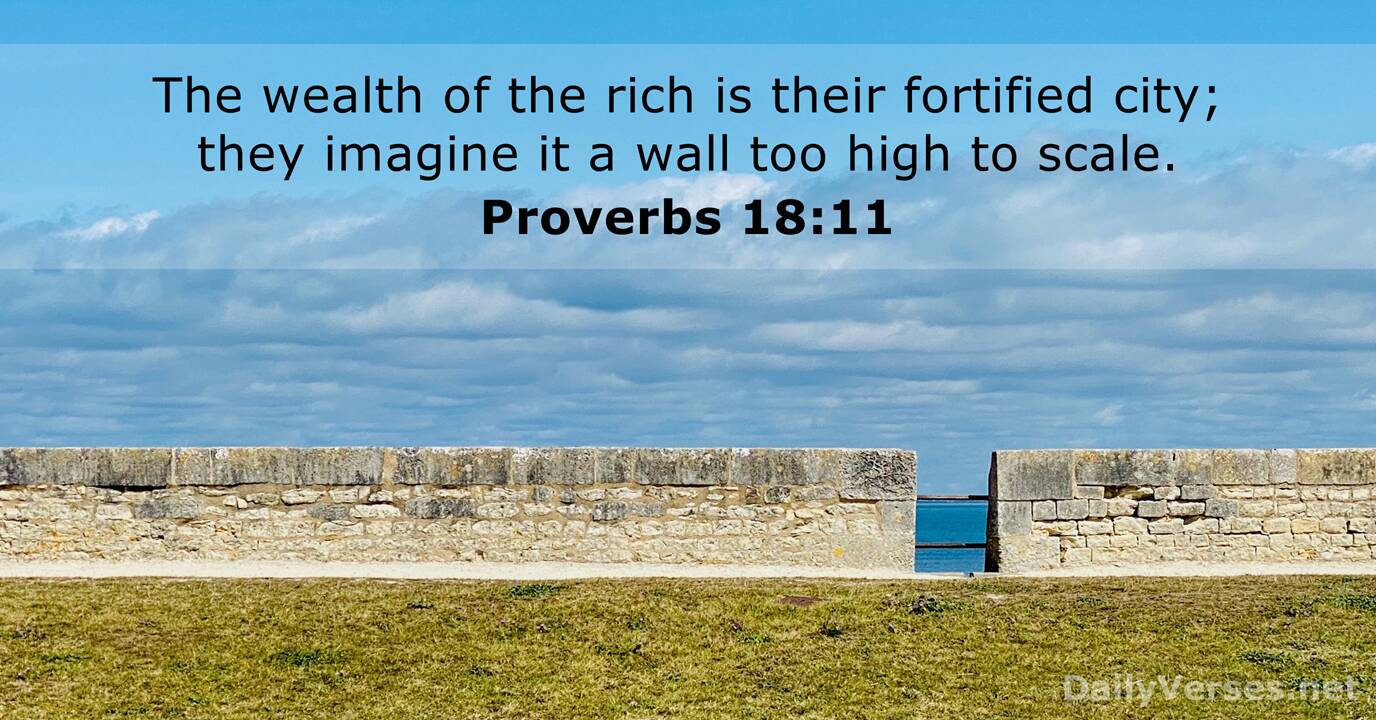
One of the most frequent warnings regarding wealth is not about the money itself, but about the “love of money.” Money is a neutral medium of exchange, but our emotional attachment to it can become a source of significant psychological and spiritual distress.
Distinguishing Between Utility and Identity
The danger of wealth lies in its ability to masquerade as a source of identity and security. When an individual’s self-worth is tied to their net worth, they become vulnerable to the fluctuations of the economy. Wealth provides utility—it pays for healthcare, education, and comfort—but it cannot provide lasting peace or purpose. Understanding this distinction is vital for maintaining mental health in a high-stakes financial world. A person who knows their value is independent of their balance sheet is free to take calculated risks and handle financial setbacks with resilience.
Cultivating a Mindset of Abundance
Greed is often a symptom of a “scarcity mindset”—the belief that there is not enough to go around and that one must hoard resources to survive. In contrast, spiritual teachings often emphasize a “mindset of abundance.” This doesn’t mean believing that everyone will be a billionaire, but rather trusting that there is enough for everyone’s needs when resources are managed wisely and shared generously. An abundance mindset fosters cooperation over cutthroat competition and allows for a more relaxed, strategic approach to wealth management.
Generosity as a Wealth Management Strategy
In a strictly mathematical sense, giving money away reduces your net worth. However, in the economy of faith, generosity is considered a critical component of financial health. It is often described as the “antidote to greed.”
The Multiplier Effect of Philanthropy
Generosity breaks the power that money can have over an individual. By systematically giving away a portion of their income—often referred to as a tithe or a charitable contribution—individuals remind themselves that they are not controlled by their possessions. Furthermore, philanthropy has a documented “multiplier effect” on the community. Wealth that is circulated through charitable organizations, community projects, and helping those in need creates a more stable and prosperous environment for everyone, which indirectly supports the long-term sustainability of the economy.
Building a Legacy Beyond the Balance Sheet
A life well-lived is not measured by the amount of money left in a bank account at death, but by the impact made on the lives of others. True wealth includes “relational capital” and “social capital.” When wealth is used to fund education, alleviate poverty, or support innovation, the legacy of the individual is preserved in the progress of society. This perspective encourages people to think about their “estate plan” not just in terms of tax efficiency, but in terms of intentional impact.
Practical Frameworks for Faith-Based Finance
To live out these principles, one needs a practical framework. Wealth management from a spiritual perspective involves specific habits and disciplines that ensure financial stability and peace of mind.
Debt Management and Financial Peace
High levels of consumer debt are often viewed as a form of “financial bondage.” Being “the borrower is slave to the lender” is a warning against the over-leveraging that is common in modern society. A faith-based approach prioritizes debt reduction as a means to gain freedom. When you are not burdened by interest payments and credit obligations, you have more margin to be generous, more flexibility to pursue new career paths, and more peace in your daily life.
Long-Term Planning and Provision
There is a common misconception that “trusting in providence” means neglecting financial planning. On the contrary, many spiritual examples point to the wisdom of the ant, which stores up food in the summer for the winter. Saving for the future, diversifiying investments, and providing for one’s family are seen as acts of responsibility. A sound financial plan includes:
- An Emergency Fund: To weather the storms of life without falling into debt.
- Long-Term Investments: To ensure that one does not become a burden on others in old age.
- Legacy Planning: To ensure that the resources accumulated are passed on to the next generation in a way that empowers rather than spoils them.

Conclusion: The Holistic View of Prosperity
Ultimately, what God says about wealth is that it is a significant responsibility that requires a balanced heart and a sharp mind. It is a tool for service, a test of character, and a means of provision. When wealth is pursued with integrity, managed with wisdom as a steward, and distributed with generosity, it becomes a source of great good in the world.
The goal of the financially conscious individual should not be the mere accumulation of zeros on a screen, but the cultivation of “true riches”—a life characterized by purpose, ethical success, and the peace that comes from knowing your financial house is in order. By aligning your financial strategies with these timeless principles, you can navigate the complexities of the modern market with a sense of direction and a higher call to excellence. Wealth, when handled correctly, is not a distraction from a meaningful life; it is a powerful vehicle for achieving it.
aViewFromTheCave is a participant in the Amazon Services LLC Associates Program, an affiliate advertising program designed to provide a means for sites to earn advertising fees by advertising and linking to Amazon.com. Amazon, the Amazon logo, AmazonSupply, and the AmazonSupply logo are trademarks of Amazon.com, Inc. or its affiliates. As an Amazon Associate we earn affiliate commissions from qualifying purchases.