
In the context of personal finance, business, and long-term wealth creation, the concept of hard work is often debated. Does success come from luck, timing, or grinding until exhaustion? When we examine ancient wisdom through the lens of economic sustainability, we find that the perspective on industry is not merely about staying busy, but about building value. Whether viewed through a theological framework or the rigorous demands of modern entrepreneurship, hard work is the fundamental currency of growth.
The Diligence-Wealth Correlation
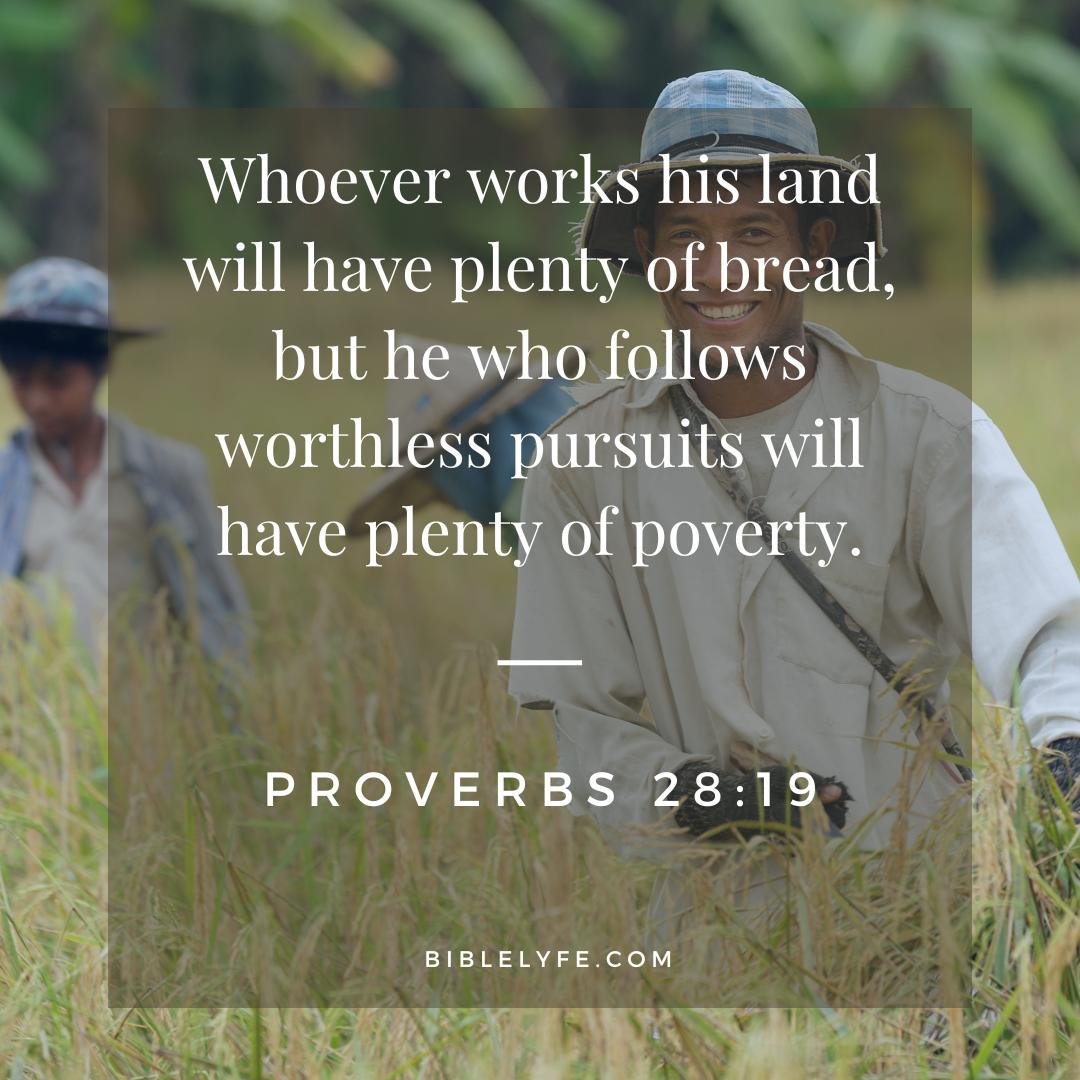
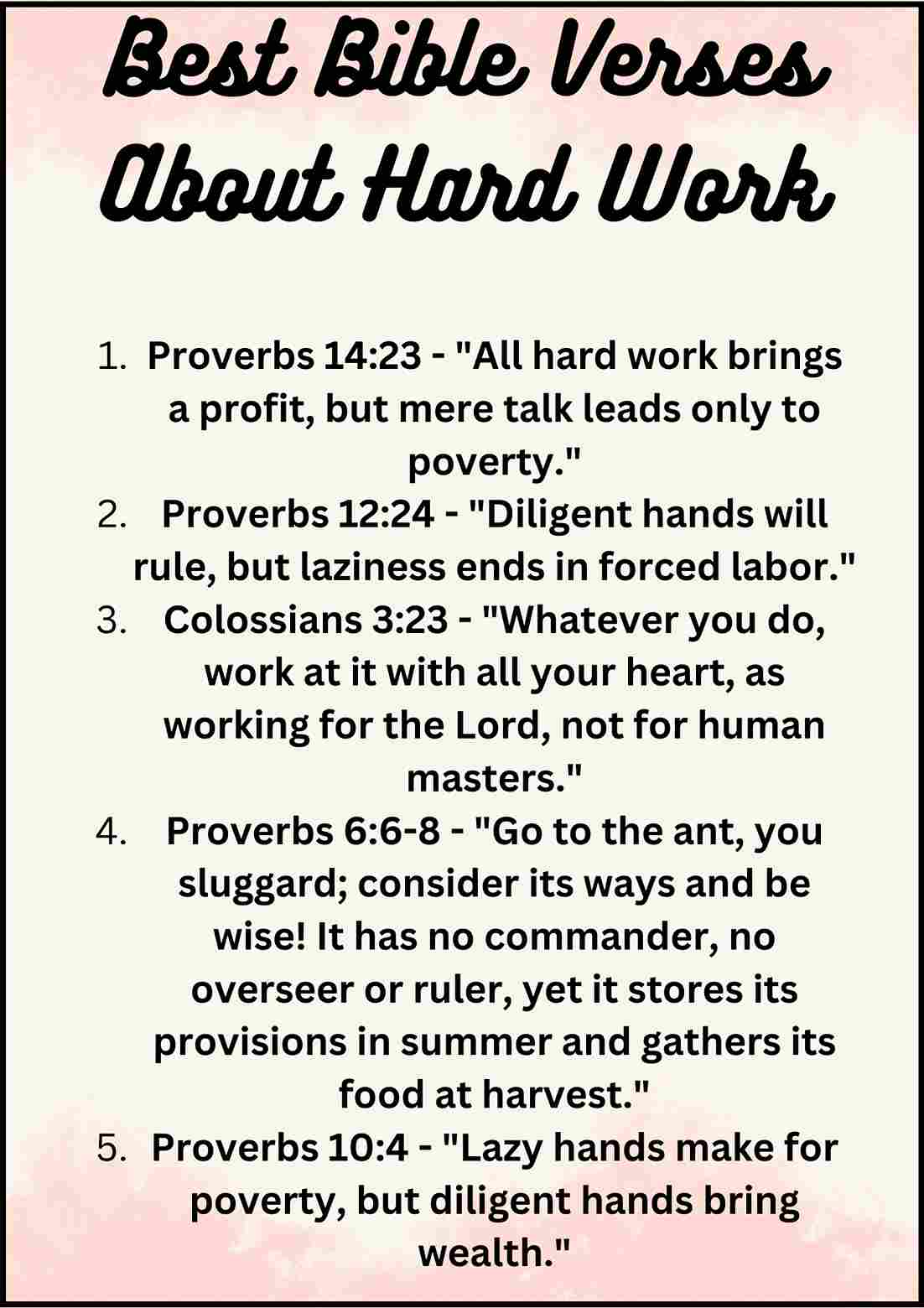
The intersection of stewardship and financial prosperity is rooted in the principle of diligence. In financial terms, diligence is the systematic application of effort toward a goal, minimizing waste and maximizing output. Ancient texts consistently highlight that “the plans of the diligent lead to profit as surely as haste leads to poverty.”
Investing in Human Capital
From a wealth-building perspective, your most valuable asset is your own capacity to produce. Hard work is the primary vehicle for upskilling. When you invest hours into mastering a craft—be it coding, financial analysis, or complex project management—you are increasing your “earning baseline.” This is the ultimate form of asset allocation. By committing to deep work, you move beyond basic labor and into the realm of specialized value, which commands a higher price in the marketplace.
The Myth of Shortcuts
In the world of personal finance, many are seduced by “get-rich-quick” schemes or high-risk speculative ventures. Yet, the timeless observation remains: wealth gained by vanity or quick shifts often diminishes. True financial security is built on the foundation of consistent, incremental growth. Hard work serves as the guardrail against the volatility of shortcuts. By building a business or a career on the back of sustained effort, you create a compounding effect that is far more reliable than luck.
Stewardship and Resource Management
A critical aspect of financial wisdom is the concept of stewardship—the idea that resources are entrusted to us to be managed effectively. Hard work is the tool by which those resources are multiplied. If you possess capital but lack the industry to put it to work, that capital remains stagnant.
The Law of the Harvest
Business finance operates on the same principle as agriculture: you cannot reap what you do not sow. If you dedicate your time, energy, and mental focus to a specific venture, you create a harvest. However, hard work alone is not enough; it must be coupled with strategic planning. Godly wisdom suggests that it is not just about the sweat on your brow, but the intent behind it. Working hard on the wrong thing leads to burnout and financial loss; working hard on the right thing leads to scalability.
Efficiency as a Virtue
There is a profound difference between being busy and being productive. True hard work involves streamlining operations, eliminating overhead, and optimizing the flow of income. Many people confuse “hustle” with “value creation.” If you are working sixteen hours a day but producing little net value, you are not being diligent; you are being inefficient. Stewardship demands that we use our time—our most finite financial resource—wisely. By applying rigorous discipline to your daily schedule, you ensure that your “input” of hours yields the highest possible “output” of capital.
The Role of Rest in Financial Sustainability
One of the most counterintuitive aspects of hard work is the necessity of rest. In modern startup culture, there is a glorification of the 24/7 grind. However, sustained financial success requires an acknowledgment of limits. A business model that relies on constant, unsustainable labor will eventually collapse.
The Principle of the Cycle
The ancient concept of the Sabbath serves as a powerful model for modern entrepreneurs and investors. It recognizes that growth is cyclical, not linear. Taking intentional time to step back from the ledger, the spreadsheets, and the market analysis allows for higher-level strategic thinking. Often, the best financial decisions are made not in the heat of the daily grind, but during periods of reflection and rest.
Avoiding the Trap of Burnout
Burnout is a major liability in any wealth-building journey. When you are mentally and physically depleted, your judgment regarding investments, business partnerships, and career choices declines. Hard work, when practiced without boundaries, becomes a liability rather than an asset. True wisdom in finance is knowing when to push hard and when to allow the compound interest of your previous labor to work on its own. It is about building a system that can sustain you, rather than a system that requires you to be its permanent slave.
Generosity and the Purpose of Earnings
Why do we work hard? If the goal of wealth is merely personal consumption, the labor often loses its meaning. The perspective on hard work shifts dramatically when it is viewed through the lens of generosity.
Wealth as a Tool for Influence
In both personal branding and financial success, hard work allows you to reach a level of abundance that is not just for survival, but for impact. When your hard work generates a surplus, you transition from being a consumer to being a provider. This provides a greater sense of purpose, which in turn acts as a psychological buffer against the stress of the market. Working to provide for others, or to support community initiatives, changes the nature of the labor from a burden to a mission.
Building a Legacy
Beyond the quarterly earnings and the monthly budget, hard work is the process of building an inheritance. In financial terms, this is about the long game. What are you building that will outlast your current career? Whether it is a business with strong equity, a diversified investment portfolio, or a personal brand with high authority, hard work is the mortar that holds the bricks of your legacy together.

Practical Steps to Align Your Work with Wisdom
If you are seeking to maximize your financial potential through the principle of hard work, consider these three actionable steps:
- Audit Your Intensity: Identify where you are spending your most productive hours. Are they aligned with high-revenue activities, or are they being dissipated on low-value tasks? Shift your labor toward tasks that have high scalability and high impact.
- Implement Disciplined Systems: Hard work is best channeled through systems. Whether you are using AI tools to automate repetitive tasks or implementing rigorous budgeting software to track personal finance, use technology to scale your efforts so that you aren’t just working harder, but smarter.
- Establish Boundaries for Growth: Treat rest as a mandatory line item in your life’s budget. Without it, you will lack the cognitive clarity required to make the bold, strategic moves that lead to significant wealth.
Ultimately, hard work is the bridge between desire and reality. It is not an arbitrary demand, but a fundamental law of economics and human flourishing. When you approach your career, your side hustles, and your financial planning with a spirit of diligence, you are aligning yourself with a timeless framework for success. You are no longer just chasing money; you are cultivating an ecosystem of value that rewards both your personal discipline and your contribution to the broader market. Success is not merely the result of effort, but of effort applied with wisdom, consistency, and a clear sense of purpose. As you move forward, remember that the work you do today is the interest-bearing investment that will define your financial freedom tomorrow.
aViewFromTheCave is a participant in the Amazon Services LLC Associates Program, an affiliate advertising program designed to provide a means for sites to earn advertising fees by advertising and linking to Amazon.com. Amazon, the Amazon logo, AmazonSupply, and the AmazonSupply logo are trademarks of Amazon.com, Inc. or its affiliates. As an Amazon Associate we earn affiliate commissions from qualifying purchases.