
In the vast and ever-evolving lexicon of digital communication, few acronyms carry as much weight, nuance, and history as “GG.” What started as a simple, polite acknowledgment within the burgeoning world of online gaming has transcended its origins, weaving itself into the fabric of broader internet culture. For the uninitiated, encountering “GG” in a chat log, a forum, or even a casual text message might prompt a momentary pause, a silent question mark hovering over its meaning. Yet, for millions of gamers and digital natives, “GG” is an instantly recognizable shorthand, a two-letter phrase imbued with layers of context, emotion, and unspoken rules. Understanding “GG” is not merely about decoding an acronym; it’s about grasping a fundamental aspect of online etiquette, community building, and the unique communication styles that have emerged from the digital frontier. This article delves into the origins, multifaceted meanings, cultural significance, and best practices surrounding “GG,” illuminating why this seemingly simple phrase remains a cornerstone of digital interaction, primarily within the tech sphere of gaming.

The Genesis of “GG”: Tracing Its Digital Roots
The true power of “GG” lies in its simplicity and its profound capacity to convey respect, finality, and sometimes, even sarcasm, all within two keystrokes. To fully appreciate its current ubiquity, one must journey back to its humble beginnings within the competitive, often high-stakes, environment of online gaming.
From Arcades to Online Arenas: A Brief History
While the precise moment “GG” was first uttered in a digital context is difficult to pinpoint, its philosophical roots can be traced to the real-world sportsmanship ingrained in competitive play. Before the internet connected players across continents, local arcades and LAN parties were the proving grounds for gamers. After a particularly intense match of Street Fighter II or StarCraft, a handshake and a “good game” were customary, signifying the end of the contest and a mutual respect between combatants, regardless of the outcome.
With the advent of widespread internet access and multiplayer online games in the late 1990s and early 2000s, the need for quick, efficient communication became paramount. Typing out “good game” repeatedly in a fast-paced environment like Quake, Counter-Strike, or StarCraft: Brood War chat could be cumbersome. Acronyms were already a staple of early internet forums and instant messaging, driven by limitations in character counts and a desire for speed. Thus, “GG” naturally emerged as the perfect abbreviation, carrying over the real-world sentiment into the virtual realm. It was a digital handshake, a textual nod of acknowledgment that the battle was over, and the combatants could move on. Its adoption was organic, driven by collective player consensus, and rapidly became a standard across virtually all online multiplayer titles.
The Core Meaning: Sportsmanship and Salutation
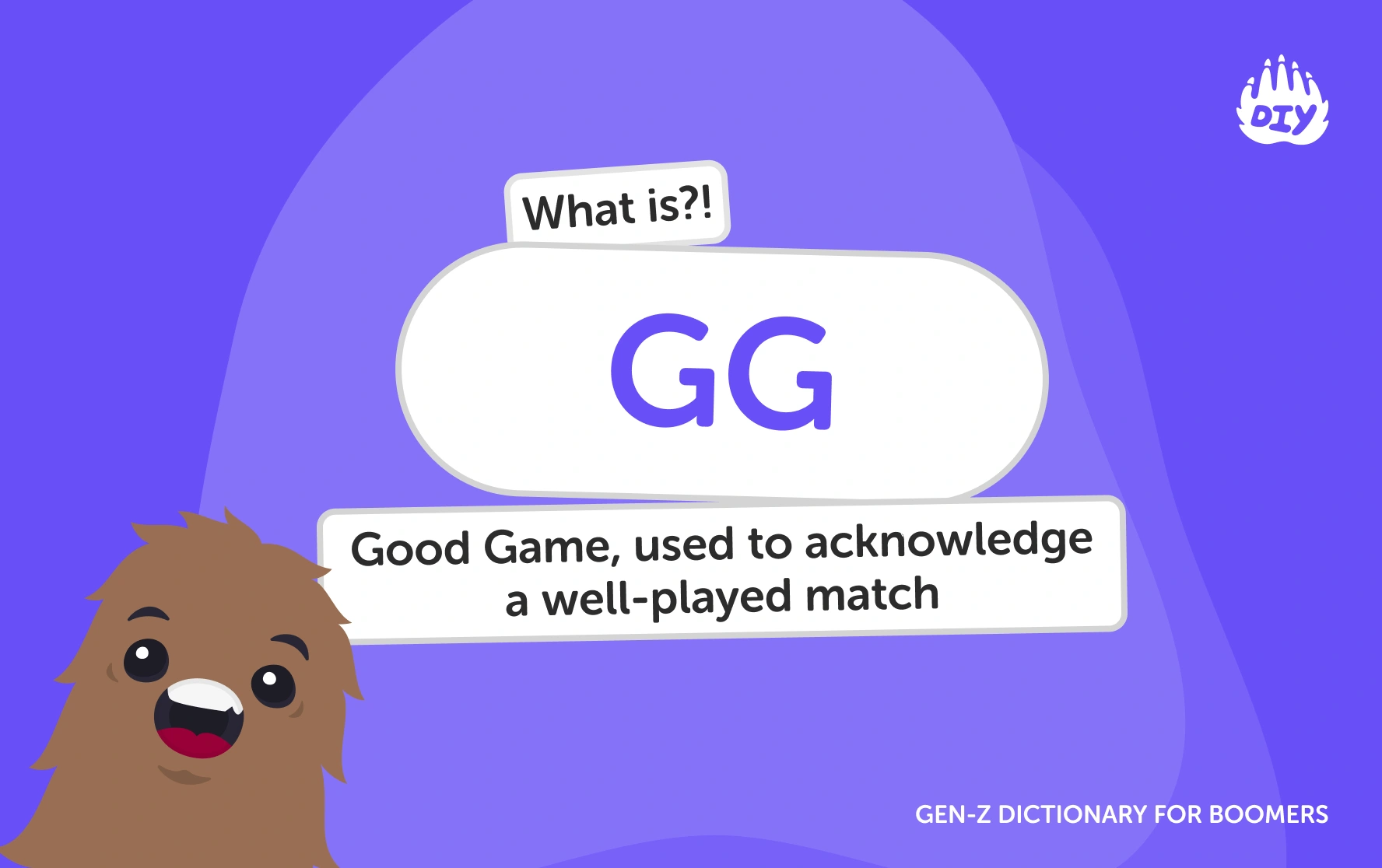
At its heart, “GG” primarily stands for “good game.” This fundamental meaning is rooted in the principles of sportsmanship. When used sincerely, it functions as a polite and respectful acknowledgement at the conclusion of an online match or competition. It implies that regardless of victory or defeat, the participants engaged in a fair and enjoyable contest. Saying “GG” after a match signals:
- Respect: An acknowledgement of the opponent’s effort and skill.
- Sportsmanship: A display of good conduct, win or lose.
- Finality: A clear indication that the match has concluded and the participants are ready to disperse or move to the next game.
This core meaning forms the bedrock of “GG”‘s utility and widespread acceptance. It’s the digital equivalent of shaking hands with your opponent, a simple yet powerful gesture that fosters a healthier, more respectful online gaming environment, even amidst the intense competition. Without this foundation, the more nuanced and sometimes sarcastic uses of “GG” would lose their underlying contrast.
Beyond “Good Game”: Nuances and Variations
While “good game” remains the primary interpretation of “GG,” its deployment in various contexts has given rise to a rich tapestry of nuanced meanings and derivative phrases. These variations often convey specific sentiments, ranging from genuine praise to outright mockery, demonstrating the flexibility and expressive power of this simple acronym within the tech-savvy gaming community.
“GG EZ”: The Dark Side of Trolling
Perhaps one of the most contentious variations is “GG EZ.” This phrase, an abbreviation for “good game, easy,” is almost universally considered poor sportsmanship. It is deployed by the winning team or player to gloat, diminish their opponent’s effort, and intentionally provoke a negative reaction. While some might use it ironically among friends, in public matches, “GG EZ” is a clear signal of disrespect and is often reported for toxic behavior. Many modern games have even implemented automatic chat filters that replace “GG EZ” with more wholesome or humorous phrases, attempting to curb its use and foster a more positive community. Its existence highlights the constant battle between sportsmanship and toxicity in online competitive environments.
“GG WP”: Praising Skill and Effort
On the opposite end of the spectrum from “GG EZ” is “GG WP,” which stands for “good game, well played.” This variation is a sincere compliment, acknowledging not just a good match but specifically praising the opponent’s skill, strategy, or overall performance. It’s a gracious way to admit defeat or to commend an ally, fostering camaraderie and mutual respect. “GG WP” is often seen in high-level competitive play, including esports, where professional players use it as a genuine sign of respect for their opponents’ formidable abilities. It underscores the competitive yet honorable spirit that many gamers aspire to uphold.
“GG L” and “GG FF”: Expressions of Frustration and Surrender
Sometimes, “GG” can be used in combination with expressions of frustration or a desire to end a match prematurely. “GG L,” short for “good game, loss,” is less common but can be used by a player or team acknowledging defeat, often in a context where they feel the game was decided earlier than the actual end. More common is “GG FF” or simply “FF,” which stands for “good game, forfeit.” In many team-based games, players have the option to surrender (“forfeit”) if they believe a comeback is impossible. Typing “GG FF” often precedes or accompanies a vote to surrender, signaling to teammates and opponents that the team is ready to throw in the towel. While it can be a sign of resignation, it’s also a pragmatic decision to save time and move on when victory is out of reach, still maintaining a semblance of politeness with the “GG” prefix.
“GG HF”: Setting the Stage for Fair Play
Before a match even begins, especially in competitive settings, players might type “GL HF,” which means “good luck, have fun.” This is a pre-game equivalent of “GG,” setting a positive tone and wishing both sides an enjoyable and fair contest. When players use “GL HF,” it’s an invitation to engage in a respectful competition, acknowledging the goal isn’t just to win but to participate in a “good game” experience from the outset. This phrase, though distinct, is part of the broader etiquette ecosystem that “GG” helps define, emphasizing the social contract of online gaming.
The Cultural Impact of “GG” in Online Communities

Beyond its direct meanings, “GG” has evolved into a powerful cultural artifact, shaping communication norms and fostering a sense of shared identity within online communities. Its pervasive use illustrates the unique ways digital environments cultivate their own language and etiquette.
Fostering Community and Etiquette
“GG” plays a crucial role in establishing and maintaining online etiquette. In environments that can often feel anonymous and hostile, a simple “GG” serves as a reminder of the human beings behind the avatars. It promotes a culture of sportsmanship, making players feel acknowledged and respected, which can significantly improve the overall gaming experience. When players consistently use “GG” sincerely, it builds a foundation of positive interaction, counteracting the negativity that can sometimes plague online spaces. This collective adherence to “GG” as a form of respect acts as a self-regulating mechanism, encouraging polite behavior and distinguishing a civil player from a toxic one. It creates an expectation of mutual respect, a digital “please and thank you” that underpins healthier community interactions.
“GG” in Professional Esports: A Mark of Respect
In the high-stakes world of professional esports, “GG” takes on an even more formal and significant meaning. After a grueling professional match, particularly in titles like League of Legends, Dota 2, or StarCraft II, opposing teams will often type “GG” in the chat and then physically shake hands, even bowing to one another. Here, “GG” is not just a polite phrase; it’s a solemn declaration of respect for the opponent’s skill, strategy, and the intensity of the competition. It signifies the end of the professional contest and the immediate return to mutual admiration among competitors who often train for years to reach such a level. The absence of a “GG” in professional play can be seen as a major breach of etiquette, potentially leading to reprimands or damaging a team’s reputation within the professional circuit. It solidifies “GG” as an integral part of professional sportsmanship, mirroring traditional sports.
Beyond Gaming: “GG” in Casual Digital Conversations
While its origins are firmly rooted in gaming, “GG” has gradually seeped into broader internet culture and even everyday digital communication. It’s common to see “GG” used in non-gaming contexts to signify the end of a task, a conversation, or a friendly competition. For example:
- After a long work call: “Alright team, that’s everything for today. GG!”
- Completing a challenging project: “Finally got that code to compile. GG!”
- In response to a clever retort in a text exchange: “Haha, you got me. GG.”
- When a plan falls through or something ends unexpectedly: “Well, the power just went out. GG to tonight’s movie plans.”
In these instances, “GG” maintains its core meaning of finality and acknowledgement, often carrying a lighthearted or resigned tone. It reflects the permeability of language across digital communities, demonstrating how gaming slang can evolve into universally understood internet shorthand. This expansion shows “GG” isn’t just for gamers anymore; it’s a piece of linguistic tech that has found broader application in the digital age.
Misinterpretations and Best Practices
Despite its widespread use, “GG” is not immune to misinterpretation. Its effectiveness hinges on context, sincerity, and an understanding of the unspoken rules governing its deployment. Knowing when and how to use “GG” correctly is key to positive digital interactions.
When Not to Say “GG”: Context is Key
The biggest pitfall in using “GG” lies in its timing and context. Uttering “GG” prematurely, especially when a match is clearly not over or when one team is still putting up a strong fight, can be interpreted as highly disrespectful. It suggests you’ve already decided the outcome, implying your opponent’s efforts are futile. This is often seen as a passive-aggressive form of “GG EZ,” undermining the opponent and breaking the spirit of sportsmanship. Similarly, using “GG” mockingly when you’ve clearly dominated an inexperienced opponent can also be perceived as unsportsmanlike. The general rule of thumb is to reserve “GG” for the definitive end of the match or competition, when all hope is truly lost or victory is secured.
The Sincerity Factor: Meaning What You Type
The power of “GG” lies in its potential for genuine sincerity. While it’s easy to type, the intent behind it makes all the difference. A “GG” typed out of genuine respect, even in defeat, fosters goodwill. A “GG” typed grudgingly or sarcastically can breed resentment. Online communication often lacks the non-verbal cues present in face-to-face interactions, making it harder to convey nuance. Therefore, intending “GG” to be a sincere gesture of sportsmanship is paramount. If you don’t mean it, it might be better to say nothing at all, or to choose a more neutral closing remark. Conscious usage reinforces positive community values, while thoughtless or malicious use erodes them.
Adapting to Platform-Specific Norms
While “GG” is universally recognized, some platforms or specific game communities might have their own subtle variations in its usage. For instance, in some games, players might prefer “GL HF” at the start and only “GG” at the very end, without any other prefixes or suffixes. In others, a quick “GG” might be expected even if you disconnect early. Being aware of these community-specific norms can prevent misunderstandings and help integrate you smoothly into a new gaming environment. Observing how regular players use it in their chat logs can provide valuable insights into these unwritten rules, demonstrating adaptability is crucial in the ever-shifting landscape of digital communication.
The Enduring Legacy of “GG” in Digital Communication
“GG” stands as a testament to the dynamic and self-organizing nature of digital language. From its utilitarian birth in competitive gaming to its widespread adoption across various digital spheres, it embodies the ingenuity and collaborative spirit of online communities.
A Testament to Rapid Digital Evolution
The journey of “GG” from a niche gaming acronym to a broadly recognized internet phrase underscores the rapid evolution of digital communication. It highlights how emergent slang, born out of necessity and convenience within specific tech-driven subcultures, can quickly disseminate and become integral to the broader digital lexicon. This linguistic agility reflects the fast-paced innovation inherent in technology itself, where new tools and platforms constantly shape how we interact and express ourselves. “GG” is not merely an abbreviation; it’s a linguistic artifact of the internet age, a micro-example of how digital platforms foster entirely new forms of expression and etiquette.
More Than Just Two Letters: A Microcosm of Online Interaction
Ultimately, “GG” is more than just “good game.” It’s a microcosm of the complex, often contradictory, nature of online interaction. It embodies the best of sportsmanship and the worst of toxic behavior. It represents the desire for connection and the potential for alienation. Its persistent presence in our digital lives speaks volumes about the human need for both competition and community, for efficiency and expression, even in a world mediated by screens and keyboards. Understanding “GG” is therefore not just about learning a piece of tech slang; it’s about gaining insight into the intricate social dynamics and evolving language of the digital world that continues to shape our communication habits. As technology progresses, “GG” will likely endure, adapting to new platforms and contexts, a simple yet powerful reminder of the shared experiences that bind us in the vast digital arena.
aViewFromTheCave is a participant in the Amazon Services LLC Associates Program, an affiliate advertising program designed to provide a means for sites to earn advertising fees by advertising and linking to Amazon.com. Amazon, the Amazon logo, AmazonSupply, and the AmazonSupply logo are trademarks of Amazon.com, Inc. or its affiliates. As an Amazon Associate we earn affiliate commissions from qualifying purchases.